The art of the anisade: conviviality around Camargue counters
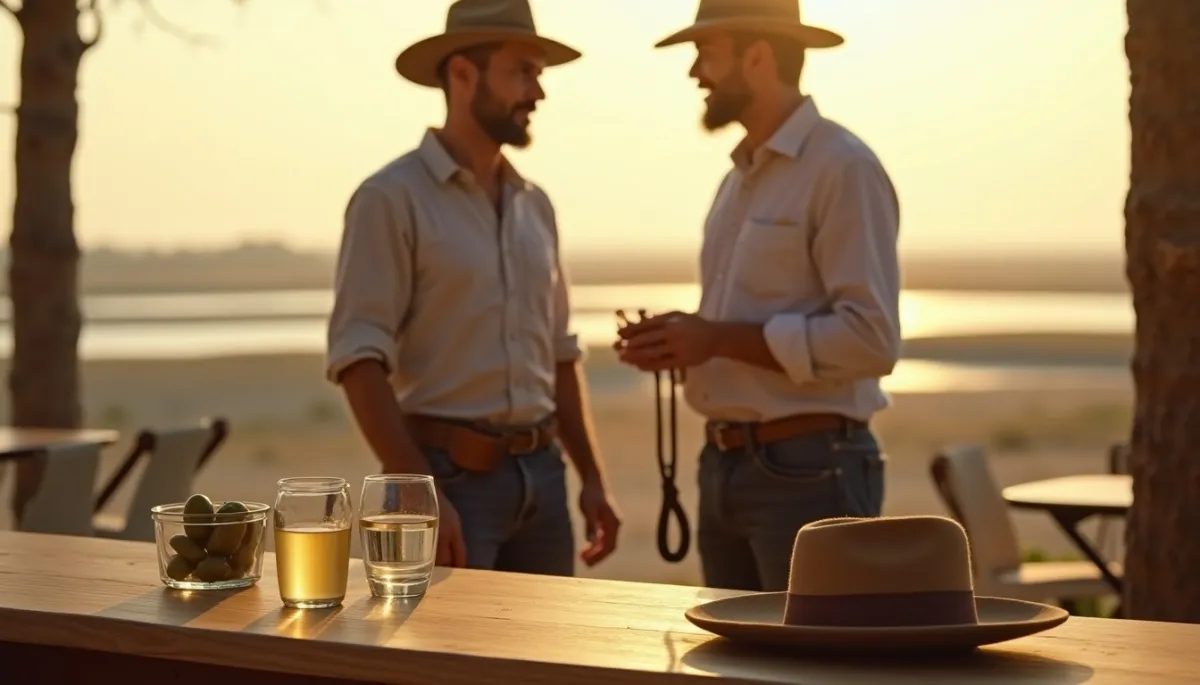
The anisade is more than a drink. In Camargue, it is a small ceremony that gathers gardians, fishermen and salt-workers at the café counter, at dusk.
🚀 Key Takeaways
- Core concept : A communal ritual around aniseed liqueur, pastis or anisette.
- Practical tip : Wait to be offered, sip slowly, pair with local olives and rice-based snacks.
- Did you know : Pastis became widely commercial after Paul Ricard launched his recipe in 1932, filling a social void left by absinthe's ban.
Close your eyes, hear the clink of small glasses.
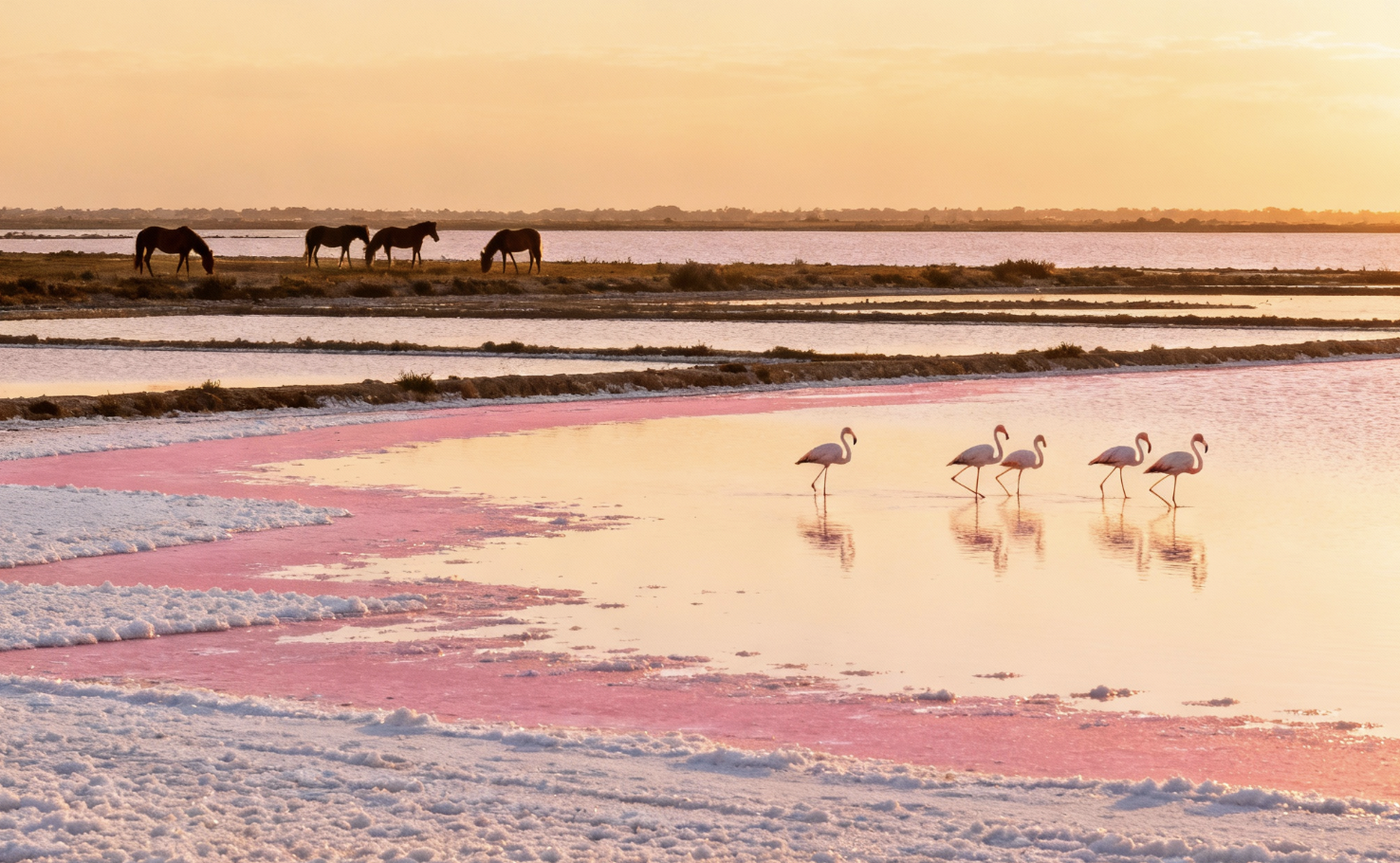
On a wooden counter in Saintes-Maries-de-la-Mer or a shaded square in Arles, the sun tucks behind the marshes. Gardians in flat-brimmed hats talk quietly about the day's abrivado. A pot of olives passes, a carafe of water, and a small glass of aniseed spirit goes round: that is the anisade, a pause that tastes of salt, horsehair and slow time.
Comptoirs et visages
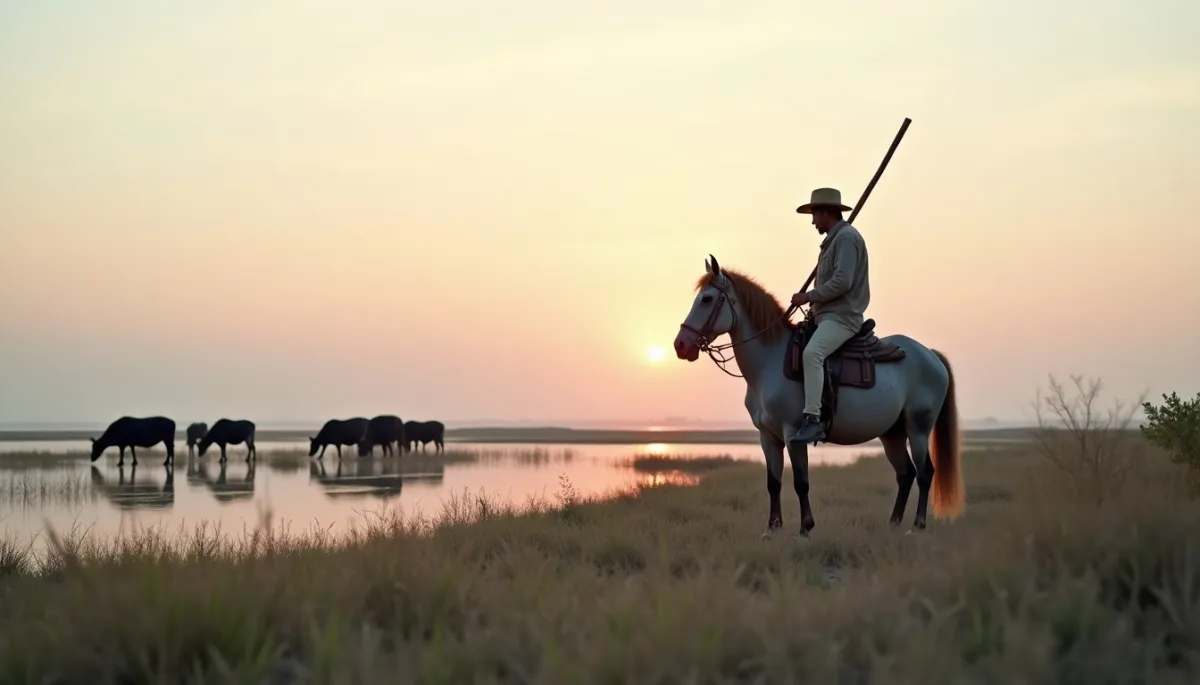
The protagonists are everyday people: gardians (Camargue cowboys), manadiers (herd owners), salt-workers, fishermen and café owners. They are not celebrities, but some names and places are emblematic. At the cafés near the arenas where the course camarguaise takes place, one meets longstanding regulars who have kept the ritual alive.
Gardians work with manades, herds of horses and bulls, and their rhythms shape the anisade: gatherings happen after a day's sorting of bulls or a late afternoon roundup. The comptoir becomes a kind of club, where weathered hands point at a bull's horn and a young raseteur (bull-sport participant) recounts a near miss.
Historically, these counters have been witnesses to events. After World War II, as Camargue tourism grew in the 1950s and 1960s, cafés adapted; yet the anisade stayed rooted in local exchange, not tourist spectacle.
Racines et saveurs
Anisade takes its name from aniseed-flavored liqueurs: anisette, pastis, and other regional variants. Pastis, as a bottled brand, found national success when Paul Ricard marketed his formula in 1932, but the taste of anise had been part of southern tables long before.
The practice answers a basic need: hydration, warmth and camaraderie after physical labor. In Camargue, with its saline wind and hard ground, a simple shared drink tightens social bonds. The anisade often pairs with local products: Camargue rice, gardiane de taureau (braised bull), olives, or a slice of fougasse.
For newcomers: anisade is informal but codified. Glasses are small, water is added to taste, and it is polite to accept an offer. Conversations can be about the day's roundup, upcoming ferias, or the price of hay. Expect laughter, advice and sometimes a blunt local proverb.
Entre tradition et modernité
The anisade faces tensions. Increased tourism in Arles and Saintes-Maries-de-la-Mer has turned some counters into photo spots, diluting the intimacy. Yet many cafés preserve authenticity by reserving certain corners for locals, or by posting simple house rules.
Economic changes also play a role. Younger gardians often juggle tourism-related jobs, reducing the time spent in late-afternoon gatherings. Still, associations of manades and annual events like local ferias continue to revive the practice.
To keep the anisade alive, try this: visit a small café off the main square, ask for a pastis or anisette, offer a toast, and listen. Respect local rhythms. The reward is not only the drink, but a story or two you will carry home.