The museum of the Camargue: understanding the link between man, horse and water
The Musée de la Camargue invites you to read the landscape like a book. Between salt pans, lagoons and herds, it tells how people and horses have learned to live with water.
🚀 Key Takeaways
- Core concept : The museum shows how water shaped Camargue culture.
- Practical tip : Visit in spring for birdlife and local festivities.
- Did you know : The Camargue horse is a semi-feral breed, central to local identity.
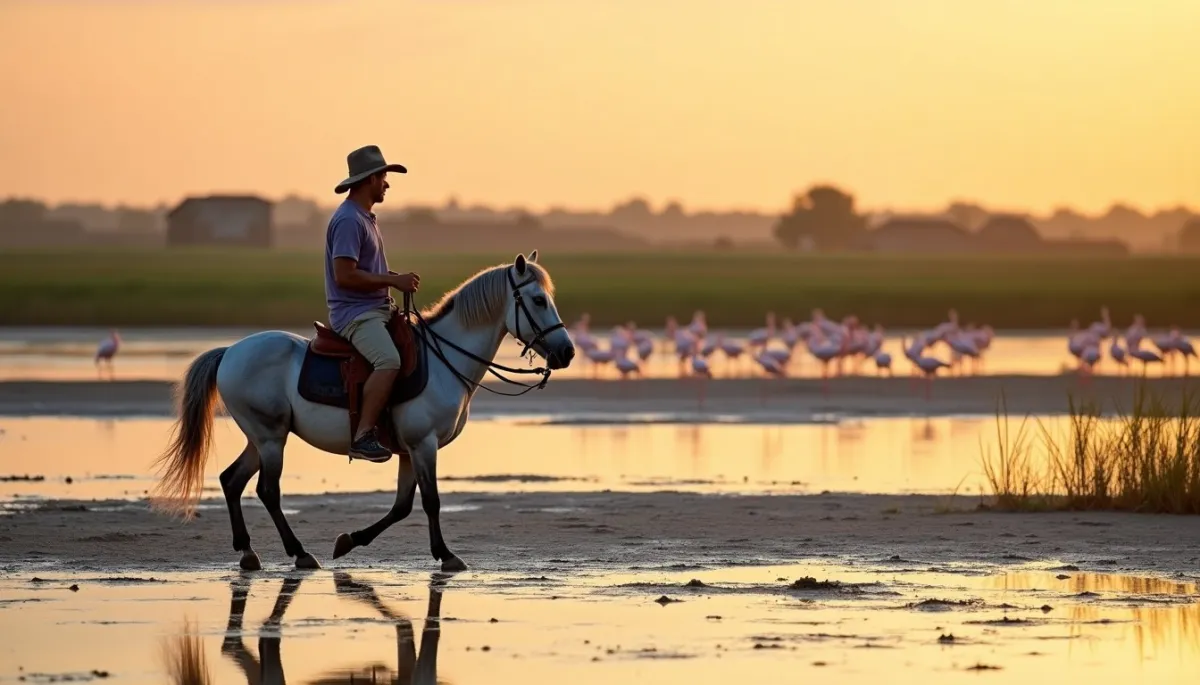
Close your eyes and imagine hoofprints on mud, pink flocks of flamingos, the hollow call of a gardian's horn.
At the Musée de la Camargue you step out of a whitewashed courtyard into a panorama of salt, reeds and lagoon. Objects lie next to photographs, oral recordings and maps, like fragments of an ongoing conversation between humans, horses and water. The museum acts as translator for visitors: it decodes the language of the delta.
landes et salins
The museum anchors the landscape. Panels explain the hydrology of the Rhône delta, the role of the Étang de Vaccarès, and the seasonal rise and fall of freshwater and salt. Visitors learn why rice paddies, salt works and reed beds coexist here, and how each depends on subtle water management.
Exhibits include old tools used to control water, plans of drainage channels, and historical photos that show how salt extraction and rice cultivation shaped villages. These images put names and dates to changes that unfolded during the 19th and 20th centuries, when industrial saltworks and irrigation intensified human presence.
The museum also preserves local memories: taped interviews with fishermen, salt workers and rice growers explain daily adaptations to floods and droughts. Those testimonies turn technical data into living stories, and they remind visitors that the Camargue is a cultural wetland, not just a scenic postcard.
gardians et chevaux
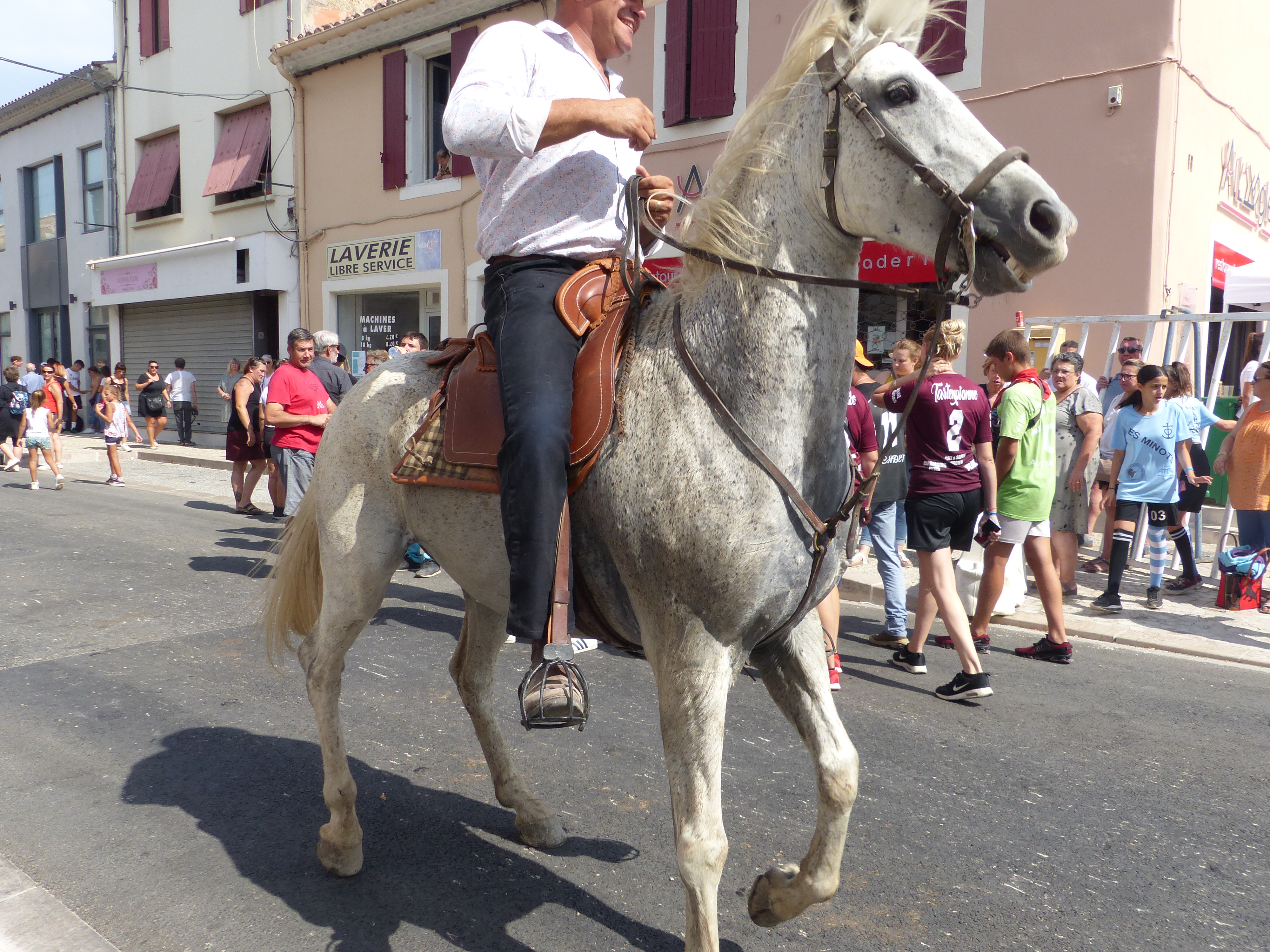
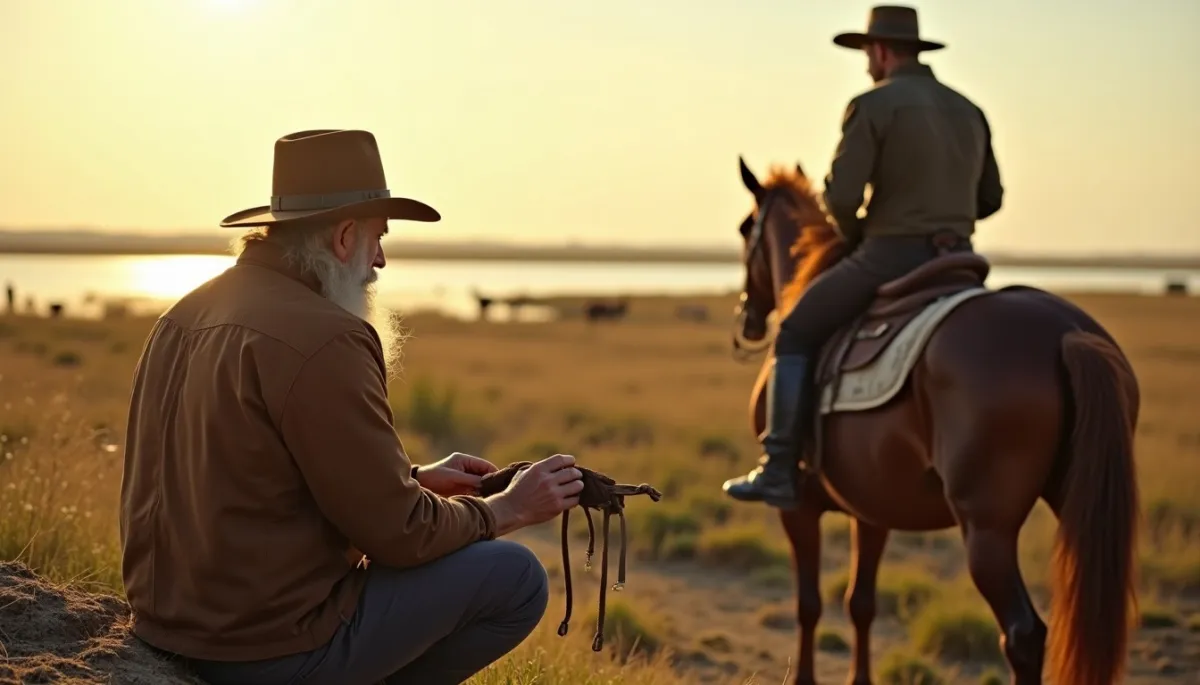
The heart of the museum beats to the rhythm of the gardians. Portraits, costumes and bridles trace the evolution of this mounted workforce, responsible for herding bulls and maintaining manades (free-range herds). You learn how the gardian's outfit is functional: short jacket, wide-brimmed hat and a large belt to ride long hours in the marshes.
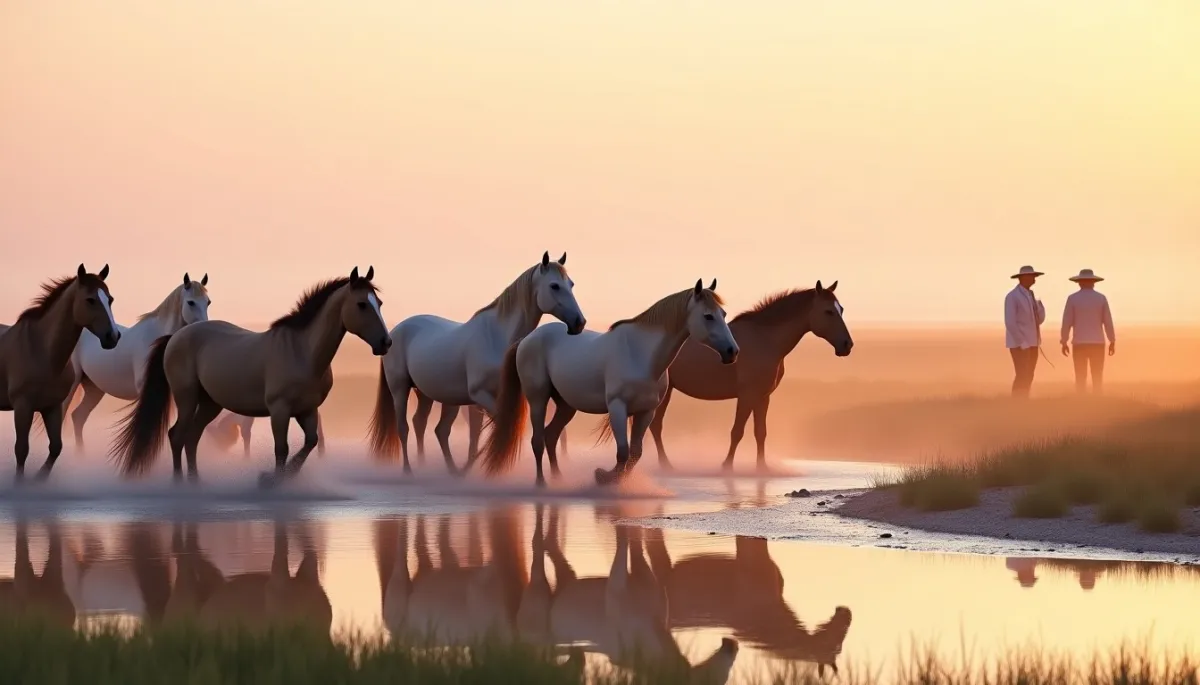
The Camargue horse appears everywhere, small, grey and tough, shaped by centuries of living in brackish marshes. The museum explains the breed's characteristics, breeding practices, and the system of the manade, in which families raise horses and bulls communally. Photographs from the early 20th century show riders on salt flats, a visual bridge to Folco de Baroncelli (1869-1943), who popularized Camargue traditions and helped institutionalize the image of the gardian.
Interactive displays let you hear the call-and-response between riders during a roundup, and scripts explain local practices like the abrivado (the escorting of bull herds through streets) and the course camarguaise, a non-lethal bull game where agility, not gore, is celebrated. These customs reveal an ethic of work and respect between human and animal.
mémoire et avenir
The museum is also a place of conservation and debate. Panels address tensions between conservation, tourism and agriculture. Since the creation of the Parc naturel régional de Camargue in 1970, managers and local communities have negotiated how to protect wetlands while sustaining livelihoods.
Displays discuss contemporary challenges: rising sea levels, changes in salt production, and the abandonment of some traditional manades. The museum does not romanticize; it presents data, such as long-term bird counts and salinity measurements, and pairs them with first-person accounts to show real consequences for families who work the land.
Finally, the Musée de la Camargue offers practical advice. Visit in spring to combine museum hours with birdwatching at dawn. Respect private manades, ask permission before photographing animals, and pair your visit with a ride or a guided tour to truly understand scale. The museum teaches that understanding this delta means moving slowly, listening, and accepting that water still decides many outcomes.
Visiting the Musée de la Camargue is a lesson in relationships: between rider and horse, between salt and fresh water, between memory and adaptation. It leaves you with concrete knowledge and a renewed respect for a territory where culture grew from the tides.