From mud to daylight: The legendary hardiness of the little white horse
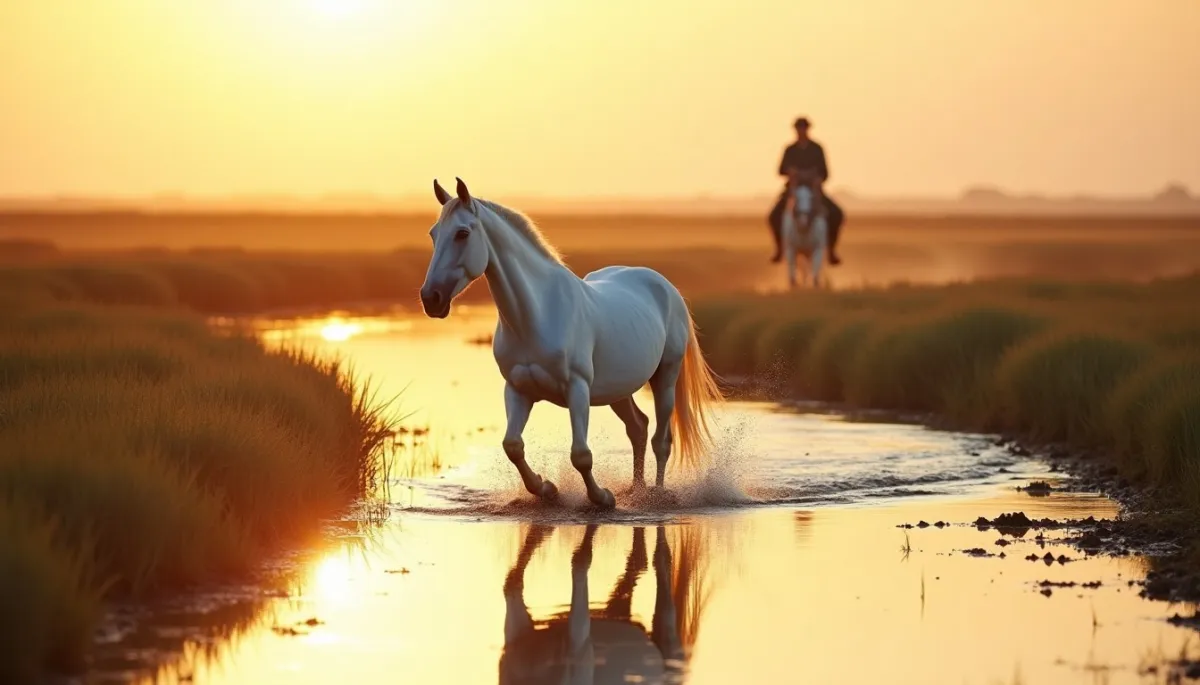
The little white horse of the Camargue is more than an image, it is a living tool shaped by marshes and men. From foggy dawns at Saintes-Maries-de-la-Mer to the arena of local ferias, its toughness tells a millennium-old story.
🚀 Key Takeaways
- Key concept : The Camargue horse is a small, hardy breed adapted to salt marshes and low-oxygen soils.
- Practical tip : For owners, regular hoof care, careful coat maintenance and exposure management are essential in marshy conditions.
- Did you know : The gardian and the manade system keep both livestock and culture alive in the Rhône delta.
It stands in the mud and watches the tide. Imagine a grey foal, stiff with dawn, becoming almost white as it trots through reeds while a gardian sings an old Provençal line.
Marais vivant
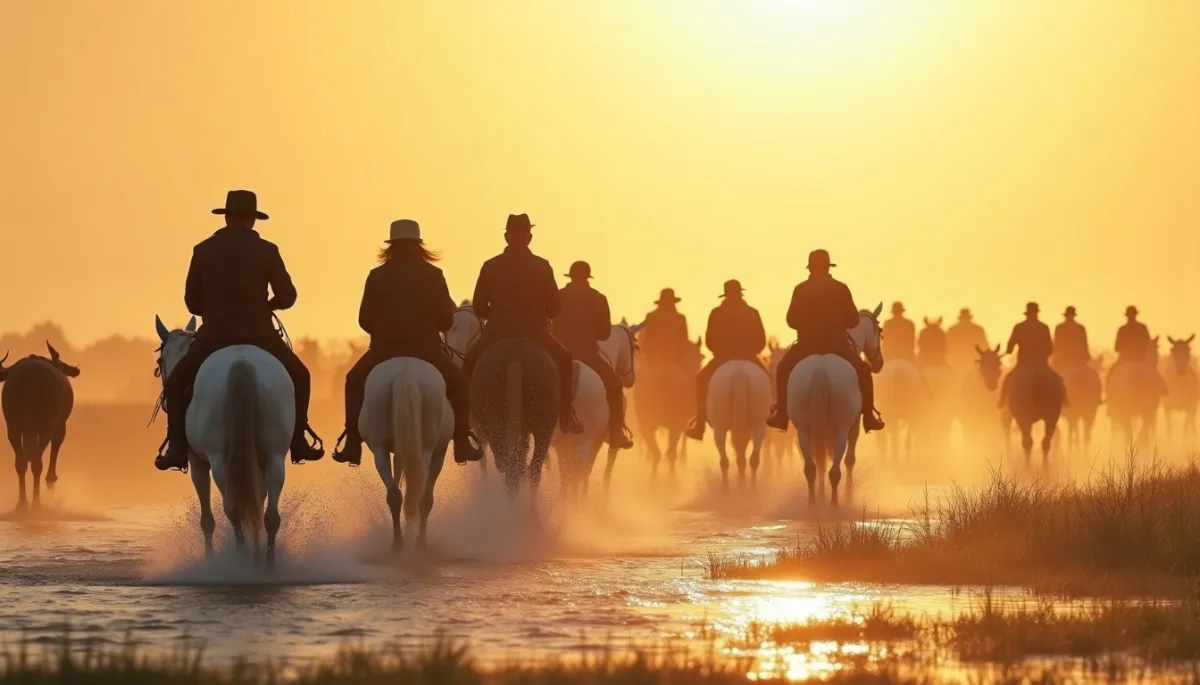
The Camargue horse is an emblem of the Rhône delta. Small (generally between 1.30 and 1.45 m at the withers), robust and sure-footed, it has been bred for centuries in saline marshes around Arles and Saintes-Maries-de-la-Mer. Herds (manades) graze semi-wild, shaping the wetland both ecologically and culturally.
On festival days in Saintes-Maries-de-la-Mer, during the famous Roma pilgrimage around May 24, and at the ferias of Arles, these white horses take center stage. They lead abrivados, guides of bulls through town, and perform the gallops that thrill spectators. Photographers like Lucien Clergue (1934-2014) fixed these moments in the late 20th century, making the horse a visual symbol of Provence.
Economically, manades are part of a fragile rural model. Tourism funds visits and rides, while breeders (manadiers) balance traditional grazing with modern rules of animal welfare. The horse’s presence maintains reed beds, controls vegetation and contributes to the delta’s biodiversity.
Racines et gardians
Why is the Camargue horse so tough? Its origin is ancient and local selection favored animals that survived salt, water and biting insects. Foals are born dark and progressively turn grey, often white by age three or four, a characteristic that gives the breed its popular name, 'petit cheval blanc'.
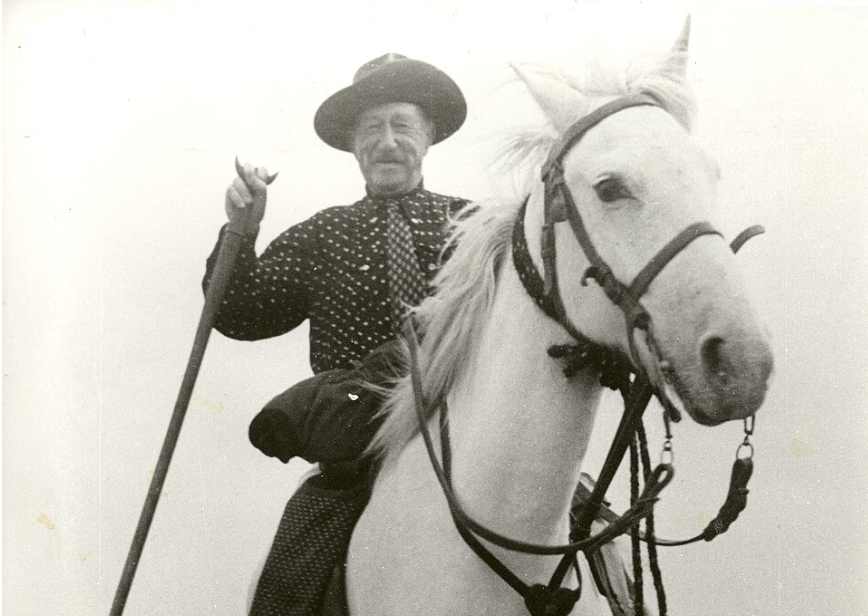
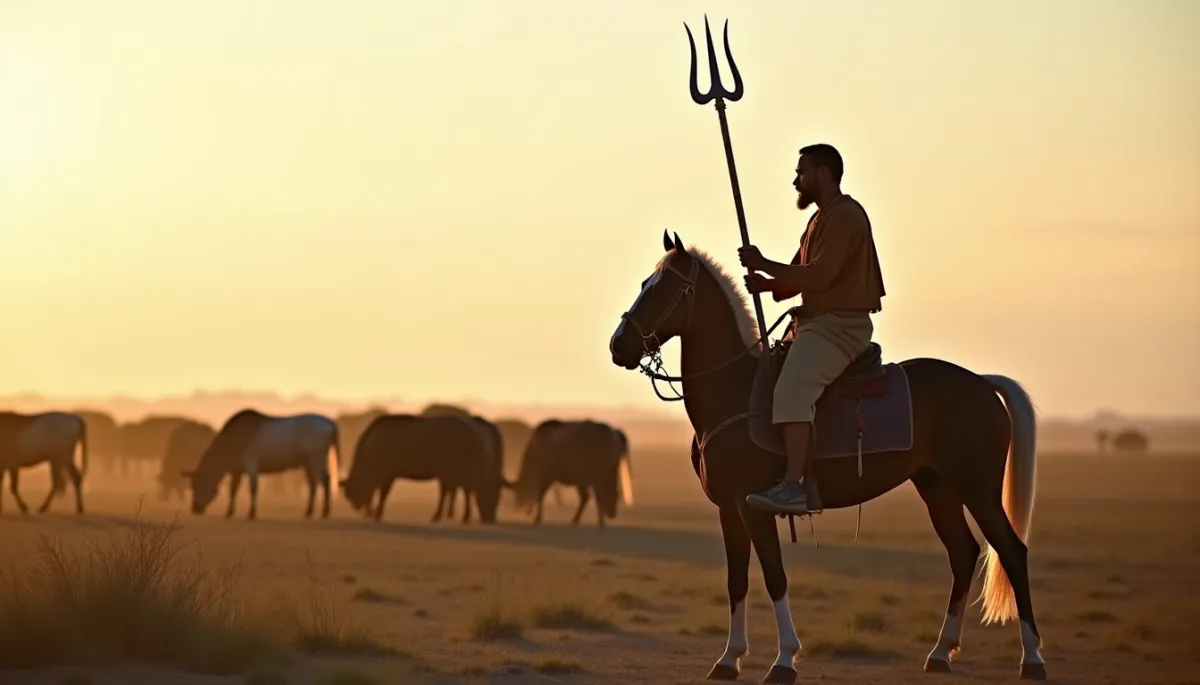
Gardians, the mounted herdsmen of the Camargue, forged the bond between human and horse. Figures like Folco de Baroncelli-Javon (1869-1943) promoted regional identity and the manade lifestyle in the early 20th century, ensuring that the horse remained central to herding and festivities. The techniques of handling cattle on horseback here are comparable, in spirit, to the work of vaqueros in Spain or cowboys in the American West.
Behaviorally the breed is alert, independent and adapted to grazing vast saline plains. Their hooves and limb conformation allow movement in soft terrain, and a compact metabolism helps them subsist on sparse vegetation when winters are harsh.
Blanc et bourbier
Not everything is idyllic. The Camargue faces pressures: intensive tourism, land reclamation, crossbreeding attempts and climate change that alters flooding rhythms. Some manades struggle to remain economically viable while respecting traditional grazing calendars.
Conservation actions, local protections and labels (AOP or regional charters) try to preserve pure-bred Camargue bloodlines and the manade method. Practical measures include controlled grazing to avoid over-erosion, veterinary surveillance and education of visitors about not feeding or chasing semi-wild horses.
For owners and riders, a few concrete tips keep these horses healthy: prioritize regular farrier visits to prevent hoof packing in mud, rinse salt deposits after long exposure to brackish water, adopt a grooming routine to remove stains and apply sun protection to young, thin-skinned animals. Respecting seasonal grazing and partnering with experienced manadiers helps maintain both the breed and the landscape.
Ultimately, the little white horse of the Camargue is a living archive. It carries the memory of marshes and men. To see one gallop at sunrise in the delta is to read a chapter of regional history written in mud and mane.