Camargue stallions: selection and preserving the pure breed
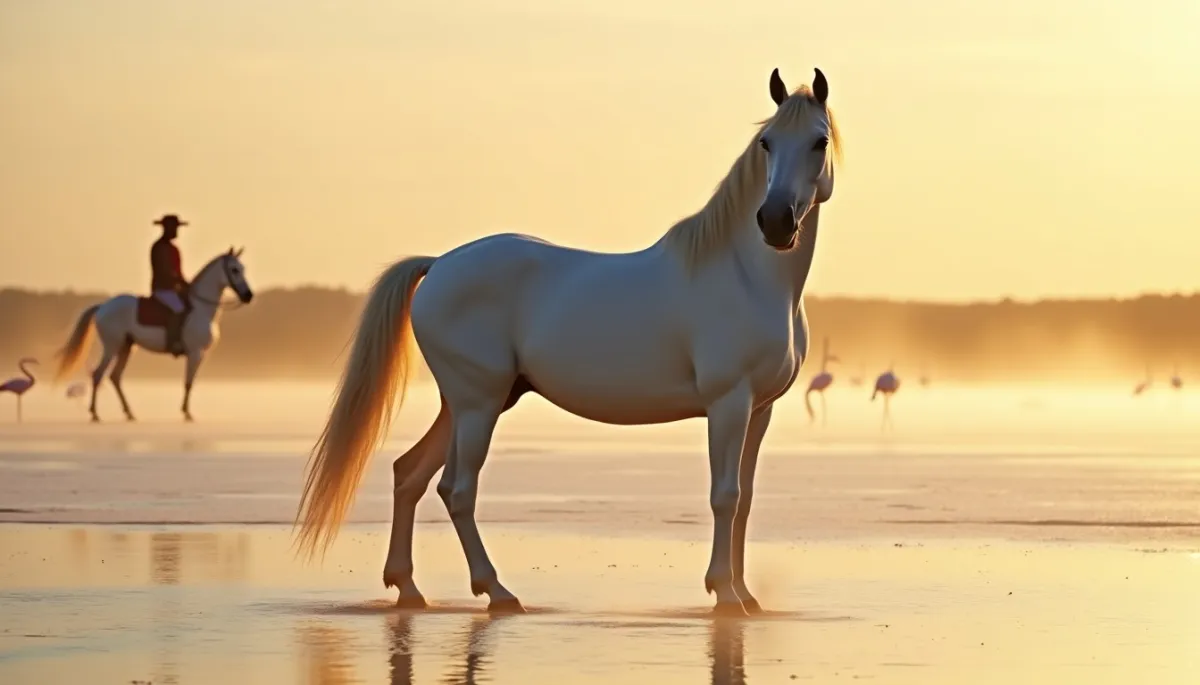
In the marshes where the Rhône meets the Mediterranean, a compact white stallion lifts his head. Across decades, breeders and gardians have shaped and protected the Camargue horse, keeping a fragile line of pure-bred stallions alive.
🚀 Key Takeaways
- Key concept : The Camargue stallion is central to maintaining the breed’s morphology and behaviour.
- Practical tip : Visit a manade in spring to see selection at work and talk to the gardians.
- Did you know : The regional park (created in 1970) supports habitat protection crucial for the breed.
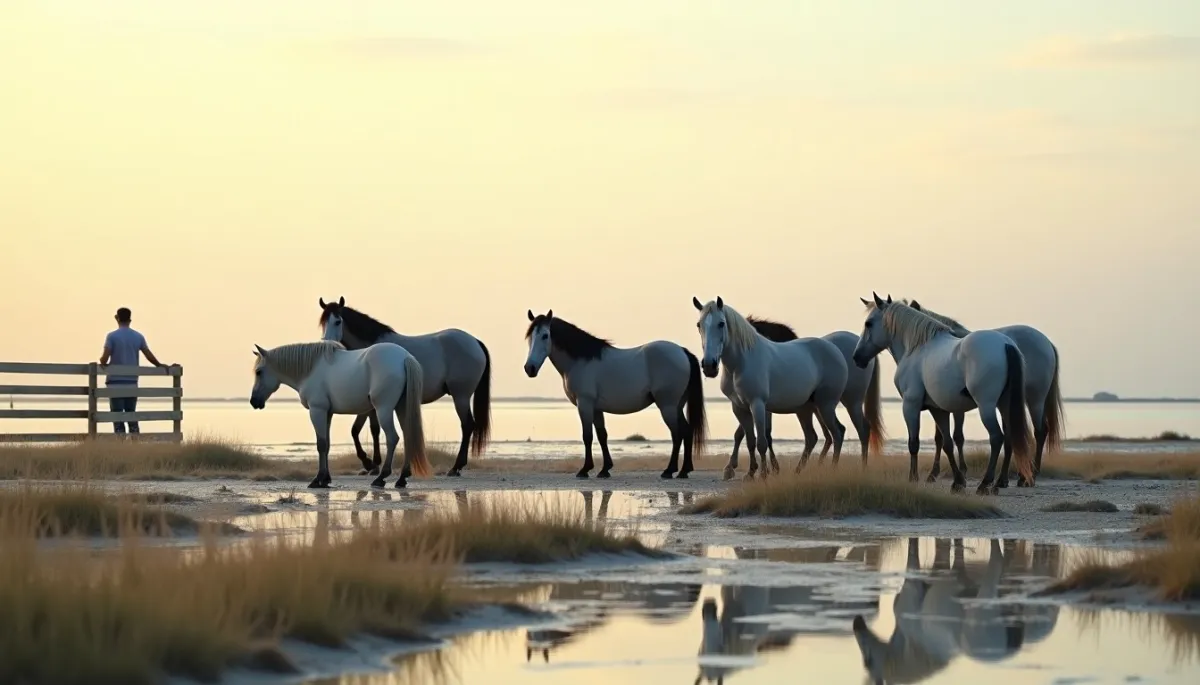
Pure white, compact and untamed in appearance, the Camargue stallion embodies the marshland. Imagine dawn over tall reeds, a herd moving like smoke across shallow water, one darker head rising, the stallion keeping watch.
dressage naturel
The Camargue stallion is not a show horse. He is measured for endurance, sound feet and temperament. Breeders prize a short back, solid cannon bones, a broad chest and that typical grey-to-white coat that appears around age three to five.
Selection happens in the manade, the traditional semi-feral herd run by a gardian. There, stallions live with mares and foals on the salt flats and reed beds. Their behaviour—protectiveness, leadership, calm under stress—is as important as conformation.
Read alsoCamargue, the French Wild West
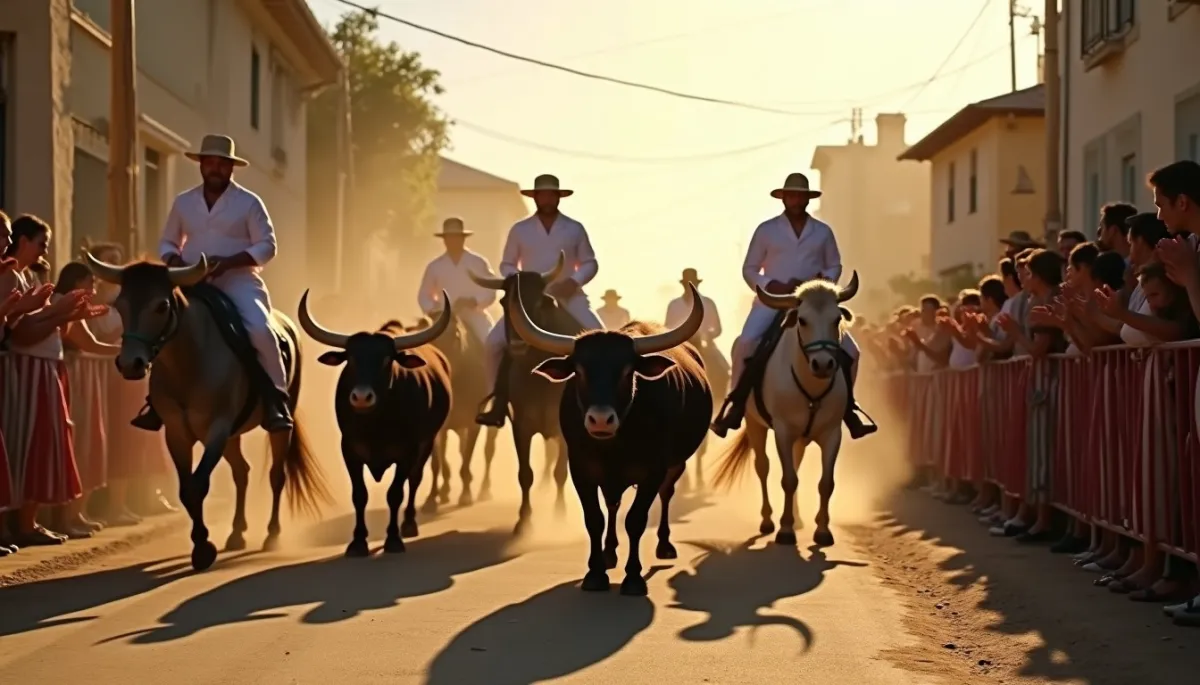
Living outdoors year-round, stallions develop hooves and joints adapted to the damp, sandy ground. A true Camargue stallion should show sure-footedness on marshy soil and the ability to follow cattle work, including abrivados and triage des taureaux (herding and sorting bulls).
les gardiens et la manade
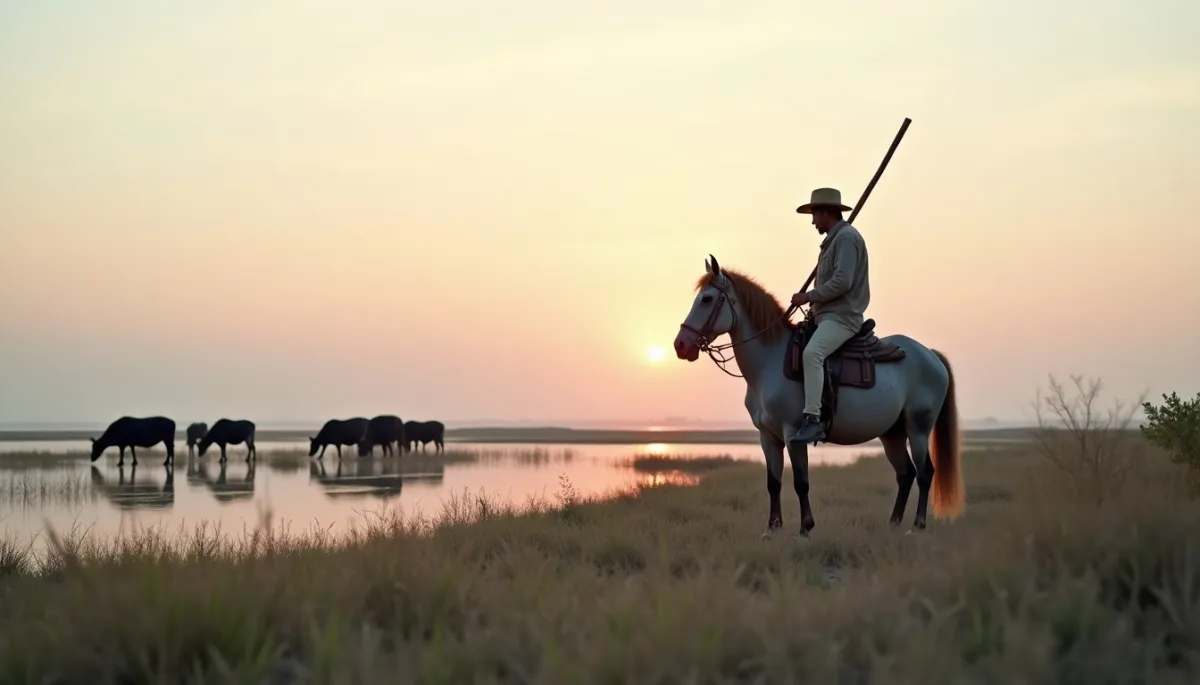
Gardians, the mounted herders of the Camargue, are the living repository of selection knowledge. Families run manades for generations; their practical criteria often predate formal stud-books. In Saintes-Maries-de-la-Mer and around Arles, manades like those that parade each summer participate in public festivals, showing the horses in real work.
Breeding choices are governed by a mix of tradition and modern rules. To be recorded as pure Camargue, a horse must descend from registered parents and meet type criteria. This protects against cross-breeding, which in the past risked diluting the breed’s hardiness and characteristic silhouette.
Practical anecdotes abound: a young stallion once chosen after months of watching his calm during a sudden bull incursion; another selected because his foals retained a rare compact head and steady nerves. These stories are part of the manade oral memory.
menaces et défis
The Camargue horse faces habitat pressure and economic change. Tourist attractions, land drainage and rising land prices can fragment grazing ground. Since the creation of the Parc naturel régional de Camargue in 1970, conservation has improved, but pressures persist.
Genetic preservation requires careful record-keeping and occasional exchange between manades to avoid inbreeding. Associations and regional bodies support this work, promoting artificial insemination when needed and monitoring bloodlines, while respecting the semi-feral management that makes the breed unique.
There are contradictions: modernization brings veterinary advances and better survival, but too much stabling erodes the horse’s natural traits. The current path favours balance, keeping stallions in the landscape where their function and character remain visible.
conseils au visiteur
To recognise a pure Camargue stallion: look for a compact, muscular build, short neck, expressive though broad forehead, and the typical grey coat. Observe behaviour—leadership without aggression, ease with cattle, calm in crowds.
Visit a manade outside high tourist season. Ask to see the herd on pasture, speak with the gardian about selection, and respect local rules: approach quietly, avoid sudden movements, and never feed horses without permission.
Finally, support local conservation by choosing guided visits that pay local gardians and by learning about the seasonal rhythms of the manade. The Camargue stallion is not a museum piece, but a living link between land, animal and culture.