Winter in the Camargue: manades resting and horse care
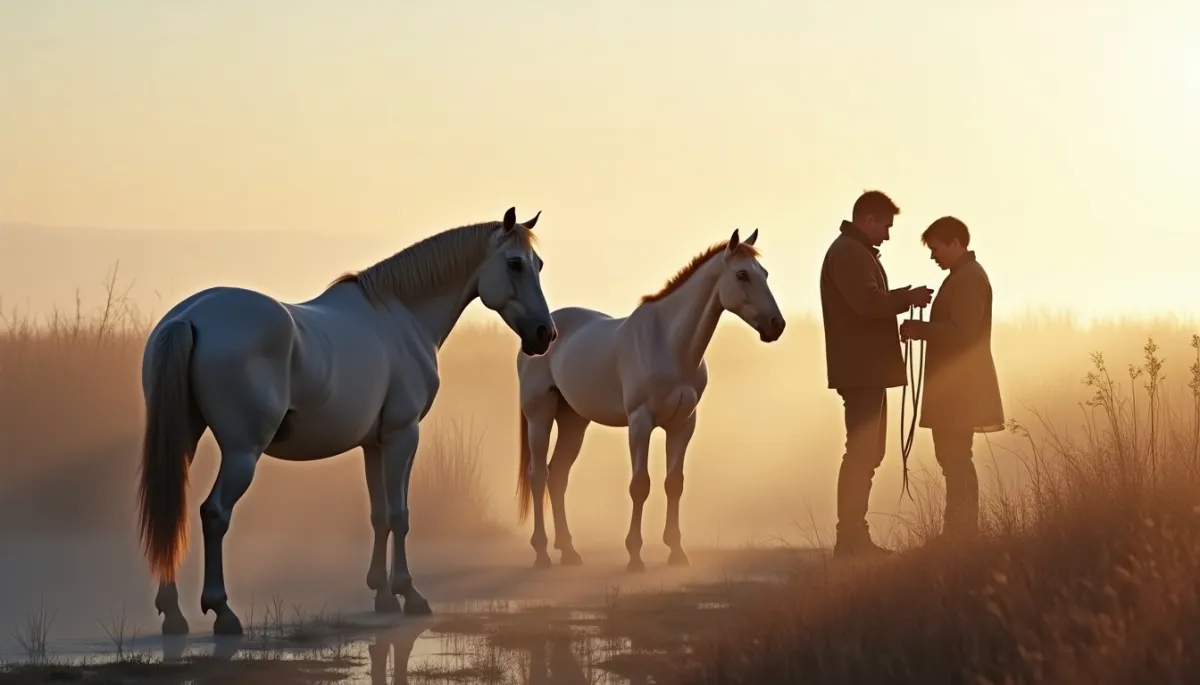
In the low light of a Camargue winter morning, white horses emerge like slow waves from the reedbeds. The manades rest, while gardians turn their attention to healing, feeding and preparing the herds for spring.
🚀 Key Takeaways
- Key concept : Manades reduce movement in winter to protect mares and young stock.
- Practical tip : Maintain regular hoof checks and routine deworming to avoid complications in cold months.
- Did you know : The Parc naturel régional de Camargue was created in 1970 and shapes modern grazing policies.
A hush falls over the marshes.
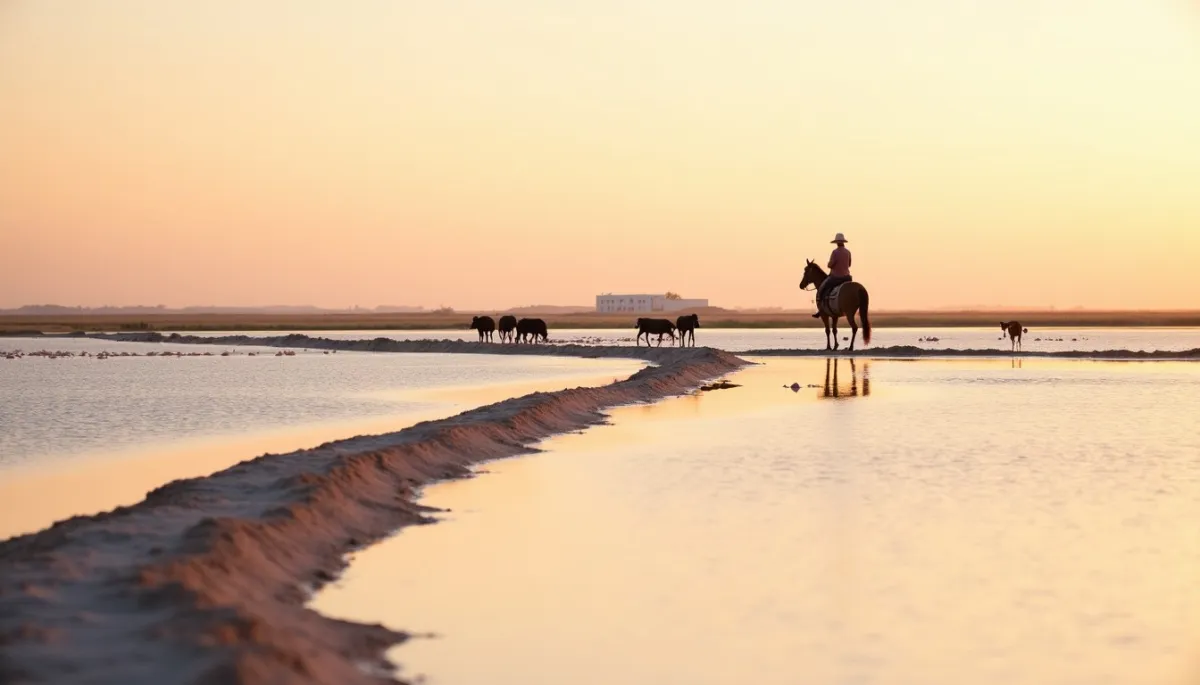
Walk beside the salt pans near Saintes-Maries-de-la-Mer on a December morning and you will see the grey horses grouped near a reed-lined ditch, steaming in the cool air. A gardian in a waxed jacket checks blankets, adjusts a halter, and inspects a foal born late in the season. The landscape is spare, but every movement is a careful calculation between weather, pasture and the well-being of the animals.
Silence et pâture
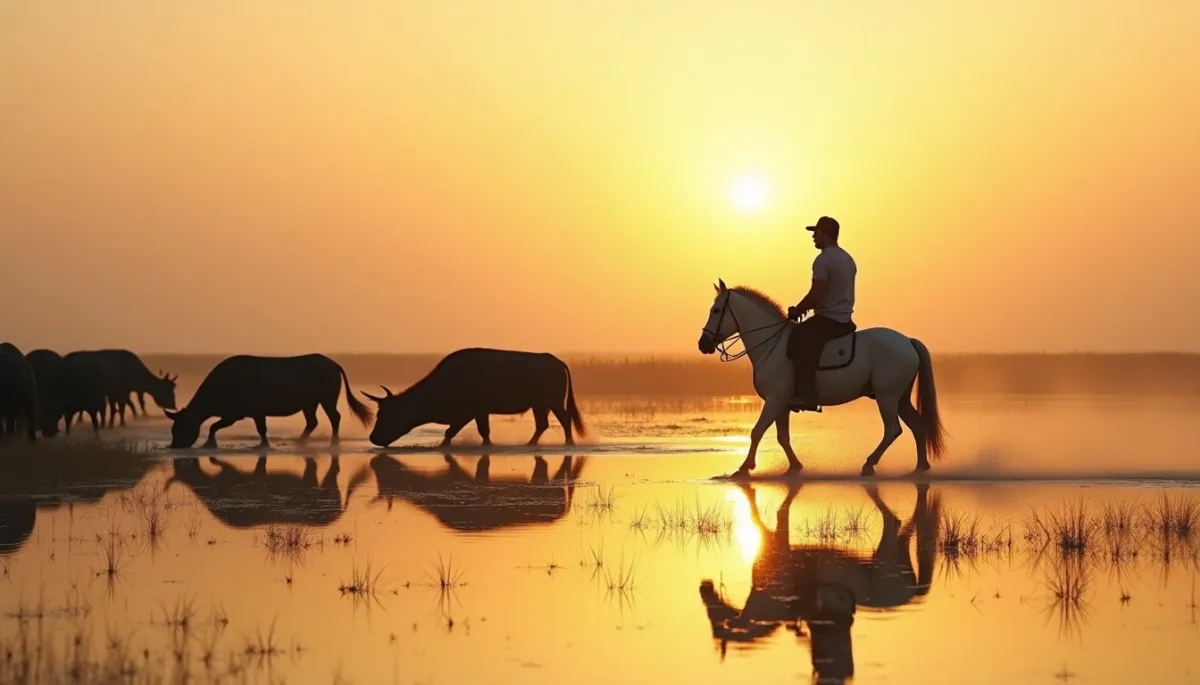
In winter, many manades reduce their roaming. The Camargue floodplains harden, fresh grass slows its growth, and managers (manadiers) prefer to keep herds on known parcels to avoid losing weakened animals in deep mud. This moderation of movement is the most visible consequence of the season.
For the horses themselves, winter brings physical changes. The Camargue horse, compact and hardy, grows a thick coat and spends more time conserving energy. Mares with late foals are sheltered closer to the mas, so the young receive regular checks. Traditional scenes of roundups thin out; stock are not driven daily as in summer.
Because of this, fodder logistics become central. Hay reserves bought in autumn are rationed. Manades often supplement grazing with barley or oats when marsh grass is scarce, a practice that requires balance to avoid digestive upsets. Gardians keep meticulous notes on consumption, particularly for broodmares and older stallions.
Routines ancestrales
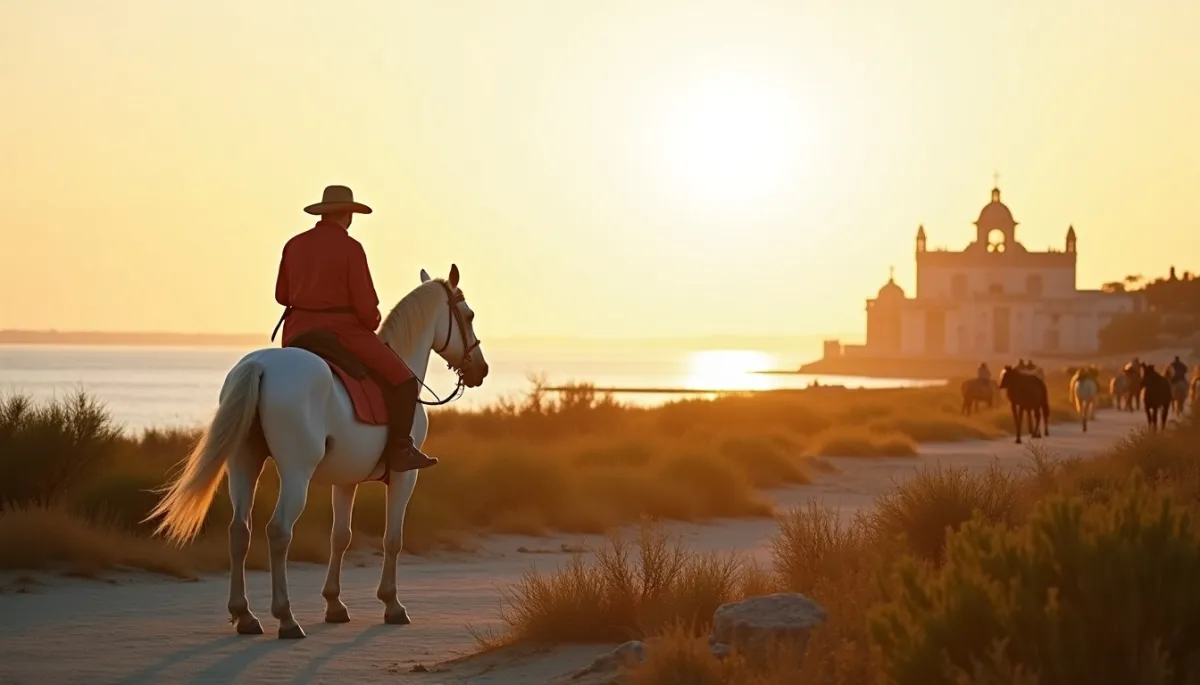
Gardians and manadiers are the human characters who carry these routines. Their expertise comes from generations working in the delta. The image of the gardian on his white horse is not only folkloric; it reflects a profession with seasonal calendars and precise tasks.
Historically, the manade system organizes free-range grazing with a responsible keeper. The Parc naturel régional de Camargue, created in 1970, reinforced rules around land use and biodiversity. Since then, many manades have adapted practices to balance tradition and environmental stewardship.
Anecdotes abound. Older gardians recount the harsh winter of 1985, when prolonged rains turned access tracks into impassable mud and forced improvised feed drops. More recent winters test manades differently, with variable rainfall and occasional cold snaps that affect spring foaling dates.
Soin et prévention
Winter is primarily a time for care. Veterinary checks concentrate on feet, teeth and internal parasites. Hoof trimming (parage) follows a schedule every six to eight weeks for animals in work, and slightly longer for mostly free-range stock, but inspections are regular to detect cracks or infections early.
Vaccination programs are timed to cover influenza and tetanus before the worst of winter. Deworming in late autumn reduces parasite load during colder months when horses graze closer together. Gardians work closely with local vets, often scheduling group visits for several manades to optimize costs.
Practical details matter: clean, unfrozen water points near grazing areas are vital, as is shelter from the mistral or driving rain. Unlike some breeds, Camargue horses are rarely blanketed; their double coat performs well, but young foals and older horses may receive light protection during severe weather.
Tradition et modernité
However, tensions exist between heritage and new constraints. Tourism around Saintes-Maries-de-la-Mer brings income but changes rhythms. Some manades offer winter visits and horse-keeping workshops. This economic diversification helps fund hay purchases and veterinary care, but it requires time and adaptation.
Environmental regulations also influence choices. To protect bird nesting and salt marsh ecology, certain grazing areas are rotated. Manadiers collaborate with park authorities to time grazing and rest periods. These decisions reflect a modern approach to an old practice: keeping the manade healthy while preserving the delta.
Looking forward, climate variability forces new strategies. Manades are experimenting with mixed forage, improved water storage and collective grain purchases. The core value remains the same: respect for the animals and for the land that shapes them. In the stillness of a Camargue winter, care is both humble and precise, an art passed from one generation of gardians to the next.
If you visit in winter, speak with a gardian. You will leave knowing that rest is not idleness. It is planning, attention and a promise that when spring returns, the manade will ride again across the delta.