Eco-tourism in a manade: Visiting without harming the ecosystem
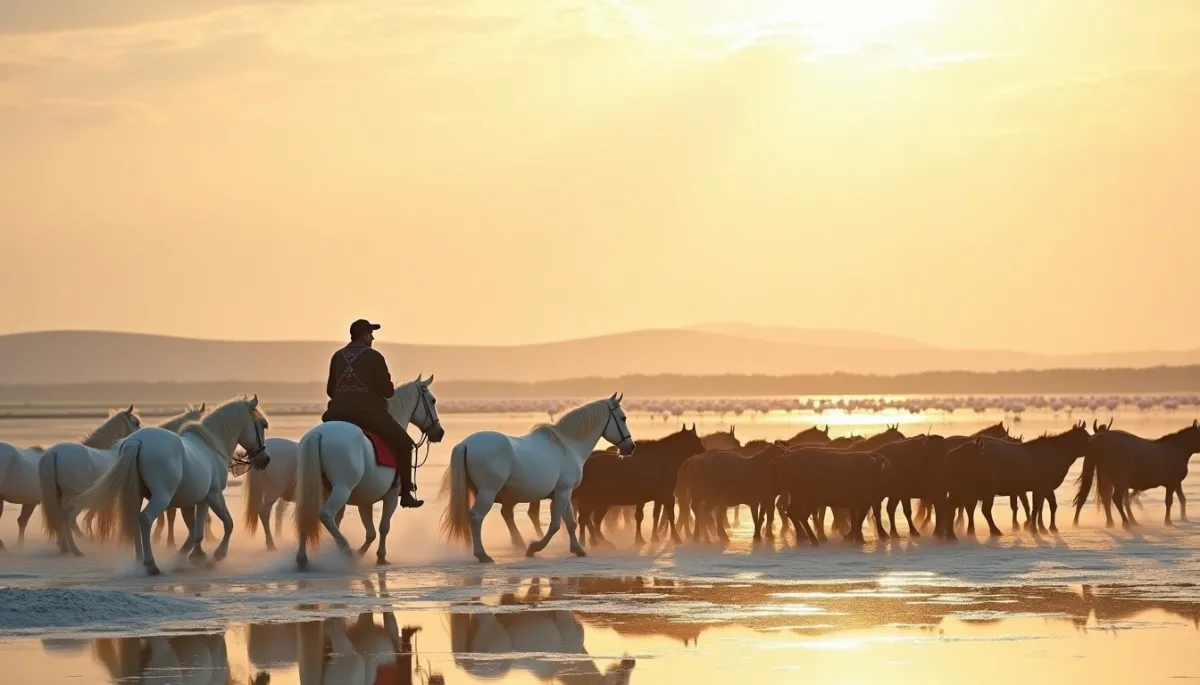
Visiting a Camargue manade can feel like stepping into a living painting, where horses and bulls roam salt marshes shaped by centuries of grazing. This guide explains how to enjoy that experience without disturbing the fragile ecosystem.
🚀 Key Takeaways
- Core concept : A manade is an extensive herd, grazed freely by mounted gardians, and its presence shapes Camargue habitats.
- Practical tip : Prefer guided visits, stick to tracks, avoid drones and visits at dawn in spring.
- Did you know : The Parc naturel régional de Camargue was created in 1970 to protect wetlands where manades play a key ecological role.
Quiet and vast. Imagine golden salt flats, a gardian on horseback, and a handful of white Camargue horses moving like brushstrokes across the horizon.
Marshes that breathe
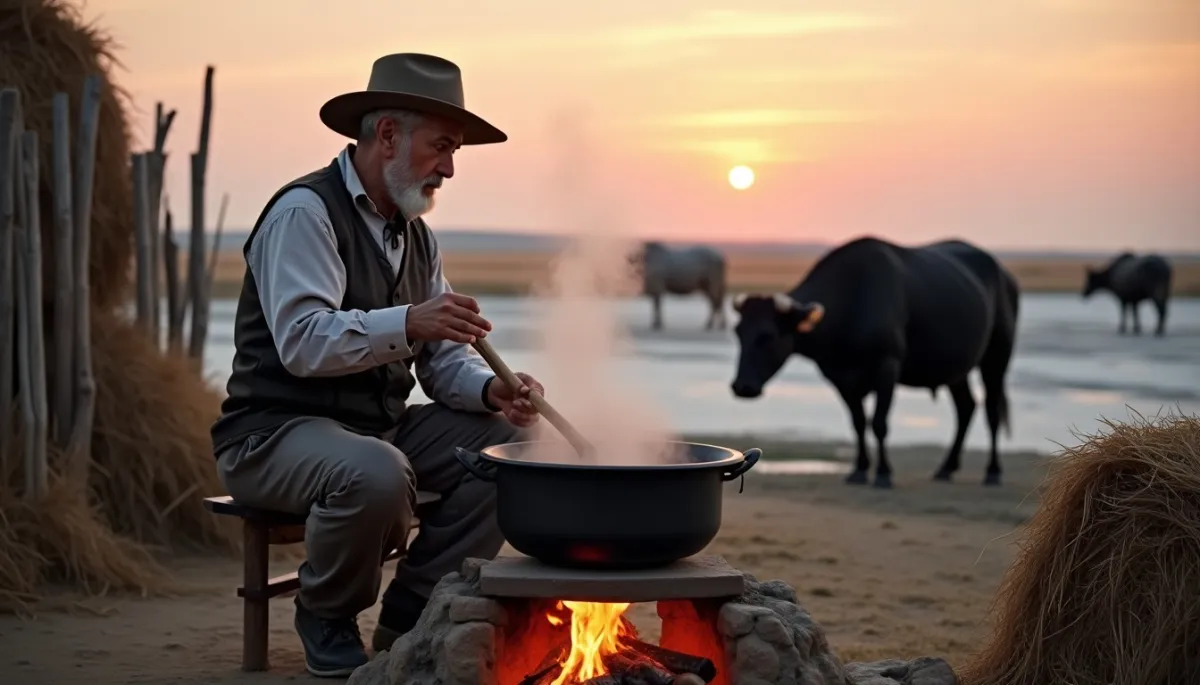
Manades are not zoos, they are working herds of Camargue cattle and horses, kept extensively on marshes, saline plains and low dunes. The word 'manade' (from Provençal) designates that free-range management, guided by mounted herders called gardians.
Since the creation of the Parc naturel régional de Camargue in 1970, public interest in these landscapes has increased. Grazing by horses and bulls helps maintain open habitats, prevents reed overgrowth, and creates a mosaic of mudflats and short grasses used by waders and flamingos.
However, these same marshes host sensitive breeding sites. Flamingos often nest from March to July, and many ground‑nesting birds raise chicks in spring. Visitors arriving too close, especially at dawn or by off-road vehicles, risk flushing birds from the nest and causing brood failure.
Gardians and traditions
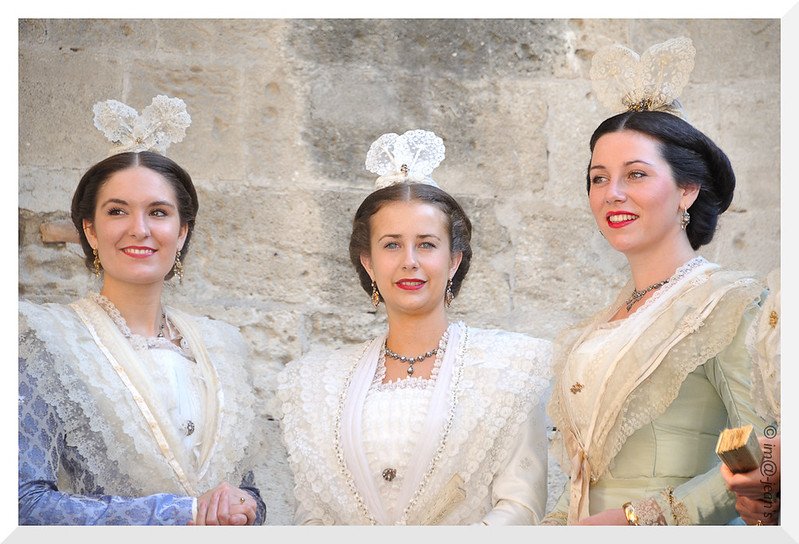
The gardians are the visible guardians of this balance. Mounted, wearing a wide-brimmed hat and typical blue jacket, they move quietly across salt plains to tend the herd and drive bulls for local fêtes. Folco de Baroncelli (1869–1943) was instrumental in reviving and promoting Camargue identity in the early 20th century, which fused pastoral life, bull traditions and nature conservation.
Many manades are family-run, some open to visitors for decades, offering demonstrations (abrivado, bandido) and short rides. These activities fund the operation of the manade, and in good practices, generate income that helps preserve grazing regimes essential to biodiversity.
Yet not every visit is equal. Large, unmanaged tourist flows, vehicle parking on salt flats, and drone flights are recent pressures. Even well-intentioned selfie-seekers can stress animals and disturb nesting birds. Responsible manades set limits: group size caps, defined routes, and visiting hours that avoid critical seasons.
How to visit, with care
Choose wisely. Prefer manades that explain their farming system and conservation approach, or book through the Parc naturel régional de Camargue networks and local guides in Saintes‑Maries‑de‑la‑Mer, Salin‑de‑Giraud or along the Étang de Vaccarès.
Timing matters. Favor autumn and winter visits for quiet panoramas and migrating birds. If you go in spring, avoid dawn and the core breeding months, roughly March to July for many species. Ask the manadier about foaling periods, typically in spring, and give mares and foals wide space.
On site, follow simple rules: stay on marked tracks, keep a low voice, do not feed or touch animals, switch off drones and loud equipment, and leave no trace. Use binoculars and telephoto lenses to observe, and bring biodegradable sunscreen and refillable water to limit waste.
Small gestures, large impact
Your presence can be beneficial. Properly managed visits fund habitat maintenance and keep traditional grazing viable. Gardians often welcome curious visitors who ask respectful questions, and many manades run educational programs for schools and families.
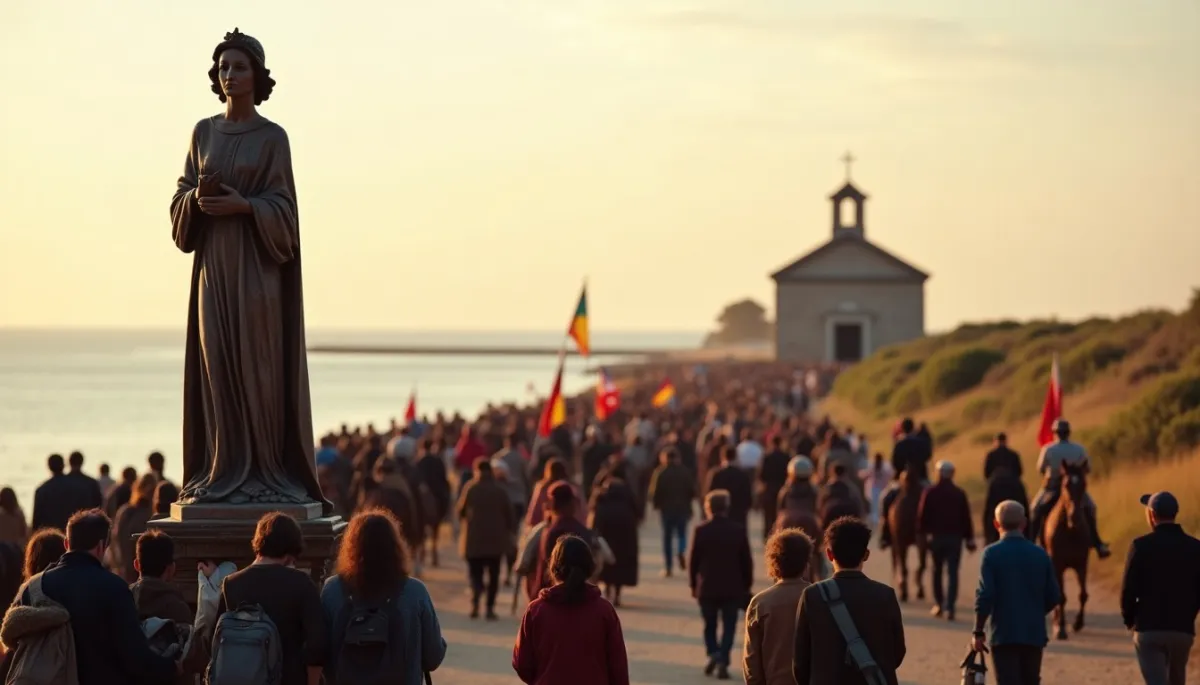
Respect local rhythms: attend a controlled abrivado or course camarguaise rather than trying to approach bulls in the field. These spectacles are scheduled during local fêtes, often in May in towns like Saintes‑Maries‑de‑la‑Mer, and are managed to protect herd health.
Finally, become an advocate. Share what you learned about the role of extensive grazing in wetland conservation, talk about visiting seasons and simple on-site rules. A thoughtful visit preserves the sensation of that first wide horizon, for you and for the next generation.