Eco-tourism in the manade: visiting without disturbing the ecosystem
In the hollow of the Rhône, where salt, reed and sky meet, manades keep an ancient rhythm. Visiting them calls for curiosity, and for restraint.
🚀 Key Takeaways
- Core concept : A manade is both a herd and a way of life; respect the animals and their habitat.
- Practical tip : Choose guided visits, stay on tracks, avoid drones and feeding animals.
- Did you know : Folco de Baroncelli founded a movement to protect Camargue traditions in 1909.
Breathe slow. The reed sways, and horses lift their heads like small islands of movement.
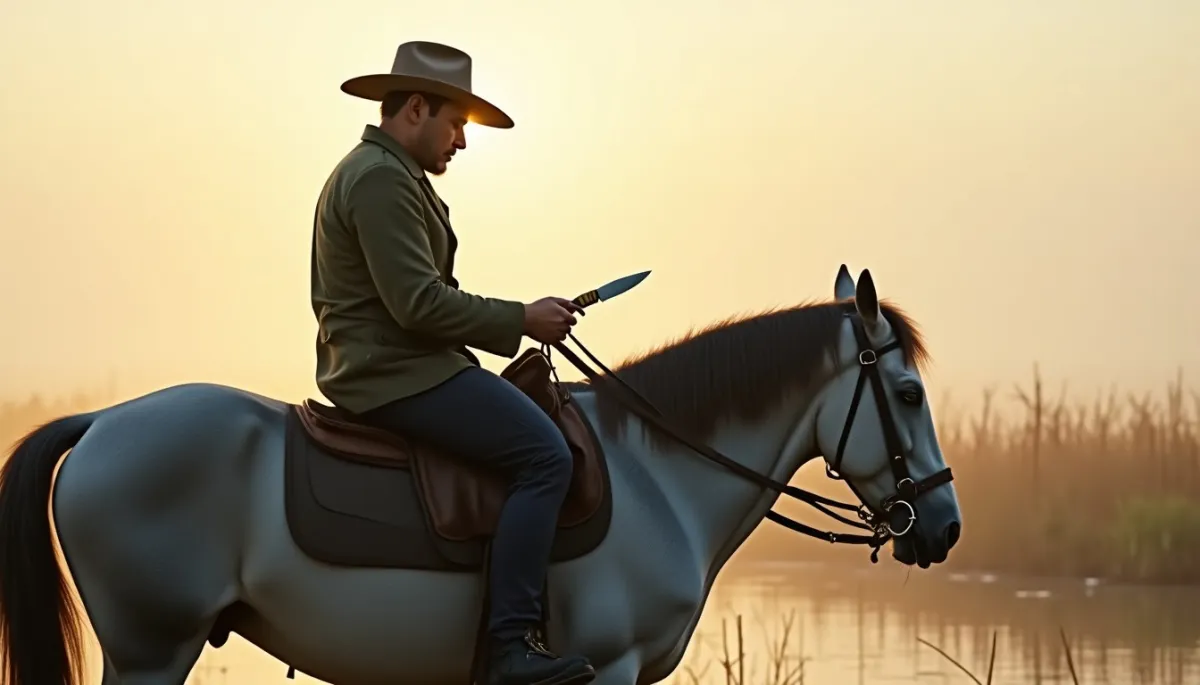
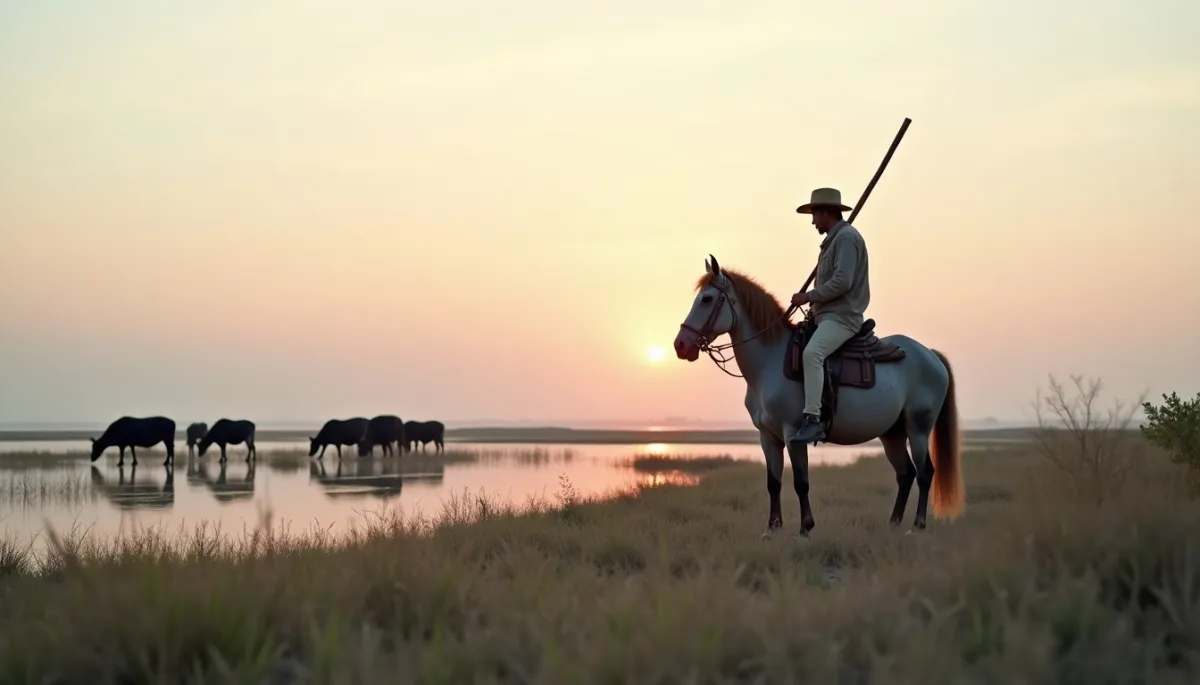
Along the canals near Saintes-Maries-de-la-Mer a gardian steers a small group of visitors onto a sandy track. The sun is horizontal; white horses—chevaux de Camargue—browse while a bull stands in the distance. That scene is what many come to see, but it is fragile. Wetlands, breeding herds and migratory birds share the same narrow margin between land and sea.
Bottes et marais
When visitors rush into a manade without rules, consequences pile up. The first is behavioral stress in horses and bulls. Loud noises, sudden approaches and dogs off-leash force animals to flee, injuring foals or trampling sensitive vegetation.
Second, trampling and off-track driving crush salt marsh plants that stabilize soil and provide food for birds. Camargue flamingos and waders rely on shallow salterns and reedbeds; disturbance during nesting or migration can push them to abandon feeding grounds.
Finally, poorly managed visits spread litter, introduce seeds of invasive plants on shoes, and concentrate pressure on access points. Local authorities and manadiers sometimes close paths after repeated damage, reducing visitor experience for everyone.
Le temps des hommes
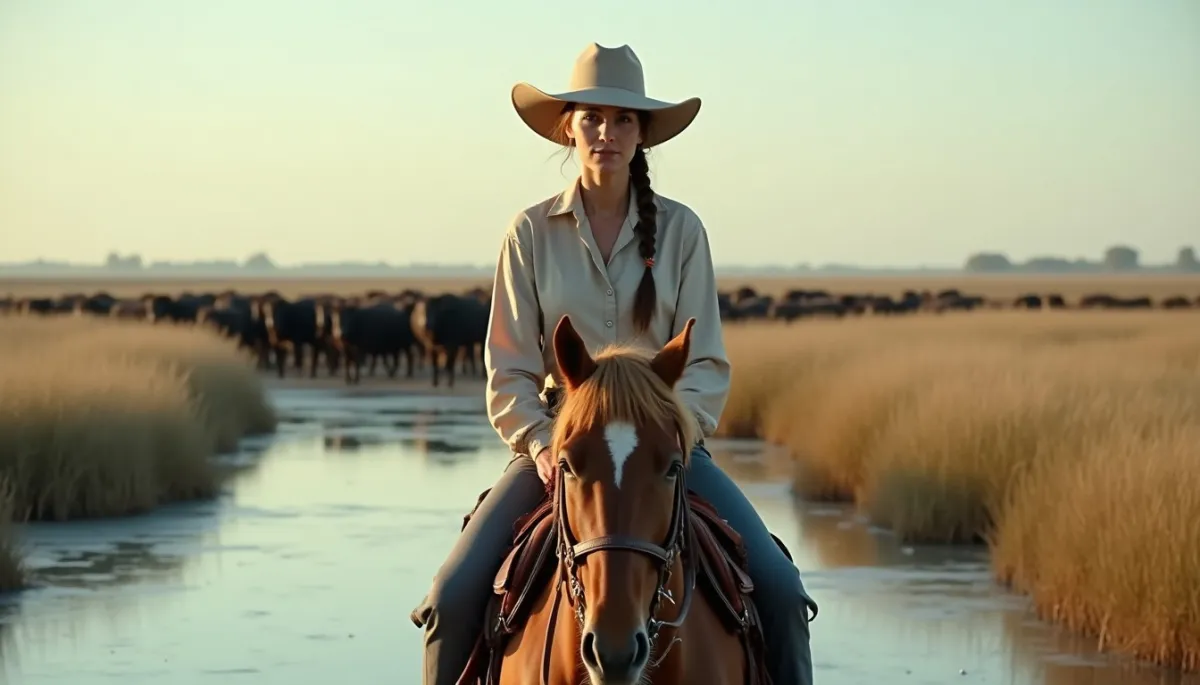
To understand why pressure has increased, look at who runs a manade. The manadier manages a manade: an extensive herd of Camargue horses and cattle raised in semi-wild conditions. Gardians are the mounted herdsmen who care for them. This tradition was popularized by Folco de Baroncelli in the early 20th century; he helped found the Nacioun Gardiano in 1909 to defend local customs.
Since the 1970 creation of the Parc naturel régional de Camargue, the territory has been protected, but tourism grew rapidly from the 1980s onward. The arrival of itinerant visitors, 4x4s, recreational drones and unregulated boat tours in the 2000s amplified impacts. Climate change and rising sea levels add another layer of fragility to the delta's salt flats and dunes.
Economics also play a role. Many manades depend on visits for income, especially outside breeding seasons. This creates a tension: open the gates to survive, or limit access to protect habitat. The best manadiers try to reconcile both, by offering low-impact experiences and channeling benefits to territory conservation.
Pas à pas
There are practical, immediate ways to visit a manade without harming it. First rule, ask and listen. Visits are often private land; approach a manadier, book a guided tour and follow instructions. Manadiers know the calendar: spring is for foaling, and some areas must remain quiet then.
Keep distance. Use binoculars, remain on marked paths and do not chase animals. Never feed a horse or a bull: human food alters diets and behavior. Avoid drones and loud music. For photographers, a long lens keeps animals calm and yields better images than intrusive closeness.
Support sustainable offers. Choose guides who limit group sizes, use existing tracks, and reinvest part of the fee into habitat restoration. Favor electric boats or walking tours rather than noisy motorboats. Finally, leave no trace: take your waste, clean your boots and respect closure signs; the Camargue is protected for good reasons.
Conseils pratiques
When planning a visit, consider times and transport: early morning or late afternoon are cooler for horses and richer for birdwatching. Bring neutral clothing, binoculars, water and a small first-aid kit. If you ride, use manade-approved tack and ride at the guide's pace.
Learn a few words: 'manade' (herd), 'manadier' (herd manager), 'gardian' (mounted herdsman), 'course camarguaise' (bloodless bull game). Understanding terms helps build respect and conversation with hosts.
Finally, vote with your feet. Encourage policies that protect access while funding conservation. Small choices—staying on tracks, refusing drone shots over nests, paying for a guided ride—add up to keep manades alive for future generations.
The Camargue's manades are a living landscape. Visit them to learn, not to possess. In return, they will reveal a way of life where horse, herdsman and wetland endure together.