The Camargue bull AOP: Secrets of exceptional meat
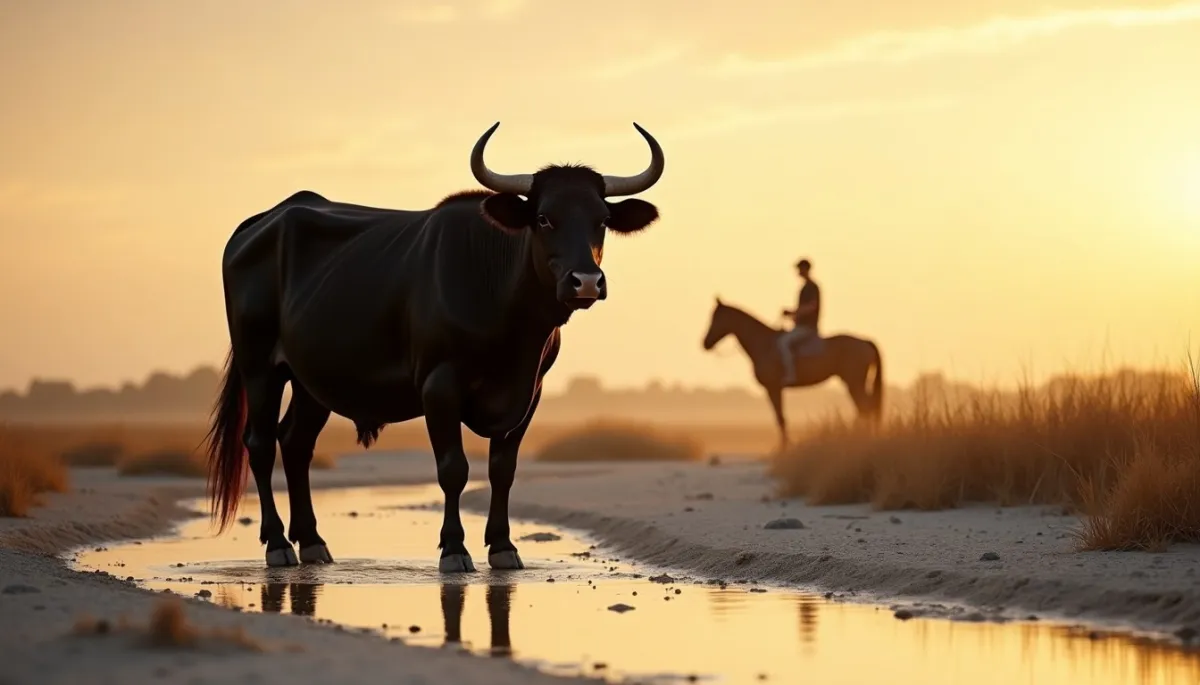
In the saline light of the Camargue, a black bull grazes alone on the marsh. The label AOP seals a century-old link between land, animal and people.
🚀 Key Takeaways
- Core concept : The Taureau de Camargue AOP is a geographically protected product, tied to extensive rearing on Camargue marshes.
- Practical tip : Cook it slowly, think gardiane style (long braise), or slice thin and grill briefly to preserve flavor.
- Did you know : Guardians (local mounted herders) and manades (herds) are central to traceability and tradition.
Close your eyes and smell the salt and reed. A single bull, black and compact, stands against the horizon: this is the Camargue.
From marsh to table
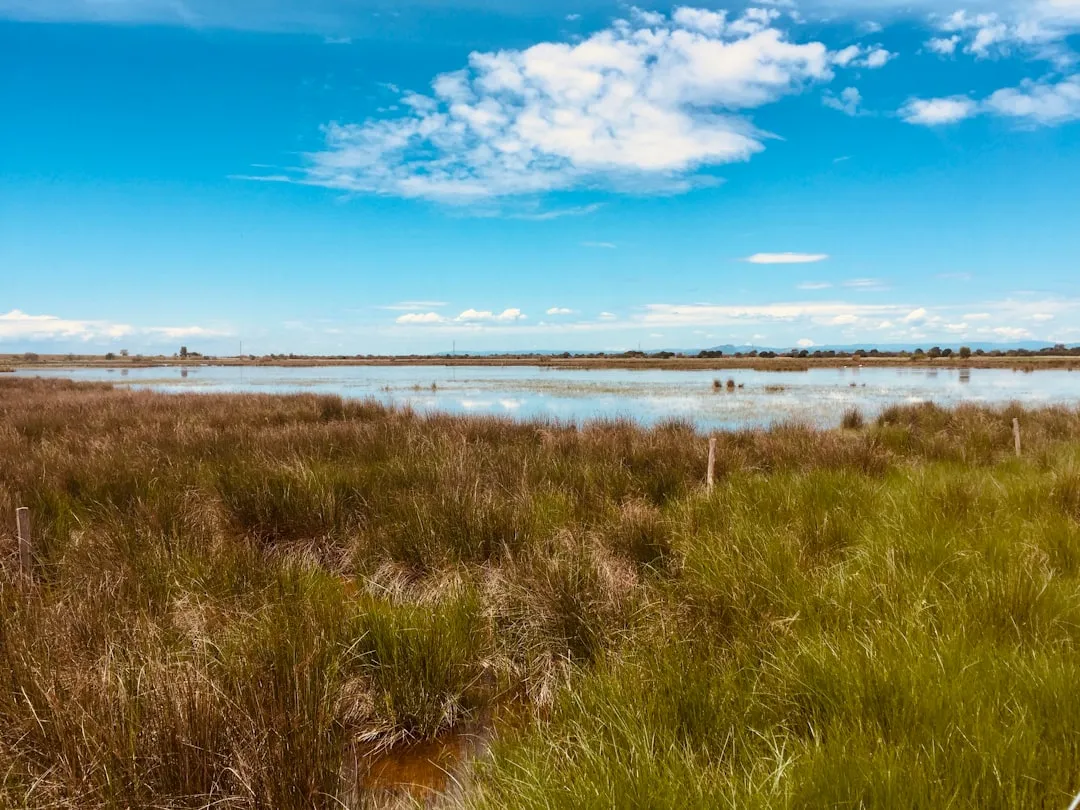
The Taureau de Camargue AOP is not just a cut of meat. It is the result of a landscape, the Rhône delta, where freshwater meets the Mediterranean and creates salty prairies that shape the animal's flesh.
These bulls are raised in manades (extensive herds) under the care of gardians, the mounted herders of the Camargue. They graze freely on grass, reeds and salt-tolerant plants, which gives the meat noticeable mineral and aromatic notes.
Traceability is strict: the AOP requires that animals are born, raised and slaughtered according to a defined specification (breed type, grazing practices, identification). This link terroir/animal is what chefs and butchers praise when they mention the AOP label.
Terroir et traditions
The human story is as important as the landscape. Folco de Baroncelli and other local figures popularized Camargue traditions in the early 20th century, helping to fix a cultural identity around horses, gardians and bulls.
Manades remain mostly family-run. A manadier leads animals across the marshes according to seasonal cycles, respecting low stocking densities and natural pastures. This is extensive farming in its purest form, with minimal concentrate feed.
Beyond romantic images, this way of life matters for quality. Slow growth, varied forage and the muscle development linked to roaming produce a lean, dense and flavorful meat, different from intensive beef breeds.
Cooking the Camargue
In local cuisine the bull is king in gardiane de taureau, a slow-cooked stew with red wine, olives and herbes de Provence. The recipe emphasizes long, gentle braising to soften fibers and concentrate taste.
For modern preparations, chefs often recommend thin slices grilled briefly for a rosé interior, or short ageing (maturation) to enhance tenderness while preserving the rustic, gamey aromas.
Pairings are regional: a robust red from Costières de Nîmes or a hearty Côtes-du-Rhône will complement the meat's depth. Serve with Camargue rice to echo the terroir.
Why it matters
The AOP protects not only a taste but a farming model. In a world of industrial meat, the Taureau de Camargue stands as an example of how landscape, animal behavior and human expertise combine to create a distinct product.
Economically, the label supports small manades and the local economy: tourism, equestrian culture, salt and rice production are all parts of the same mosaic that benefits from the recognition.
Ecologically, the extensive grazing helps maintain open habitats that are vital for migratory birds and biodiversity in the Camargue. The bull, in a way, is a working actor of the wetland ecosystem.
Challenges and futures
Yet questions persist: climate change modifies marsh hydrology, market pressures push for volume, and young breeders sometimes hesitate to continue traditional practices. Maintaining the AOP's rigor is therefore essential.
Innovation appears in complementary ways: some manades combine direct sales, seasonal farm dinners and educational visits to reconnect consumers with provenance and method.
For the gourmets and travelers, the advice is simple: visit a manade, meet a gardian, taste a well-made gardiane and compare. You will then understand why the AOP matters beyond a sticker—it tells a story of place.
Practical tip: when buying, look for clear labeling, ask the butcher about the manade, and favor slow cooking or quick searing of thin cuts to respect the character of the meat.