Eco-tourism in manade: visiting without disturbing the ecosystem
Visiting a manade in the Camargue is an invitation to a living landscape where horses, bulls and reedbeds meet the sea. To keep it that way, visitors must learn simple, respectful codes.
🚀 Key Takeaways
- Core concept : Manades combine extensive grazing and wetlands, and tourism must adapt to their rhythm.
- Practical tip : Choose small-group visits, stay on tracks, do not feed or approach animals.
- Did you know : The Parc naturel régional de Camargue was created in 1970 to protect this unique mosaic of habitats.
Light, wind, and the soft clatter of hooves on saline soil.
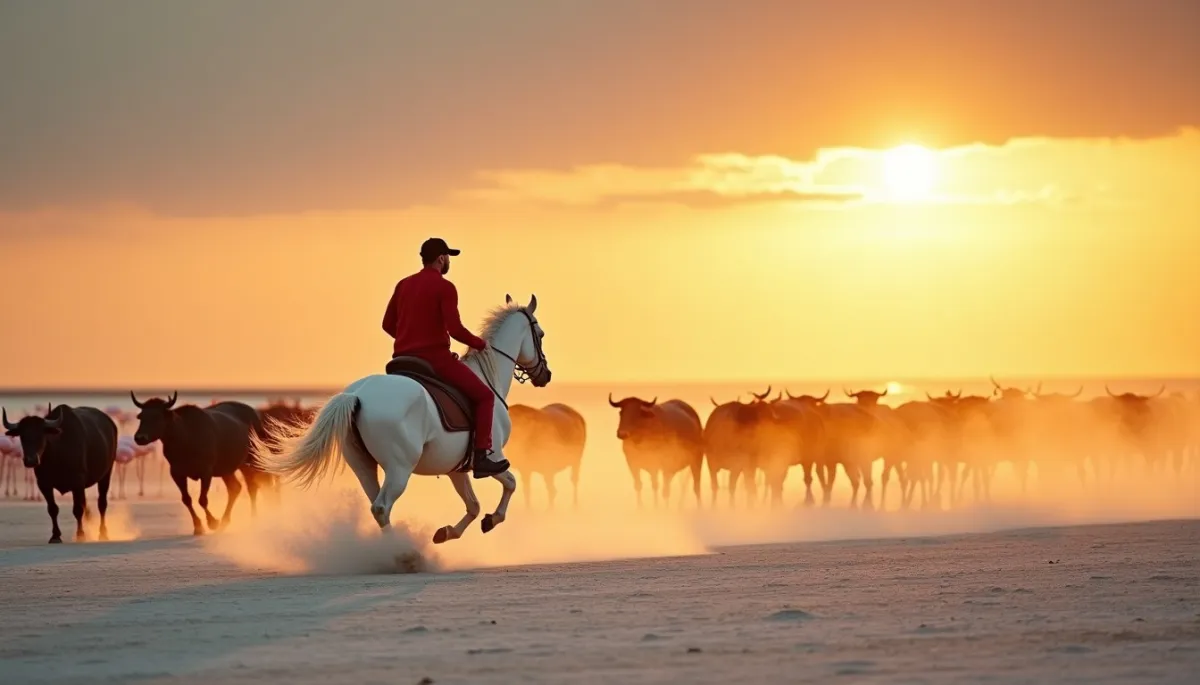
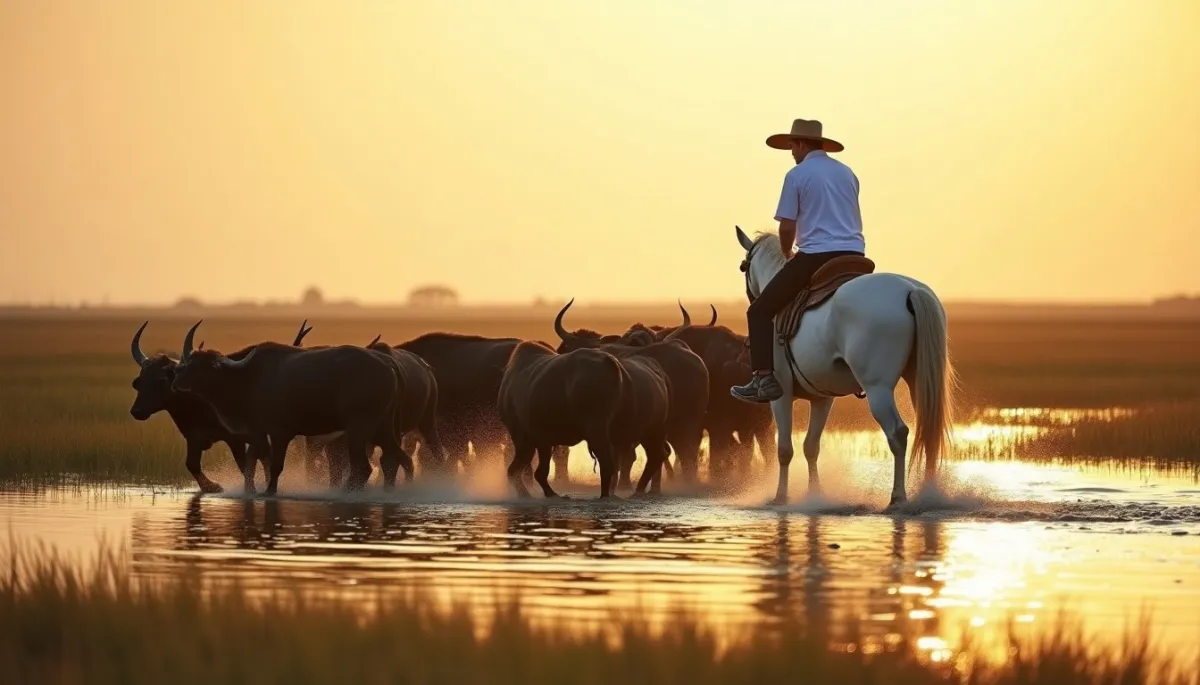
You catch that smell of brackish water and cut hay, and the white Camargue horses appear like moving islands in the marsh. A gardian guides you along a raised chemin, his voice low so as not to startle a foal. That quiet is fragile, and how we behave in this hour decides if the scene will last.
Au fil des manades
Manades are family-run herds of Camargue horses and bulls, managed extensively on the delta's marshes and salt flats. The term itself traces its roots to Provençal and describes an animal group grazing freely, usually under the care of a manadier and his gardians.
Read alsoCamargue wines and terroirs
Famous manades, like those around Saintes-Maries-de-la-Mer and the Petite Camargue, balance tradition and conservation. The gardian, mounted on small, sturdy Camargue horses, carries skills passed down through generations: working livestock, reading tides, and anticipating storms.
Since the creation of the Parc naturel régional de Camargue in 1970, many manades have opened to visitors as a way to finance grazing practices that maintain open habitats for birds and plants. Tourism here is therefore not neutral; it funds and shapes land management.
Traces et impacts
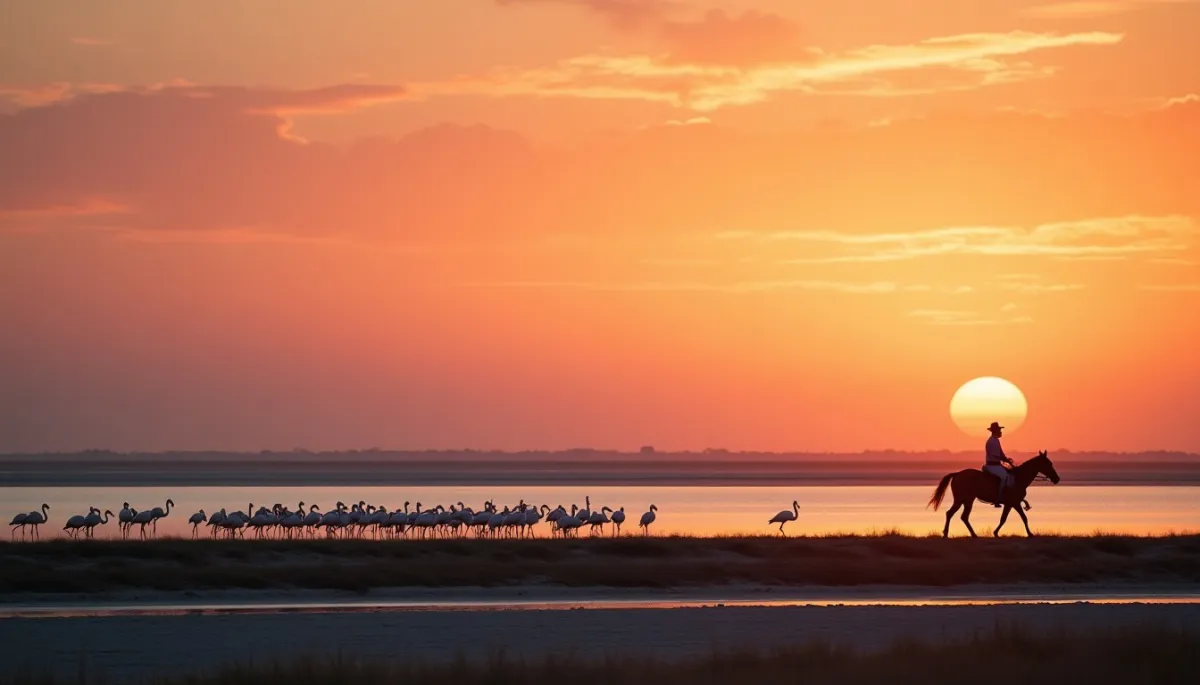
The presence of visitors leaves traces. Off-track walking compacts soil, disturbs nesting flamingos and waders, and can fragment reedbeds that serve as nurseries. Vehicles driving on salt flats damage the surface crust and harm invertebrate communities important to birds.
Conversely, responsible visits support conservation. Fees and guided tours pay for water management, herd vaccinations, and the upkeep of raised paths that concentrate foot traffic. Many manades practice rotational grazing to avoid overuse, a method that actually increases plant diversity when applied correctly.
An anecdote from recent years: when a popular manade opened daily jeep tours without limits, trampling and disturbance rose, forcing a temporary closure. The lesson was clear, and the owner restructured visits into smaller, timed groups with a local guide.
Pourquoi veiller
Tourism pressure has grown since the 1990s, with summer peaks in the seaside towns overflowing into the marshes. Climate change is compounding the issue, altering freshwater inputs and increasing salt intrusion, which changes grazing patterns and the availability of safe nesting sites.
Economic realities push some manadiers to diversify with more frequent visits and events. When mismanaged, these activities can turn a conservation ally into a stressor for wildlife. That is why rules matter: they preserve both the manade's livelihood and the ecosystem services it provides.
Choosing whom you support matters. Prefer manades affiliated with the Parc, or labelled by farm tourism networks like Accueil Paysan. These producers are more likely to follow biodiversity-friendly practices and to reinvest tourism revenue into the land.
Règles pour entrer
Before booking, ask whether the visit limits group size, follows fixed paths and offers a naturalist guide. On site, keep your distance from animals, at least 20 to 30 meters when possible, and never feed horses or bulls. Dogs should remain on a leash and ideally be left at home during nesting season, from March to July.
Stay on raised chemins, avoid trampling reed edges, and do not cross wet, sensitive areas even if they look dry. Photograph quietly, without flashes or loud noises. If a gardian gives instructions, follow them; these are not rules of etiquette only, they protect calves, breeding birds and fragile soils.
Finally, visit out of peak hours, support local products, and consider volunteering for a day of reed restoration or water monitoring. Small acts of care add up and make eco-tourism in manade a true partnership between visitors and the land.
Seen this way, a manade is not a spectacle but a shared responsibility. Respect preserves the salt light, the horses, and the silence; and it lets the next visitor find the same first glimpse of white horses against the marsh, unchanged.