Family transmission in the manade: how young people take up the torch
In the salt wind of the Camargue, family manades reinvent succession. Young heirs combine ancestral horsemanship and modern training to keep herds on the marshes.
🚀 Key Takeaways
- Key concept : Family-run manades pass on a living craft, the gardian tradition.
- Practical tip : Combine a formal agricultural diploma (BPREA or CAPA) with on-the-ground apprenticeship.
- Did you know : Camargue horses are born dark and gradually turn gray, a visible sign of continuity in the stables.
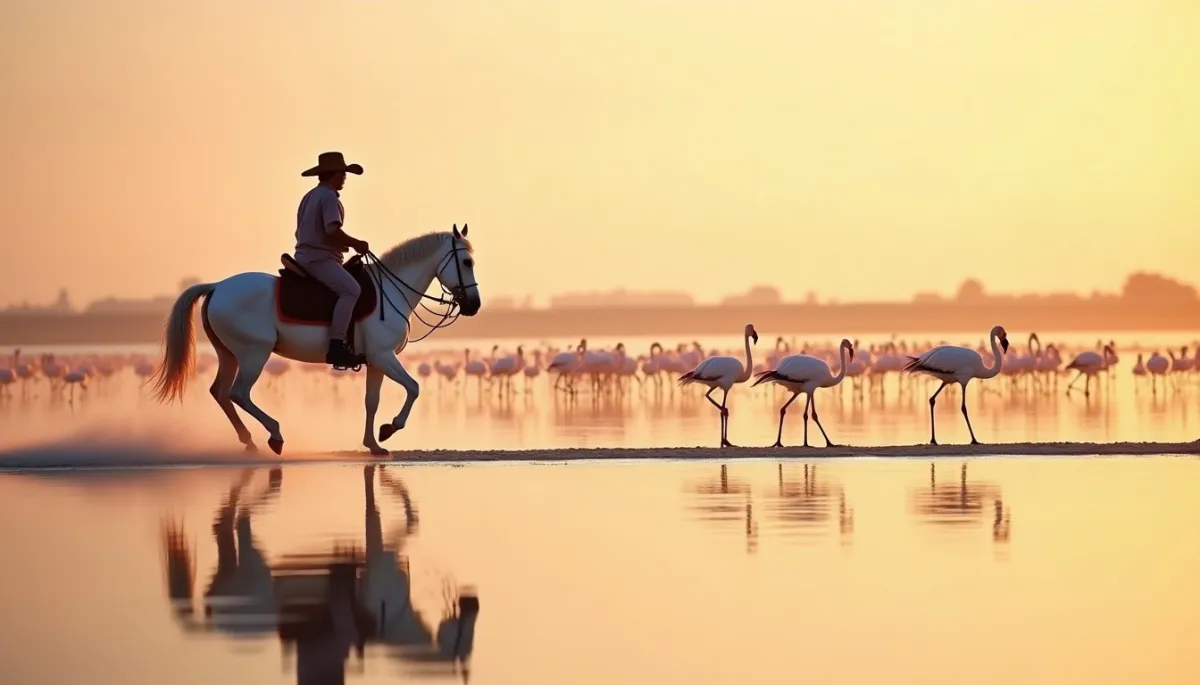
Light on the marsh, hooves print the earth and a young hand tightens the rein. The scene is both old and new.
Héritage vivant
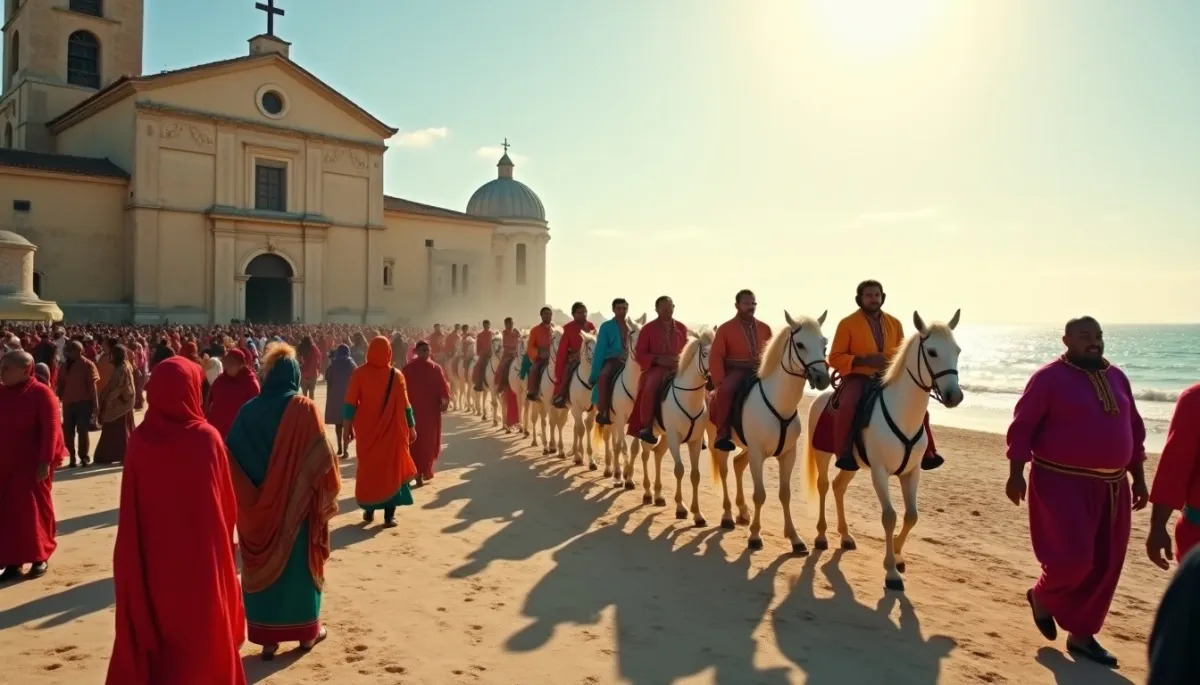
Families in Arles, Saintes-Maries-de-la-Mer and along the Rhône bank still speak the same language of salt, horse and herd. Gardians, the mounted cattlemen of the Camargue, manage manades, free-ranging herds of bulls and horses that define the landscape. These manades are often family-owned for generations, where skills are transmitted by watching, doing and listening.
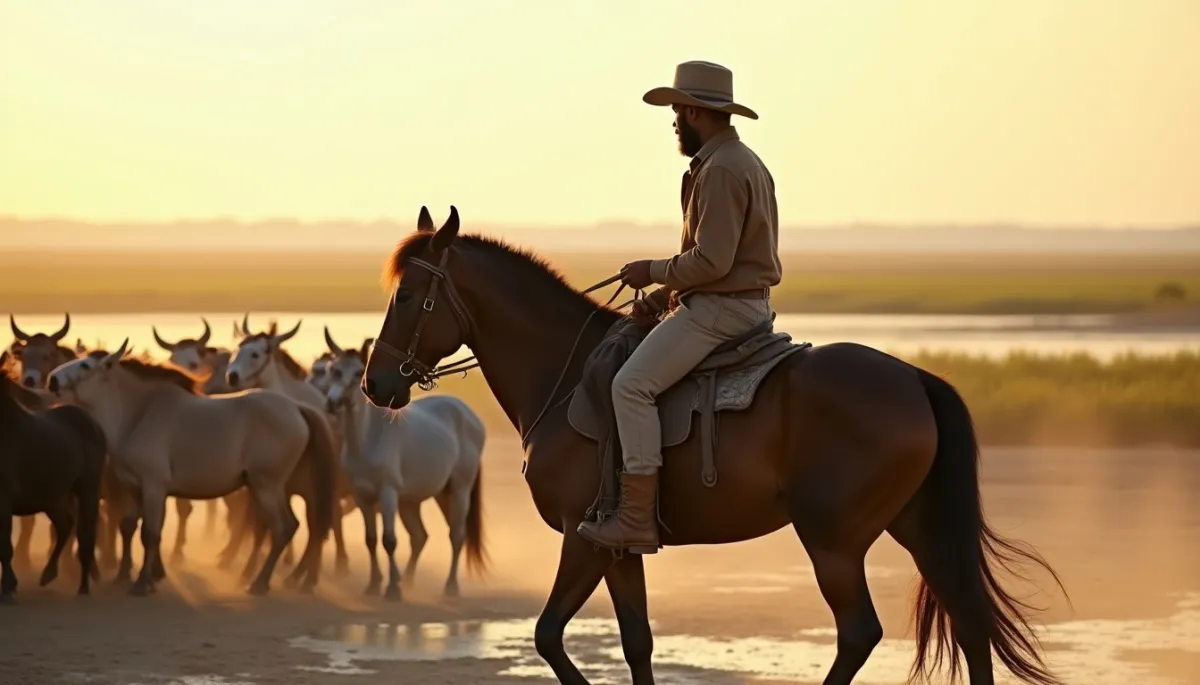
Take the morning at La Garde, when the herd crosses the marsh to reach fresh grass. A son in his thirties leads the group, sometimes guided verbally by the father who watches from the threshold of the mas. That daily choreography is a teaching method as much as a work routine.
Read alsoWhy the Camargue still captivates
Names change rarely, but roles do. In many manades, the official title of manadier stays with the family even if the younger generation adapts the business model, adding tourism stays, photo workshops and artisanal meat production to stabilise income.
Transmission concrète
The practical transfer of a manade combines legal steps, training and ritual. Legally, the takeover involves land, animals and tools, but the core is human : the savoir-faire mounted on horseback. Many heirs choose to obtain a CAPA (Certificat d'aptitude professionnelle agricole) or a BPREA (Brevet professionnel responsable d'exploitation agricole) to formalise their competence and access subsidies.
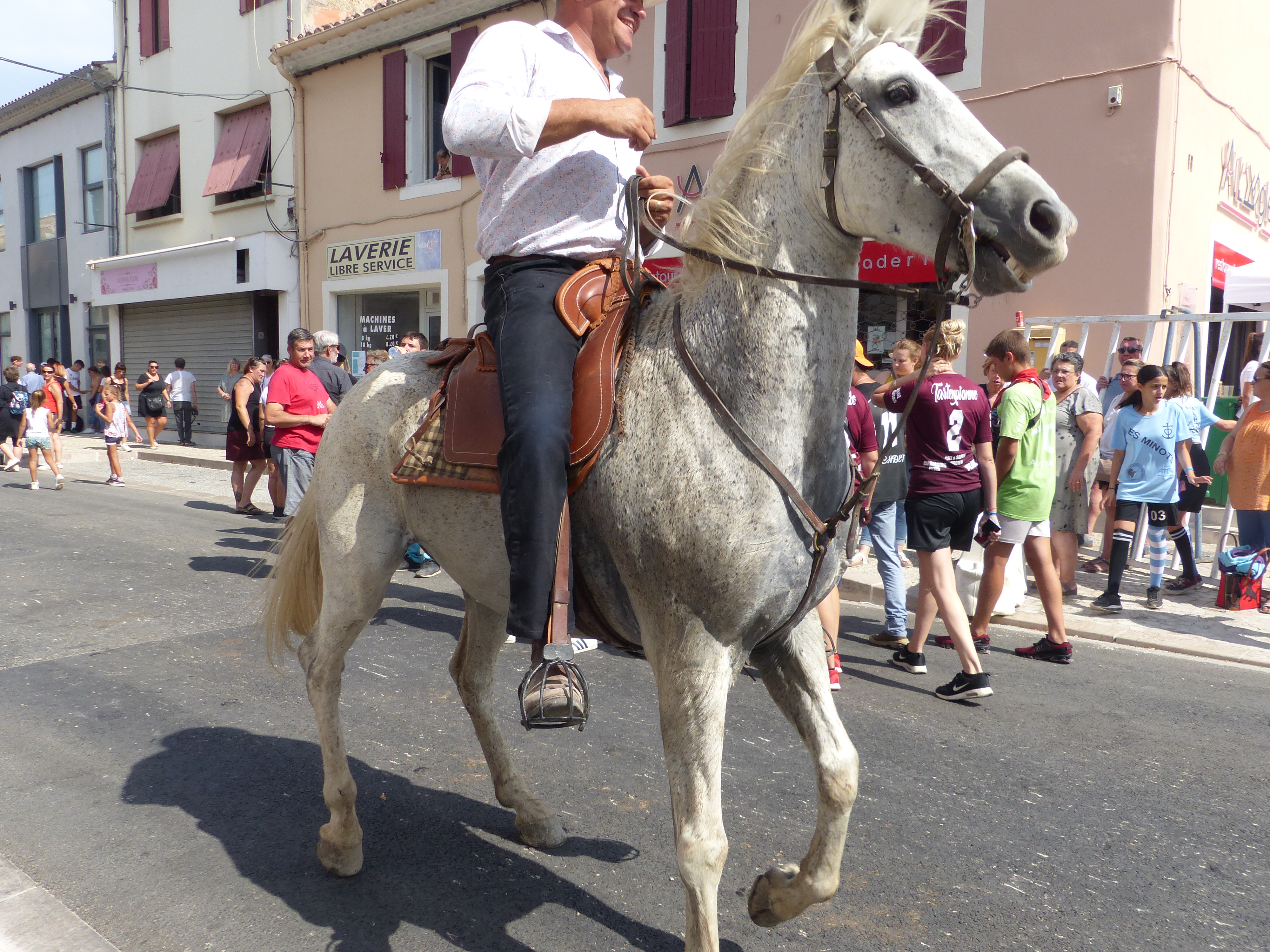
Apprenticeship still matters. Young people spend years following a senior gardian, learning to read the herd, to perform abrivado and bandido safely, and to select bulls for course camarguaise. Practical skills include veterinary first aid, fence repair, bridle making and the seasonal knowledge of marshes, where water and salt change routes year to year.
Stories circulate of daughters or grandsons taking the reins after intense seasons. One account from the 1990s tells of a 24 year old who, after training in Toulouse and a year with a neighbouring manade, returned to restructure the farm business and kept the herd through a severe drought.
Pressions et adaptations
The young inheritors face economic and environmental pressures. Rising land costs, tourism demands and regulatory constraints complicate the simple continuity of a manade. In response, many young manadiers diversify. They host riding experiences, offer guided walks to photographers, sell branded beef boxes or organise small festivals that link local communities to tradition.
Technological change appears too. GPS for pasture management, social media to promote stays, and simple herd-tracking apps enter the mas. Yet these tools do not replace the essential: the eye of someone who knows when a mare is in foal, or when a bull must be separated for safety.
At the same time, cultural expectations evolve. Women increasingly lead manades, and urban-born partners bring new networks. These shifts renew traditions rather than erase them, but they also require careful negotiation within families who value continuity.
Conseils pour reprendre
If you are a young person aiming to take over a manade, combine formal education and long internships. A CAPA or BPREA opens funding and technical help, while seasons spent with experienced gardians build the intuition that diplomas cannot give.
Plan for diversification early. Develop complementary activities that respect the landscape, like small-scale agri-tourism, educational workshops or direct marketing of local products. Seek local networks, for instance the chambre d'agriculture and regional cooperatives that can advise on grants and regulations.
Finally, preserve rituals. Keep family ceremonies around the first ride, the naming of a foal, or the seasonal transhumance. These rituals anchor the next generation in the values that make a manade more than a business, they make it a living heritage.