The role of the Queen of Arles in the preservation of Camargue traditions
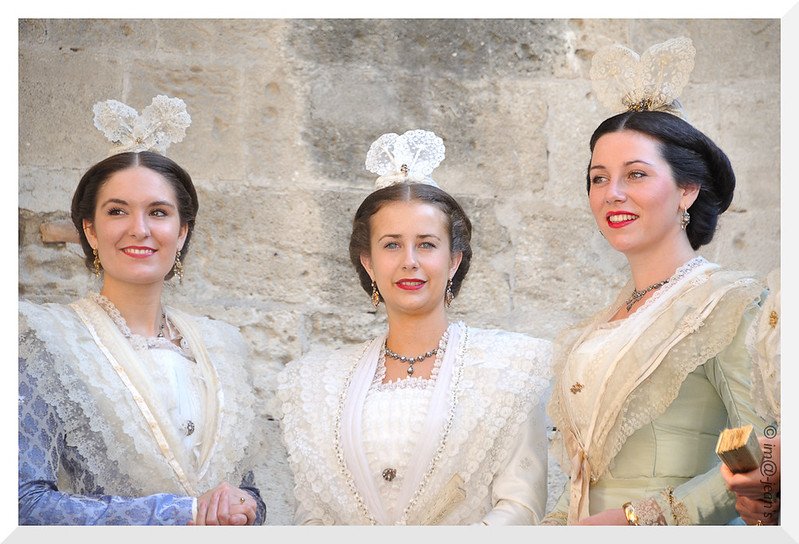
The Queen of Arles is not just a title. She is the living embodiment of Camargue traditions, linking festivals, horses and heritage.
🚀 The essentials
- Key concept: The Queen of Arles represents and highlights Camargue traditions during festivals and ceremonies.
- Practical advice: To see it, choose the feria and the events at the Arles Arena in spring and summer.
- Did you know: The image of the Arlésienne was popularized by Alphonse Daudet and Georges Bizet in the 19th century.
She crosses the arena like a hinge between past and present.
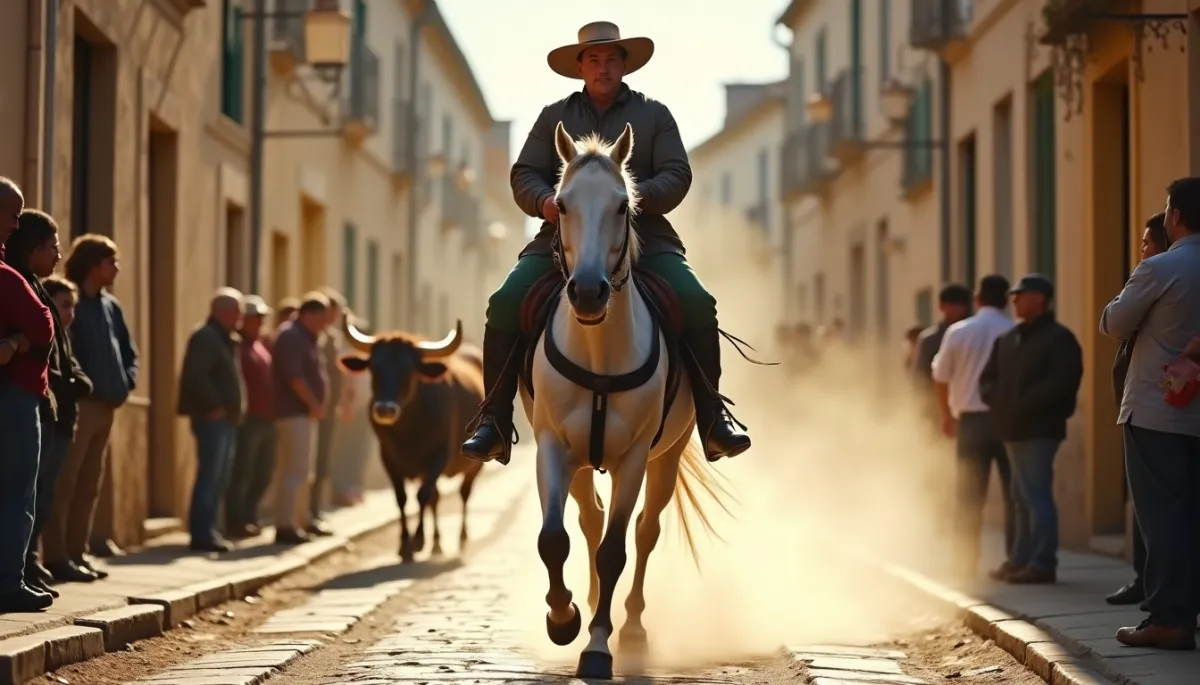
Imagine a warm late afternoon in Arles. The Roman amphitheater, the Arles of Arles, heats up in the sun. A young woman in Arlesian costume, neat hairstyle and silk skirt sweeping the ground, greets the herdsmen on horseback. The children hurry, the elders approve. The abrivado is being prepared, the cattle will be coming down the street, and the simple presence of the Queen guarantees that the evening will honor the times before.
The guarding of symbols
The Queen of Arles embodies a role that is both ceremonial and emotional. Elected each year by local associations, she wears the traditional Arlésienne dress, a costume full of ornaments and history, a sign of belonging to the city and the Camargue.
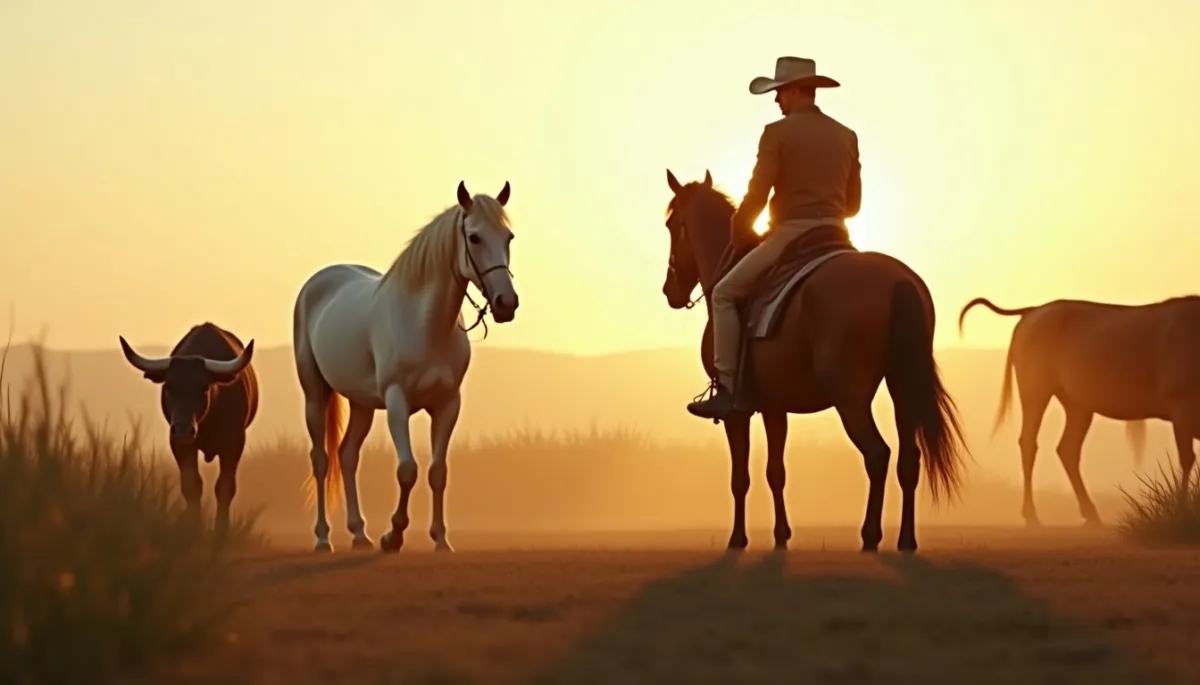
It takes place during ferias, processions and abrivados, these bull races led by the herdsmen, the horsemen of the Camargue. The Arena of Arles, a Roman amphitheater built around the 1st century, remains the main place of his appearances, reminding us that traditions are also lived in historical spaces.
The image of the Arlésienne was popularized in the 19th century by Alphonse Daudet with the play L'Arlésienne (1872) and the music of Georges Bizet. This literary and musical heritage has shaped the iconic silhouette that the Queen updates for the contemporary public.
The voice of traditions
Its role goes beyond ceremonial. The Queen is often invited to schools, by cultural associations and tourist offices to explain the costume, Camargue riding techniques and the meaning of the rites, such as the sorting of bulls for the Camargue race.
Read alsoCamargue, the French Wild West
Through workshops and demonstrations, it contributes to the transmission of know-how: shoeing, farriery, care of Camargue horses, and the art of costume and headdresses. These moments make concrete gestures that modernity can push away.
It also lends its image to territorial promotion actions. Presence at trade fairs, media interventions, meetings with foreign delegations, all this maintains the visibility of traditions in the face of ephemeral fashions and tourist competition.
Between heritage and renewal
The role of the Queen of Arles nevertheless encounters contemporary challenges. Urbanization, tourist pressure and debates on animal protection are transforming the perception of bullfighting festivals, and sometimes their practices.
In response, several Queens have modernized their speech, promoting the herdsmen, the biodiversity of the Camargue and the man-horse relationship rather than the simple bullfighting confrontation. Social networks are now used to tell these stories and reach a younger and international audience.
To help this mission, some practical advice: attend an abrivado early in the morning to observe the work of the herdsmen, visit the Camargue Museum in Arles to understand the local ecosystem, and support associations which offer transmission workshops. Thus, tradition is shared without becoming rigid.
The Queen of Arles remains a link. Through its representation, its educational role and its adaptation, it transforms a costume into a living story, reminding us that preserving also means explaining, inventing and inviting everyone to participate.