Raising Camargue bulls: the constraints of 100% extensive breeding
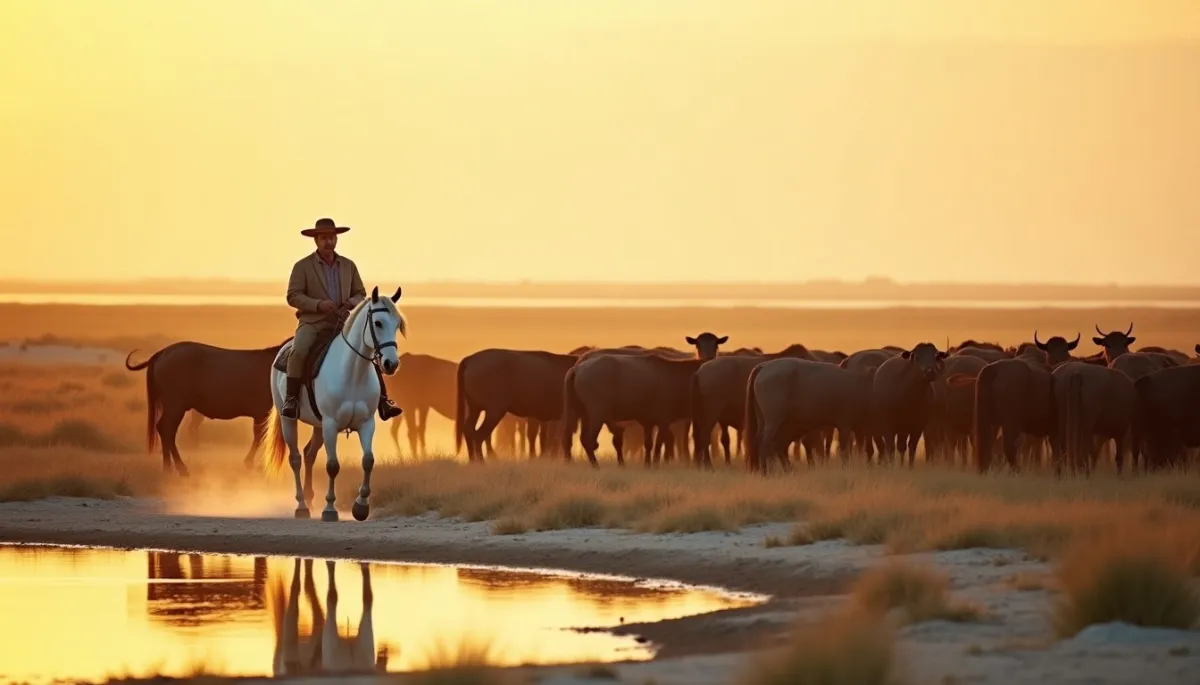
In the flat light of the Rhône delta, black bulls move like punctuation marks across ochre salt marshes. Raising Camargue bulls in 100% extensive conditions is a practice that binds culture, ecology and hard management choices.
🚀 Key Takeaways
- Key concept : Extensive breeding means animals live year-round on natural pastures, with minimal confinement.
- Practical tip : Plan stocking rates seasonally and keep mobile water and shade points to reduce mortality in drought or floods.
- Did you know : Camargue bulls are central to the course camarguaise, a local bull sport where bulls are not killed.
Black as a tidal mark, a young bull lifts its head at the approach of a gardian on his white Camargue horse. The scene is timeless, and raw.
Marques et manades
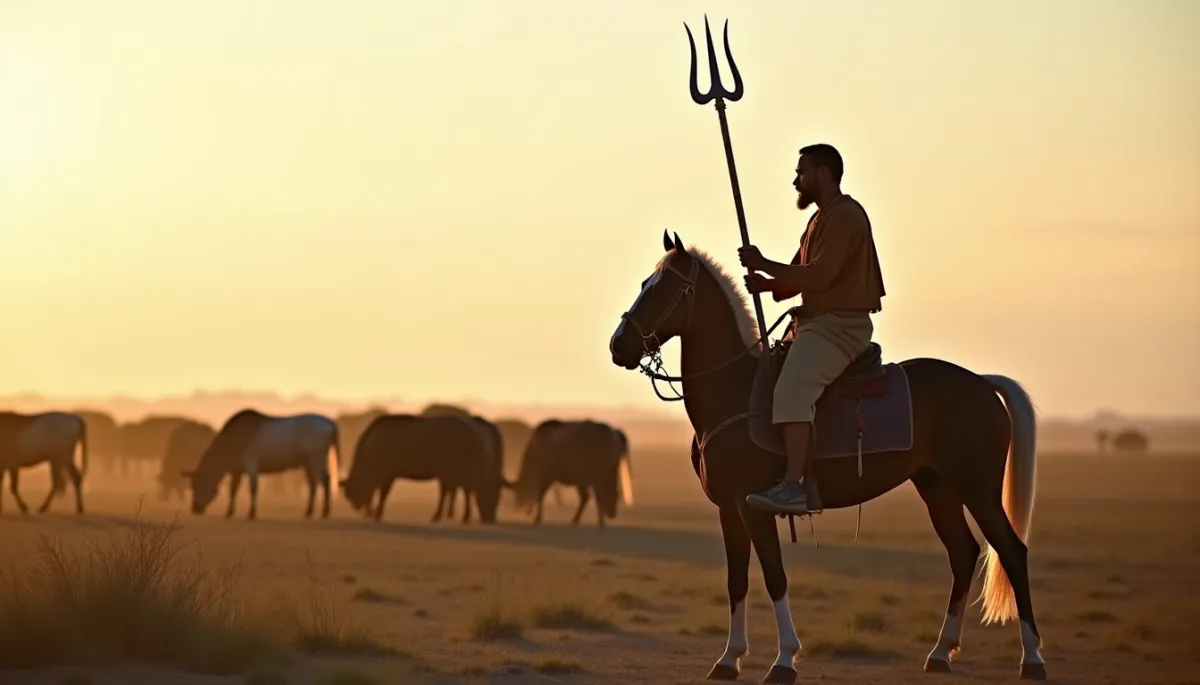
Who works these bulls? Manadiers manage manades (free-ranging herds) across the Camargue, often on estates that have belonged to a family for generations. The gardian, mounted and skilled, is the daily face of the manade. He reads the herd like a sailor reads the sky.
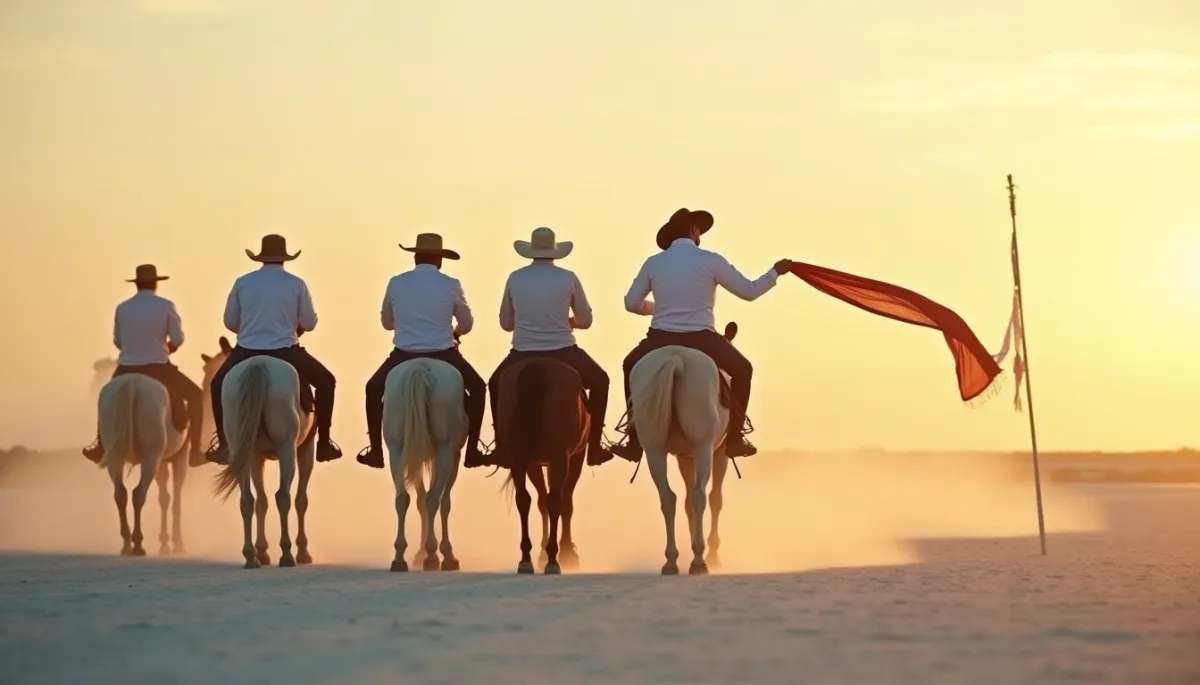
Recognition comes from tradition and results. Manades such as those that open the abrivado at local fêtes are known regionally, but many important manadiers work quietly, maintaining bloodlines and horn shapes prized for the course camarguaise.
The animals themselves are a regional emblem. The taureau de Camargue is small, dark, adapted to brackish marshes, and selected for temperament and horn development rather than beef yield.
Paysages contraints
Extensive breeding means the herd lives all year on natural vegetation. In the Camargue this is a landscape of reedbeds, saline plains, salt pans and dune fringes. That variety is an asset but also a constraint when seasons shift.
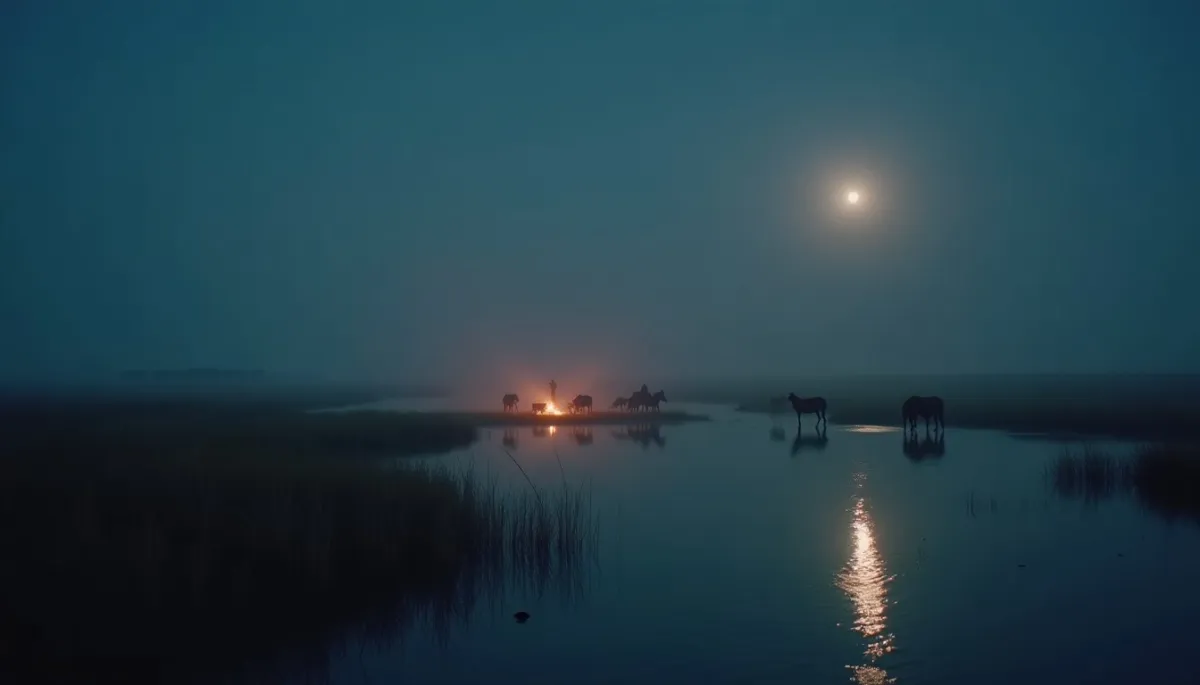
Water and forage availability vary with floods and drought. Winters can flood large areas, forcing stock to higher ground, while hot, dry summers concentrate animals on shrinking green patches. Manadiers must know the micro-topography intimately to move bulls where feed exists.
Fire risk in summer and erosion in winter shape management. Many manades use strategic grazing to reduce fuel, and establish firebreaks along tracks. The Regional Natural Park of Camargue, created in 1970, has long worked with breeders to balance conservation and grazing use.
Choix du vivant
Breeding choices are guided by function. For the course camarguaise, bravery, agility and horn shape matter. For manadiers this means selecting animals that thrive without stalls, that calve reliably on marshy ground, and that resist parasites prevalent in wet soils.
Calving in the open poses risks. Newborns can be lost to hypothermia in floods or to accidental separation from mothers in dense vegetation. Many manadiers keep a watch calendar for expected calving periods and intervene selectively when weather threatens survival.
Health management must be pragmatic. Vaccination, targeted antiparasitic treatments, and occasional supplemental feeding in lean seasons are tools used while keeping the herd's extensive character. Traceability (ear tags and brands) is important for market and legal reasons.
Économie et culture
The economic model of an exclusively extensive manade is narrow. Income comes from selling calves, offering rides or events, and from the cultural value of spectacles such as abrivados and courses. Meat yield is modest; the value is often cultural and local.
Public perception and tourism add pressure and opportunity. Visitors want authenticity, but more visitors increase disturbance and biosecurity challenges. Manadiers negotiate open days where an explained demonstration preserves both the herd's calm and the visitor experience.
Local labels and co-operatives help. Small abattoirs that understand extensive rearing and traditional breeds are an asset. Many manades partner with regional restaurants to valorize the meat and the story of an animal raised on Camargue marshes.
Conseils de terrain
Practical tips for those who work or wish to start: calculate pasture carrying capacity not annually, but seasonally. Water points must be redundant; a single pump failure can be catastrophic in drought.
Keep mobile handling facilities. In an extensive system, the ability to gather bulls for vaccination or sorting with low-stress techniques is essential. Train horses and dogs to help with manoeuvres and to reduce chasing that stresses animals.
Finally, build relationships with park authorities, vets and neighbouring manadiers. Shared grazing corridors, mutual aid in floods, and coordinated fire prevention create resilience for the whole landscape.
Raising Camargue bulls in full freedom is a promise to heritage and land. It asks patience, constant reading of weather and soil, and a deep respect for the rhythm of marshes. The reward is a living culture where horse, man and bull continue a conversation older than maps.