Rising waters and the future of Camargue manades
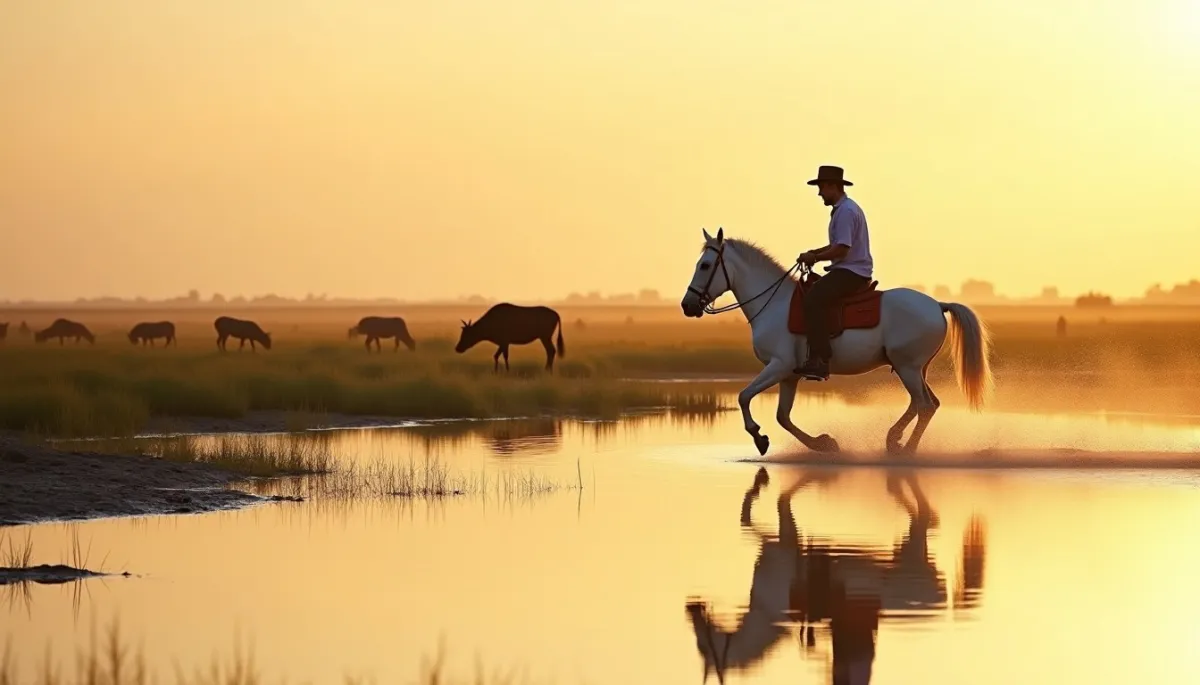
In the Camargue, salt and tide have always shaped life. Today, rising seas are redrawing the map of manades and the work of gardians.
🚀 Key Takeaways
- Core concept : Sea level rise and salt intrusion threaten pastures and freshwater in Camargue manades.
- Practical tip : Support local manades by choosing regional products and backing adaptation projects.
- Did you know : Manades are central to Camargue's identity and supply bulls for traditional courses and local markets.
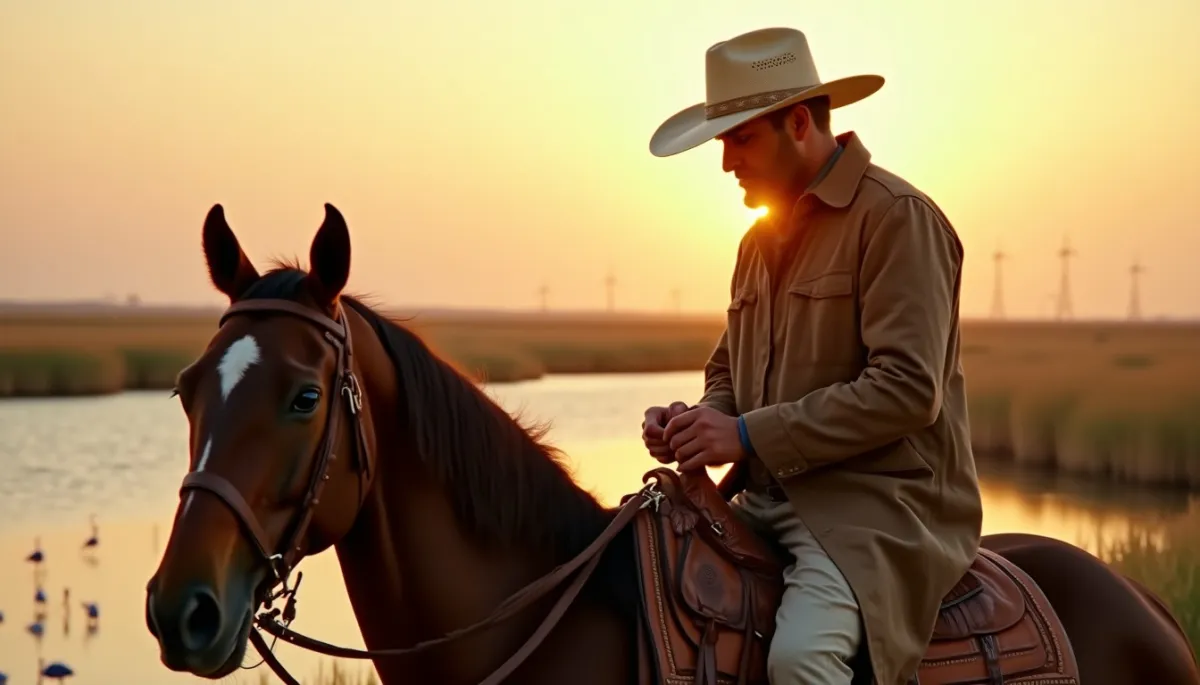
Light hits the reeds like silver. A gardian steers his white horse across a marsh where tide and pasture meet.
Salt and pasture
The heart of the manade is its land, the grassy plain where Camargue horses and bulls graze. These grounds are increasingly touched by brackish water, either by storm surges or by a gradual rise of the groundwater table that brings sea water inland. Over the last century, global sea level rose by about 20 centimeters, and recent decades show an acceleration that researchers link to climate change. The Mediterranean follows similar trends, with projections for 2100 ranging from a few tens of centimeters to about one meter depending on emissions.
For manades around Saintes-Maries-de-la-Mer, Arles, and the étang du Vaccarès, this means more saline soils. Salt reduces the nutritional value of traditional halophyte pastures and can kill shrubs and grasses that young foals and calves rely on. In some low-lying parts, manadiers report waterlogged fields where horses sink into soft peat and are at higher risk of disease.
Beyond forage quality, salt intrusion affects freshwater wells and irrigation ponds. Gardians who for generations have drawn water for animals now face higher treatment costs or the need to truck in potable water during dry months. These are concrete shifts, already visible to those who work the lands every day.
Hands and history
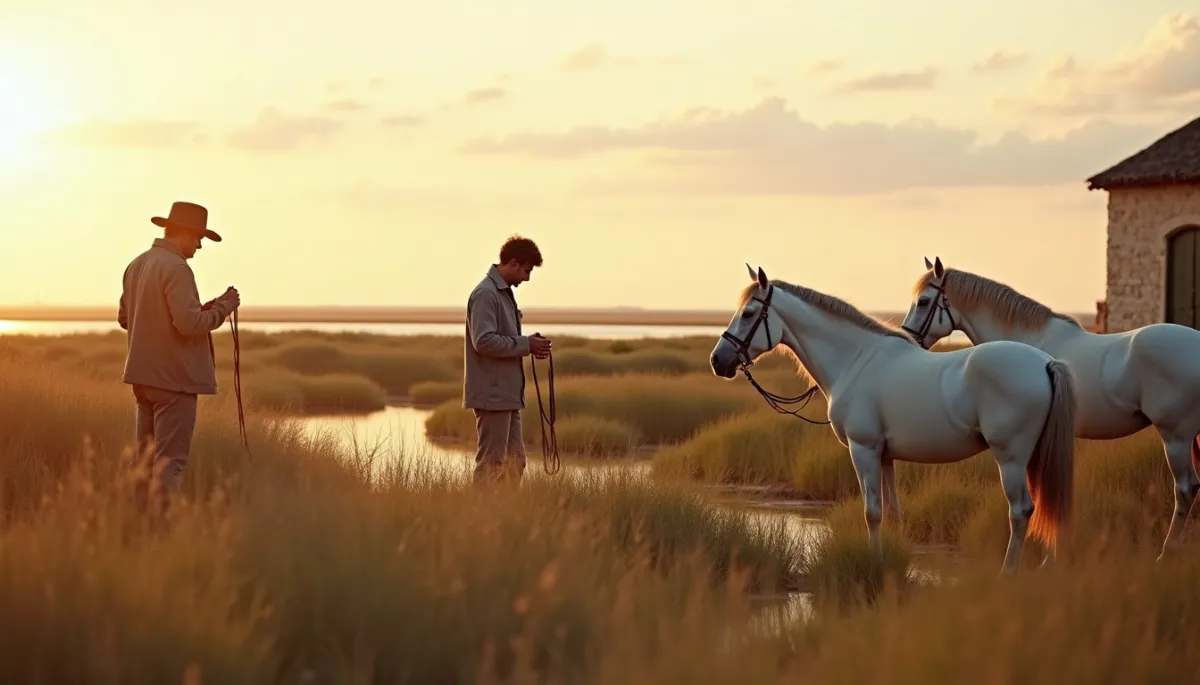
The protagonists of this story are the manadiers and their gardians, custodians of a pastoral culture that dates back centuries. A manade is not just livestock; it is a way of life, a seasonal rhythm of breeding, marking, and the course camarguaise. Families and small businesses supply bulls for arenas, stock for meat and local festivals, and maintain wetlands that are vital for birds like flamingos.
Manadiers often have deep ties to specific marshes. Their names may not be famous outside the region, but institutions like the Parc naturel régional de Camargue, created in 1970, and the regional fairs, support their visibility. The economic model of many manades combines on-site tourism, sale of meat and breeding stock, and public subsidies. These diversified incomes are now tested by environmental changes.
Anecdotes from recent years reveal the stakes. In several manades near the coastline, owners have told how foals were born in paddocks that within a decade became prone to seasonal flooding. Others describe having to buy saline-tolerant hay or move herds temporarily inland during high-tide events. These are adaptations that cost time and money, and weigh heavily on small operations.
Why waters rise
The causes are global and local. Global warming melts glaciers and expands warmer seawater, raising global sea levels. Locally, subsidence of deltaic soils and changes in sediment supply from the Rhône influence how the Camargue's land keeps pace with the rising sea. Human interventions such as river canalization, land reclamation, and construction alter natural sediment flows that once helped maintain the marshes' elevation.
Furthermore, extreme meteorological events are more frequent. Storms bring surges that push sea water farther inland. In 2010 and later, powerful storms on the Mediterranean coast caused episodes of exceptional flooding in low-lying areas, reminding locals of the vulnerability of the delta. Scientific monitoring by regional observatories and universities has documented these trends and underlined the urgency to plan.
Policy choices matter. The degree of future warming, choices about river management, and regional planning will determine whether the Camargue can adapt in place, or whether some areas must be allowed to transition from pasture to open wetland, with consequences for manades.
Adapt and resist
Manades already adapt in pragmatic ways. Some raise the beds of paddocks, build higher shelters, or install recycled-water systems for cleaning that reduce freshwater demand. Others plant salt-tolerant forage like Puccinellia or increase supplementary feeding to compensate for lost grazing. There are also collective responses: participatory mapping of at-risk pastures, cooperative water management, and proposals to finance habitat-friendly dikes that preserve both wetlands and grazing land.
At the policy level, European agricultural funds and local authorities can help manades transition. Payments for ecosystem services, support for extensive grazing that maintains biodiversity, and funding for infrastructure are possible levers. Scholars advising regional plans argue for integrated strategies that consider sediment management of the Rhône, restoration of natural water flows, and buffer zones that can absorb surge events.
Yet not all solutions are technical. Preserving the social fabric of the manade is essential. Training young gardians, supporting market access for Camargue meat and tourism, and recognizing manades in land-use decisions are steps that keep this living heritage viable while the landscape changes.
Between memory and future
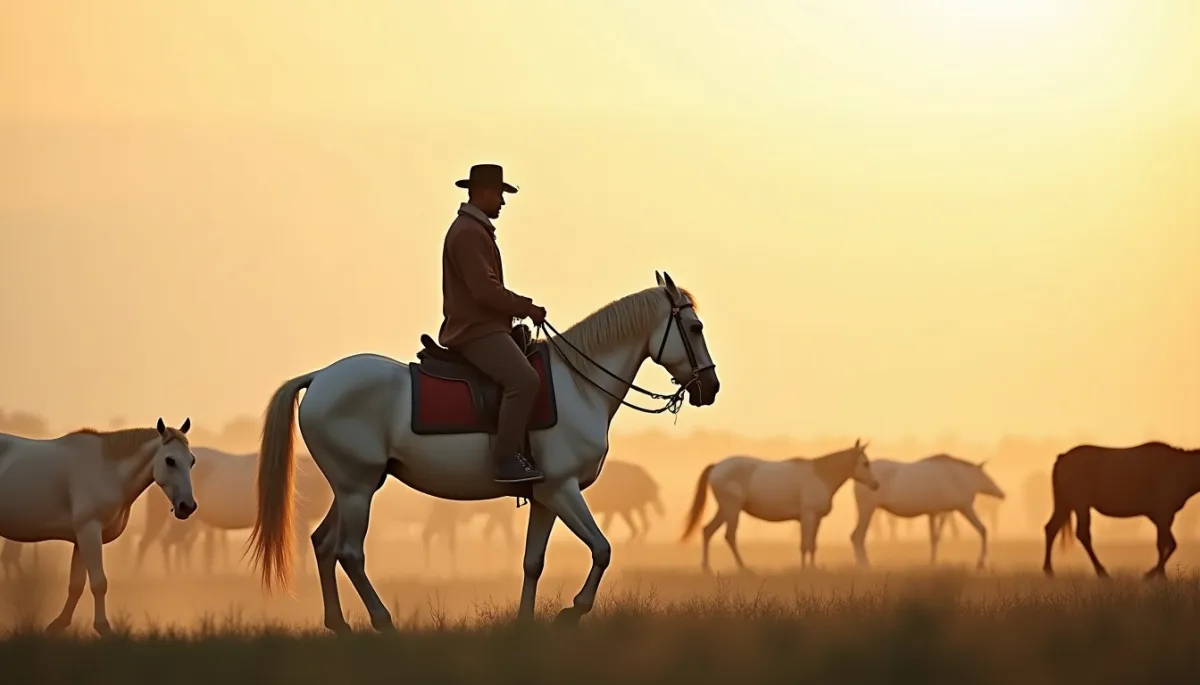
The tension is real. Some areas will likely transition into broader wetlands where extensive grazing becomes impossible. That change would alter the silhouette of the Camargue, its festivals, and local livelihoods. For many, the image of a gardian on a white Camargue horse is inseparable from the identity of the place.
But transitions can also create opportunities. Restored wetlands store carbon, filter water, and enhance birdlife, attracting ecotourism that can be combined with cultural visits to manades. Adaptive grazing practices can maintain open spaces important for nesting birds while accommodating higher water levels.
Practical advice for visitors and consumers: favor products labeled from Camargue manades, ask about grazing practices, and support local associations working on adaptation. For decision makers: integrate manades into coastal planning, fund small-scale adaptations, and protect sediment flows that build the delta. The future of the manade is not preordained. With informed policy, local knowledge, and targeted investment, gardians and their herds can remain part of the Camargue story, even as tides climb.