Abrivado and bandido: the rules of Camargue bull tradition
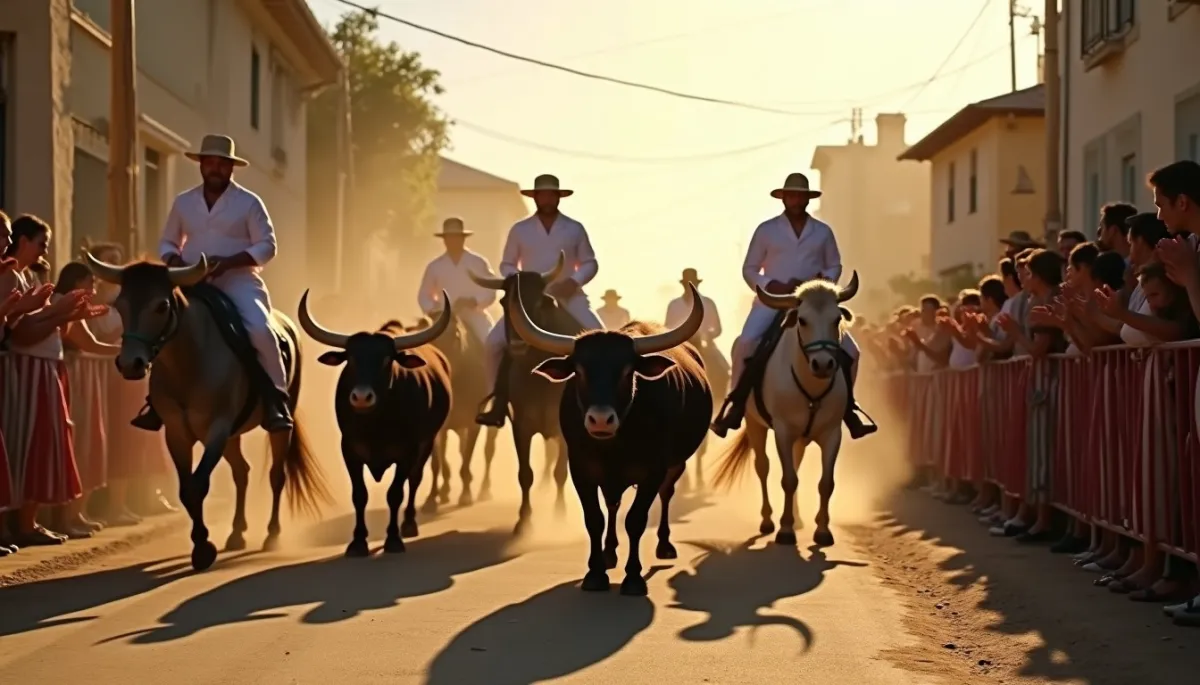
In the narrow streets of Arles and the salt flats of the Camargue, horses and bulls write an ancient choreography. From escort to release, abrivado and bandido are living rituals that govern how a manade meets the town.
🚀 Key Takeaways
- Key concept : Abrivado is the guarded transfer of bulls by gardians on horseback; bandido is their controlled release or return to the manade.
- Practical tip : Follow the gardians' instructions, stay behind safety barriers, and do not provoke the animals.
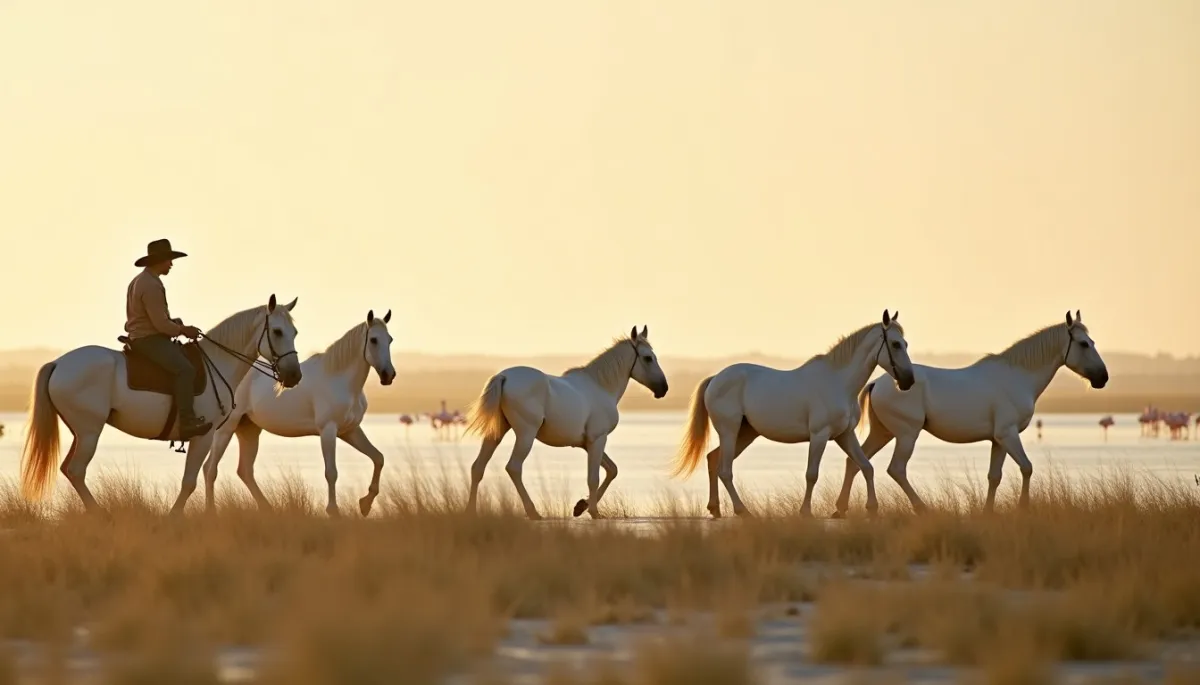
- Did you know : Camargue horses are small, grey and trained specifically for cattle work; the guardians (gardians) develop an almost telepathic rapport with their bulls.
Dust rises, hooves drum, and a grey Camargue horse twists like an oar through the crowd. You feel the heat of a tradition more than you hear it.
Foule et chevaux
Abrivado happens when a manade brings bulls from the marshes to town. Gardians, mounted on Camargue horses, flank the herd and control its pace. The scene can be brisk, at times tense, but it is framed by rules everyone knows: a clear route, marshals, and safety barriers in the busiest sectors.
In towns such as Arles or Saintes-Maries-de-la-Mer, abrivados punctuate the feria calendar, notably in spring and summer events. The spectacle is not a corrida. The bulls are not fought to the death. Instead, they are escorted for the show and for practical reasons, like moving animals to the arena for a course camarguaise or returning them to the manade.
Bandido closes the loop. After games or parades, the bandido can be a calm return escorted to the pen, or a release that allows bulls to run back through a planned route towards the manade. The name comes from the Occitan and Spanish heritage of the region, where the verb to free or send off mixes with local practice.
Racines et gestes
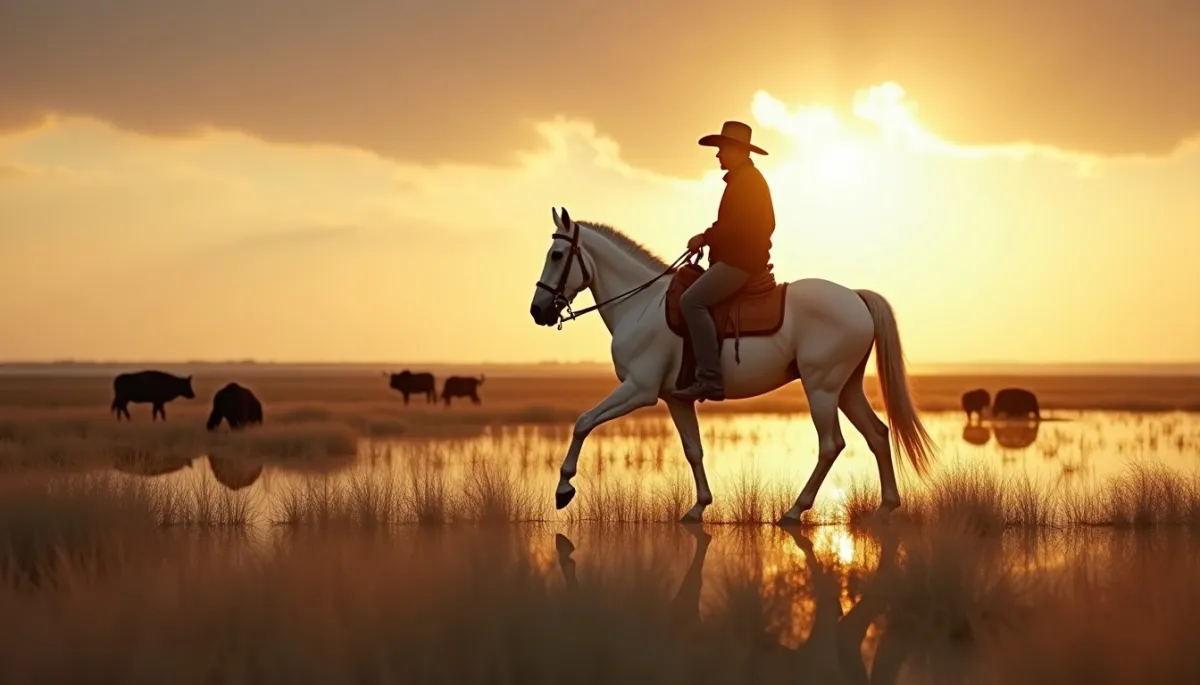
The actors are the gardians, the manadiers who run the manades (herds), and the raseteurs, athletes of the course camarguaise who try to snatch the cocarde from a bull without injuring it. Gardians wear corded trousers, high boots and often the traditional wide-brim hat. They sit on Camargue horses, an ancient, hardy breed adapted to salt marshes.
Historically, cattle breeding in the Camargue is centuries old. The manade system, family-driven and seasonal, shaped local life around the salt marsh, rice fields and lagoons. Over time, rites developed to move bulls safely and publicly, giving rise to the formalized abrivado and bandido observed today.
Practical rules are strict. Routes are declared in advance, police and local organizers close streets, and signals are used to coordinate. Gardians use voice, reinings and small flags to guide bulls. Spectators are asked to stay behind barriers, and children are taught from early age to respect the animals and the space around them.
Tensions et avenirs
The tradition faces modern debates. Animal welfare groups question public displays involving bulls, while defenders argue for cultural protection and the non-violent nature of Camargue games. In recent decades, organizers have introduced tighter safety measures and clearer communication to reduce incidents.
Practical evolution is visible. Announcements, bilingual signage, and trained stewards are now common. Some manades work with veterinarians to ensure animal fitness before events. Local authorities also regulate routes and times to lower risks and to preserve the character of town centers.
For visitors who want to participate respectfully, do this: learn the schedule, stand where marshals advise, never cross barriers, and applaud the gardians rather than attempt interactions with bulls. Those small gestures protect both people and animals, and keep abrivado and bandido as living links between Camargue land and town life.