Akubra and Driza-Bone: the stockman’s iconic kit
The Akubra hat and the Driza-Bone coat are more than clothing, they are a language of the Outback. Worn by generations of stockmen, they tell of weather, work and identity.
🚀 Key Takeaways
- Concept key : Akubra is a felt rabbit-fur hat, Driza-Bone is an oilskin coat, together they form the practical uniform of the stockman.
- Practical tip : Brush and reshape felt hats with steam, reproof oilskin periodically to keep waterproofing.
- Did you know : Both pieces date back to late 19th and early 20th century rural Australia and crossed into popular culture and military use.
Dust and sun, a wide brim and a long coat.
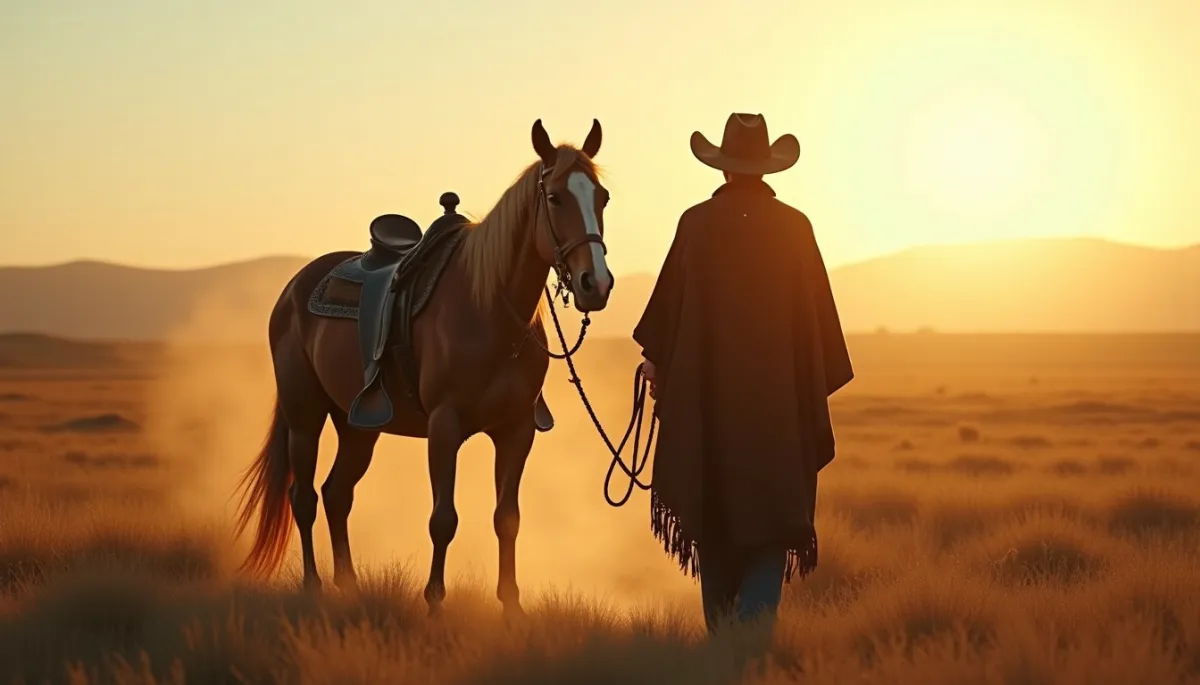
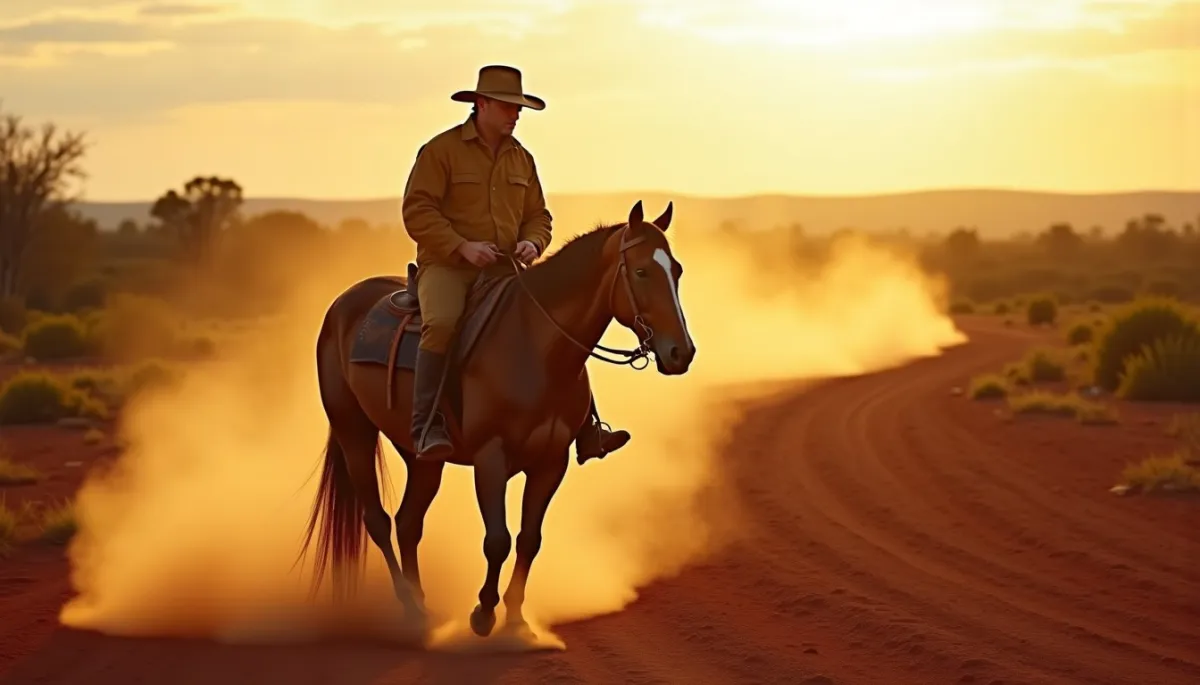
Imagine a sunburnt horizon, a horse clipping over gibber plains, a rider with an Akubra tilted against the glare and a long Driza-Bone trailing behind. The hat casts shade on a weathered face, the coat sheds rain and dust, each piece moving with habit and history.
Outback en scène
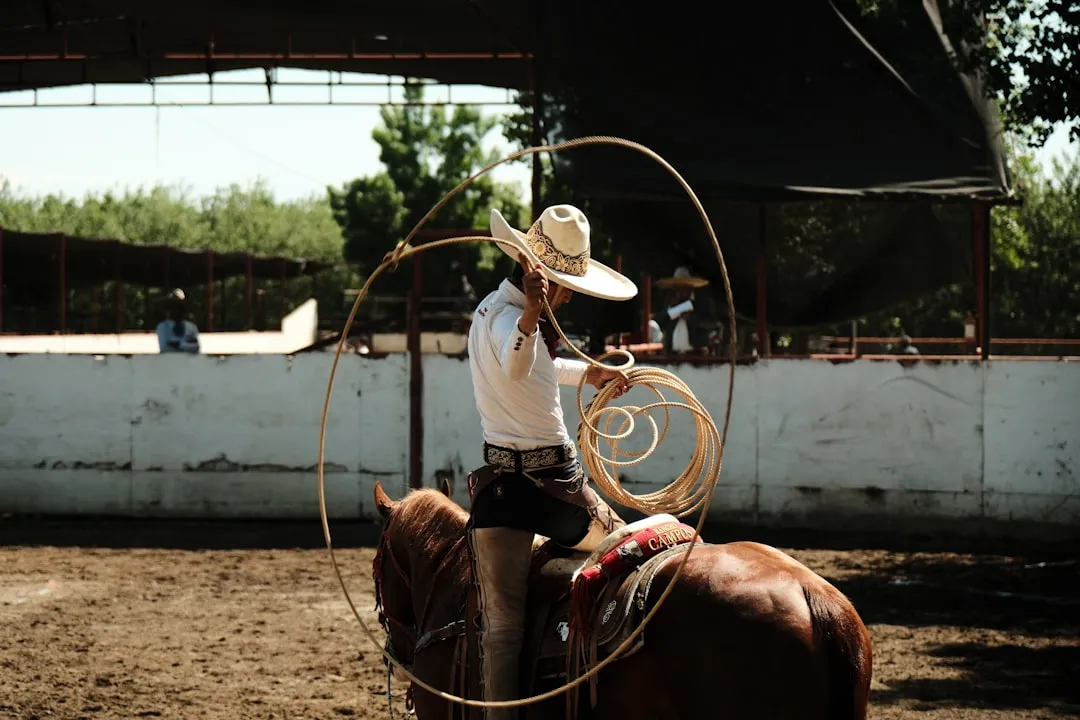
The stockman is the central figure, the custodian of cattle and country. Working long days on horseback across stations, he needs gear that protects, endures and signals belonging.
Akubra and Driza-Bone are instantly recognisable, symbols photographed at musters, in wartime snapshots, in country music album covers. During the world wars, slouch hats and oilskins were adapted for soldiers and messengers, bringing rural design into national view.
Local names and unknown riders alike adopted them. From small stations in Queensland to shearing sheds in Victoria, these items became tools and talismans, threaded into oral histories and family albums.
Matériaux et savoir-faire
Akubra hats are traditionally made from fur-felt, often rabbit, shaped with a high crown and a brim wide enough to fend off sun and rain. The felt's density repels water and holds form, key for riders exposed to the elements.
Driza-Bone began as an oilskin coat, cotton treated with oils and wax to become waterproof. Its long cut, storm flap and reinforced seams allowed a stockman to ride for hours without soaking through, while deep pockets kept essentials safe.
Both garments are practical inventions, born of need. Makers refined patterns over decades, blending local craft with industrial processes. Today modern treatments complement traditional materials to improve durability and hygiene.
De la tradition à la ville
As Australia urbanised, Akubra and Driza-Bone migrated into fashion and pop culture. Musicians, actors and visitors wore them as markers of authenticity and rugged style.
Yet this visibility creates tensions. Mass-market replicas can dilute quality, and contemporary trends sometimes disconnect items from their working roots. Conservation of traditional manufacturing and respect for provenance remain vital.
Practical advice endures: store felt hats on a stand, clean with a soft brush, avoid prolonged damp; reproof oilskins with recommended products, patch wear at seams early. These gestures keep a piece of Outback history in daily use.
For visitors from the Camargue, the parallel is immediate. The gardian and the stockman share horsemanship, a closeness to herd and land, and a wardrobe shaped by weather and work. Across continents, clothes tell the same story: identity made to last.