The Appaloosa and the Nez Perce: The tragic story of a legendary horse
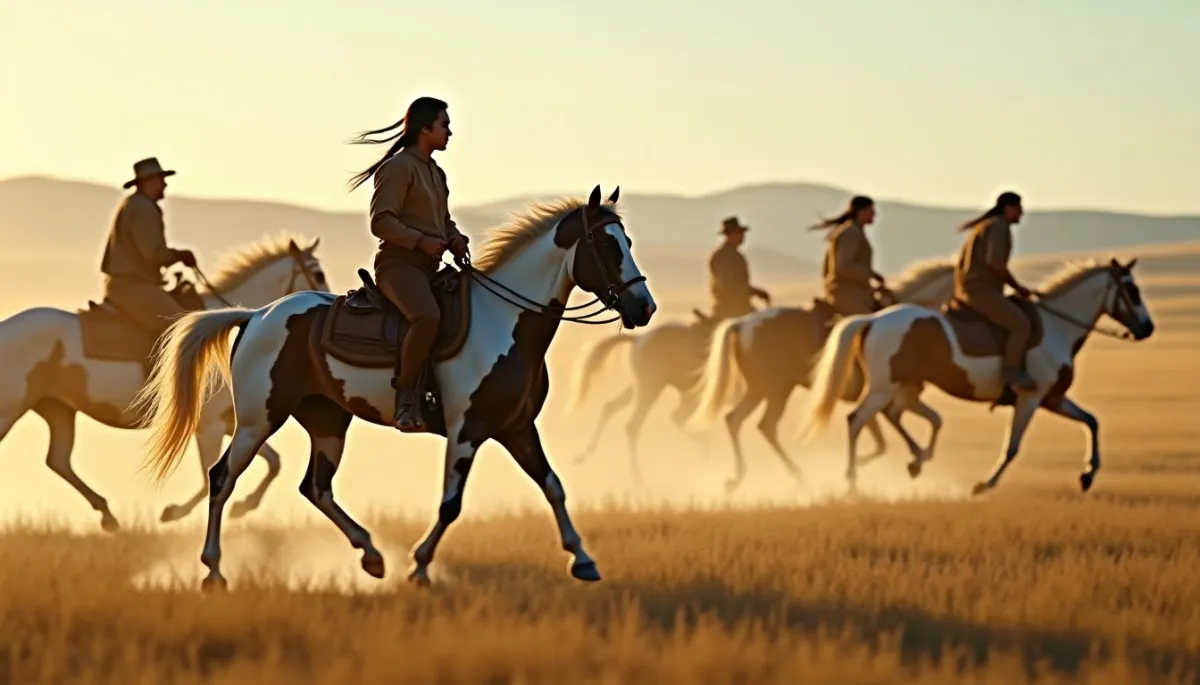
The Appaloosa carries the marks of a people. From the Palouse River to the Bear Paw Mountains, its fate fused with the Nez Perce in the late 19th century. This is the story of breeding, war, loss, and a modern resurrection that seeks to restore more than a coat pattern.
🚀 Key Takeaways
- Concept key : The Appaloosa developed under the Nimiipuu (Nez Perce), prized for speed, endurance, and distinctive spots.
- Practical tip : Visit Nez Perce National Historical Park and the Appaloosa Horse Club in Idaho to learn on site.
- Did you know : The Nez Perce call themselves Nimiipuu, meaning "The People"; "Nez Perce" comes from French explorers ("pierced nose").
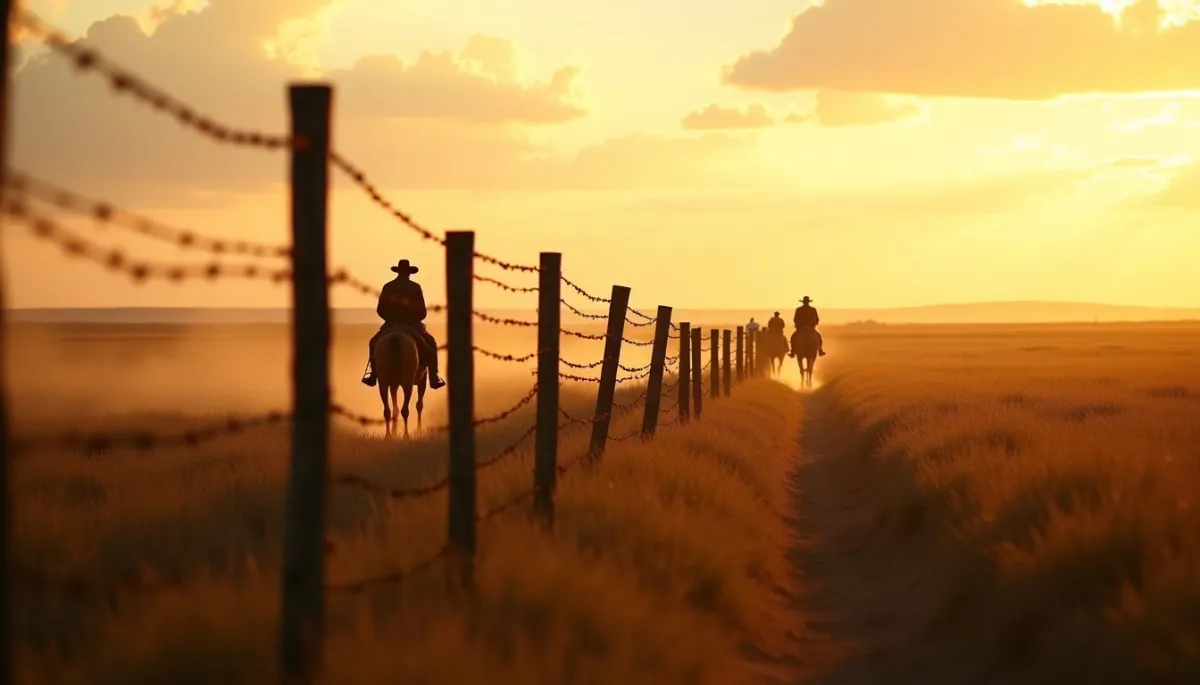
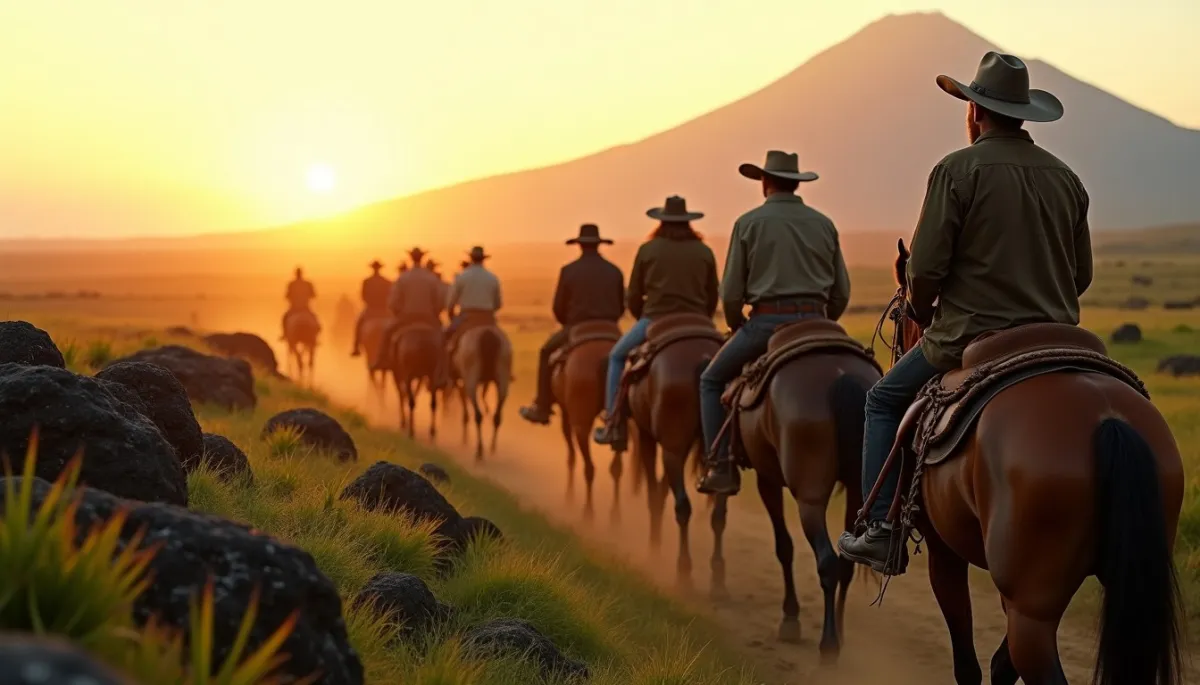
Un cheval qui regarde le monde avec des taches. Imagine a small band of riders crossing the Palouse at dawn, horses spotted like stars, hooves stirring the dust. The river flats, the tall grass, and the silhouette of riders moving with the quiet authority of a people who bred horses for a single purpose: endurance and reliability in a vast, harsh landscape.
Trails of the Palouse
Who were the protagonists? The Nez Perce, self-named Nimiipuu, occupied lands that now sit in parts of Idaho, Oregon and Washington. From the 18th century onward, they developed a distinct horse culture. By the early 19th century, their horses—often called "Palouse horses"—displayed the spotted patterns and physical traits we recognize today as Appaloosa.
These horses combined a spotted (or blanket) coat, mottled skin around the muzzle and genitalia, a visible white sclera (the white of the eye), and vertically striped hooves. Those anatomical markers made the Appaloosa immediately recognizable to riders and soldiers alike.
Appaloosas were not a fashion statement. They were war mounts, travel companions, and family assets. Historical accounts from explorers and army officers in the 1830s to 1870s praise the Nez Perce mounts for speed, stamina, and sure-footedness on rough terrain.
Le fil brisé
The turning point came in the 19th century as U.S. expansion encroached on Nez Perce lands. Treaties in 1855 and 1863 drastically reduced their territory. Tensions escalated. In 1877, after a clash of diplomatic and military pressures, a portion of the Nez Perce resisted forced relocation.
The Nez Perce War of 1877 traces a dramatic retreat of roughly 1,500 miles across Oregon, Idaho, Wyoming and Montana. Leaders such as Chief Joseph, Looking Glass and White Bird displayed brilliant tactical skill. Yet the campaign ended at the Battle of Bear Paw and the surrender of Chief Joseph in October 1877. His words, "From where the sun now stands, I will fight no more forever," entered the lexicon of American tragedy.
Along that path of flight and battle, Nez Perce herds were seized, scattered, or killed. Many horses were captured by the U.S. Army or taken by settlers. The deliberate dispersal and loss of breeding stock broke centuries of selective breeding, and the distinct Nez Perce equine line nearly vanished.
Marks and memory
The consequence was cultural and biological. For the Nimiipuu, horses were part of identity, economy and mobility. Losing the herds meant losing wealth and a core tool of daily life. For the horse, the loss of coordinated breeding programs diluted characteristic traits across other stock.
In the 20th century, interest in the spotted horse grew. The Appaloosa Horse Club was founded in 1938 in Moscow, Idaho, aiming to standardize and promote the breed. Cinematic portrayals, including the 1966 film 'The Appaloosa' starring Marlon Brando, popularized the image of the spotted western horse in American culture.
However, the narrative is not one of simple recovery. The modern Appaloosa is a mosaic: partly the result of Nez Perce legacy, partly the work of mid-20th century breeders who reconstituted the type from diverse stock.
Renaissance intime
From the late 20th century, the Nez Perce Tribe itself acted to restore an equine heritage. Programs initiated by tribal organizations aimed to recover horses that mirrored the historical abilities—endurance, sure-footedness, and specific coat genetics. Some projects introduced outside breeds to regain lost traits, others focused on cultural education and stewardship.
Today, visiting the Palouse, the Nez Perce National Historical Park, or the Appaloosa Horse Club museum offers a layered story: one of human resilience, of animals as companions in resistance, and of contemporary efforts to reconcile past losses with living tradition.
Practical advice: if you travel to the region, go with curiosity and respect. Learn from tribal interpreters, attend cultural events, and support local educational programs. The story of the Appaloosa is as much about people returning to their history as it is about a horse regaining its pattern.
In the marshlands of the Camargue, the white horses are a regional emblem, tamed by gardians and tides. The Appaloosa shares that role with the Nimiipuu, anchored to landscape and memory. Both remind us that breeds are living archives, and when a people suffer, their horses bear the marks.