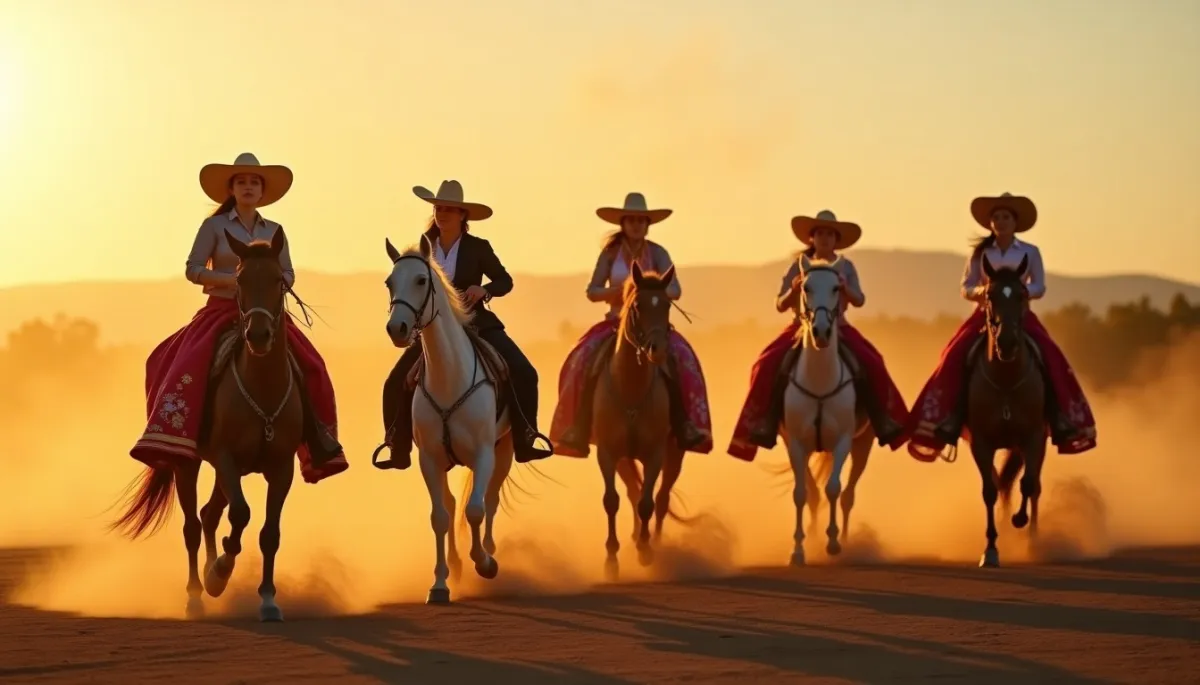
Arizona roadtrip: must-see ghost towns of the Wild West
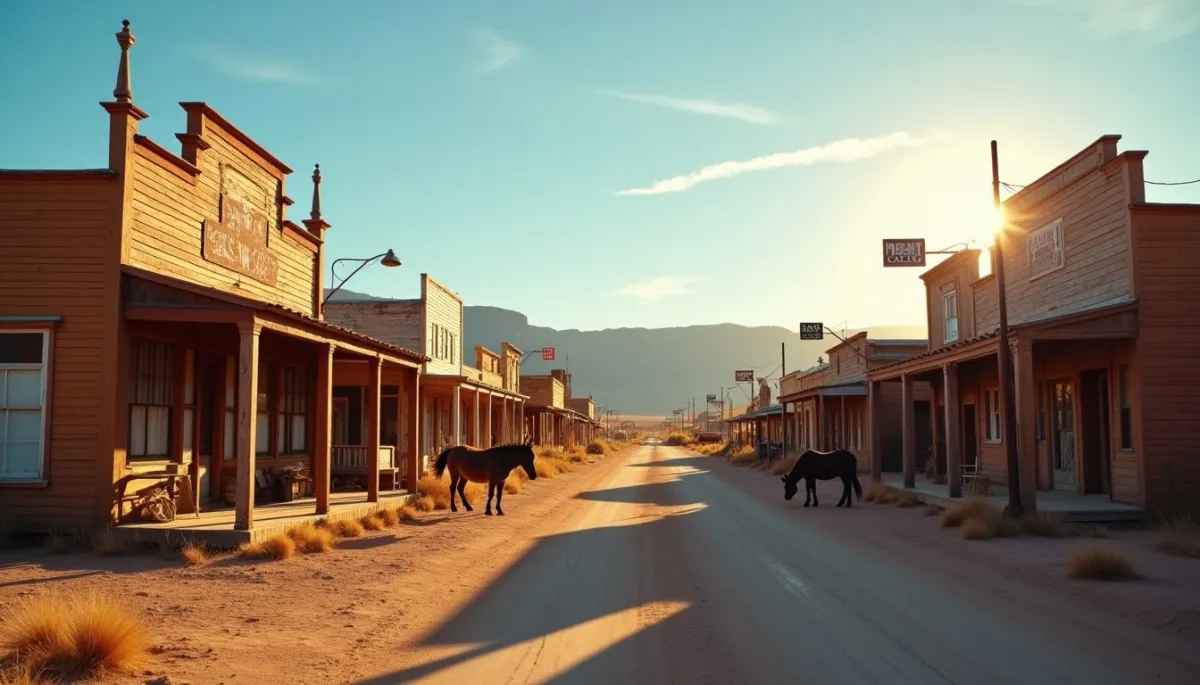
Arizona holds the echoes of gold rushes and gunfights, frozen in sun-baked timber and rusted rails. This roadtrip guide points to the ghost towns that still whisper Wild West stories, with dates, anecdotes and practical tips.
🚀 Key Takeaways
- Concept key : Visit Jerome, Tombstone, Oatman, Vulture City and Ruby for varied ghost-town experiences.
- Practical tip : Travel spring or fall, carry water, check private access and prefer a 4x4 for unpaved roads.
- Did you know : Tombstone hosted the 1881 O.K. Corral gunfight, still reenacted for visitors.
Silence under an immense blue sky. You stand on cracked earth, a wooden storefront to your left, a rusted sign creaking in the breeze.
Old west portraits
Tombstone is the archetype. Founded in 1877 after silver strikes, it became famous for the 1881 gunfight at the O.K. Corral involving Wyatt Earp and Doc Holliday. Today, its Boothill Graveyard and preserved Main Street let you walk through that legend.
Jerome clings to Cleopatra Hill. A copper boom in the late 19th and early 20th centuries turned a canyon into a mining metropolis, with several thousand residents at peak. The mines closed in 1953, and by mid-century Jerome was nearly abandoned before artists revived it in the 1960s.
Oatman, on old Route 66, feels cinematic. Once a thriving gold-mining camp, it fell silent after highways bypassed it. Wild burros, descendants of pack animals, roam the main street and gunfight shows keep the carnival spirit alive.
Ghosts of industry
Vulture City emerged after Henry Wickenburg discovered gold in 1863. The Vulture Mine produced millions of dollars in ore and created Wickenburg as a supply hub. When the mine closed in the 1940s, families left and the town decayed; guided tours now reveal ore chutes and miners' barracks.
Ruby, near the Patagonia mountains, grew around a silver and copper mine in the early 20th century. It was largely deserted by the 1940s. Today Ruby is on private land, but visible ruins offer a lonely, evocative glimpse of boom and bust.
Two Guns and Canyon Diablo are quieter, eerie stops along old Route 66 and the railroad, sites of lawlessness and strange entrepreneurs who built roadside attractions in the 1920s and 1930s. Remnants include foundations, faded murals and petroglyph-adjacent rocks.
Road rules and reveries
Why do these towns survive as tourist destinations? They are living museums. Tombstone reenacts history, Jerome trades on its artistic rebirth, and Oatman sells nostalgia and encounters with animals. Each place sells a story, sometimes amplified for visitors, but anchored in real events and dates.
Why did they decline? Resource depletion and transport shifts explain much. Mines closed when veins were exhausted or economics changed, and highways rerouted traffic. After World War II, many small towns emptied as urban jobs attracted younger generations.
However, contradictions remain. Some ghost towns are protected and curated, others are on private property or fragile ruins. Respect landowners, follow posted signs, don't remove artifacts, and avoid summer heat when temperatures exceed 40°C. Early morning light gives the best photos and the calmest walks.
Practical advice: check opening hours for sites like the Vulture Mine tour or Jerome State Historic Park, bring at least 3 liters of water per person in summer, ensure your vehicle can handle dirt roads, and use local museums to enrich the experience. For a Camargue echo, think of gardians who protect horses, preserving tradition like Arizonans preserve memory, each landscape honoring its beasts and laborers.