The Arlésienne costume and the world of manades: an eternal elegance
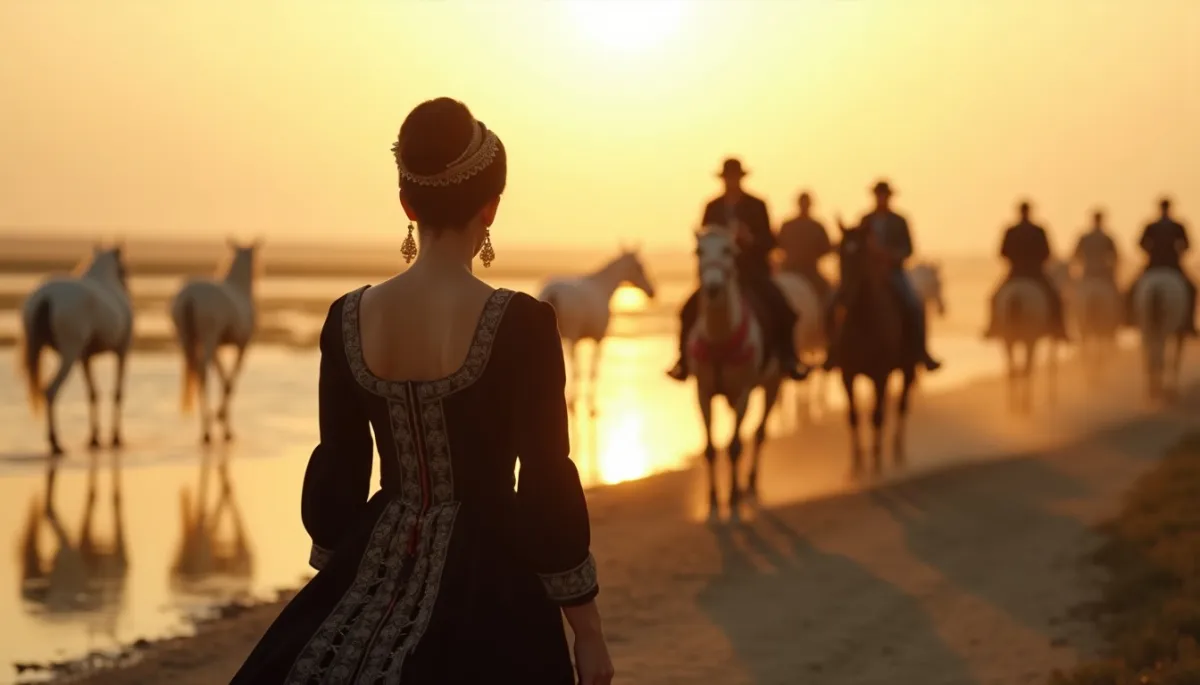
The Arlésienne costume is more than a dress; it is a living emblem of Provence and the Camargue. Between lace, gold and the dust of the manades, a tradition endures on horseback and in the memory of towns.
🚀 Key Takeaways
- Core concept : The Arlésienne costume embodies regional identity and connects with the manade culture of the Camargue.
- Practical tip : Visit a manade during a ferrade or the Saintes-Maries-de-la-Mer pilgrimage (May) to see costumes and gardians in action.
- Did you know : Alphonse Daudet's play "L'Arlésienne" (1869) and Bizet's music (1872) helped make the image of the Arlésienne famous across France.
She appears at the corner of a square, black velvet catching sunlight.
Imagine Arles at dusk, horse hooves echoing on ancient stones. A woman in satin and lace walks by a line of gardians, their wide-brimmed hats tilted, the banners of a manade flapping. The scene is charged: the costume, with its gold jewellery and embroidered skirt, frames not only a body but a story, one repeated at festivals, in portraits and in family albums passed down through generations.
Parure et mémoire
The Arlésienne costume is a composed ensemble: a lace coiffe, a fitted waistcoat in velvet, an embroidered skirt and heavy gold jewellery. Each element has a name and a function, and many pieces are heirlooms. Brides and godmothers often keep a set of earrings or a pendant worn for important rites.
That image travelled beyond Provence with literature and music. Alphonse Daudet's play "L'Arlésienne" (1869) cast the Arlésienne as an absent heroine; Georges Bizet's incidental music, arranged into suites in 1872, cemented the romantic and tragic aura associated with the figure.
Museums and local costumières preserve garments and techniques. Workshops in Arles and nearby villages still teach lace-making and embroidery, while municipalities catalogue donations of 19th and 20th century pieces to maintain continuity between the past and present.
Racines et gardians
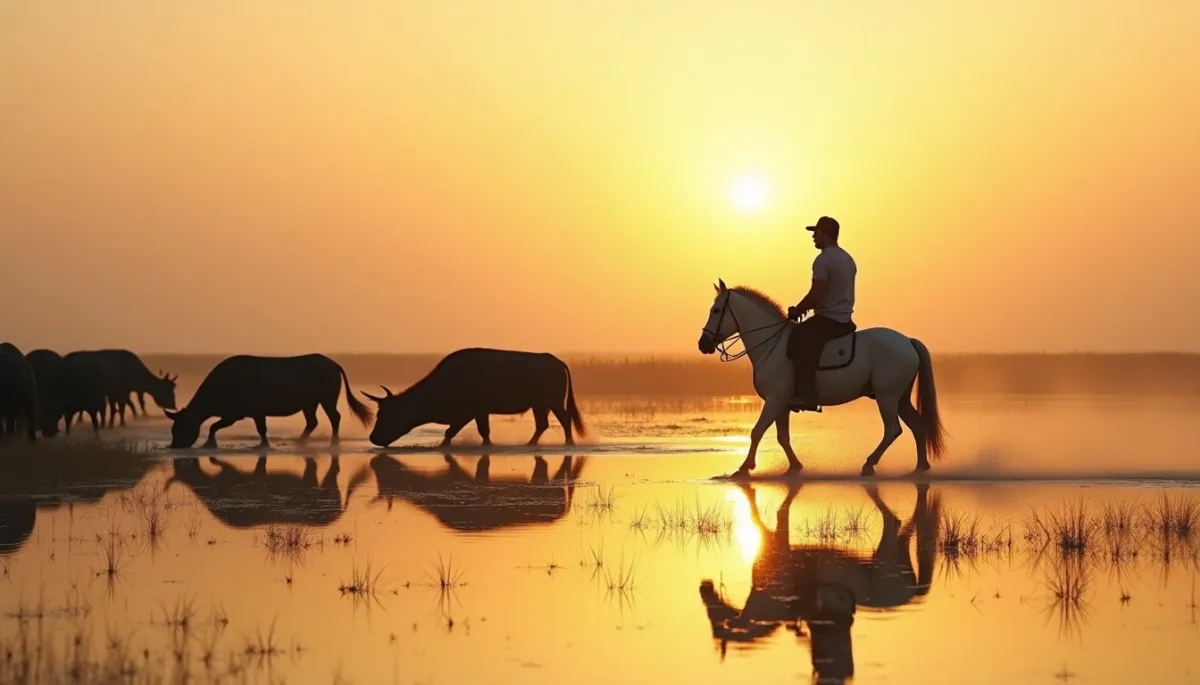
The world of manades is the pastoral counterpart to urban costume. A manade is a semi-wild herd of Camargue cattle or horses, managed by a manadier and his gardians. The term comes from Provençal traditions of herding, and the system matured during the 19th century as salt marshes and rice fields defined local economies.
Folco de Baroncelli-Javon (1869-1943) is a key figure in this story. At the turn of the 20th century he championed Camargue culture, helped found the Nacioun Gardiano in 1909, and worked to valorise the gardian, the horse and the manade as symbols of regional identity.
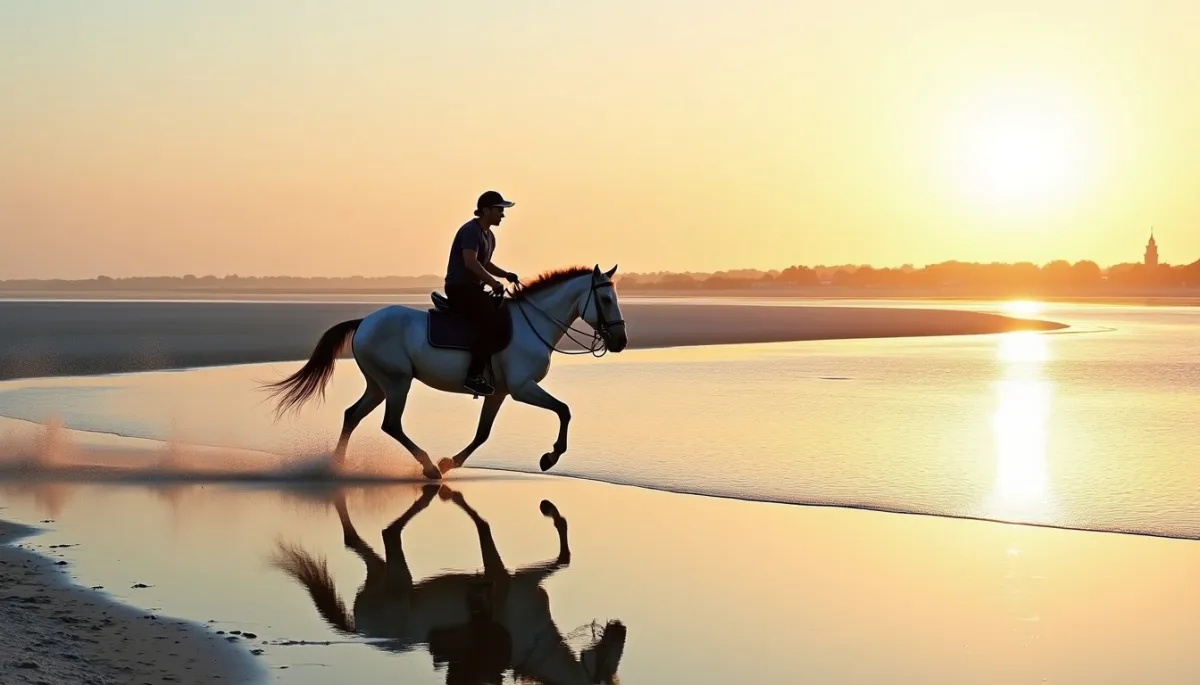
Events such as the Saintes-Maries-de-la-Mer pilgrimage in May gather shepherds and horsemen from across the region. There, the Arlésienne's costume and the gardian's outfit meet: families, confréries and manades parade, and centuries-old gestures are performed in public, reaffirming ties between town and marsh.
Gestes et usages
Many customs around costume and manades are practical. The coiffe protects from sun and insects, while heavy skirts were once suitable for sitting on wooden benches or saddles. Jewellery signalled social status and village affiliation; some brooches carried religious symbols or family marks.
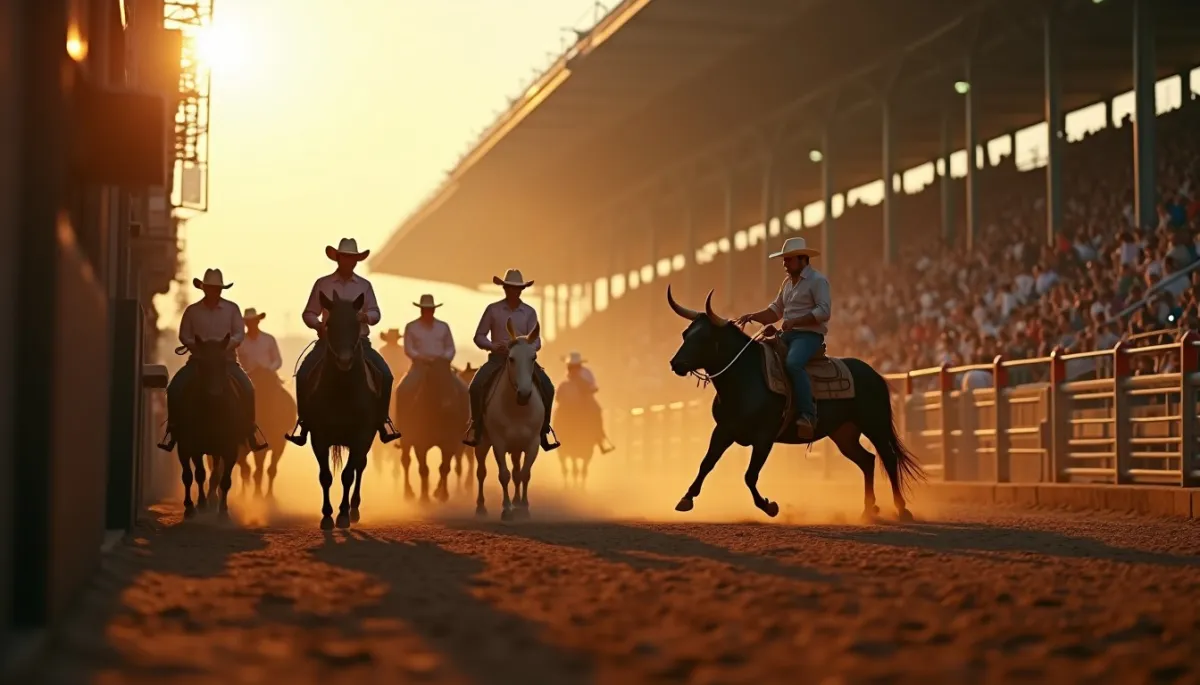
In the manade, rites like the ferrade (annual round-up and marking of animals) date back at least to the 19th century as organised spectacles. The ferrade is both a working day for branding and a social festival, with abrivados and bandidos animating town squares when the herd passes through.
For visitors, understanding these gestures is essential. Respect the gardians' commands, do not approach animals without permission, and ask before photographing personal jewellery or family groups wearing traditional costume.
Tensions et renouveau
Tradition is not frozen. Younger generations adapt costume elements, mixing them with contemporary fashion, while some manades turn to eco-tourism to survive. Economic pressures, land use changes and tourism reshape practices without erasing them.
Debates exist about authenticity and representation. Festivals sometimes stage a stylized Arlésienne for visitors; purists worry about kitsch, while local actors see these moments as opportunities to transmit skills and fund preservation efforts.
Practical advice: to experience authenticity, choose smaller manades that welcome visitors for guided tours, go during a ferrade or the Saintes-Maries pilgrimage, and buy local craftsmanship. Respectful curiosity helps keep the costume and the manade alive for the next generation.
The Arlésienne's dress and the world of manades form a duet. One sings the town, ornament and memory. The other answers with the earth, the horse and the herd. Together they write a living chapter of Provence, one of lace, leather and wind over the salt marshes.