5 historic manades to visit in southern France
The manade is more than a ranch, it is a living archive of the Camargue. From Arles to the delta's salt flats, five historic manades keep guardianship of animals, rites and landscapes.
🚀 Key Takeaways
- Core concept : The manade is the traditional free-range herd of Camargue bulls and horses (called gardians for the herders).
- Practical tip : Visit in spring or during a feria to see abrivado and triage; always call ahead for guided visits and respect grazing zones.
- Did you know : The Parc naturel régional de Camargue was established in 1970 to protect this unique marshland heritage.
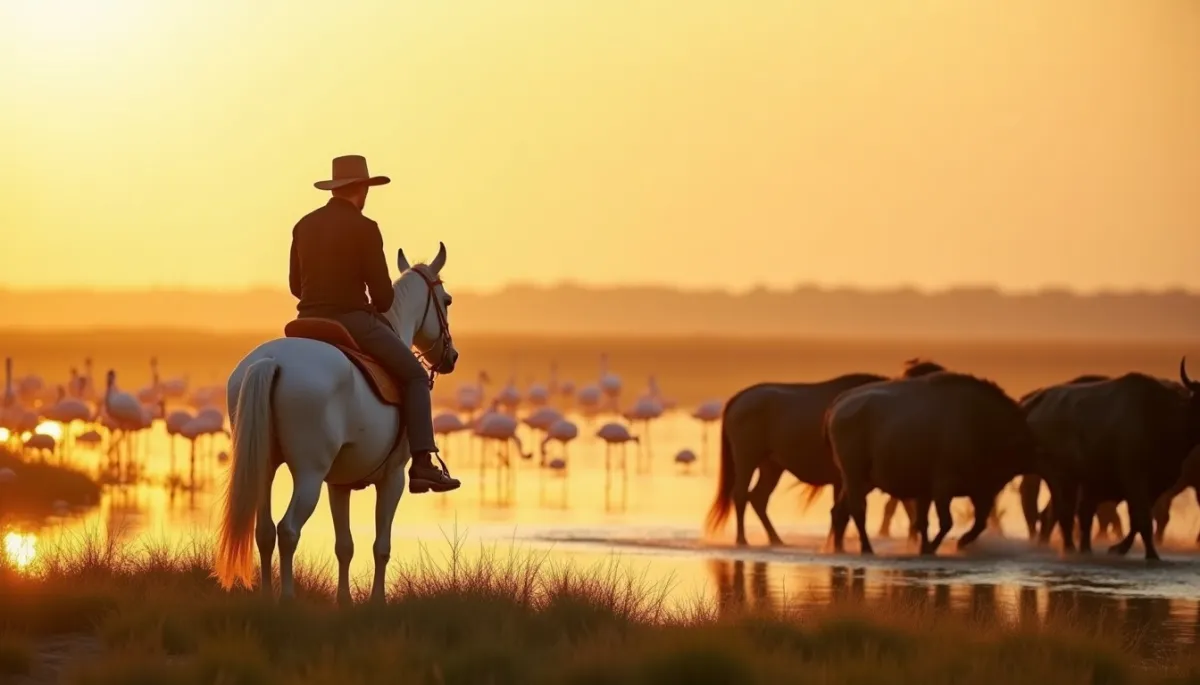
Step into hoofprints and salt air. Imagine a low sun, a white horse's silhouette, and the distant rumble of bulls moving through reeds.
La mémoire vivante
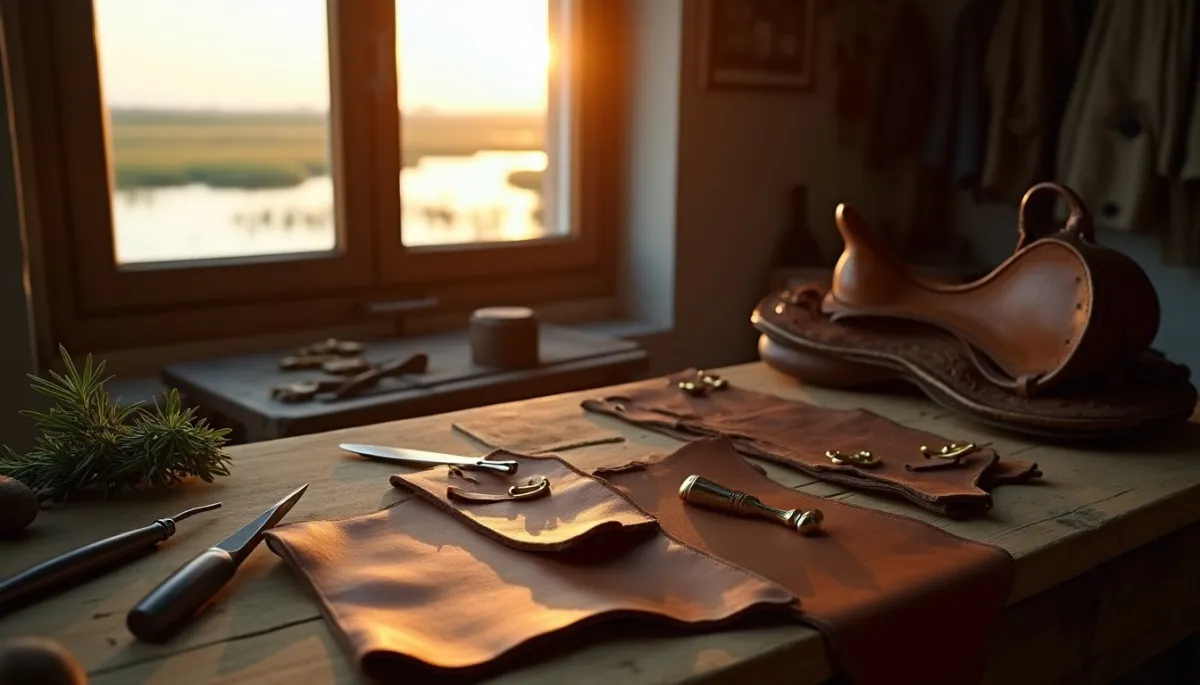
The first manade on our list is a household name around Arles, Manade Rey. For generations this family-run estate has been associated with both bulls and the black Camargue horse, and with the feria circuits of Arles. Visiting Rey is to meet gardians who still mend harnesses by hand and tell stories of feria triumphs.
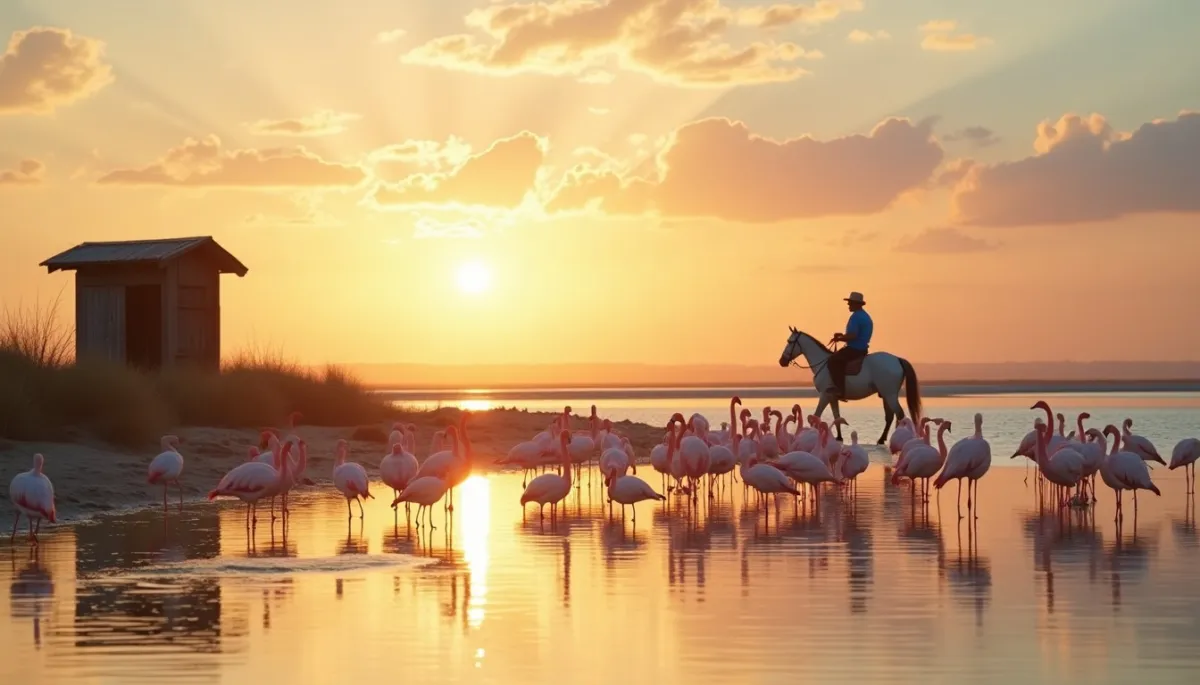
Nearby, Manade des Baumelles sits close to the sea and the salt flats. Its herds are adapted to briny grazing and the place is famous for long, dusk-time promenades when flamingos wheel above the marshes. Locals recall that Baumelles supplied bulls to several mid-20th century courses camarguaises and conserves rare bloodlines.
Further west, the Domaine de Méjanes blends history and modern conservation. The estate preserves old Camargue mares and bulls while opening trails for visitors. Méjanes illustrates how manades pivot between agriculture, tourism and biodiversity protection.
Pourquoi ces lieux
Manades exist because the Camargue's landscape—marshes, salt pans, and grassy rounes—favors free-range herding. The Occitan word manada (herd) became manade, the institutional form of this practice during the 19th century when families enclosed no more than the sea and sky.
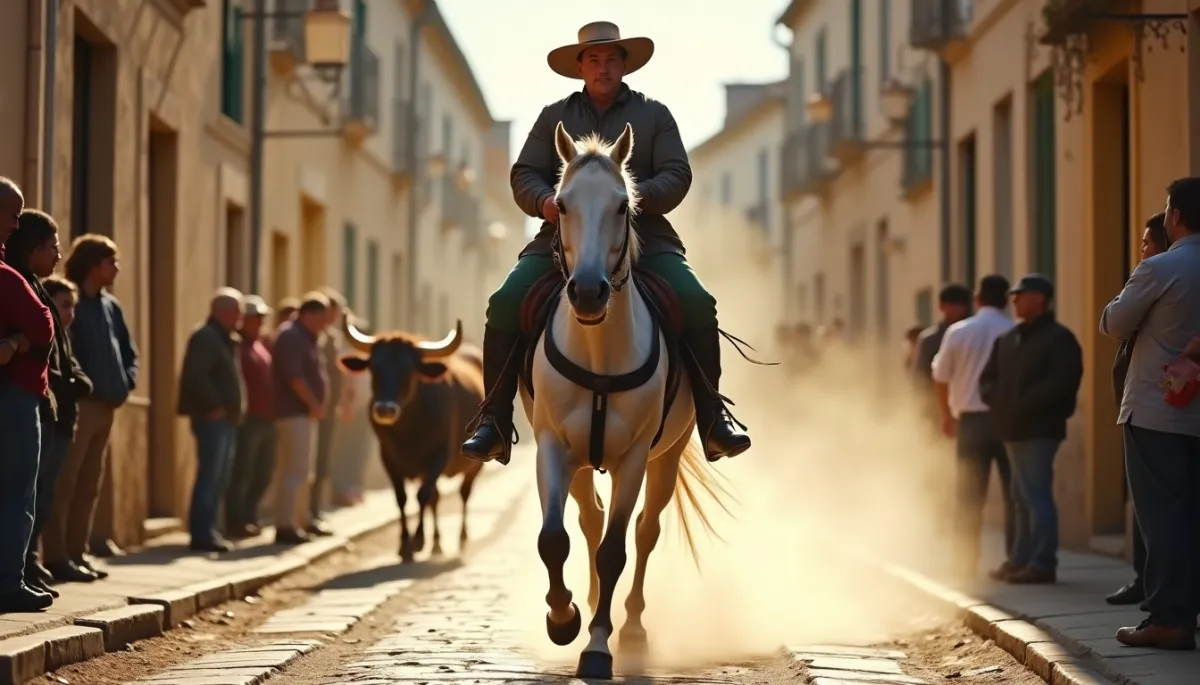
Gardians, the mounted herders, are central figures. Their leather gear, wide-brimmed hats and short lances are practical tools and cultural emblems. They organized abrivado (fast cattle runs) and ferrades (branding) that structured rural life and, in the 20th century, fed growing tourist fascination for the Camargue's authenticity.
Historical events shaped the manades. The 20th century saw the feria culture expand, boosting some manades into regional fame. The creation of the Parc naturel régional de Camargue in 1970 gave legal weight to conservation, encouraging several manades to protect native breeds rather than replace them with intensive farming.
Ambivalence et défis
Visiting these manades reveals paradoxes. Tourism sustains many estates, yet mass visits can disturb grazing patterns. Good manades manage this balance by offering guided, small-group tours and timing visits to non-sensitive periods for reproduction.
Climate change and urban pressure are current threats. Rising salinity, water extraction and land development have pushed some manadiers to adapt herd sizes and grazing itineraries. At the same time, renewed interest in local breeds and slow tourism gives hope for sustainable futures.
Practical advice for the traveler: book visits in advance, prefer spring and early summer for active herding scenes, bring binoculars for birdlife, and respect fences. If you want stories, ask for a gardian's name; they often answer with a tale about a bull, a feria, or an old mare that refused to cross a canal.
These five manades are doorways into the Camargue's soul. They preserve a living craft where horse and bull, water and salt, human skill and landscape remain inseparable. A visit is not spectacle only; it is participation in a fragile rural memory worth keeping.