Abrivado and Bandido: Inside France's bull spectacles
Abrivado and bandido are not mere parades. They are living moments where horses, bulls and townspeople rewrite an age-old pact between man and animal.From Arles to Saintes‑Maries‑de‑la‑Mer, these processions announce ferias, reveal Camargue identity and stir debates about tradition and modern ethics.
🚀 Key Takeaways
- Core concept : Abrivado = lively escort of bulls by gardians on horseback; bandido = the controlled movement or return of bulls, often slower and closer to the public.
- Practical tip : Watch from behind barriers, follow guards' directions, and avoid sudden movements. Weekends of the Arles feria (Easter and September) are prime moments.
- Did you know : The Camargue horse and the gardian are central to these rituals; courses camarguaises (non‑lethal) coexist with Spanish‑style corridas in southern France.
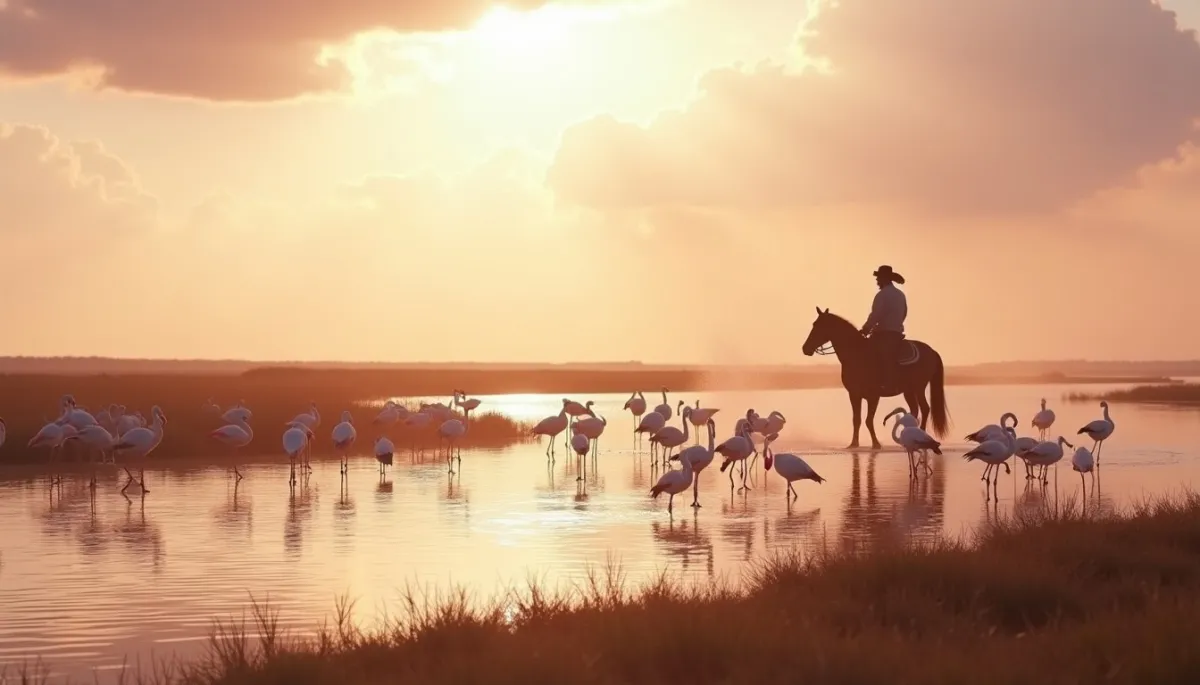
Feel the dust rise. A white Camargue horse, a gardian’s flat hat, and the thunder of hooves: the town changes tempo.
Rues en mouvement
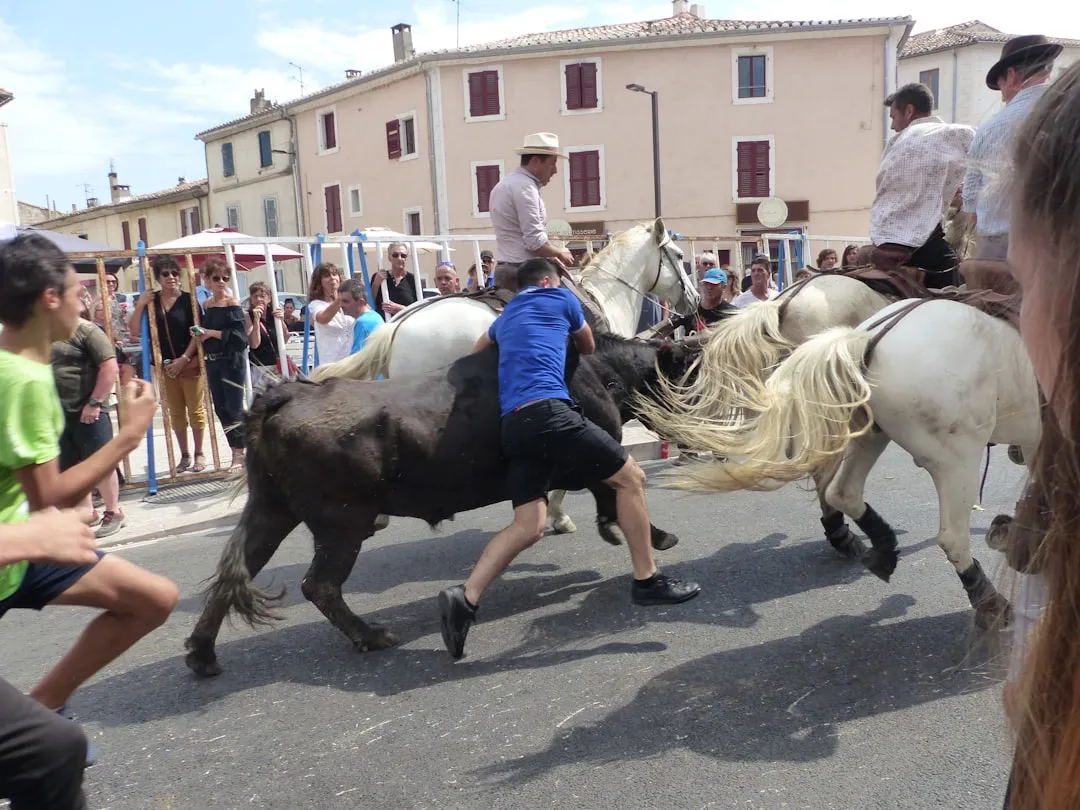
In an abrivado the spectacle is immediate. Bulls, often young and agile taureaux camarguais, are driven at pace through streets by gardians, the mounted herders who choreograph speed and direction. The effect is cinematic: animals and riders negotiate corners, crowds cheer, children press against railings.
Bandido is a cousin in mood but different in pace. Often occurring at the end or beginning of festivities, it moves animals more slowly, sometimes bringing the herd back to the manade or leading them from the arena into the town. It invites closer encounters: spectators may walk alongside, exchange a clap with a gardian, or feel the animal’s breath.
These processions take place during ferias and local celebrations. In Arles, abrivados animate the Easter feria and the Feria du Riz in September. In Saintes‑Maries‑de‑la‑Mer they punctuate the gypsy pilgrimage in spring. Each route, each plaza, has its choreography written by decades of practice.
Racines et gardians
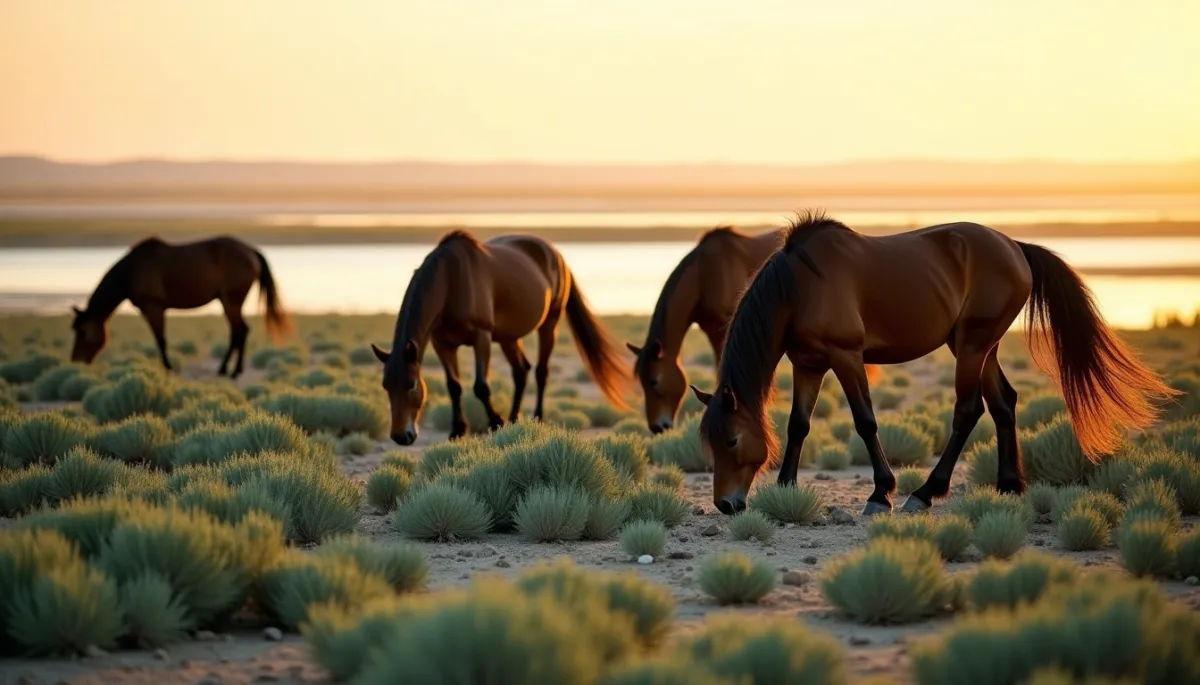
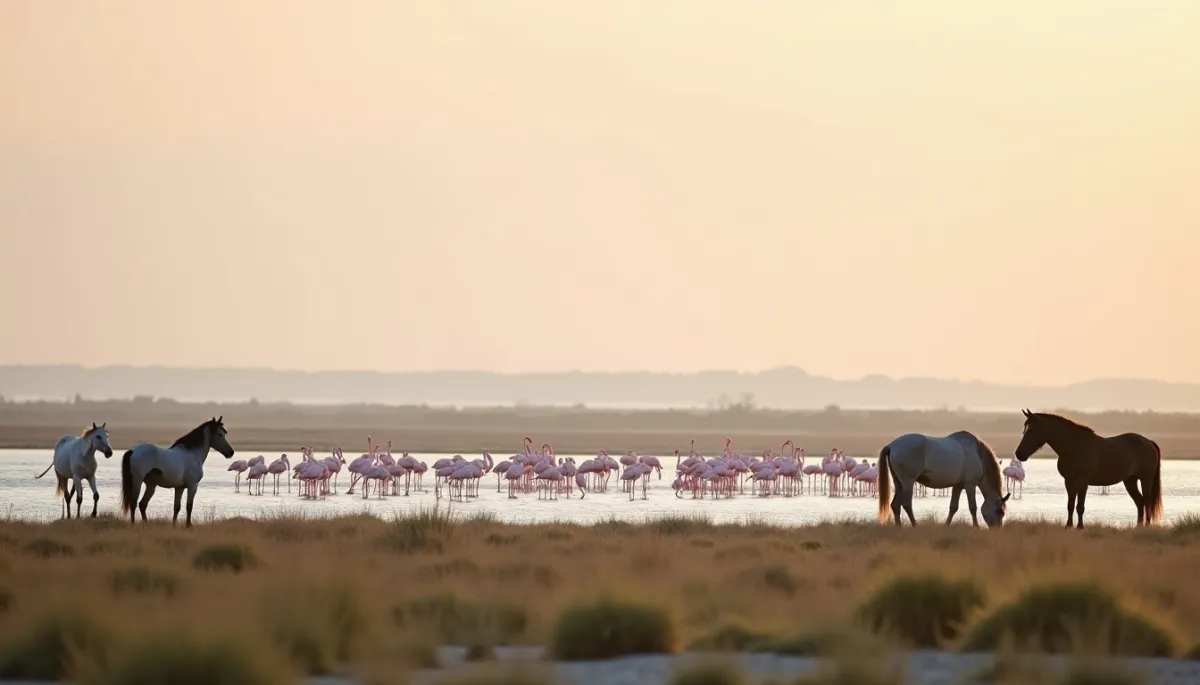
The roots run deep. The manade system (a free‑ranging herd managed by a manadier) and the figure of the gardian shaped Provence’s relationship with the bull and the horse. Gardians ride the compact, white Camargue horse, a breed adapted to marshes and sudden action.
Historically, herding practices evolved into public spectacles during the 19th and early 20th centuries as towns began to stage events in Roman arenas. Over time, abrivados and bandidos became markers of local identity, as important for social life as the market or the parish fete.
Names of manades and families are whispered with respect in the region. These herds are managed with strict rules: animals are bred for agility and health, not for slaughter in the arena when it comes to courses camarguaises, a sport where raseteurs snatch rubans (ribbons) from the horns without injuring the bull.
Tensions contemporaines
Yet modernity introduces tensions. Animal welfare organizations, urban growth, and new leisure habits challenge how these rituals are staged. Protests sometimes surface during ferias, calling for stricter protections or questioning lethal practices where they occur.
Administrations and organizers have responded with safety measures: reinforced barriers, trained stewards, clearer routes and schedules. Many towns now publish codes of conduct for spectators and run abrivados with a mix of speed and constraint to limit risks.
Despite debates, these events adapt rather than vanish. Some municipalities emphasize the cultural and non‑lethal aspects, spotlighting the gardian craft, traditional costumes, and the Camargue horse. Visitors find in abrivados and bandidos a way to witness a living countryside practice, provided they come informed and respectful.
Conseils pour assister
Choose the moment: early morning abrivados are less crowded and reveal the daily rhythm of gardians and manades. Weekends of Arles feria offer the most spectacular lineups.
Respect the barriers and the instructions of stewards. Never step onto the route or attempt to touch a bull; sudden gestures provoke risk and strain the ritual’s balance.
Talk to a gardian if possible. They are proud to explain the manade, the marking, and the subtle language of hooks and ropes. That conversation often becomes the best souvenir: a human story linking marsh, horse and herd.
In the end, abrivado and bandido remain exchanges between a land and its people. They are less about confrontation and more about control, memory and the stubborn poetry of the Camargue.