Alberta cowboys: the overlooked legacy of the Canadian Wild West
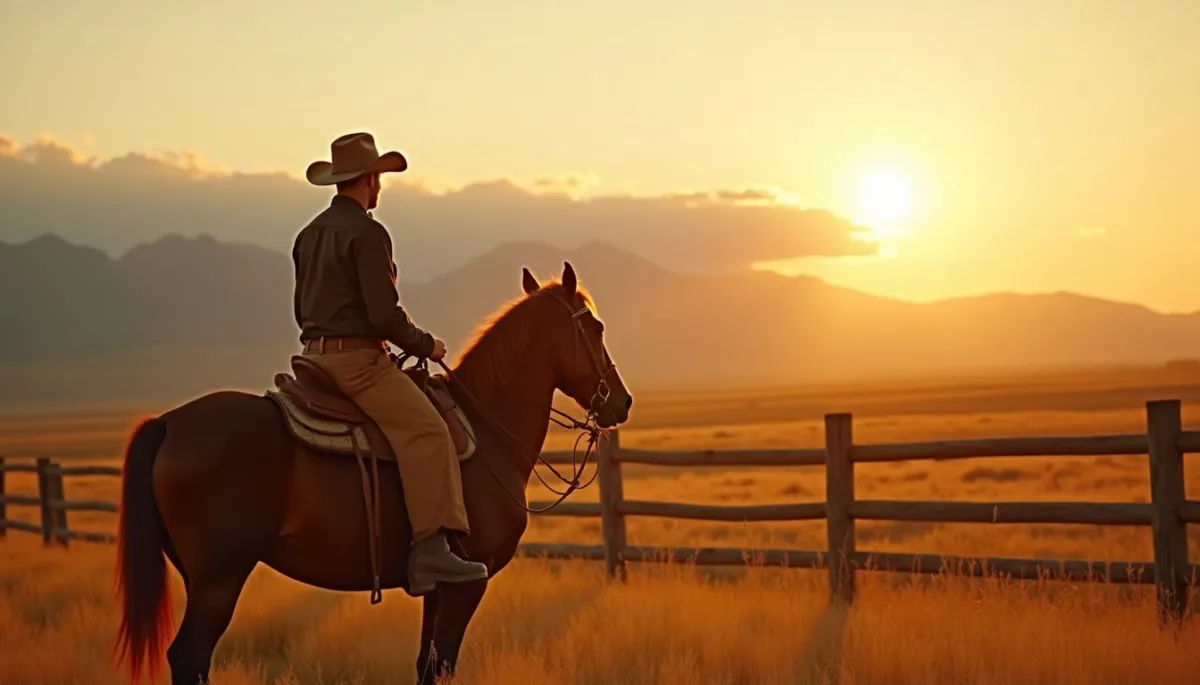
From the foothills of the Rockies to the rodeo arena, Alberta keeps a living thread of the North American cowboy. Its story blends Indigenous horsemanship, immigrant ranchers and pageantry that made the Calgary Stampede famous.
🚀 Key Takeaways
- Core concept : Alberta developed a distinct cowboy culture from the late 19th century, shaped by Métis, First Nations and European settlers.
- Practical tip : Visit the Calgary Stampede in July and the Bar U National Historic Site near Longview to feel the heritage.
- Did you know : Chuckwagon racing began at the Stampede in 1923, and rodeo events such as bronc riding were refined in Alberta.
There is a dirt smell that feels like history. You hear the rattle of tack and distant hoofbeats, a sound that has shaped Alberta for more than a century.
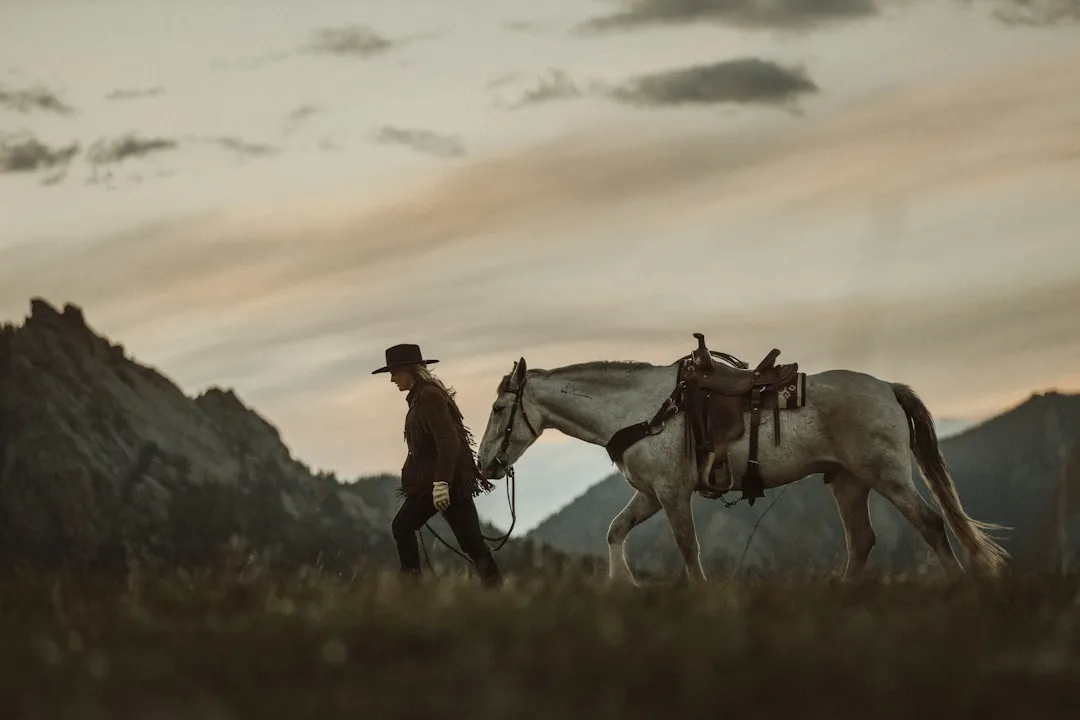
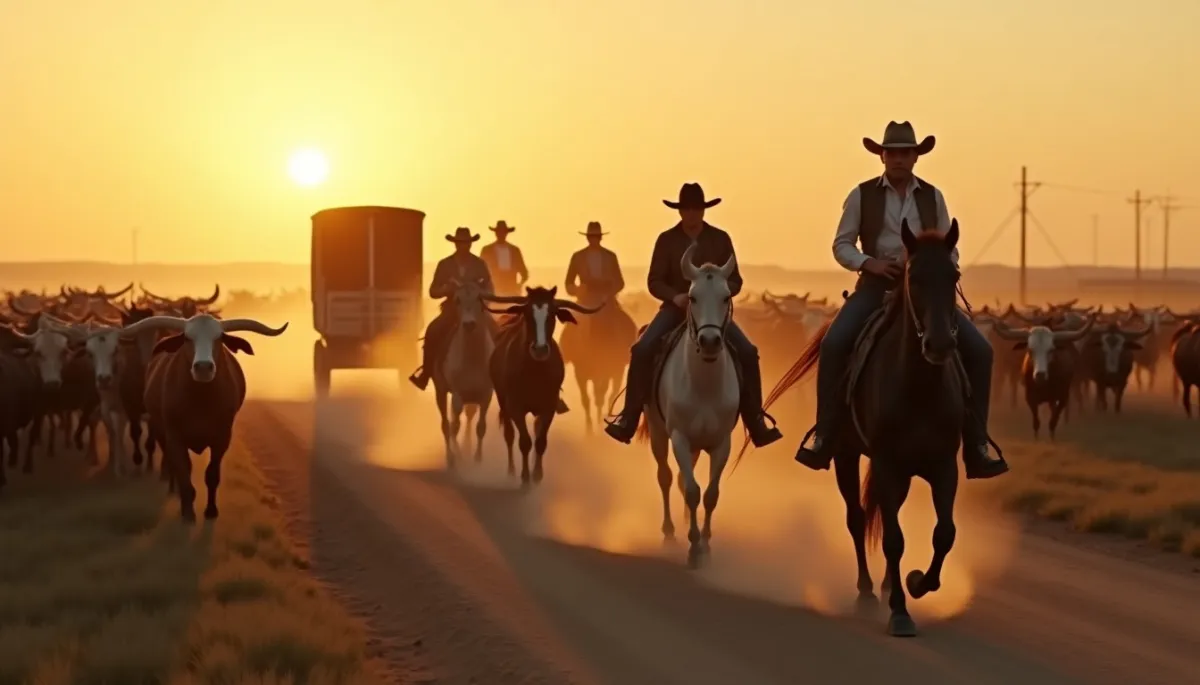
Imagine a ranch at dawn, foothills backlit by gold, a hand-stitched saddle, and a cowboy who could be Métis, Scottish, French Canadian or recent immigrant. This is not a film set. It is the ranch country of southern and central Alberta, where cattle drives, roundups and the rhythms of the land created a regional version of the Far West.
Echoes on the range
The characters are many. In 1912, Guy Weadick staged the first Calgary Stampede with support from the so-called Big Four, ranching patrons including Patrick Burns and George Lane. That event turned a local roundup into an international spectacle.
Ranch names still spoken with reverence include Bar U, a historic operation dating to the 1880s and today preserved as a National Historic Site. Bar U bears witness to cattle breeding practices, ranch architecture and everyday life between the Rockies and the prairie.
Cowboy crafts are concrete: bronc riding, roping, chuckwagon cooking. Chuckwagon races, introduced at the Stampede in 1923, became a thrilling, though controversial, tradition. Many of the rodeo events saw rules and techniques refined by Alberta hands through the 20th century.
Roots of a tradition
The cause of this culture lies in geography and timing. After the completion of the Canadian Pacific Railway in 1885, Alberta opened to large-scale settlement and market cattle ranching. Vast grasslands and access to eastern markets led to boom years from the 1880s into the early 1900s.
Equally important were people. Métis and First Nations riders, with generational horsemanship, became integral to early cattle work. Immigrant ranchers from Scotland, England and elsewhere brought capital and new methods. Figures like Patrick Burns (1856-1937), who moved from meatpacking to ranch ownership, helped professionalize the business.
Events and institutions followed. Rodeos evolved from practical contests at roundup time into organized competition, while the Calgary Stampede, first held in 1912, packaged frontier skills into spectacle, drawing visitors, investors and media from across North America.
Contrasts and continuities
Yet the story is not only romantic. Alberta ranching faced busts, droughts and market upheavals. The 1920s and 1930s brought hard lessons, as did modernization that reduced hand labor and changed grazing patterns.
There are also tensions around representation. Indigenous contributions were long minimized in popular narratives, even as Métis and First Nations cowboys were essential to everyday ranching. Recent decades have seen efforts to correct the record, with museums and local storytellers highlighting diverse voices.
Today the legacy survives in living practice. Modern ranching coexists with heritage tourism: you can sleep at a guest ranch, watch a rodeo, tour a historic barn, and learn about land stewardship. For visitors from Camargue, parallels are immediate: gardians and cowboys both read the horizon, work horses and shape communal festivals tied to livestock.
Practical advice: plan a July trip for the Calgary Stampede, book a guided visit to Bar U near Longview, and stop at the Glenbow Museum in Calgary for archival exhibits. When you listen to a mounted rider tell an old roundup story, you are hearing a layer of Canadian history not always shown on postcards.