Alberta cowboys: the hidden legacy of the Canadian plains
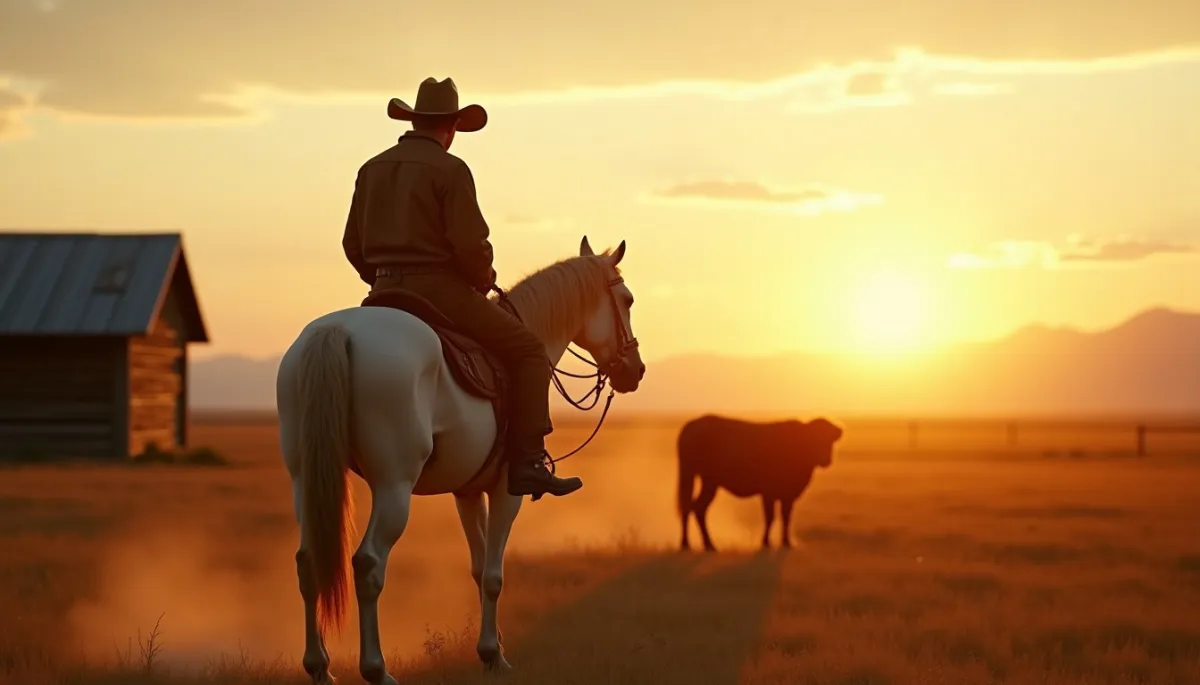
Two sentences set the scene, placing people and place in time. The cowboys of Alberta trace a living line from the 19th century prairie to today, their stories still echoing across grass and gravel. Read on to discover who they were, why they matter, and where to meet their legacy.
🚀 Key Takeaways
- Core concept : Alberta developed a distinct cowboy culture that shaped Canada's ranching identity.
- Practical tip : Visit Bar U National Historic Site and the Calgary Stampede in July to experience living history.
- Did you know : Figures like John Ware and the "Big Four" helped turn prairie ranching into an industry and a myth.
Wide sky, warm dust under boot soles. Imagine a ranch hand spurring across short grass at sunrise, hat tipped, breath visible in a crisp morning.
Echoes on the range
By the 1880s Alberta had become a crossroads of riders, herds, and railways. The completion of the Canadian Pacific Railway in 1885 accelerated settlement, and large ranches multiplied on prairie lands leased from the Hudson's Bay Company and later the Dominion government.
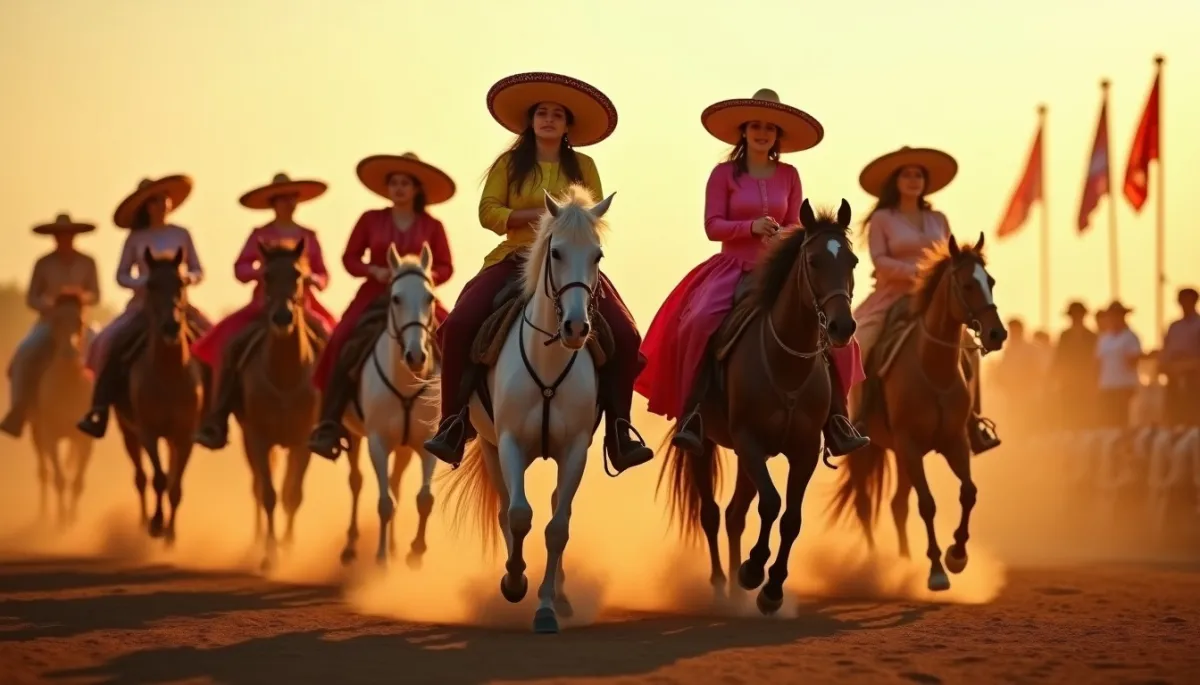
Some names became household legends. The Calgary Stampede, launched in 1912 by the so-called "Big Four" (Patrick Burns, George Lane, A.E. Cross and A.J. McLean), turned ranch skills into spectacle. The chuckwagon races and rodeo events attract hundreds of thousands of visitors each July, keeping a living link with the working cowboy.
Historic sites still stand. Bar U Ranch, established in 1882 and now a National Historic Site near Longview, preserves corrals, bunkhouses and storylines of cattle drives, winter losses and day-to-day horsemanship. These places let visitors touch tack and imagine the rhythm of branding and night watches.
Racines et routes
The roots of Alberta's cowboy culture are complex and continental. American cattlemen moved north after the Civil War, bringing techniques from Texas and Montana. At the same time, Métis, Indigenous riders and immigrants contributed local knowledge about the land and animals.
John Ware, born around 1845 and deceased in 1905, is a central figure. Enslaved in the American South as a youth, he came to Alberta and became famed for his courage, horsemanship and ranching skill. Ware's life is part documented history, part legend; there are monuments and a recent revival of interest that highlights his role in building the ranching economy.
Economic demand drove growth. Late 19th and early 20th century markets for beef, plus government land policies and the railway network, created incentives to raise large herds. Ranching was a capital-intensive, risky business. Harsh winters and market swings forced adaptation, turning some family outfits into corporate operations and others into preserved heritage sites.
Entre traditions et défis
Today Alberta cowboys balance tradition and modern pressures. Rodeos and museums celebrate rodeo lore, but working ranches face labour shortages, changing land use, and environmental constraints. Severe winters remain an ever-present hazard, recalling the great prairie losses that reshaped operations in the past.
There are contradictions in the myth. The romantic image of the lone rider masks a collaborative economy that relied on seasonal workers, Indigenous labour, and immigrant hands. Conservationists and ranchers sometimes disagree over grazing, wetlands, and predator management, creating debates about heritage versus ecology.
For travellers keen to learn, the advice is simple. Time your visit to late June or July for rodeo season, attend guided ranch tours (ask about safety and etiquette), and seek out Indigenous and Black histories connected to the land. The best stories come not from postcards, but from conversations with current ranchers, museum interpreters, and local historians.
In the end, the cowboys of Alberta are both a job and a cultural thread. Their legacy lives in song, in saddle, and in institutions that interpret the past without freezing it. Cross the plains and you will find traces of that history in fences, in names carved into corrals, and in the steady patience of horses bred to the prairie.