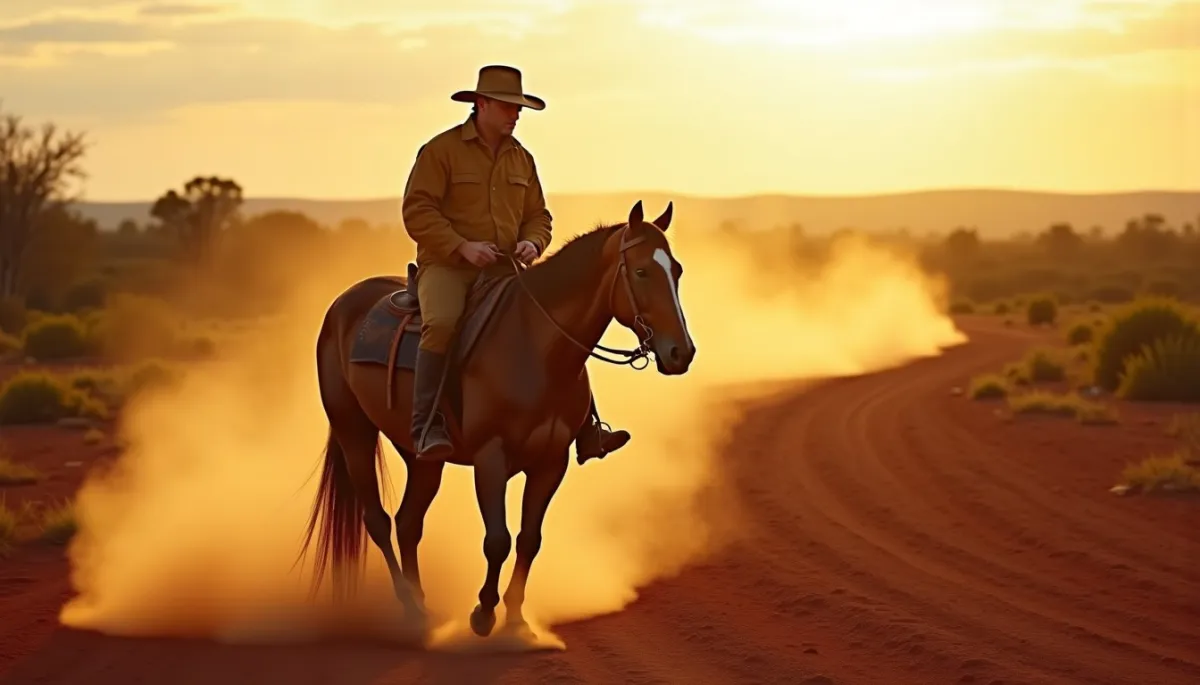
The Azteca horse: the vaqueros' royal mount
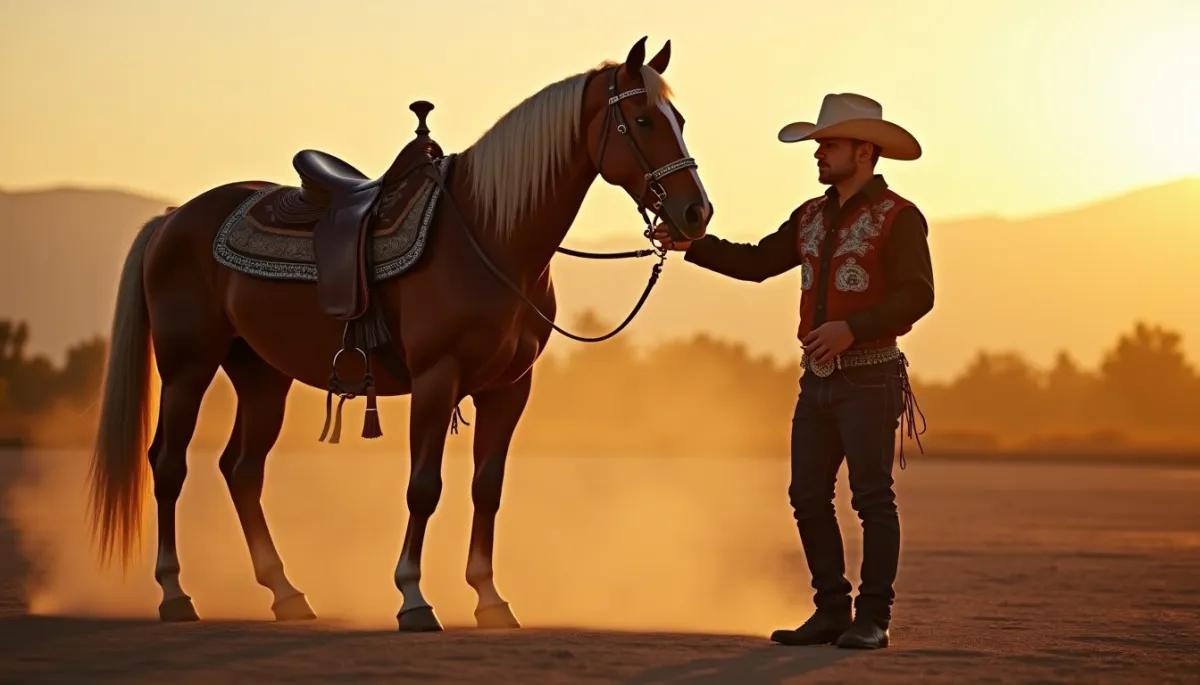
The Azteca horse embodies Mexican equestrian pride, a living bridge between Iberian elegance and American stock power. Born to work the ranch and to shine in the charreada, it is both athlete and symbol.
🚀 Key Takeaways
- Core concept : A Mexican sport horse blending Andalusian and Quarter Horse traits.
- Practical tip : For ranch work, pair with flexible, well-fitted western tack and regular farrier care.
- Did you know : The name evokes Aztec heritage and national pride, not a direct genetic link to prehispanic horses.
It moves with purpose. Imagine a dusty plaza in Jalisco at dawn, a vaquero tightening his cinch while an Azteca pawing the ground watches the sun lift above the sierra.
royal monture
The Azteca is a modern Mexican horse designed to excel in charreada, working with cattle, and in modern equestrian sport. Riders praise its balance, intelligence, and the smoothness of its gaits, qualities that make it comfortable both for daily ranch work and for show.
Physically, it often shows the arched neck and nobility of Iberian blood, combined with the compact, powerful hindquarters of American stock breeds. Typical height ranges from about 1.45 to 1.60 meters, giving it a versatile silhouette, neither too heavy nor too light.
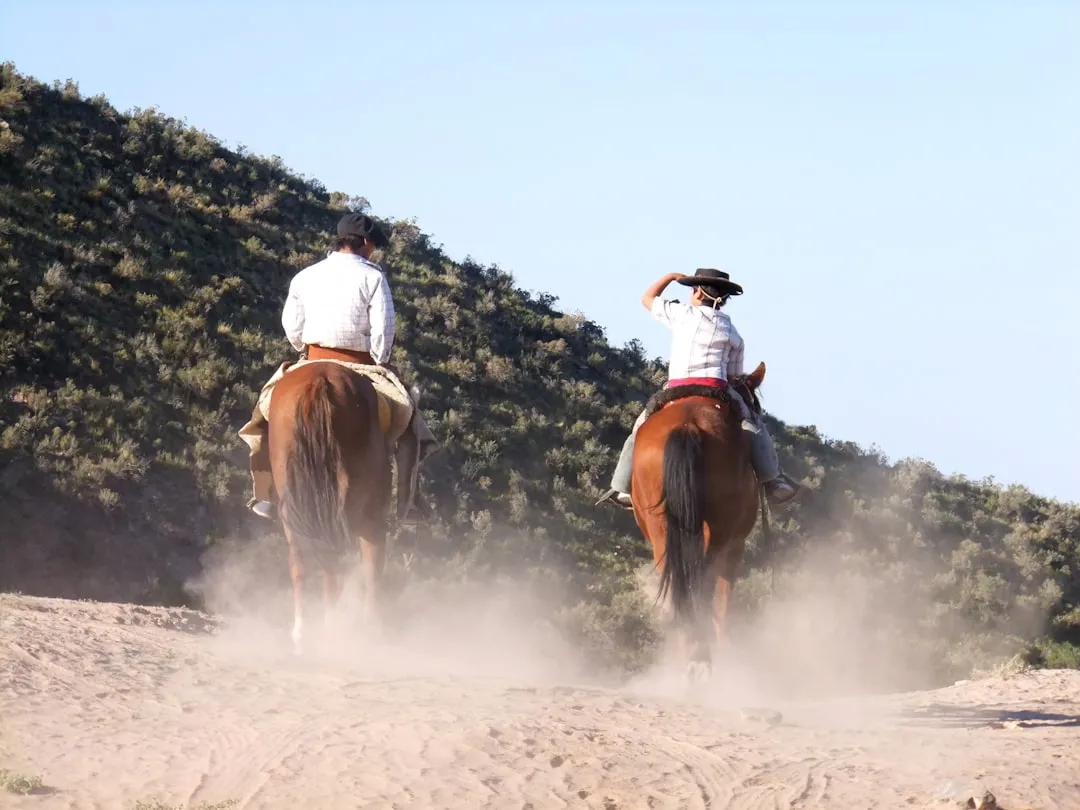
In practice, Aztecas are seen at escaramuzas, charro performances and sport competitions across Mexico and the United States. Their temperament, calm but responsive, made them favorites among vaqueros who needed a mount able to turn quickly and endure long days in the saddle.
croisements fondateurs
The breed emerged from intentional crossings. Breeders aimed to combine the agility and presence of Andalusian (Pura Raza Española) horses with the strength and cow sense of Quarter Horse lineage, often adding Criollo or local Mexican stock to enhance hardiness.
These selective matings began in the late 20th century, when Mexican breeders formalized standards to produce a true national sport horse. The goal was clear, to create a mount that could answer the demands of charreada while carrying an aesthetic linked to national identity.
Anecdotes from studs in Jalisco and Michoacán describe careful selection over generations, with breeders tracking bloodlines, temperaments and conformation. That patient work produced the consistent traits admired today.
entre traditions
Yet the Azteca carries contradictions. It is marketed as a symbol of Mexican heritage while using Iberian bloodlines introduced during the colonial era. The name evokes ancient empires, but the breed itself is recent and deliberate.
Another tension concerns standardization versus versatility. Registries set criteria for height, conformation and allowable colors, which helps preserve type, but some riders prefer looser definitions to keep the breed practical for rugged ranch life.
Ultimately, the Azteca thrives because it balances show and work. For those who know the Camargue horse, parallels appear: both breeds are tied to a regional identity, used for cattle work, and admired for hardiness. The lesson for breeders and riders is to respect tradition while letting the horse remain a working partner.
Practical advice. For a prospective owner, prioritize temperament and training history over flashy papers. Regular hoof care, a diet adapted to local forage, and saddle fit are essentials. For Camargue riders curious about the Azteca, a cross-cultural exchange of techniques can enhance cattle work on both sides of the ocean.