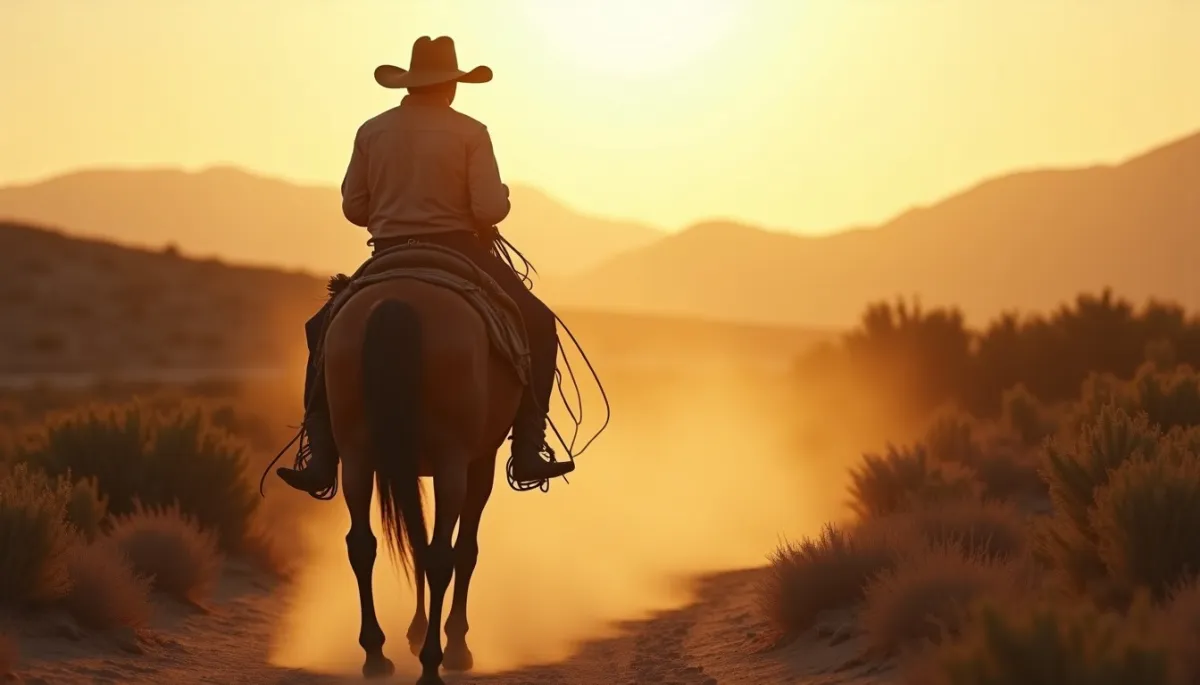
Brumbies: the wild horse myth of the Australian Outback
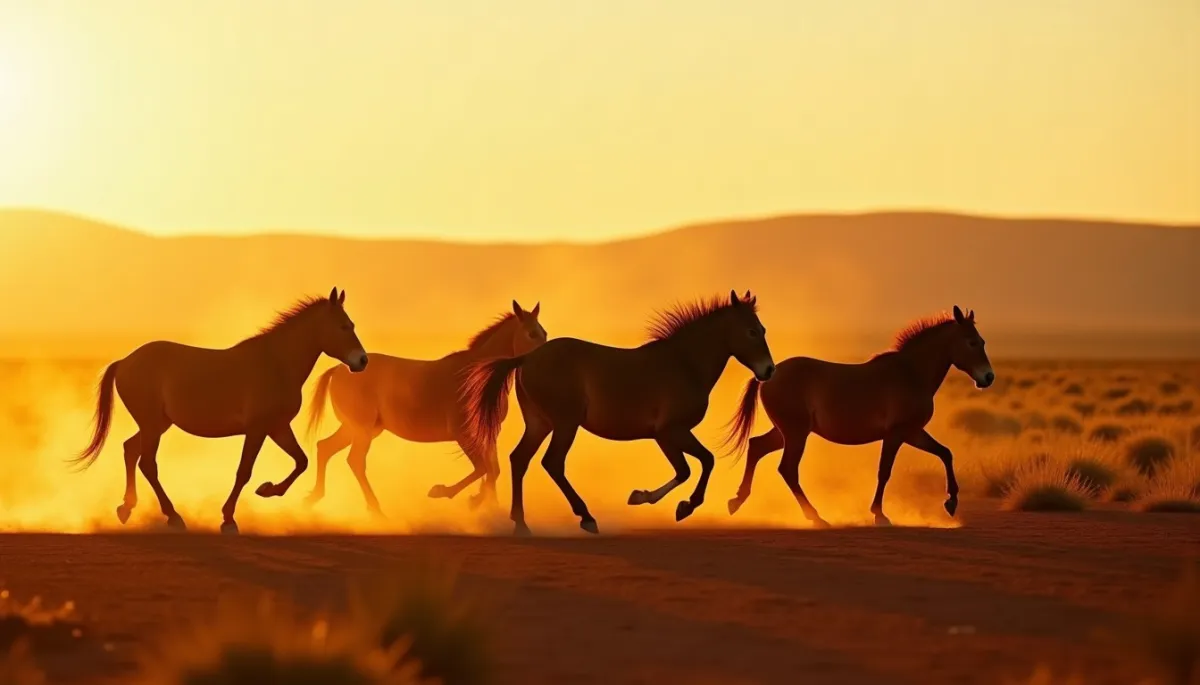
Across the red plains and alpine ridges of Australia, the brumby gallops between myth and management. These free-roaming horses embody frontier romance, ecological debate, and the clash of cultures on a vast land.
🚀 Key Takeaways
- Key concept: Brumbies are feral horses descended from escaped or released domestic stock, now wild across Australia.
- Practical tip: If you spot brumbies, keep distance, do not feed them, and favor dawn or dusk for observation and photos.
- Did you know: The poem "The Man from Snowy River" (1890) helped fix the image of the mountain horse in Australian culture.
They appear out of heat haze and dust. Imagine a small herd, heads high, manes flying, crossing a saltbush plain at dusk.
Edge of the Outback
Brumbies are the free-roaming, feral horses of Australia. Populations exist from the high country of the Snowy Mountains to the deserts of the Northern Territory, and across Queensland, New South Wales, Victoria and South Australia. Their numbers are hard to pin down, and estimates vary by region and season.
Their presence is visible in landscape and legend. Early settlers, drovers and mountainmen left behind or lost stock, and by the 19th century escaped horses had adapted to Australia’s extremes. The popular image of the brumby—lean, sure-footed, alert—was cemented by rural poems and later by films set in the high country.
For travelers the sight of a brumby herd is cinematic. You might find them near river red gums, on alpine scree, or grazing saltmarsh flats. Their behaviour varies: some herds are wary and flee at the first sign of people, others show a curious tolerance developed near remote cattle camps or tourist tracks.
Wild roots
Horses arrived with Europeans. Records point to the late 18th and early 19th centuries as the period when horses became common in the colonies. The pastoral boom of the 1800s multiplied stock across remote runs, and many animals escaped or were abandoned. Over generations these animals reproduced and formed self-sustaining populations, the brumbies we know today.
The name brumby has uncertain etymology. One theory links it to a colonial figure named Brumby, another suggests Aboriginal influences or a slang term from early settlers. What matters more is the lived reality: these horses adapted to harsh climates, developed local types, and sometimes hybridized with imported breeds.
Culture embraced the brumby. Banjo Paterson’s 1890 poem "The Man from Snowy River" captures the mountain horse spirit, and the story was later popularized by films and local tales of mountain riders. For communities in the Alps and Outback, brumbies are part of regional identity, like the Camargue horse is to southern France, a living emblem shaped by land and labor.
Tracks and impacts
That romance conflicts with ecology. Feral horses can damage fragile alpine soils, trample wetlands, and compete with native herbivores. In Kosciuszko National Park, for example, brumby impacts on peatlands and water catchments have been documented and debated for decades, pushing authorities to develop management strategies.
Management tools include mustering for rehoming, trap-and-remove programs, and aerial culling where populations are large and remote. Each method has critics and supporters. Animal welfare groups, local horse lovers and some Indigenous voices sometimes oppose lethal control, while conservationists and park managers stress the need to protect threatened native plants and animals.
Numbers and policy shift over time. In recent years, state governments and conservation bodies have alternated between targeted removals and community-led rehoming initiatives. The outcomes are mixed, and the dispute often becomes a proxy for broader tensions about land use, heritage and who decides the future of public country.
Riding both ways
Why do brumbies persist? They are biologically resilient. Horses can survive drought, find dispersed water, and exploit a wide diet. Socially, some rural families and riders maintain small herds for practical or sentimental reasons. Meanwhile, tourism and media continue to make brumbies visible; sightings generate attention and campaign energy.
Yet the contradictions are stark. A creature celebrated in folklore becomes, in another register, an invasive species needing control. This dual role explains the strong emotions around any management plan. It also opens space for compromise: humane mustering, expanded adoption programs, citizen science monitoring, and conversation with First Nations people about cultural values and land health.
For travelers and enthusiasts there are simple actions: respect boundaries, photograph from a distance, and support local programs that prioritize welfare and ecology. In the Camargue, gardians manage semi-feral herds in ways that balance tradition and habitat care, a useful analogue for Australian managers seeking culturally sensitive solutions.
Last light
Brumbies will continue to gallop across the Outback in memory and in flesh. Their future depends on policy choices, community will, and ecological realities. They are a reminder that landscapes carry layered histories: of people, animals, economy and art.
When you stand on an Australian ridge as the sun falls and a brumby crosses the skyline, you witness a living paradox. The scene asks us to think about belonging, stewardship and the cost of romanticizing the wild without caring for its neighbors.