Calgary Stampede: everything you need to know about the largest rodeo in the world
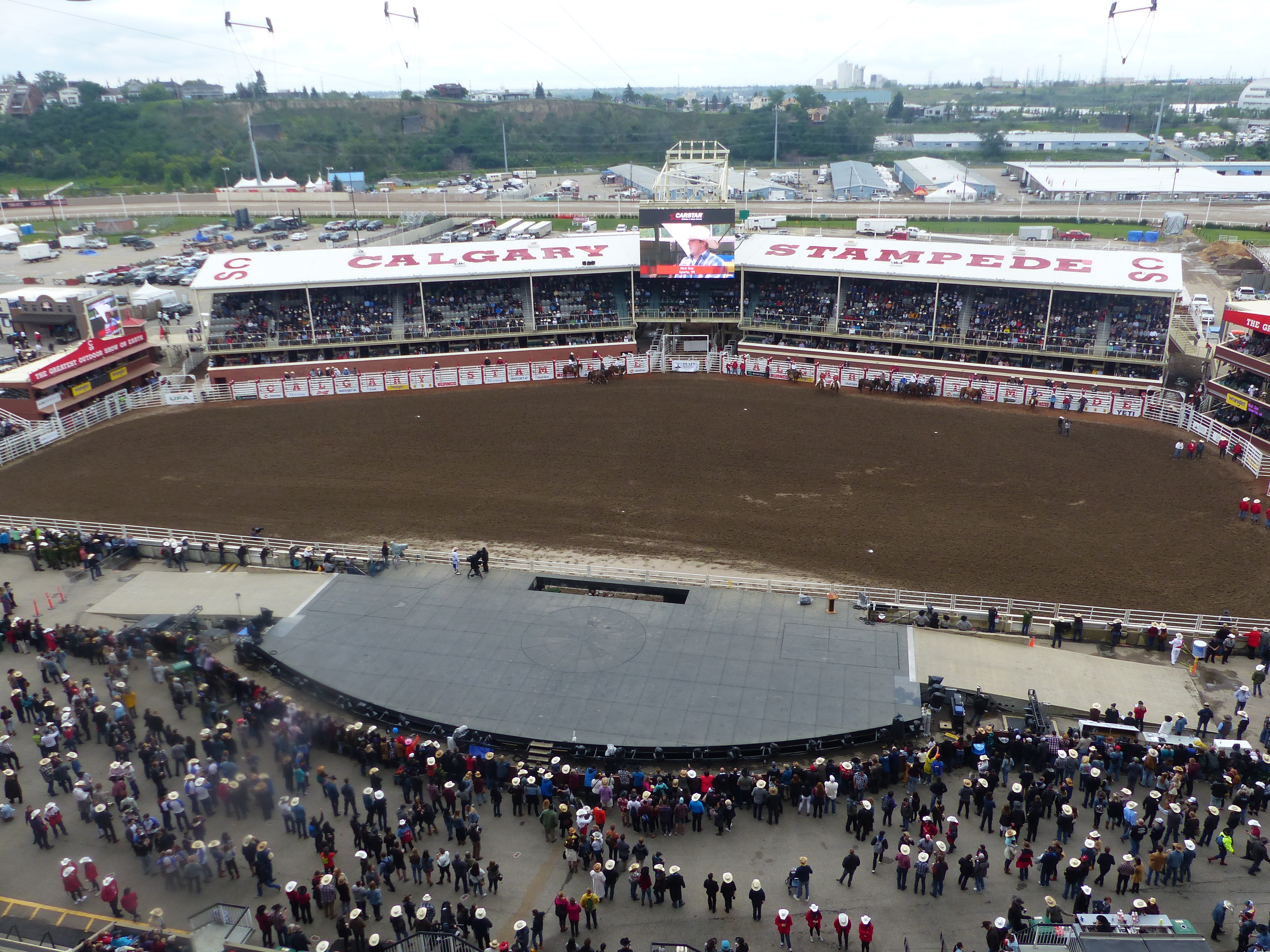
Every summer in July, the Calgary Stampede transforms the city into a loud, dusty, vibrant celebration of cowboy culture. For ten days, horsemen, chuckwagon teams, indigenous artists and more than a million visitors celebrate traditions rooted in breeding and working with livestock.
🚀 The essentials
- Key concept: The Calgary Stampede is a ten-day festival in July focused on professional rodeo, chuckwagon racing, a grandstand show and extensive cultural programming.
- Practical tip: Reserve your seats for the grandstand or rodeo in advance, arrive early for the pancake breakfasts and the parade, and use public transportation to avoid limited parking.
- Did you know: The event attracts more than a million visitors each year, making it one of the largest open-air shows in the world.
The Stampede is not just sport, it is a living museum of ranch culture and horsemanship. Since its beginnings at the beginning of the 20th century, the festival has become a collective ritual that combines competition, music, indigenous cultures, agriculture and funfairs.
For the visitor new to the Stampede, the experience can seem intense. This guide brings you the essential history, can't-miss events, practical tips and tricks for enjoying the rodeo without getting lost in the fray.
History and identity
The Stampede was started in the early 1900s by promoters wanting to celebrate ranch life and attract visitors to Calgary. From humble beginnings, the event has grown to become the international attraction it is today, often dubbed the "greatest outdoor show". Its identity combines commercial staging and authentic ranch competitions, a duality which gives it great strength.
Indigenous nations have a historic presence at the Stampede, with cultural and artistic presences accompanying the events. Today's programming seeks more collaboration and mutual respect. Understanding that the Stampede is both a competition and a cultural meeting place helps to understand its overall appeal.
What you will see on site: the unmissable shows
At the heart of the Stampede is professional rodeo: saddle bronc, bareback, bull riding, steer wrestling, team roping and barrel racing. These events highlight very high level athletes and true equestrian know-how. Chuckwagon races are another iconic spectacle, fast and noisy, which captivate the stands.
Aside from the competitions, expect a big nighttime spectacle with music and fireworks, a large funfair, agricultural exhibitions, animal competitions and indigenous cultural presentations. Don't miss the opening parade and the pancake breakfasts organized by local associations, a friendly and tasty tradition.
When to go and how to get tickets
The Stampede takes place for ten days in July. For the full atmosphere, choose the opening weekend for the parade and concerts, or the closing weekend for the rodeo and chuckwagon finals. During the week, the crowds are more moderate, ideal for families or a quieter visit.
Reserve your grandstand and rodeo tickets in advance through the official website or authorized resellers. Many sessions are sold out, especially the championship events. Plan for public transportation and arrive early, as parking around Stampede Park is limited and expensive on peak days.
Practical advice and interpersonal skills
In terms of equipment: sunscreen, wide-brimmed hat, hearing protection for children and comfortable shoes will make your days easier. The climate in Calgary can change quickly, hot during the day and cool in the evening, consider layering clothing. Hydration is essential in the summer sun.
Respect animals and artists, follow signage and be attentive in indigenous cultural spaces. The volunteers and associations who run the breakfasts and stands bring the event to life; polite behavior and a reasonable tip are appreciated. Arriving early allows you to take full advantage of the parades and quieter events.
Where to sleep and how to get around
Calgary offers a range of accommodations, from downtown hotels just steps from Stampede Park to suburban options with public transit connections. Book several months in advance for Stampede week. Many visitors use the CTrain or shuttles to avoid traffic jams.
For local immersion, seek out the Inglewood and Mission neighborhoods, filled with independent cafes and live music, or stroll along the banks of the Bow River at daybreak. If you rent a car, expect heavy traffic and limited parking near the Stampede grounds.
Camargue and Stampede: two ways to honor the horse
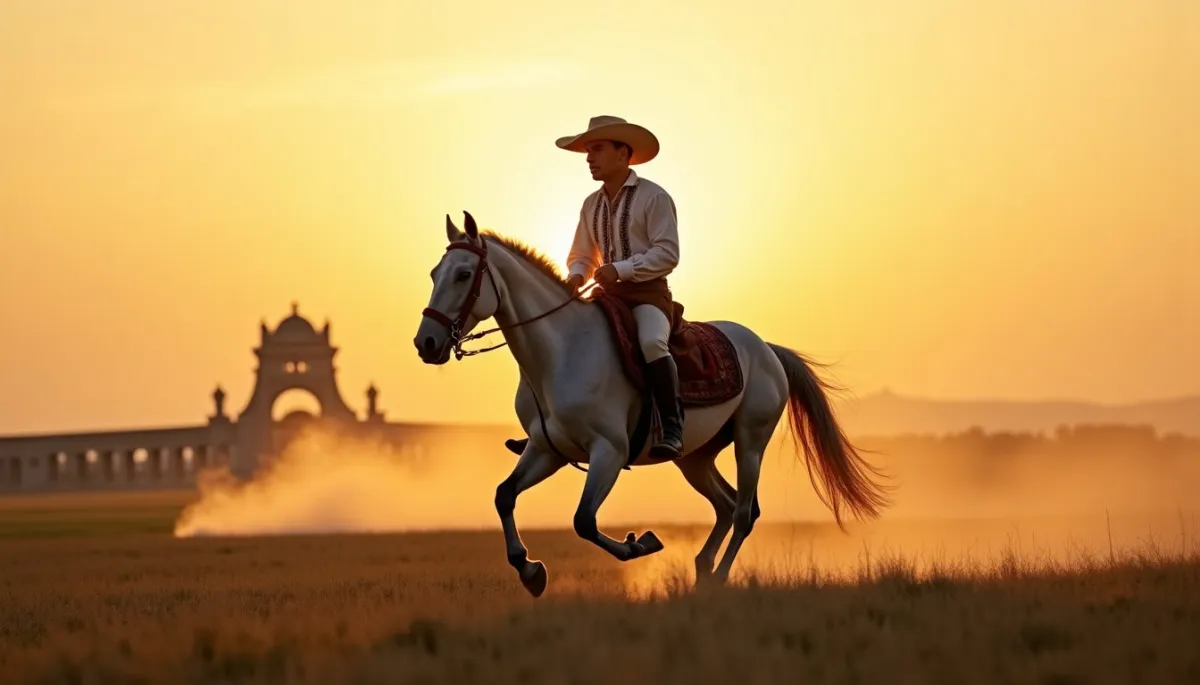
From the meadows of Alberta to the marshes of the Camargue, common values emerge: respect for horses, expert riders serving the herd, and festivals that link communities to the land and animals. In the Camargue, the herdsmen and the white horses tell of daily know-how close to the spirit of what the Stampede celebrates.
The shapes are different, the landscapes are different, but the essentials are familiar. The two cultures share mobility, worn boots, music and the pride of riders who know their animals. For the traveler, grasping these parallels enriches the stay and shows how regional traditions interact across borders.
Final advice from the field
Plan ahead, choose a few key events and leave room for the unexpected. The best memories will often come from details: a volunteer serving a pancake, the hand of the rider caressing his horse after a race, a sunset on the grandstand.
Come with curiosity and respect, and you will see that the Stampede is both a spectacle and a living tradition, which rewards attention to small local stories.