The Camargue boot: The rustic elegance and resistance of the southern “cowboy”
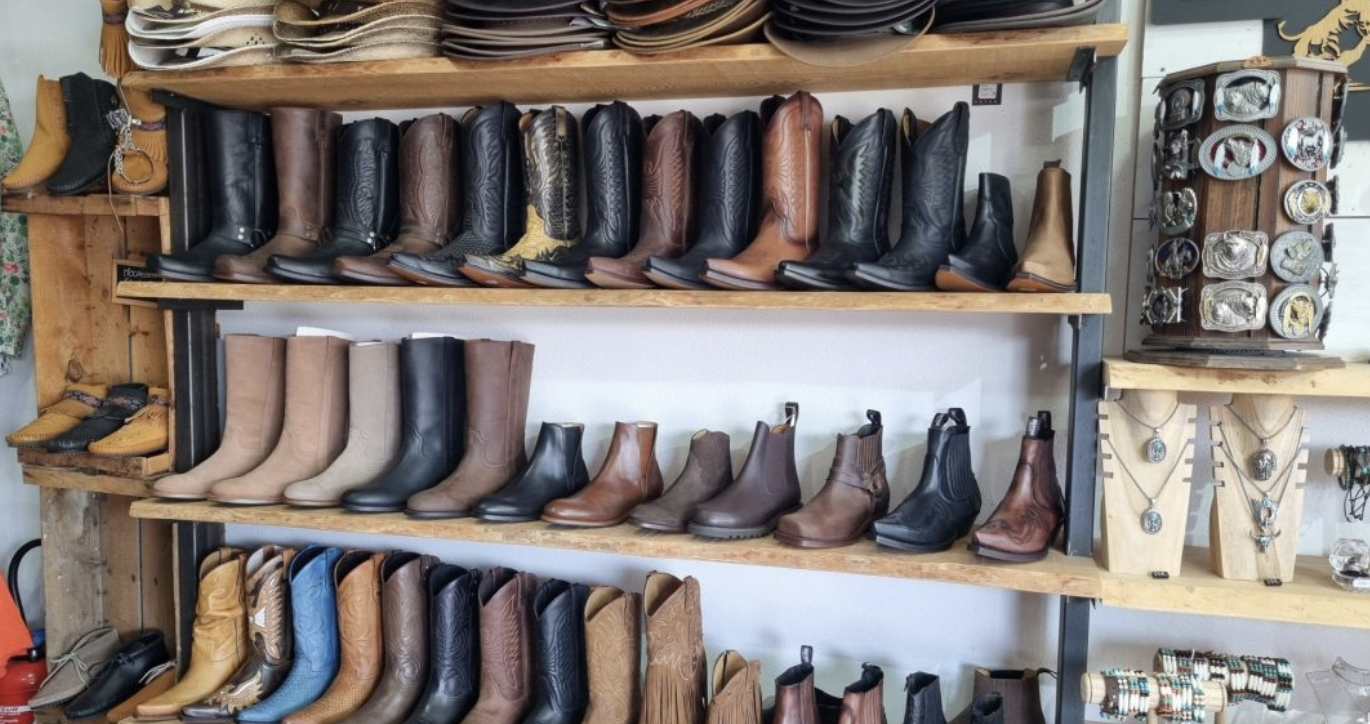
The Camargue boot is not just a shoe, it is a sign of belonging to the Rhône delta. Worn by the herdsmen, it combines utility, history and a very particular southern elegance.
🚀 The essentials
- Key concept: The Camargue boot is a high leather boot, designed for working in wet areas and handling horses and bulls.
- Practical advice: Choose full grain leather, buy in Arles, Saintes-Maries or Grau-du-Roi, and oil regularly to protect it.
- Did you know: Folco de Baroncelli and the Nacioun Gardiano, created in 1909, popularized the dress codes of the guardians.
You recognize it at first glance. A herdsman stands near his mount, the low sun makes the leathers shine, the boot catches the dust and salt of the marshes.
Salted roots
The boot was born from a concrete need. In the Camargue marshes, it was necessary to protect the leg from reeds, mud, thorns and water, while maintaining grip on the stirrups.
The herdsmen, horsemen of the Camargue, formalized this use in the 19th century, when breeding in herds became structured. The outfit, including boots, became a marker of professional and regional identity.
Folco de Baroncelli-Javon (1869-1943), writer and defender of traditions, was central. With the founding of the Nacioun Gardiano in 1909, Gardian rites, music and clothing spread, giving the boot a symbolic significance.
Useful design
The shape responds to simple constraints: high upper to protect, robust sole for the stirrup, fitted footwear to prevent slipping. The leathers chosen are resistant and often oiled to better withstand salt.
Local bootmakers make models with discreet stitching, sometimes a square toe and reinforced heels. These elements facilitate maintenance and repair, essential features for a work tool.
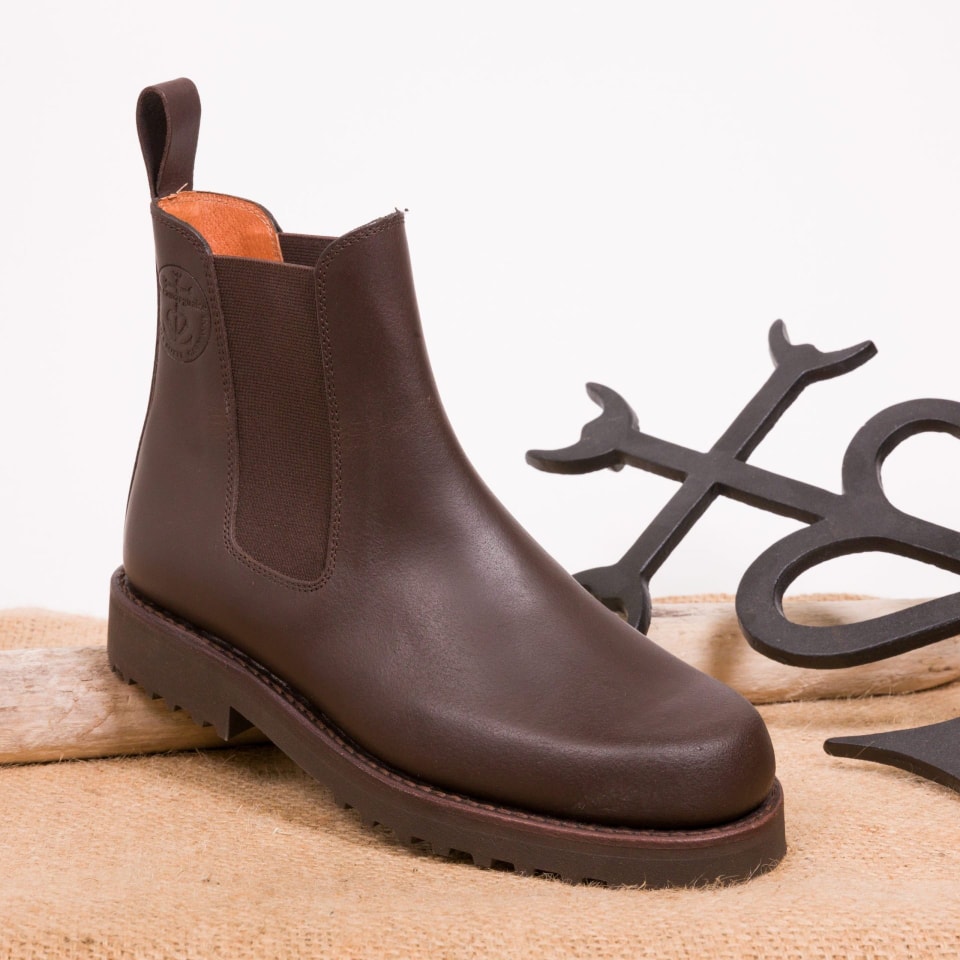
In Arles, Saintes-Maries-de-la-Mer, Aigues-Vives or Grau-du-Roi, artisans continue this production. Manadiers still order custom-made boots, proof that tradition remains useful and alive.
Between tradition and renewal
The Camargue boot plays several roles today. It protects the herdsmen during sorting and gatherings, and it is displayed during local festivals such as the Saintes-Maries pilgrimage in May.
At the same time, the silhouette inspired fashion. Designers reinterpret the high upper and rustic leather, while local workshops modernize the cuts without losing functionality.
However, tensions exist. Industrial imitations trivialize the symbol, and labor costs in France push producers to adapt. In the 2000s, the company La Camarguaise had to relocate the production of its historic boot (see photo) to a factory in Portugal.
Tips from the bootmaker
Opt for full-grain leather, a reinforced sole and good calf support. Always try with the pants you will wear while riding, as posture affects comfort.
Soften them gradually. Oil moderately with a neutral product, do not let them soak, and air dry. For intensive use, provide sole protection and resoling at a shoemaker.
Where to buy: Arles has a concentration of traditional bootmakers and leatherworkers. In Saintes-Maries-de-la-Mer, artisans and stands are visible during the pilgrimage and festivals. In Grau-du-Roi where the historic La Camarguaise company is located. Or in Aigues-Vives where the factory of the La Botte Gardianne brand is located.
Photos from the beginning of the 20th century already show herdsmen wearing high boots similar to those of today. These images helped to fix the image of the guardian in the collective imagination.
In the 20th century, postcards and reports romanticized the figure of the guardian. Some photographers documented daily life, increasing outside interest in local costumes and practices.
For the visitor, a simple gesture remains full of meaning: putting on a pair, feeling the leather, seeing the robustness. It's touching a story that rises every morning with the horses in the marshes.