Why Camargue is the true French Wild West
Between the Rhône's two arms, a flat kingdom of salt, reed and sky stretches to the horizon. Here live gardians, manades and a way of life that borrows the vocabulary of the Wild West.
🚀 Key Takeaways
- Core concept : The Camargue is a living ranch culture, with mounted herders (gardians), manades (herds) and public bull runs that mirror frontier traditions.
- Practical tip : Visit a manade at dawn and the Parc naturel régional de Camargue (created in 1970) to see horses and birds up close.
- Did you know : The course camarguaise is a bloodless bull game — the raseteurs try to snatch a rosette from the bull's horns.
Open sky. You hear hooves and the cry of curlews.
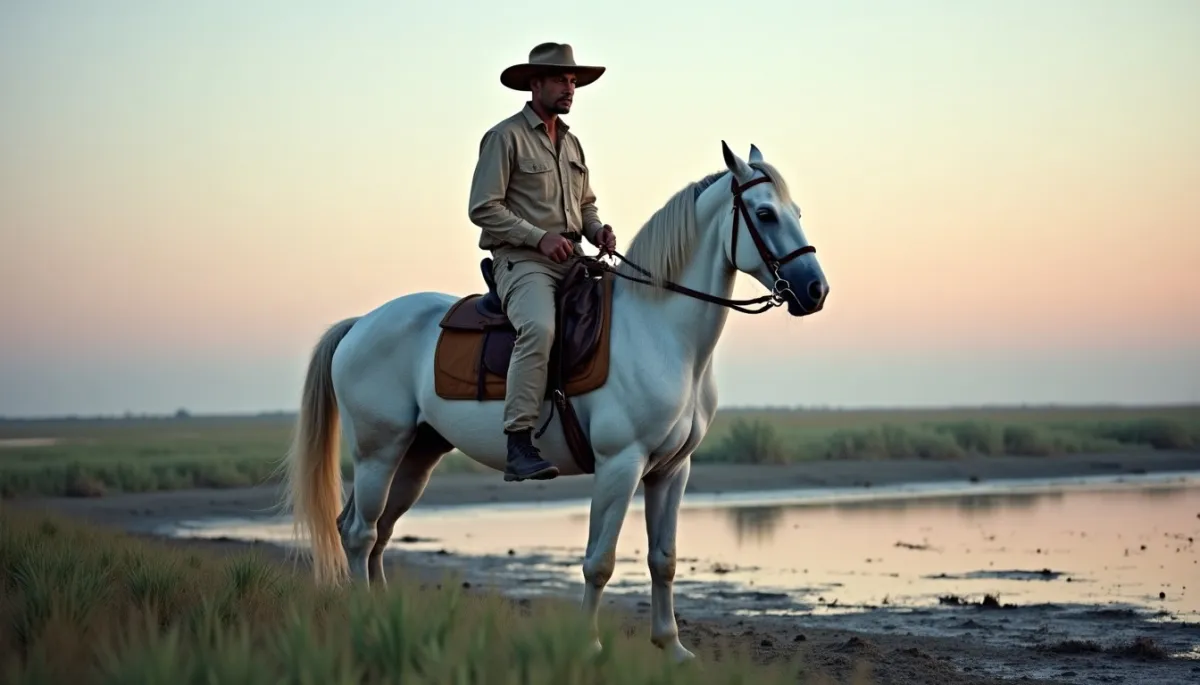
A gardian, hat low and gaited horse steady, cuts across a silver salt plain at sunrise. Flamingos lift in a scattered pink cloud, a herd of black Camargue bulls fades toward marsh ditches, and the small stone chapel of Saintes-Maries-de-la-Mer appears like a beacon. The scene feels like a western movie, only the light smells of brine and reed, not dust.
Terre d'action
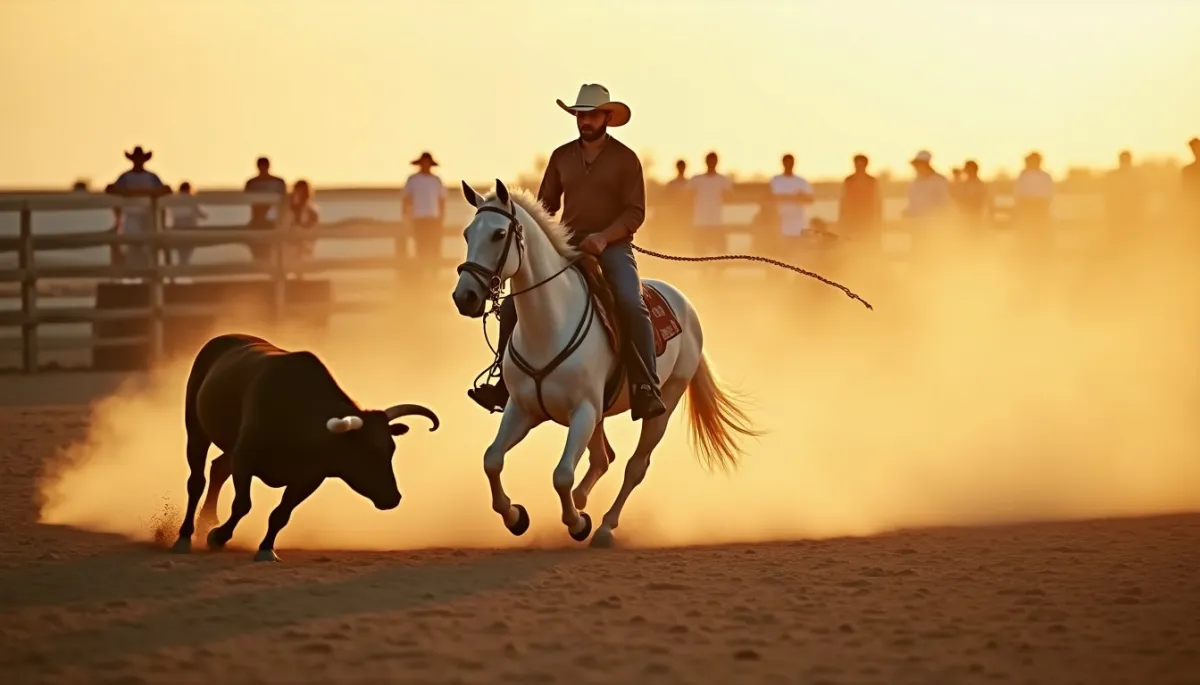
The characters are concrete. The gardians are mounted herders who manage manades, the semi-wild herds of Camargue cattle and horses. They wear flat black hats and short jackets, and handle the trident-like tool called a croc. Their work is visible year-round on the plains between Arles and the Mediterranean.
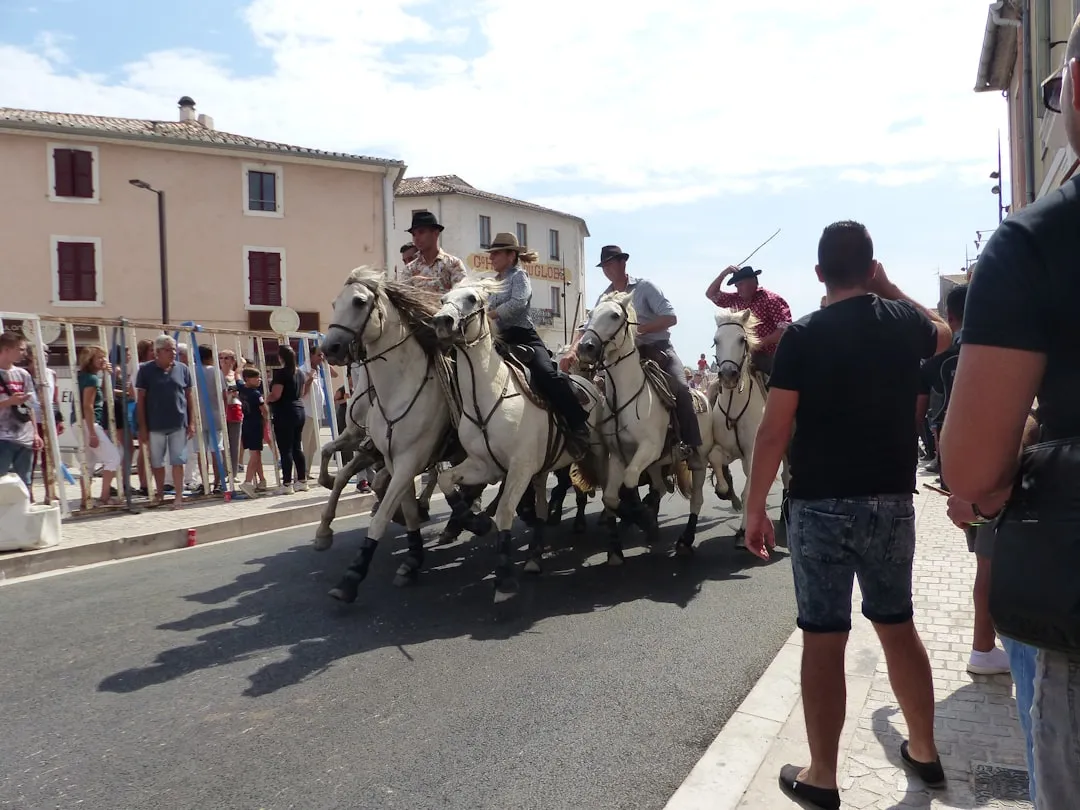
Manades are both economic units and cultural institutions. Famous estates such as the manades that open to visitors around Saintes-Maries-de-la-Mer host abrivados, the spectacular runs of bulls through village streets during local festivals. These events recall American cattle drives but remain distinctly Camarguais.
Public rituals matter. The course camarguaise, practiced since the 19th century in local arenas, is a spectacle where raseteurs challenge bulls for rosettes without fatal outcome. The annual Romani pilgrimage to Saintes-Maries-de-la-Mer each May brings a convergence of faith and horse culture, and the ferias in Arles amplify the sense of communal frontier celebration.
Racines et légendes
The landscape shaped the life. The Camargue sits at the delta of the Rhône, a mosaic of marsh, salt flats and lagoons. Human presence here is ancient, but the riding-herder tradition crystallized into the manade system in the 19th century as wetlands were tamed for grazing and salt production.
In 1970 local authorities created the Parc naturel régional de Camargue, a formal recognition of the area's ecological and cultural singularity. The park protects marshes, flamingo breeding grounds and the roaming horses that have become emblematic of the region.
Read alsoCamargue wines and terroirs
Artists and travelers have long romanticized the place. In the late 19th century Provence attracted painters like Vincent van Gogh to Arles, and the image of mounted riders managing cattle on open plains entered wider European imagination, reinforcing the Camargue's frontier aura.
Entre tradition et avenir
Yet the Camargue is a working territory facing modern pressures. Tourism brings money and attention, but also challenges: gravel roads, suburban expansion around Arles, and intensive agriculture reshape parts of the delta. Manades adapt, offering visits, horseback rides and educational programs to sustain incomes.
Conservation and tradition find uneasy alliance. The regional park, ornithological reserves such as Pont de Gau, and local initiatives promote coexistence between livestock, wildlife and visitors. Many manadiers now practice sustainable grazing to maintain wetlands while preserving the breed of Camargue horse, notable for its small, sturdy, often grey animals.
For the visitor who wants to feel the French Wild West, practical advice helps. Attend an abrivado during a feria, book a morning visit to a manade, and stop at the Musée de la Camargue in Saintes-Maries-de-la-Mer for context. Respect the land: don't approach wildlife, follow marked trails, and ask permission before entering private manade grounds.
In the end, calling the Camargue the French Wild West is not merely a metaphor. It is an invitation to experience a mounted, pastoral culture, shaped by water and salt, sustained by ritual and know-how, and alive today on the flat, wide stage where sky and land meet the sea.