The future of the Camargue in the face of climate change
The Camargue is an emblem of wild wetlands, white horses and flamingos, but that landscape is changing. Across the 21st century, sea-level rise, drought and human management are rewriting the future of this delta.
🚀 Key Takeaways
- Core concept : Sea-level rise and altered freshwater flows threaten Camargue wetlands and cultural practices.
- Practical advice : Support local manades and restoration projects, avoid disturbing nesting birds in spring.
- Did you know : Research centers like Tour du Valat, founded in 1954, are central to adaptation work.
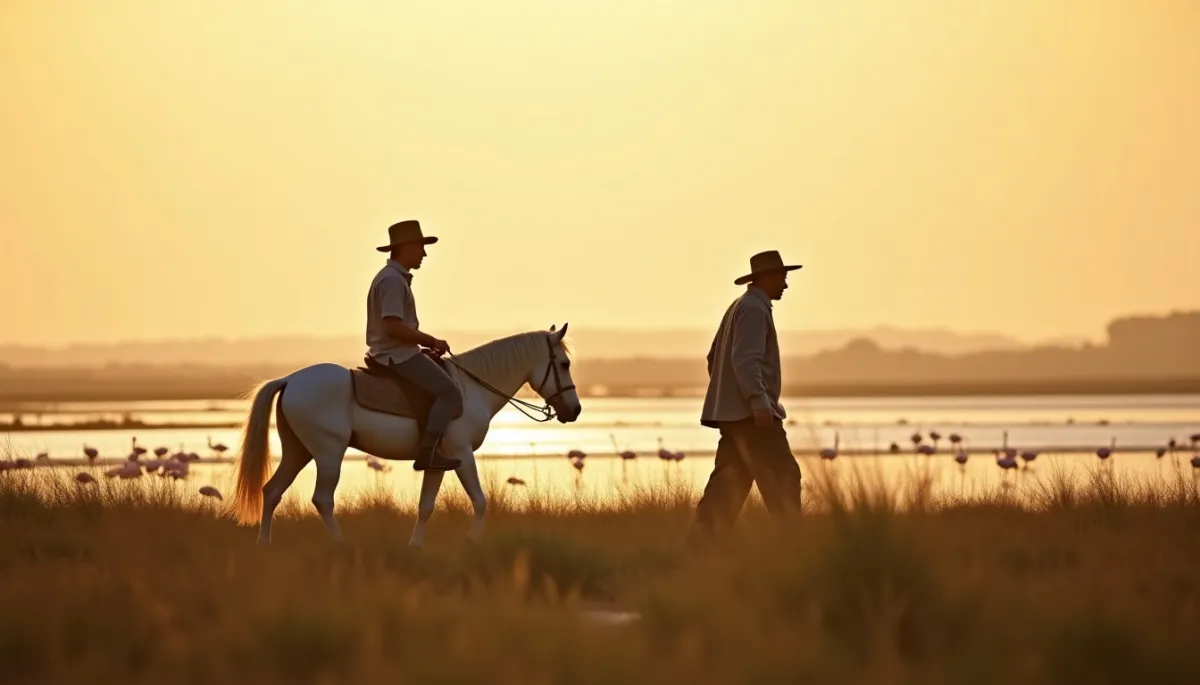
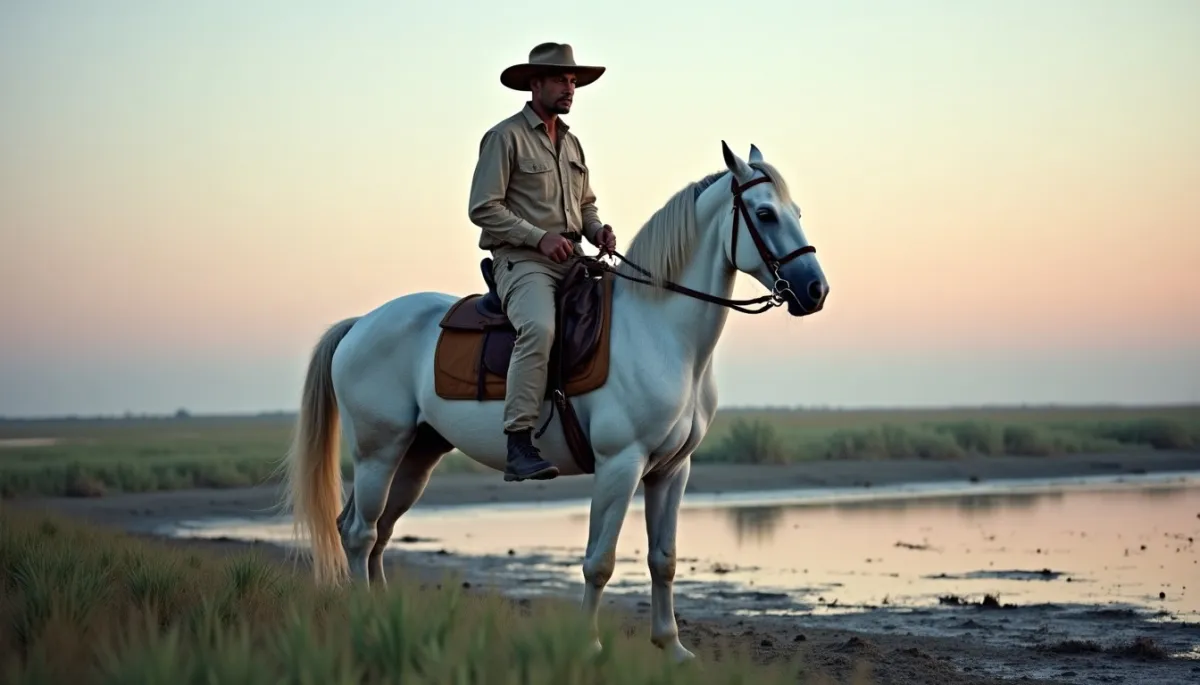
Salt, wind, and horses. Imagine the early light on the marshes, a gardian guiding a manade along a crumbling dyke.
Saline tensions
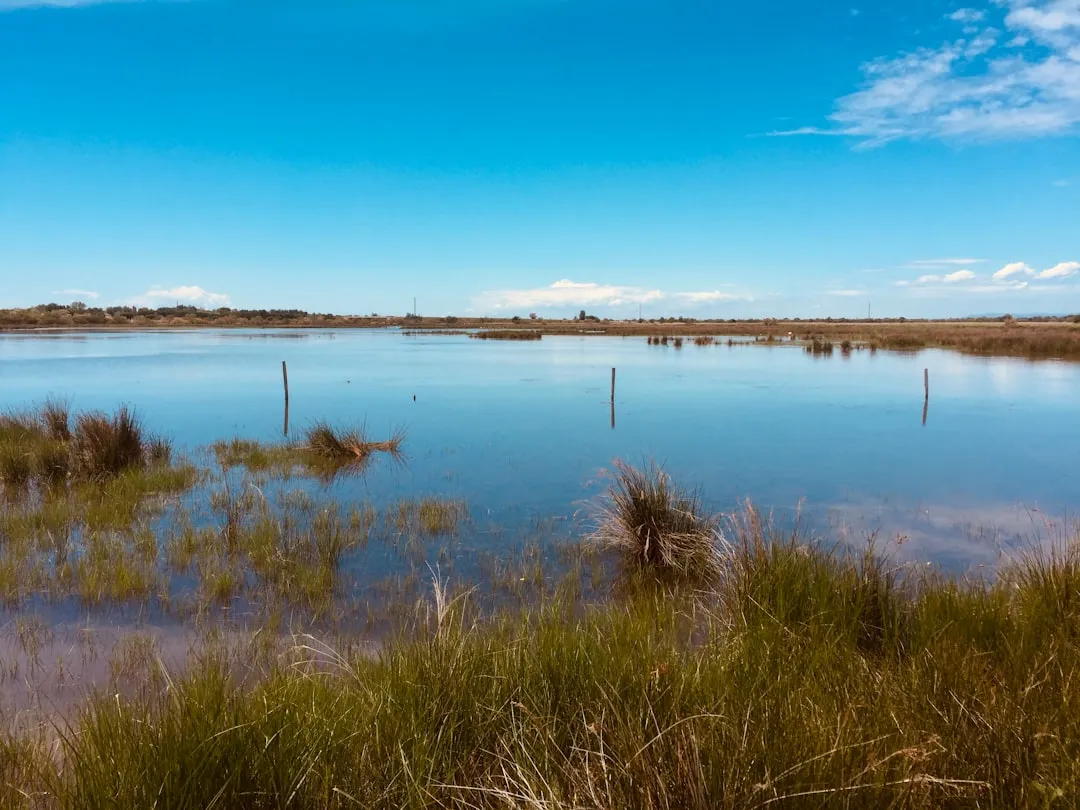
Wetlands are shifting under our feet. The Camargue's mosaics of reedbeds, saline flats and brackish lagoons depend on a delicate balance of freshwater from the Rhône and seawater exchange through the delta.
Sea-level rise projected by the IPCC this century (roughly 0.3 to 1.0 m depending on emissions) increases saltwater intrusion into low-lying marshes, altering plant communities that many bird species rely on for nesting.
Read alsoCamargue, the French Wild West
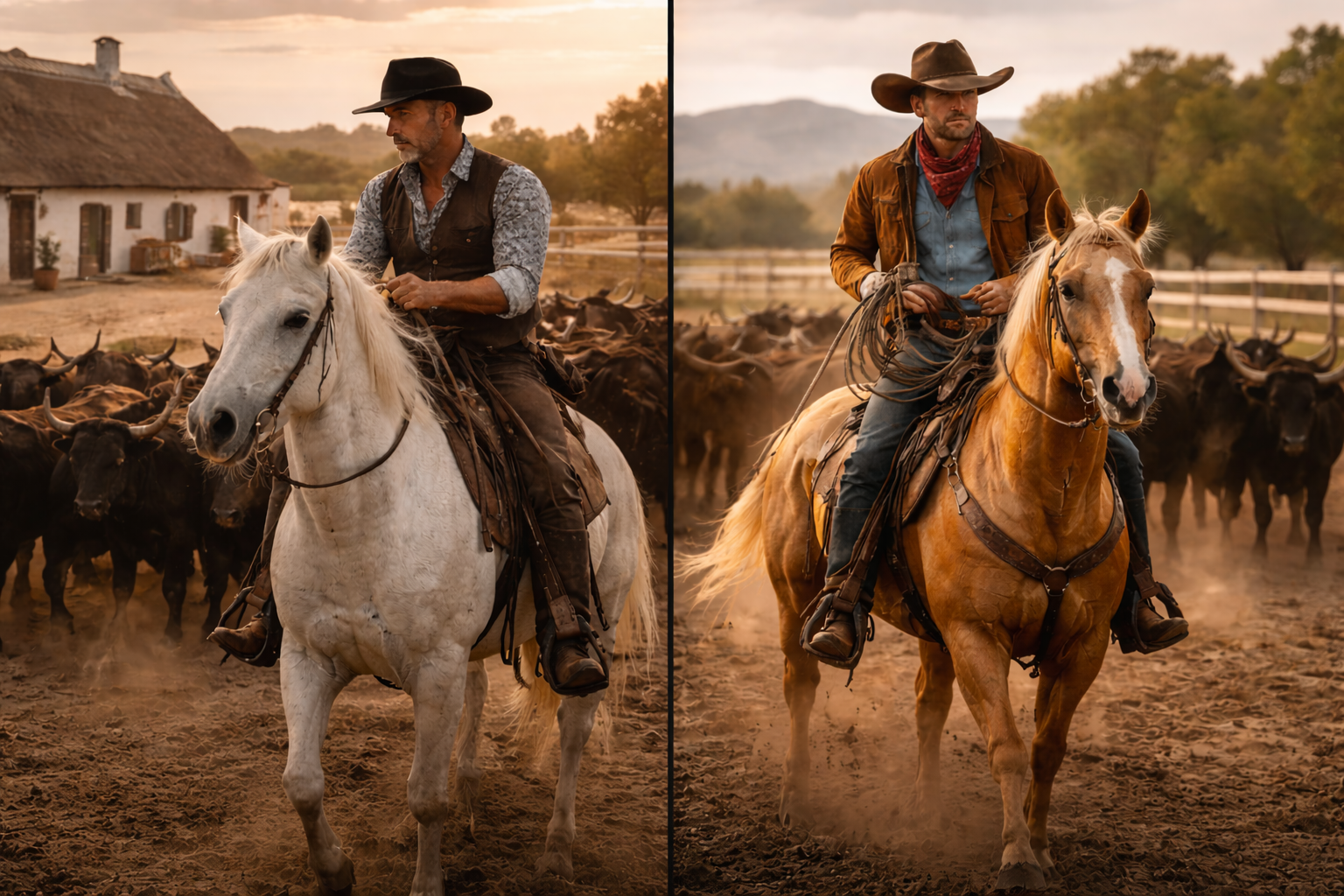
That change has concrete consequences. Flamingos (Phoenicopterus roseus), which have long used the Camargue as a key breeding and feeding ground, can see nesting success drop if water levels fluctuate unpredictably. Farmers and manadiers face more saline soils, affecting pasture quality for the famous Camargue horse and black bulls.
Tourism and local economies are exposed. Towns such as Saintes-Maries-de-la-Mer and Salin-de-Giraud depend on seasonal visitors and salt production. Increased storm surge and coastal erosion threaten infrastructure and salt pans that are also cultural landmarks.
Racines et tempêtes
The Camargue we know was shaped by centuries of human intervention. Salt exploitation and rice fields, and especially 20th-century water engineering on the Rhône, have modified natural flows and sediment deposition.
Dams and irrigation upstream reduce the pulse of freshwater that used to flush the delta each spring. Since the mid-20th century, intensive agriculture and groundwater abstraction have amplified stress during drought years, such as the extreme European heatwave of 2003 and several dry summers in the 2010s and early 2020s.
Climate change acts on top of these historical pressures. Hotter summers increase evaporation and fire risk in dry vegetation. Combined with invasive species and pesticide use, the ecological resilience of the Camargue has been weakened, making sudden shifts more likely when extremes occur.
Local culture itself is part of the story. The gardians and manades, heirs of traditions promoted by figures like Folco de Baroncelli in the early 20th century, adapted pastoral systems to a stable marsh. Rapid environmental change forces adaptations that touch identity and livelihood.
Gardiens et solutions
Hope is not absent. Research institutes such as Tour du Valat (founded in 1954) and the Parc naturel régional de Camargue (created in 1970) coordinate science, conservation and local stakeholders to design adaptation strategies.
Practical measures include restoring dune systems to buffer storm surge, managed realignment to allow marshes to migrate inland where possible, and improved freshwater planning upstream to preserve pulses that sustain habitats.
On the ground, many manadiers change grazing timing and herd movements, using traditional knowledge to limit erosion and maintain open habitats. NGOs and scientists monitor flamingo colonies and reedbed health to inform water management decisions.
For visitors and citizens, simple actions matter: respect restricted areas during breeding season, favor local salt and meat products that support sustainable manades, and back policies that protect river flows and invest in nature-based defenses.
In the end, the Camargue's future will be negotiated between sea and people. Protecting its marshes is not only an ecological task, it is safeguarding a living culture where horses, bulls and gardians continue to write the land's story.