The Camargue Horse vs the Quarter Horse: Which is the Better Cattle Horse?
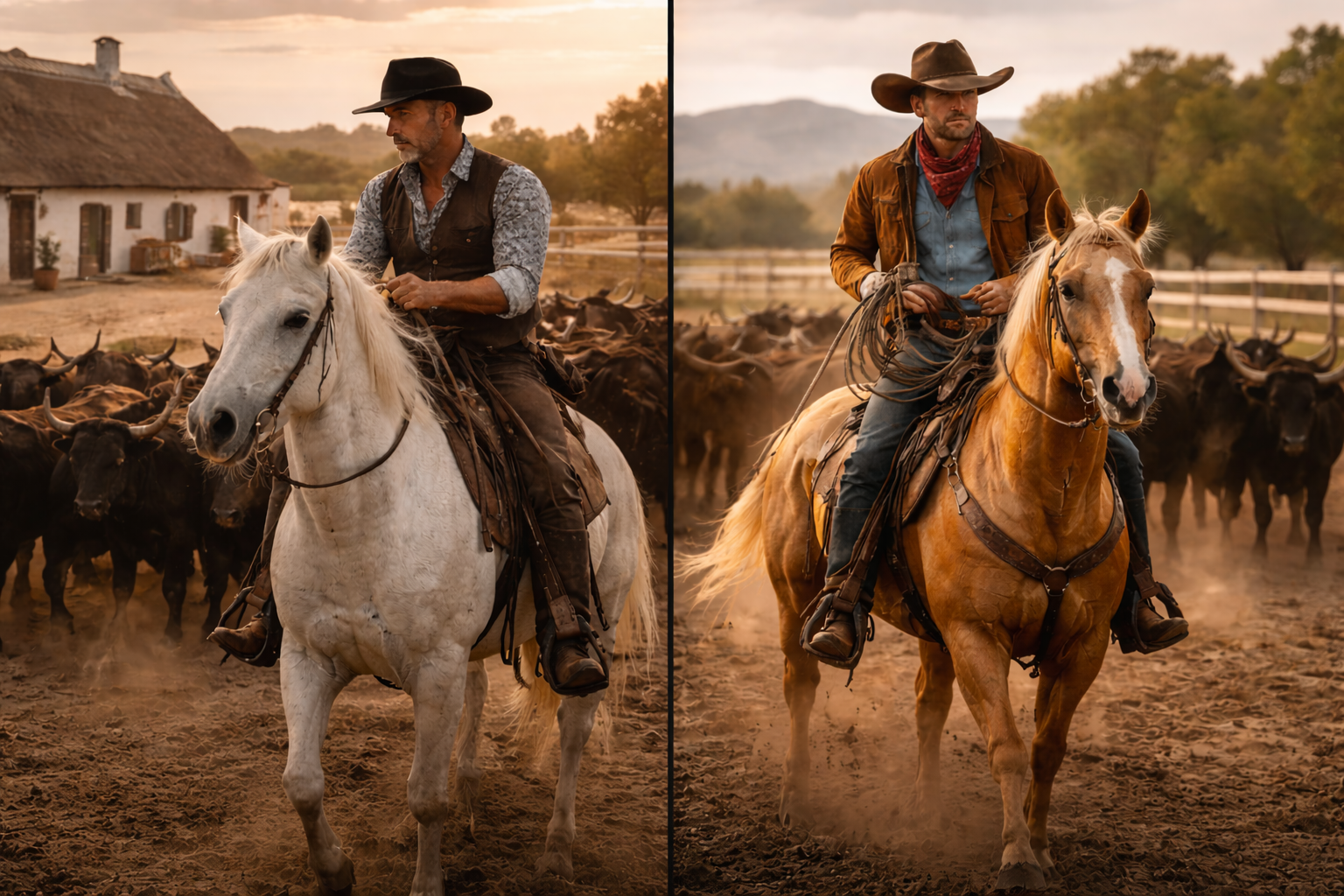
In the Camargue of salt and reeds, the little white horse embodies an age-old tradition. On the vast American ranches, the Quarter Horse embodies the power and speed necessary for working cattle.
🚀 The essentials
- Key concept: It all depends on the terrain and the mission.
- Practical advice: For the traditional work of herdsmen, choose the Camargue horse; for modern ranching and competition, think Quarter Horse.
- Did you know: Both cultures developed riding styles and equipment suited to local livestock.
The question "which is the best cattle horse" confronts two equestrian cultures. The Camargue with its herds, herdians and abrivados, and the American plains where the Quarter Horse developed. Each responds to particular constraints of terrain and use.
I offer you a clear analysis: origins, morphology, aptitude for working livestock, temperament, maintenance and concrete advice for seeing these horses at work in the Camargue. You will leave with a practical answer adapted to your project.
Origins and morphology
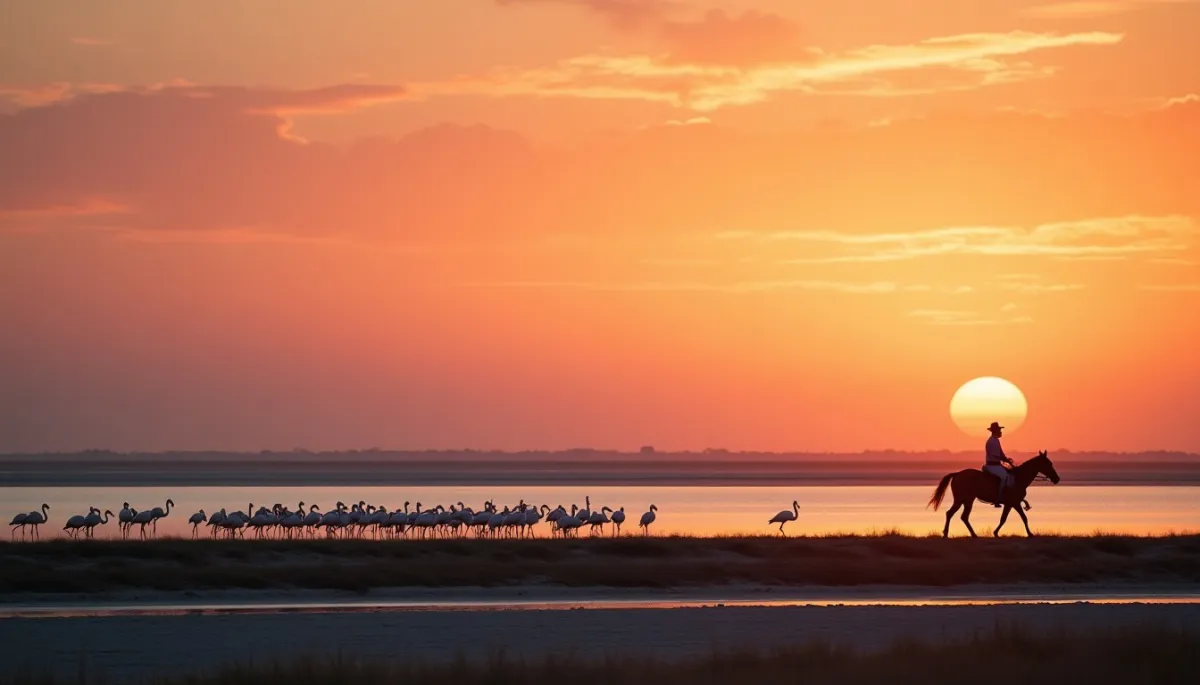
The Camargue horse is a small, robust horse, traditionally bred in the delta around Arles and the Camargue Regional Natural Park. It is adapted to salty and muddy soils, has strong hooves and a compact conformation. Its medium size facilitates stability on soft terrain.
The American Quarter Horse has colonial origins, then specialized in cattle work on the ranches of Texas and Oklahoma. It is muscular, with powerful hindquarters and a deep chest, designed for acceleration over short distances and sudden changes of direction.
Livestock working skills
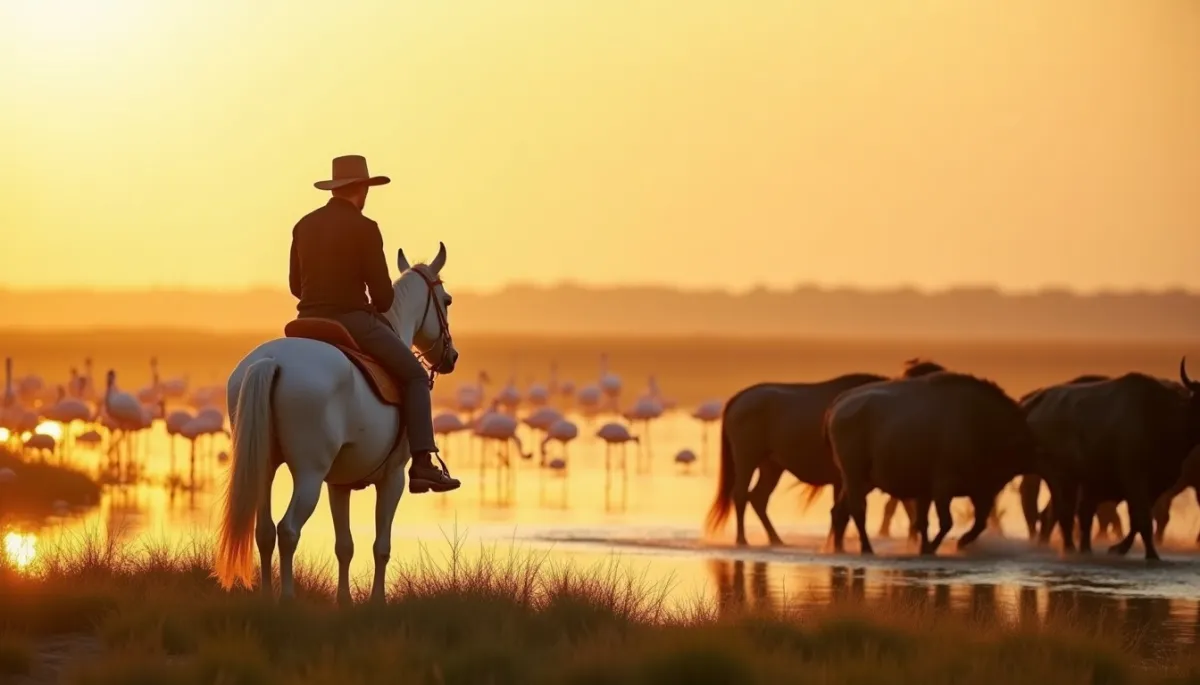
In the Camargue herds, the local horse is used to gather the brave bulls, to circulate among the reeds and to support the abrivados in town. Its ability to remain calm in the middle of the herd and to keep its balance on soft ground is a decisive asset.
The Quarter Horse excels at sorting, isolating and individually controlling cattle. Its acceleration and agility are valuable for cutting, reining and ranch method work. On a large pasture or in competition, it offers a responsiveness that few other breeds match.
Temperament and training
The Camargue horse is renowned for its placid character and its attachment to the herd. He is raised in contact with the herd, accustomed from the foal to the authority of the herdsman. Dressage emphasizes patience, endurance and discreet communication between rider and mount.
The Quarter Horse responds very well to intensive performance-oriented training. His speed of learning and his liveliness allow him to be taught precise maneuvers. It is an ideal mount for those who want a sporty, fast and adaptable horse.
Adaptation to the territory and maintenance
The Camargue lives naturally in the marsh, it tolerates salt and local insects, and requires grazing adapted to the seasons. Maintenance is carried out within the framework of family management and is based on local practices, less expensive than for intensive sport horses.
The Quarter Horse requires regular physical preparation and monitoring, especially if it works on hard ground or in competition. Farrier care, energy-rich diet and recovery programs are often necessary to maintain performance.
What choice to make?
If your activity takes place in the Camargue, between marshes, ponds and herd corrals, the Camargue horse is most suitable. It is rooted in the culture of herdsmen and offers effectiveness in this specific biotope.
If your work requires power, speed, and versatility on firm ground or in an arena, the Quarter Horse will perform much better. For competition and modern ranch work, it is often the reference.
Visiting and purchasing advice
To observe the Camargue horses at work, go to the herds around Saintes-Maries-de-la-Mer, attend an abrivado or visit the Camargue Regional Natural Park. Chat with a herdsman to understand the daily human-horse relationship.
For the Quarter Horse, check with the American Quarter Horse Association and specialist breeders if you are looking for a horse for competition or intensive work. Choosing the right lineage and training program is essential.
Conclusion: respect tradition and task
The best horse is not universal. The Camargue is the horse of place and tradition, the Quarter Horse is the tool of performance. Both reflect the same passion, that of working livestock and the art of riding.
Come to the Camargue to see the poetry of the herdsman and the little white horse at dawn, then admire the precision of a Quarter Horse in the arena. Each of these encounters will teach you the logic of a horse adapted to its world.