The Camargue saddle: design and comfort for cattle work

In the salty light of the Rhône delta, a rider and his saddle become one. The Camargue saddle, shaped by marshes and bulls, balances tradition and ergonomic needs.
🚀 Key Takeaways
- Core concept : A robust wooden tree and a deep seat provide stability for cattle work.
- Practical tip : Fit the tree to the horse and protect with a thick pad, oil the leather regularly.
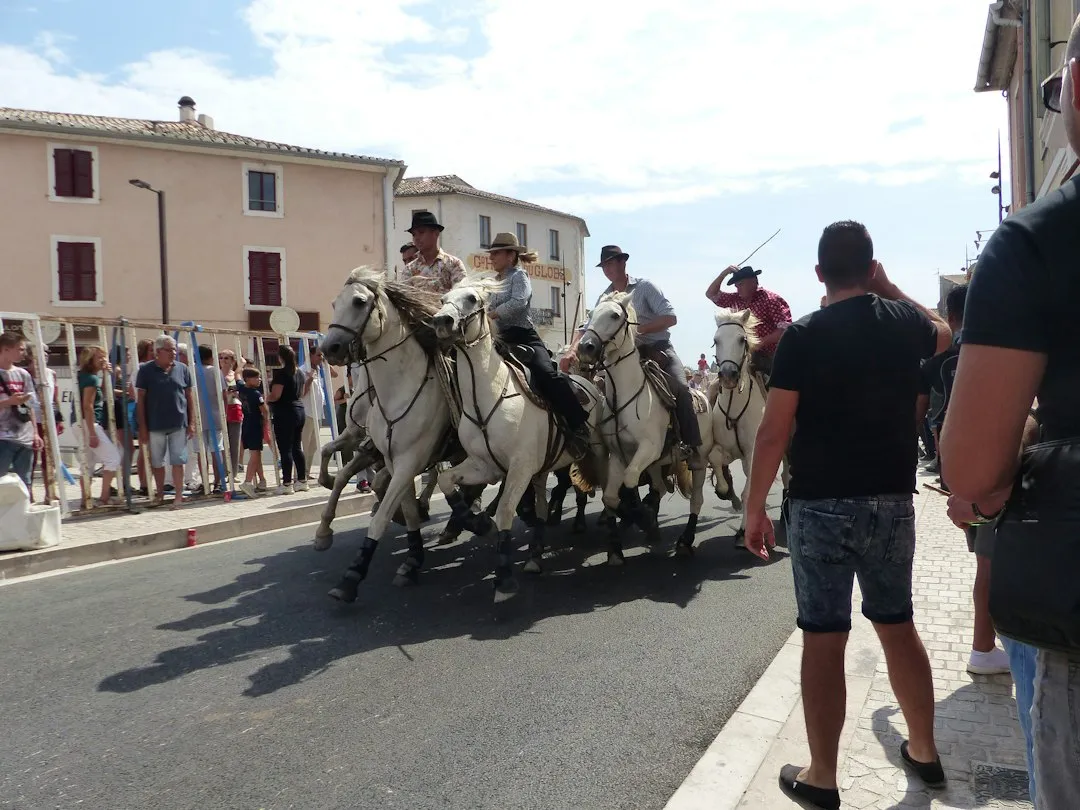
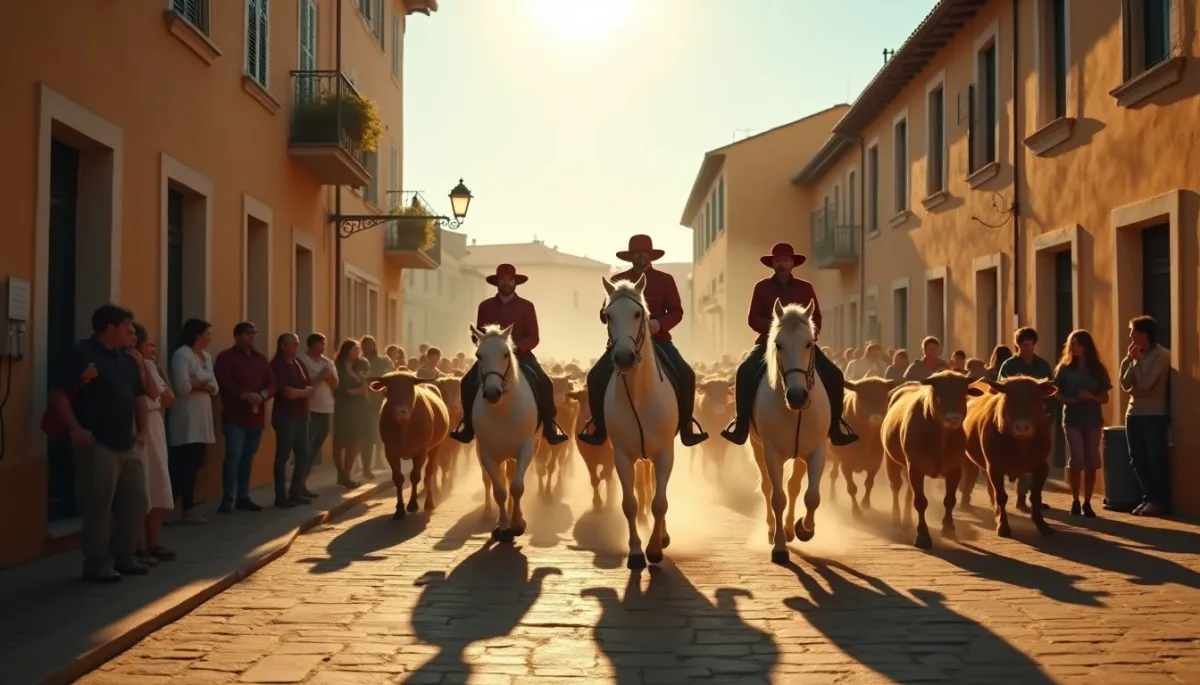
- Did you know : In Saintes-Maries-de-la-Mer, the annual gatherings keep saddle-making traditions alive.
It feels like home.
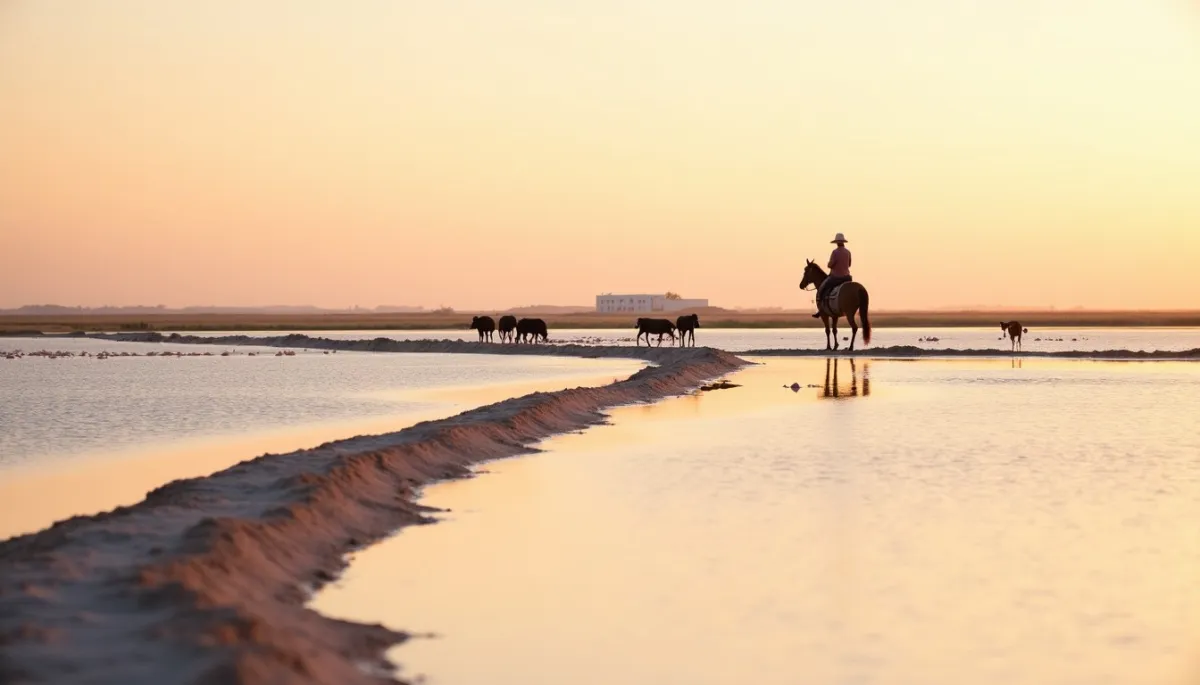
Picture a gardian at dawn, the salt flats steaming, a Camargue horse standing still. The saddle sits low and compact, leather weathered, the rider’s legs wrapped close. Around them, a manade wakes; bulls toss their heads. The saddle is not decoration, it is a tool shaped by generations of work.
Bois et cuir
At the heart of the Camargue saddle is its tree, usually a solid wooden frame covered with leather. This arçon gives structure, resists torsion and distributes the rider’s weight on the horse’s back, essential during long days herding.
Craftsmen wrap the tree with thick, vegetable-tanned leather, sometimes reinforced with rawhide or metal plates at stress points. The seat is often deep, the cantle raised to hold the rider during sharp turns or when bracing against a bull.
Local manades, such as those around Arles and the estate of Méjanes, still prefer handmade saddles for their longevity. A well-made saddle can last decades if maintained, and it tells the story of its owner through repairs and patina.
À l'épreuve du terrain
The Camargue is a mosaic of mud, reed beds and salt pans. Design decisions respond to that landscape. The saddle favors a close contact, allowing the gardian to shift weight quickly. High cantle and pommel provide security when confronting a bull or navigating soft ground.
Stirrups are sized for stability, and the panels are padded to absorb shock. Breathable leather and appropriate saddle pads prevent chafing during long hours under the Provençal sun. Practical features matter as much as beauty.
Contrasts with the American western saddle are instructive. Both aim for comfort and weight distribution, but the Camargue saddle emphasizes agility and close communication, adapted to the specific work of the toro camarguais and the region’s terrain.
Savoir-faire et conseils
Traditional saddlers remain in towns like Arles and the villages around the delta. They combine hand tools and modern materials, offering reinforced trees or foam layers while keeping the classic shape. This balance preserves heritage and improves comfort.
For riders, fit is paramount. Check the tree width, ensure the saddle does not pinch the horse, use a thick felt or sheepskin pad, and position the girth to allow free shoulder movement. Regularly oil the leather, inspect the stitching, and store the saddle sheltered from salt air.
Finally, try before you buy and listen to gardians. Their knowledge, born of seasons spent on the mare, will tell you what a saddle must do: carry a rider, protect a horse, and endure the rhythm of Camargue life.