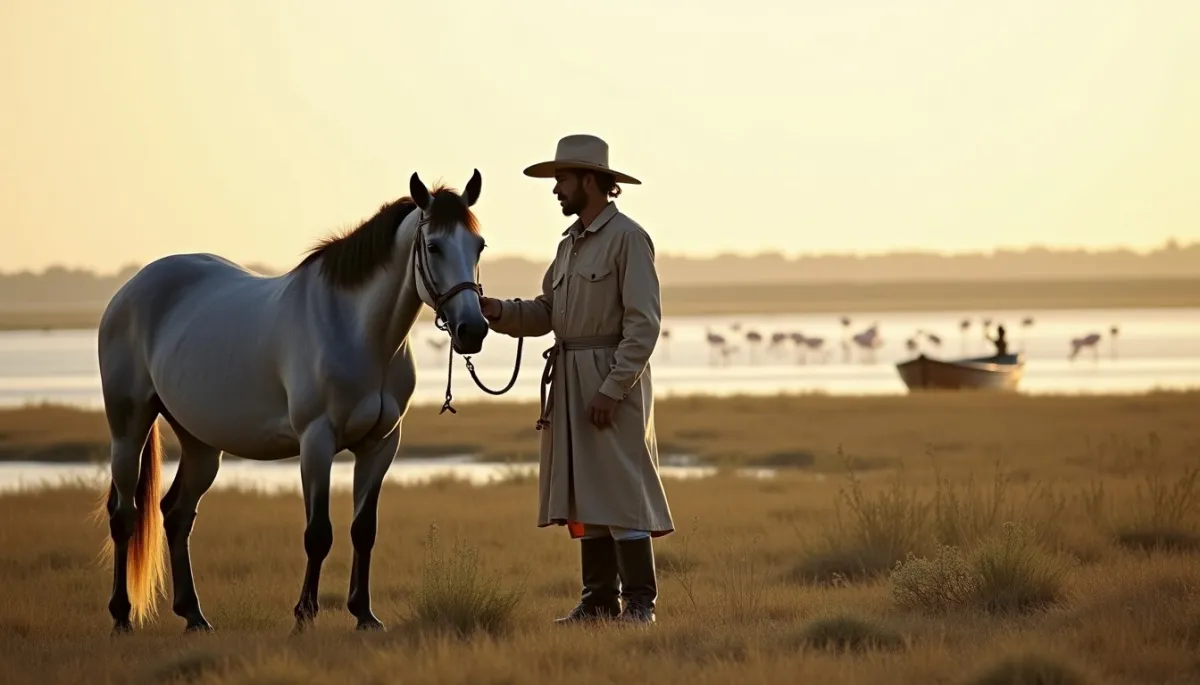
The Camargue saddle: a leatherwork jewel built for cattle work
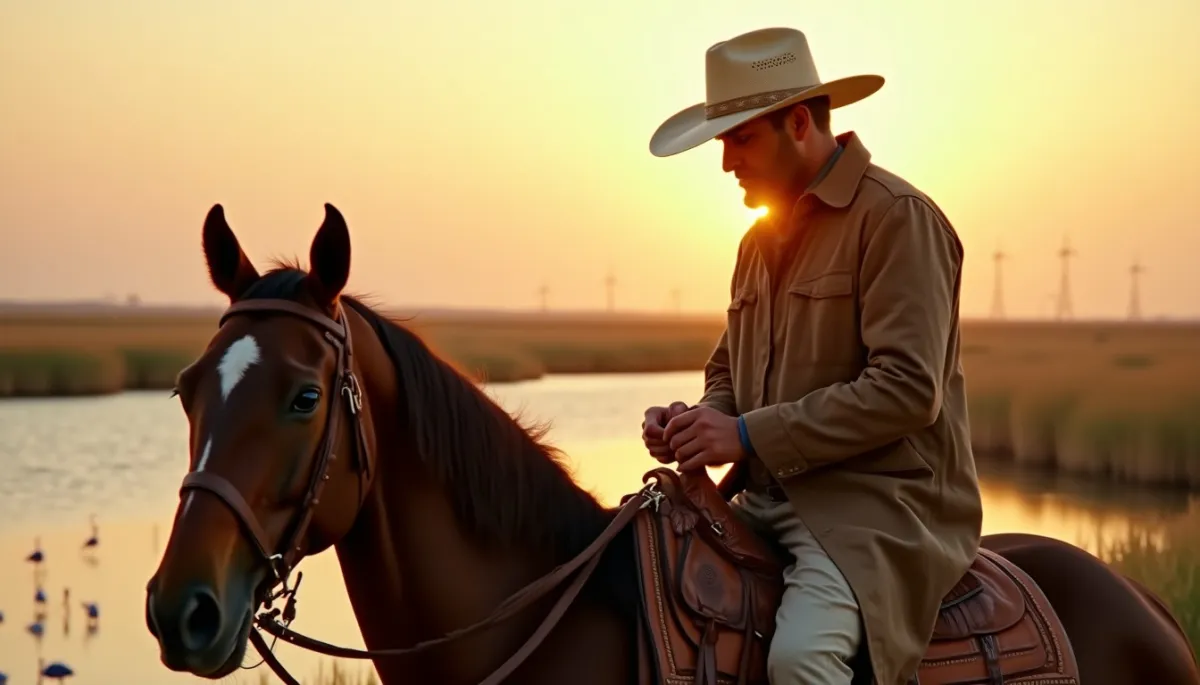
The Camargue saddle is more than gear, it is a living tool shaped by marshes, salt and generations of gardians. It carries stories of manades, arènes and long days on horseback under a flat, luminous sky.
🚀 Key Takeaways
- Core concept : A purpose-built saddle combining robust leatherwork and a compact design for daily cattle work.
- Practical tip : Rinse salt deposits after marsh rides and oil leather periodically to prevent stiffening.
- Did you know : The Camargue saddle balances close contact for the rider with protection against the salty, humid environment of the delta.
The Camargue saddle was forged by necessity. In the marshes around Arles and the Saintes-Maries-de-la-Mer, gardians needed a seat that would stay secure during long drives and sudden moves of bulls and horses.
It is a compact, heavily hands-on object. Every strap, every stitch answers a practical question: how to ride close, handle ropes, and care for leather under salt and sun. The result is a piece of living heritage as much as a tool.
Design and materials
The saddle’s silhouette is compact and functional. Leather is selected for thickness and fibre quality. Tannage processes, often vegetable-based in traditional workshops, favor suppleness and longevity rather than glossy appearance.
The internal tree can be wood or modern composites depending on the maker, but the focus remains the same. Reinforcements at stress points, wide billet straps and hand-stitched bridles speak of a craft adapted to daily heavy use rather than parade show.
How it performs for cattle work
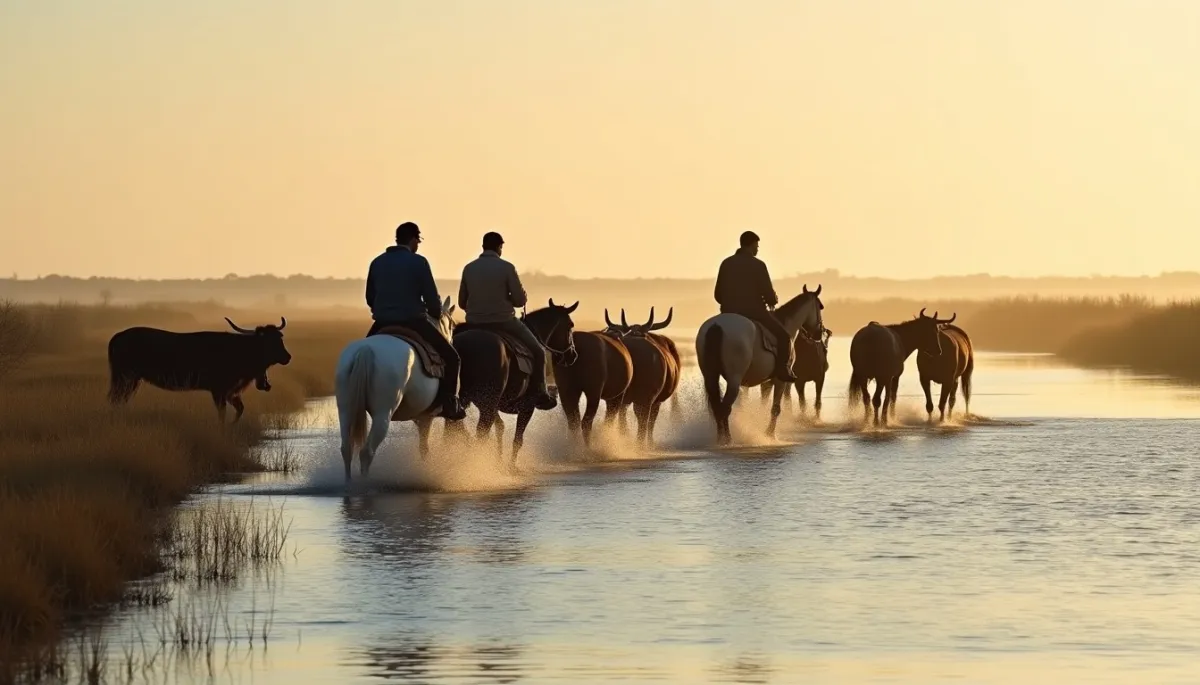
Working in a manade requires quick reactions. The Camargue saddle gives the gardian balance and close contact with the horse, while offering protection during roping, jumps and sudden turns. Shorter, sturdy stirrups and a seat that keeps the rider centered make long hours more sustainable.
There are clear parallels with the American western saddle. Both are designed around the realities of livestock work, but the Camargue model remains lighter and lower to the horse’s back, optimized for the specific gait and stamina of the Camargue horse and the wet, open terrain of the delta.
Craftsmanship and local know-how
Workshops around Arles, Salin-de-Giraud and smaller villages keep the know-how alive. Skilled selliers and cordonniers repair covers, replace billets and sculpt hand tooling that often carries family motifs or symbols of a manade.
Sourcing leather that resists humidity and salt is part science, part tradition. Makers will often select thicker hides for panels exposed to wear, and double-stitch high-tension seams. Many gardians still prefer to have a trusted saddler mend a saddle rather than replace it.
Maintenance: care that prolongs life
Regular maintenance is simple but essential. After rides through marshes, remove crusted salt with fresh water and a soft brush. Allow leather to dry slowly away from direct sun, then apply a light, natural oil to maintain suppleness.
Check the tree and rigging annually. Small repairs early on save a saddle from premature retirement. In Camargue, where tools are part of the family, a well-kept saddle often outlives several riders.
From work to heritage
The saddle belongs to rituals and shows as much as to manades. At local fêtes, games and arenas in Arles, gardians display their gear with pride. The saddle is a sign of identity, carrying motifs and patched repairs that tell personal histories.
Preserving this craft is a community effort. Museums, local festivals and horse schools collaborate with artisans to document patterns and methods. In this way the Camargue saddle remains a durable bridge between everyday work and cultural memory.
For anyone who loves equestrian culture, seeing a saddler fit a Camargue saddle in the marsh light is a moment of pure authenticity. It reminds us that tools born of the land are also carriers of living tradition.