Camargue and rising seas: what are the stakes?
The Camargue, land of marshes, horses and salt, is on the frontline of sea-level rise. As tides and storms grow stronger, residents, gardians and nature managers face urgent choices about protection and adaptation.
🚀 Key Takeaways
- Core concept : The Camargue's low-lying delta is vulnerable to sea-level rise and storm surges.
- Practical tip : Support local manades and saltmarsh restoration projects; visit respectfully during high tides.
- Did you know : The Parc naturel régional de Camargue was established in 1970 to protect this unique delta.
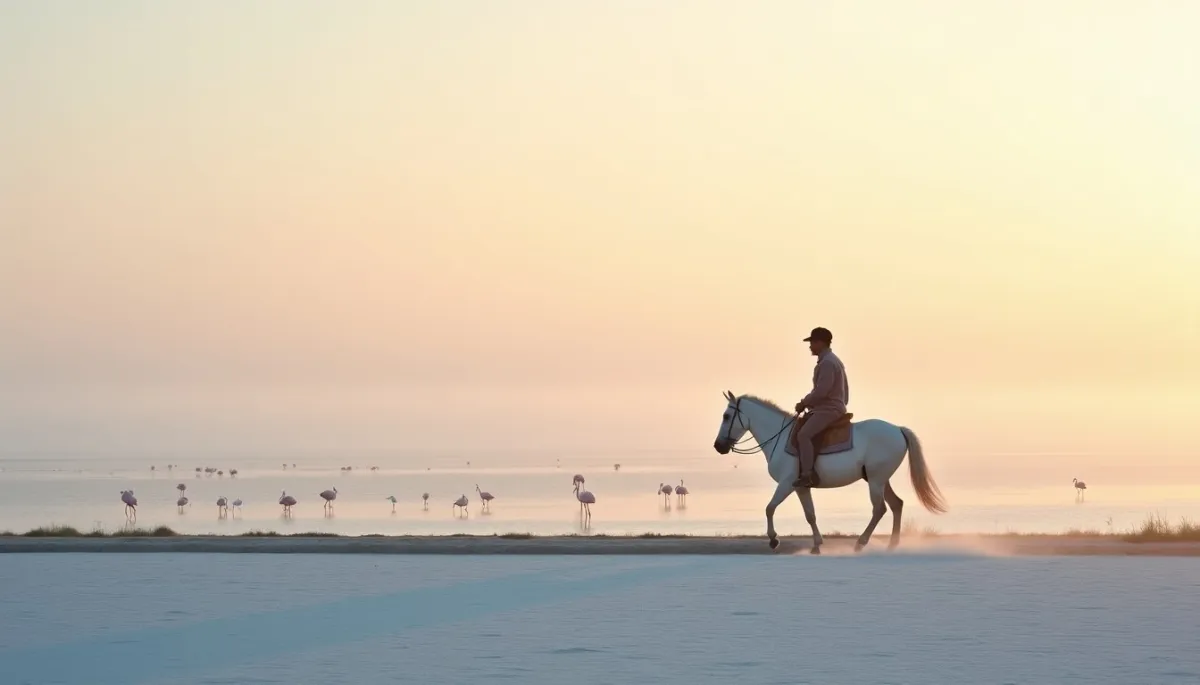
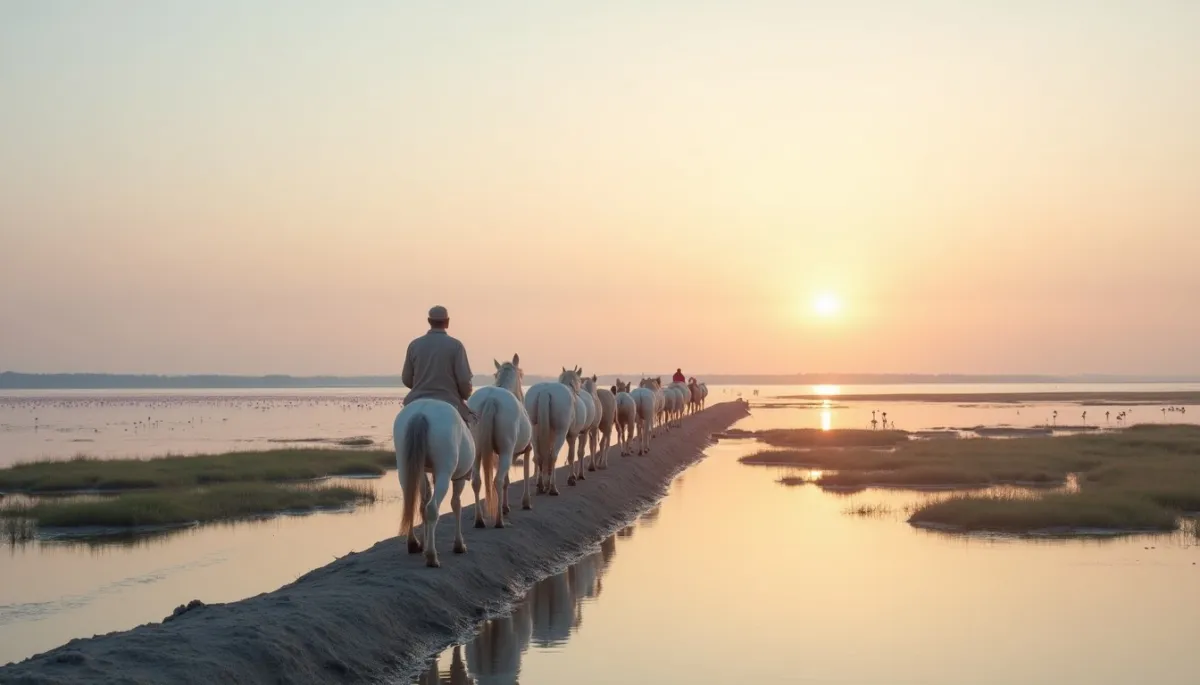
The salt wind smells of sea and hay. In the early morning a gardian leads a small herd of Camargue horses along the raised dike, water lapping close on both sides.
marais en première ligne
The Camargue is a patchwork of lagoons, reed beds, salt pans and grazed plains around the Rhone delta. Places like the Vaccarès lagoon and the shores near Saintes-Maries-de-la-Mer are emblematic. Low altitude (many areas are at or just above sea level) makes the territory particularly exposed to flooding and saline intrusion into soils and groundwater.
Events have already illustrated this vulnerability. Storm surges associated with Mediterranean storms periodically overflow the ancient dikes, causing saltwater to inundate rice fields and pastures. Local inhabitants recall winters with exceptional tides that drowned reed beds and required emergency measures to protect the manades (traditional herds).
Beyond property damage, ecological balance shifts. Salt intrusion can change plant communities, threatening fresh-water dependent species and altering feeding grounds for flamingos and other birds that made the Camargue famous.
histoires et visages
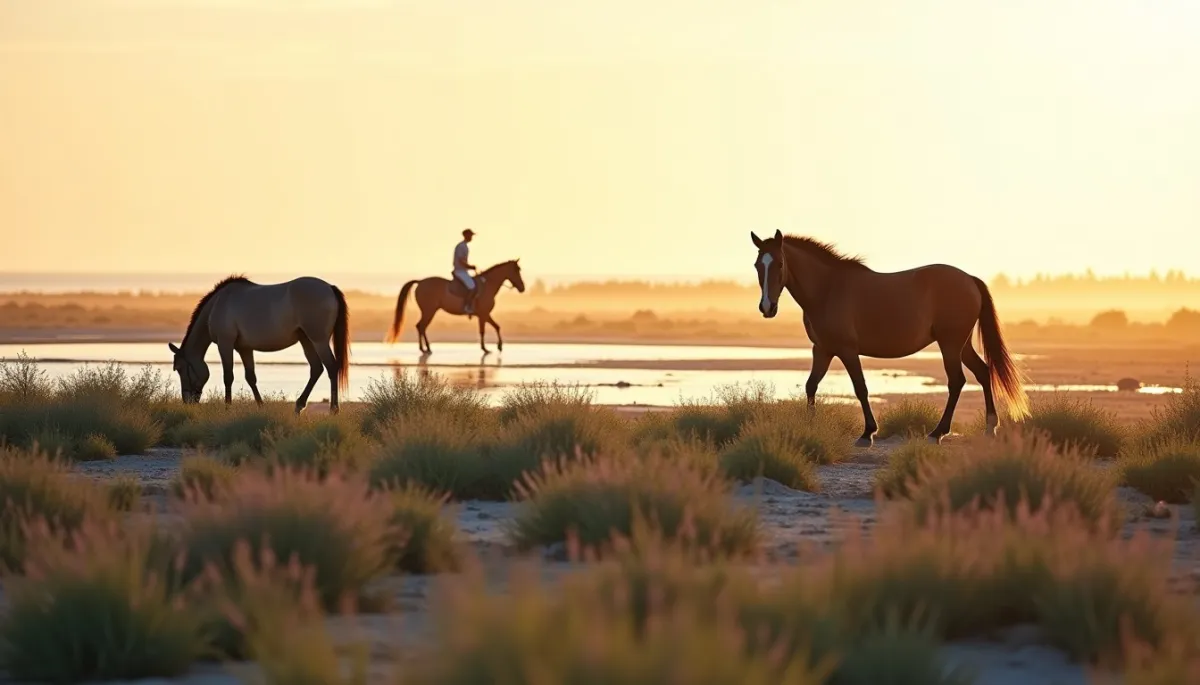
Who are the people on the front line? Gardians, manadiers, rice farmers, salt workers, and park managers. The gardian tradition (cowboys of the delta) organizes herd life in manades, often family-run for generations. Many manadiers still move stock seasonally to avoid floods, a practice that is part culture, part necessity.
The Parc naturel régional de Camargue, created in 1970, brought formal protection and management. NGOs, researchers from Aix-Marseille and local associations monitor species and water quality. Salt companies and tourism operators also have stakes—Salicornia salt marshes and birdwatching bring income but depend on a healthy balance of freshwater and seawater.
Anecdotes are numerous: a manadier I met once described raising a foal on a hayloft after a spring high tide flooded the stable. Elsewhere, community efforts rebuilt eroded paths and reinforced small dikes after particularly violent autumn storms.
l'origine des maux
Why is the Camargue changing? Global sea-level rise, driven by climate warming (glacial melt and thermal expansion), increases baseline water levels. The IPCC (2021) projects further rise by 2100, with regional variations. In the Mediterranean, even modest increases aggravate storm surges.
Local factors amplify the effect. Historic drainage and canalization altered natural sediment flows; upstream dams reduce the sediment that once built and maintained delta plains. Agricultural reclamation and saltworks transformed wetlands into artificial basins, sometimes lowering resilience against flooding.
Human settlement patterns add pressure. Coastal roads, campsites and expanding tourism infrastructure occupy the highest, therefore most vulnerable strips, complicating options for retreat or managed realignment.
réponses et résistances
Adaptation actions mix engineering, ecology and culture. Reinforced dikes remain part of the answer; yet many experts recommend softer solutions, like restoring marshes that absorb wave energy, re-creating meanders to slow water and allowing some areas to flood naturally (managed realignment).
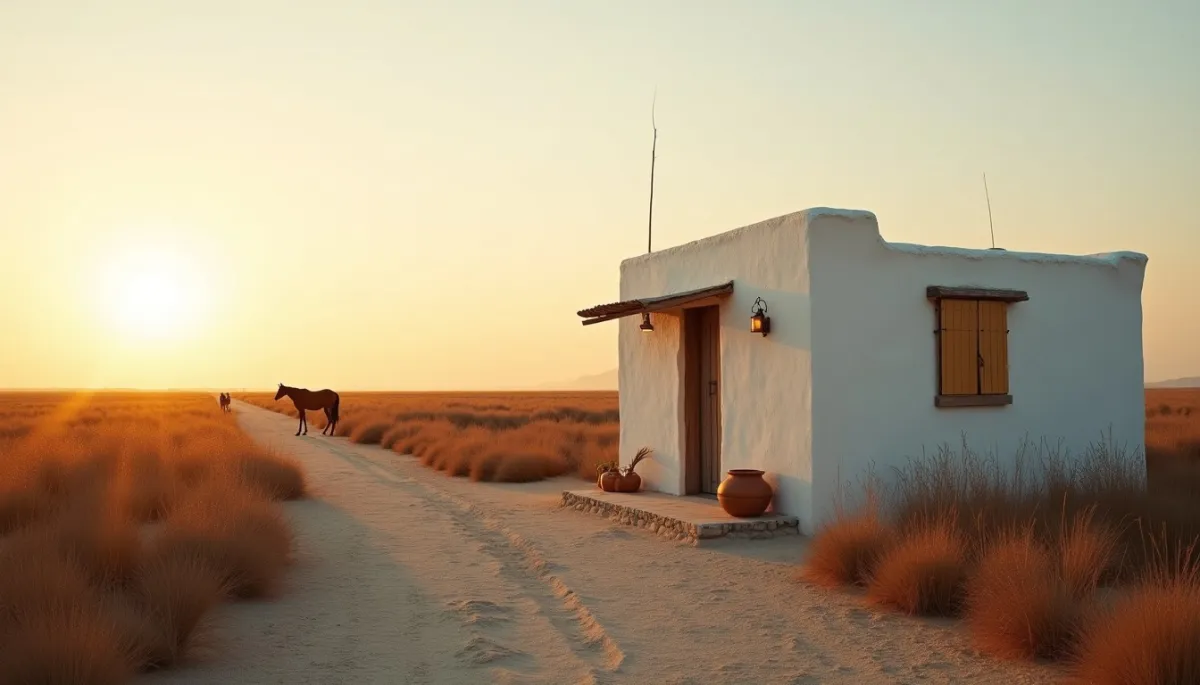
On the ground, manadiers diversify. Some rotate grazing, elevate buildings on stilts or move infrastructure inland. Local authorities invest in early warning systems and emergency plans. The Parc and associations run revegetation projects with halophytic plants (salt-tolerant species) to stabilize sediments.
Contradictions persist: tourism demands access to coastal spots while conservationists urge restrictions. Salt production, a historic economic activity, must balance profitability with habitat protection. There is also a cultural debate—how much change can traditions accept before the Camargue's identity shifts?
petits gestes, grande portée
Practical advice for visitors and residents: respect marked paths to protect reed beds, avoid driving on marshy grounds, and favor local manades and family-run estates when buying services. For policymakers, investment in nature-based solutions and coastal planning that anticipates several decades of sea-level rise is essential.
The Camargue remains resilient, rich in living knowledge. Its gardians, scientists and citizens already combine techniques old and new to keep the delta alive. The choices made in the next ten to twenty years will decide how much of that living heritage survives the advancing tide.
Visiting the Camargue today is to witness a territory in motion: a landscape of horses and birds that adapts, cautiously, to a changing sea.