The trident (or fichoir), the emblematic tool of the herdsman
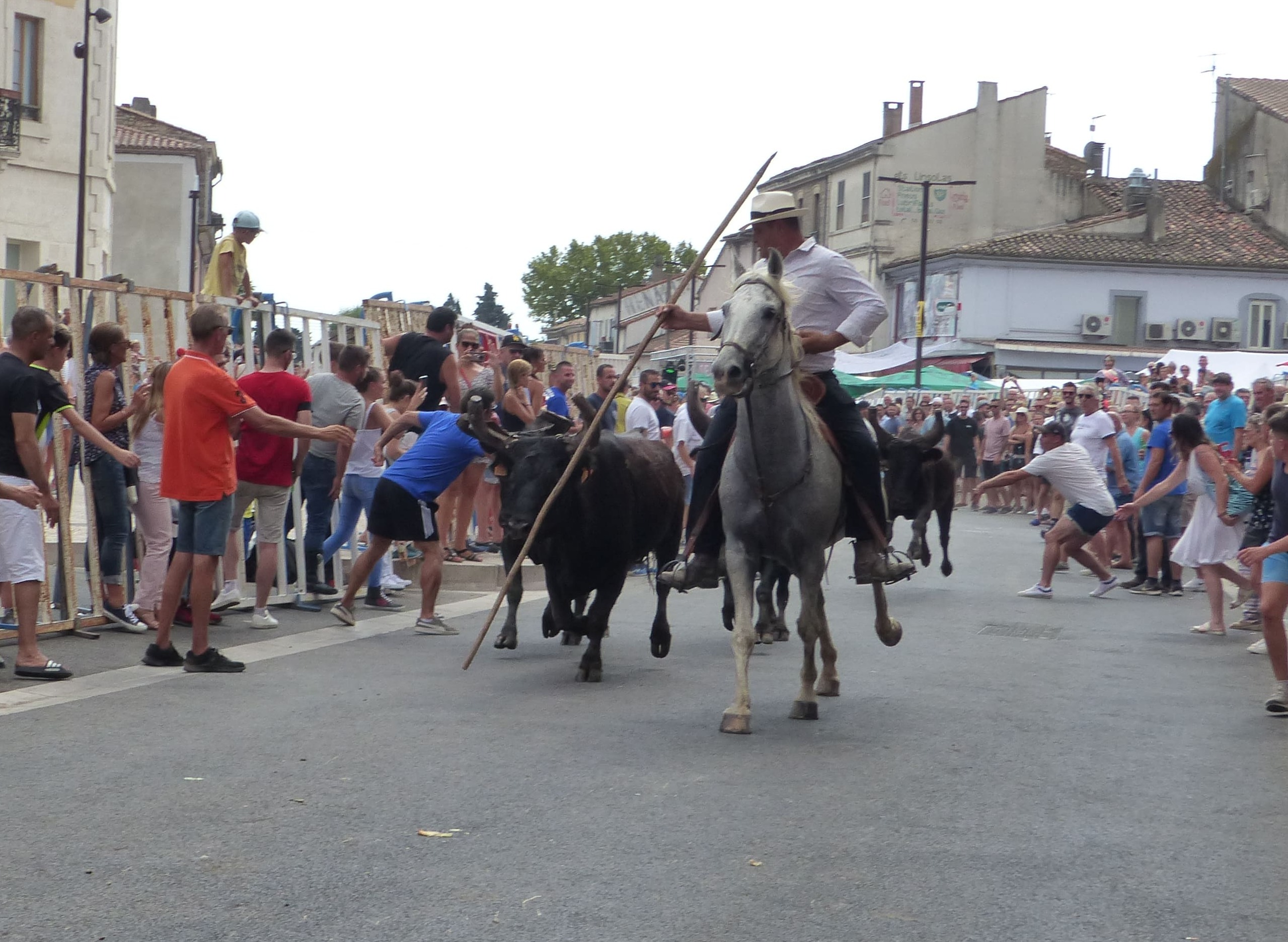
The trident, simple and effective, is not just an instrument. It embodies belonging to the marshes and the profession of herders.
🚀 The essentials
- Key concept: The trident or hook is a pole with two or three iron points, used on horseback to control livestock and equipment.
- Practical advice: Choose an ash or oak pole, oil the tips and adapt the length to your size for balance.
- Did you know: The ficoir is both a work tool and a cultural badge during abrivados and other Camargue festivals.
Small, precise, essential.
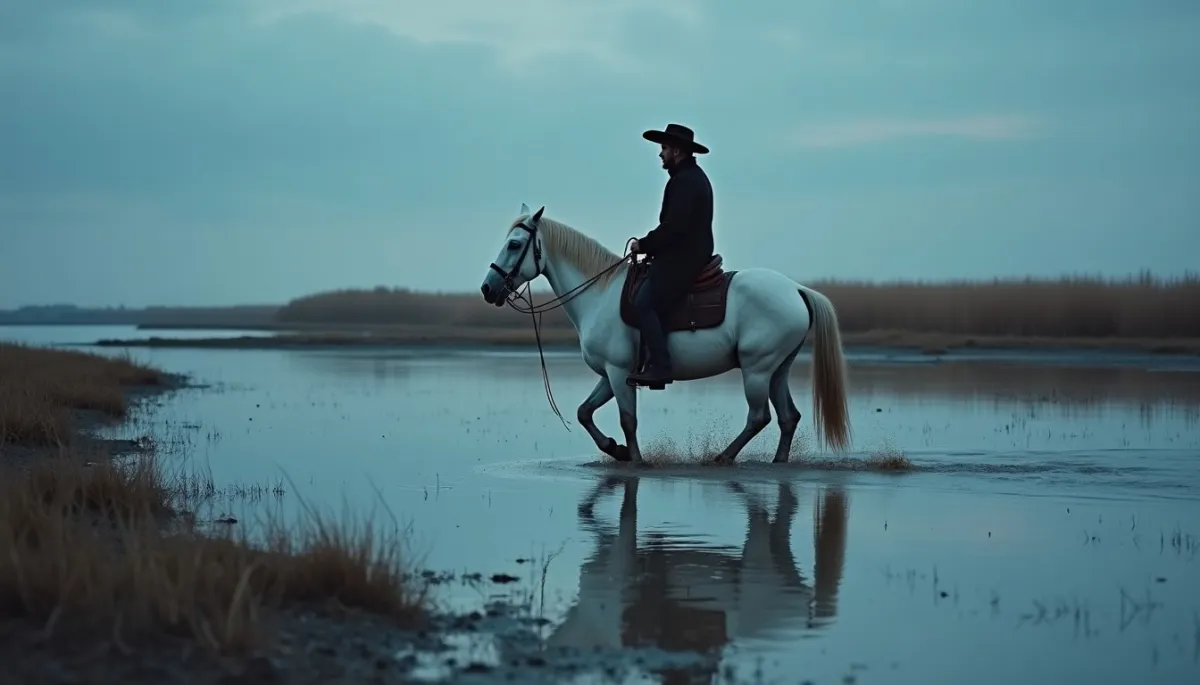
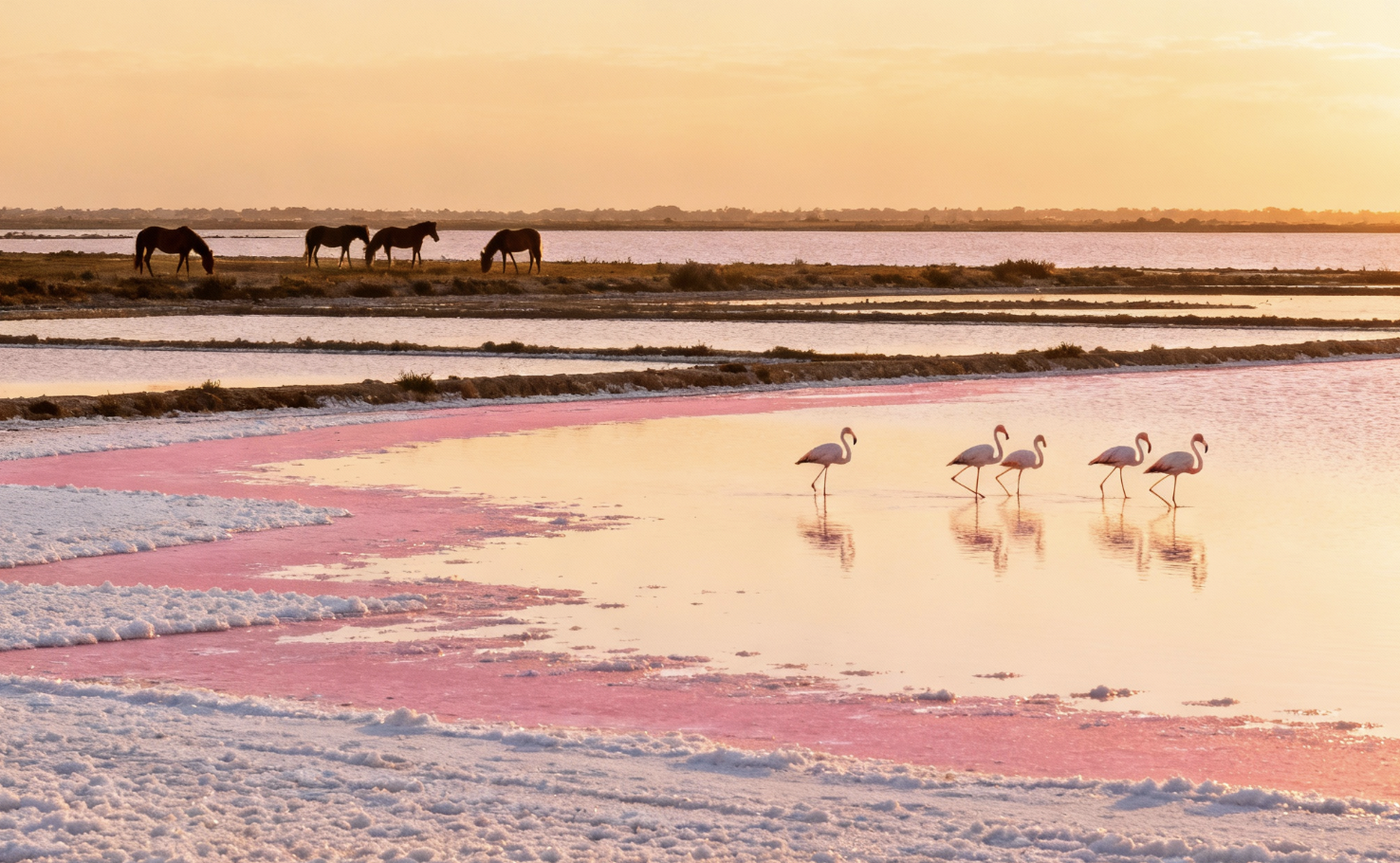
Imagine the sun low over the mouth of the Rhône, the sparkling marshes, a herdsman in a blue coat perched on his white horse. In his hand, a long, worn, iron-shod wooden pole. With a sharp gesture he grabs the rope of a young bull, directs the herd through the reeds, or pushes away a horn during a race. The smell of salt and leather permeates the air, and the trident seems as natural as the horse.
Read alsoCamargue in literature and cinema
Gesture and tool
The trident, called a fichoir in the local language, is the tool and extension of the rider. Its shaft generally measures between 1.5 and 2.5 meters and comes from resistant wood, ash or oak. The end has two or three iron teeth, forged and often fitted.
On horseback, the herdsman uses it to push, direct and protect. It can grab a rope, block a horn, or serve as support when descending on wet ground. The gestures are precise and economical, transmitted from master to apprentice at the heart of the herds, these livestock farms in the Camargue.
Beyond its use, the kerchief is part of the outfit. At festivals, it is raised like a standard. The points are sometimes polished, the shaft varnished, and certain families keep a file handed down for several generations.
At the origins
The history of the trident in the Camargue follows that of the professional affirmation of the keeper in the 19th and 20th centuries. The rise of herds and the need to handle livestock on horseback have made this tool essential.
Folco de Baroncelli-Javon, a figure of Camargue identity at the beginning of the 20th century, contributed to structuring the rites and the image of the herdsmen. In 1909 he founded the Nacioun Gardiano, which codified a number of practices where the ficoir appears as a mark of authority and belonging.
The local forges of Arles and Saintes-Maries-de-la-Mer forged these iron heads for a long time. Post-war photographs show various tridents, with two or three prongs, adapted to seasonal uses and the particularities of breeding.
Practices and anecdotes
The file is mainly used to manipulate, rarely to hit. During the abrivados, when the bulls cross the village, it allows them to change their trajectory without going down. The human-animal relationship is based on respect and economy of gesture.
An often-told anecdote tells of a young herdsman in the 1960s who freed a foal stuck in a ditch by slipping his foal under a harness and prying it out. These are stories that emphasize the mechanical value of the tool rather than any brutality.
There are regional variations. In the eastern marshes, where the reeds are denser, the stems are longer. For ceremonies, there are smaller, decorated kerchiefs, reserved for parades.
Why this continues
The ficoir endures because it corresponds to the landscape and the working method. The horse remains very effective in the Camargue, where vehicles get bogged down. The kerchief is light, repairable at the blacksmith, adaptable according to uses.
Cultural transmission has a lot to do with it. The herds are often family and the learning is concrete. Knowing how to handle the handkerchief means learning to read the behavior of livestock, to feel the terrain and to participate in local rites.
Tourism and festivals have brought the file back to light. While some examples are now accessories, many remain everyday tools, preserving the link between utility and identity.
Tradition and modernity
Contemporary materials are appearing, stainless steel and even fibers, but many gardeners prefer wood for its flexibility and grip. Maintenance requires attention: oiling the tips, checking the shaft, repairing a loose shank.
The debate exists between purists and innovators. The first defend traditional shapes and dimensions. The latter propose ergonomic improvements. Most opt for a compromise: traditional shaft and modern reinforcements on the head.
For the visitor who wishes to approach a herd, a few simple rules. Do not touch a file without permission. Observe the way the keeper holds it: the low hand stabilizes, the high hand guides. If you are offered a demonstration, move slowly and follow the explanations. And if you buy a kerchief as a souvenir, choose local manufacturing and learn how to maintain the metal to avoid corrosion.