White horses of the Camargue: symbol of freedom
The white horses of the Camargue embody a rare form of freedom, their manes and the water of the marshes moving in unison. Seeing them in the wild in the early morning is a lesson in patience and beauty.
🚀 The essentials
- Key concept: The Camargue horse is both a living breed and a cultural emblem of the Rhône delta.
- Practical advice: Prefer dawn or a guided outing with a herdsman to observe without disturbing.
- Did you know: These horses are adapted to salty lands and play a central role in local traditions.
The white horse of Camargue is not just an image, it is an element of the landscape and local memory. Painters, photographers and visitors have helped shape its aura over the decades.
Here I describe the origins of this symbol, the gestures to meet it with respect, and the efforts led by the region to reconcile tourism and preservation in 2026.
A living symbol of freedom
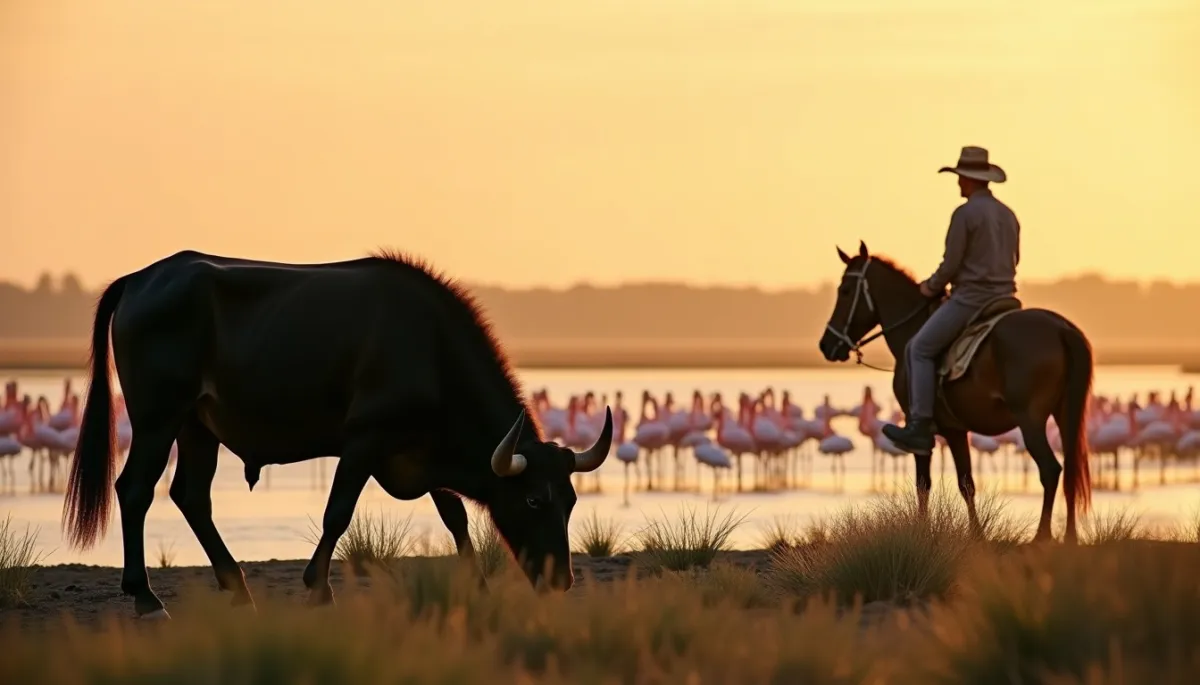
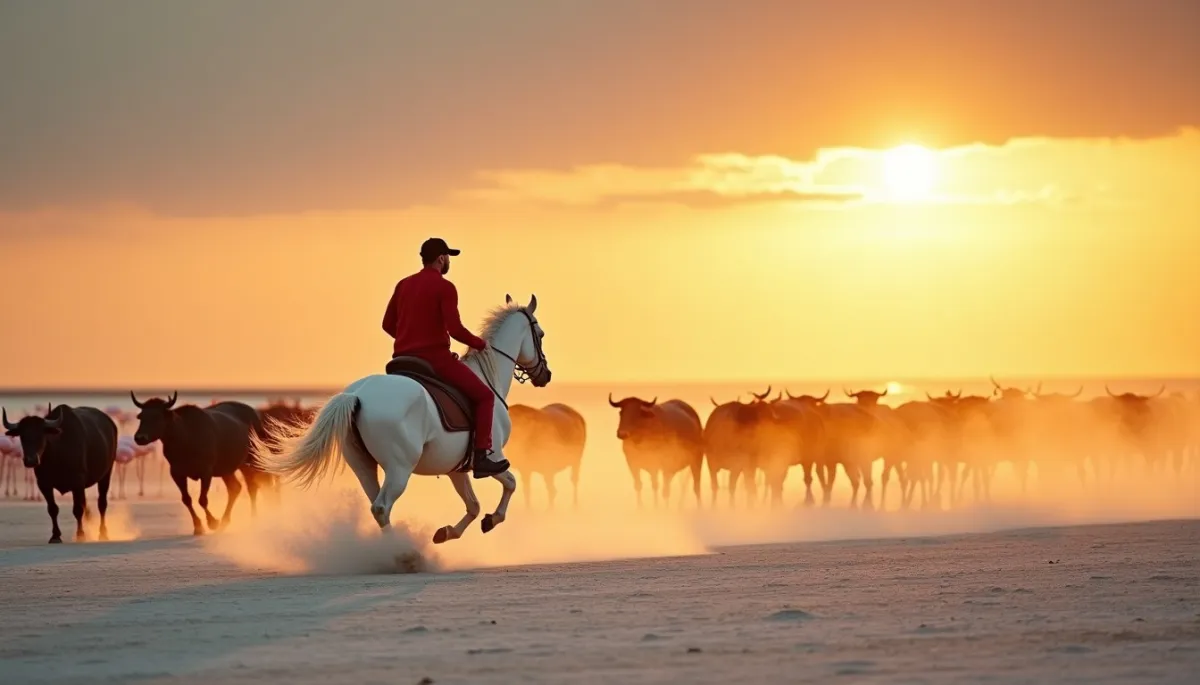
Seeing a herd crossing a lagoon gives the impression of movement without constraint. The pale coat contrasts with the reed beds and salt flats, a familiar image of the Camargue.
This vision was built over the uses of the delta, from daily grazing to the role of herdsmen, including local festivals where horses and riders form the same choreography.
Origins and heritage
The Camargue horse descends from Iberian and Mediterranean lineages adapted to salt marshes and humid lands. Over the generations, it has developed strong limbs and a light coat that reflects light.
Local breeders and the Camargue Regional Natural Park have been working for decades to protect the breed and its environment. In 2026, breeding programs pay particular attention to genetic diversity and adaptation to climate change.
The herdsmen and traditions
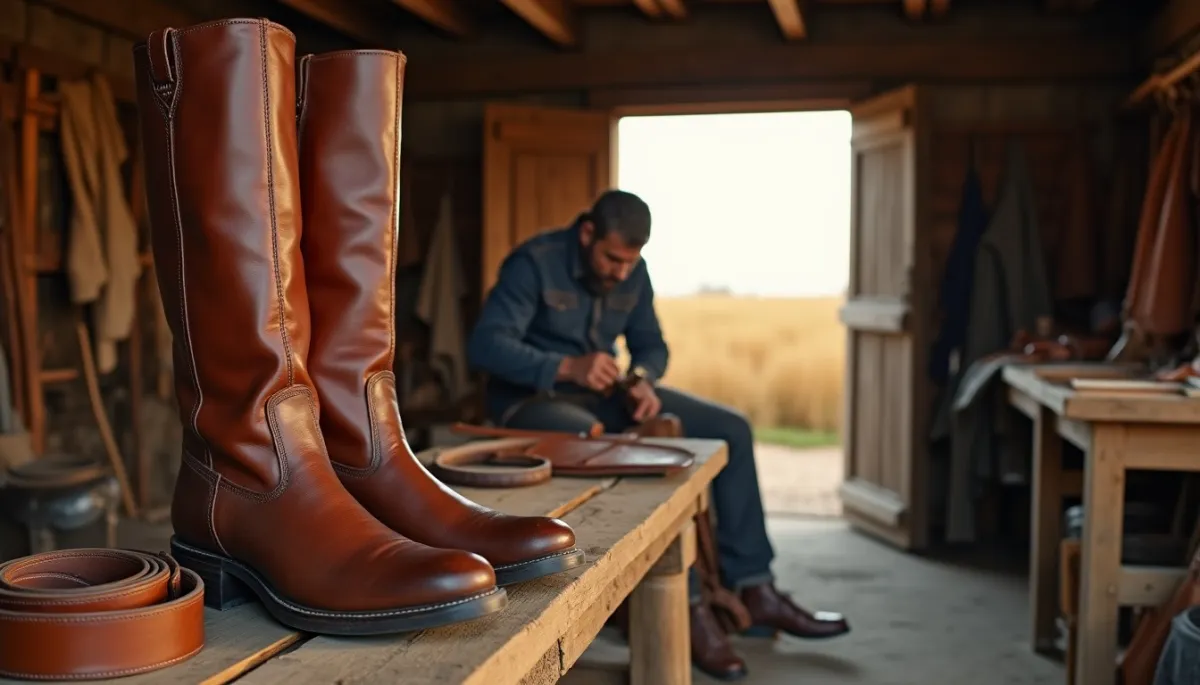
The gardians are the equestrian guardians of the Camargue heritage. Their daily work maintains wetlands and transmits know-how that is part of the regional identity.
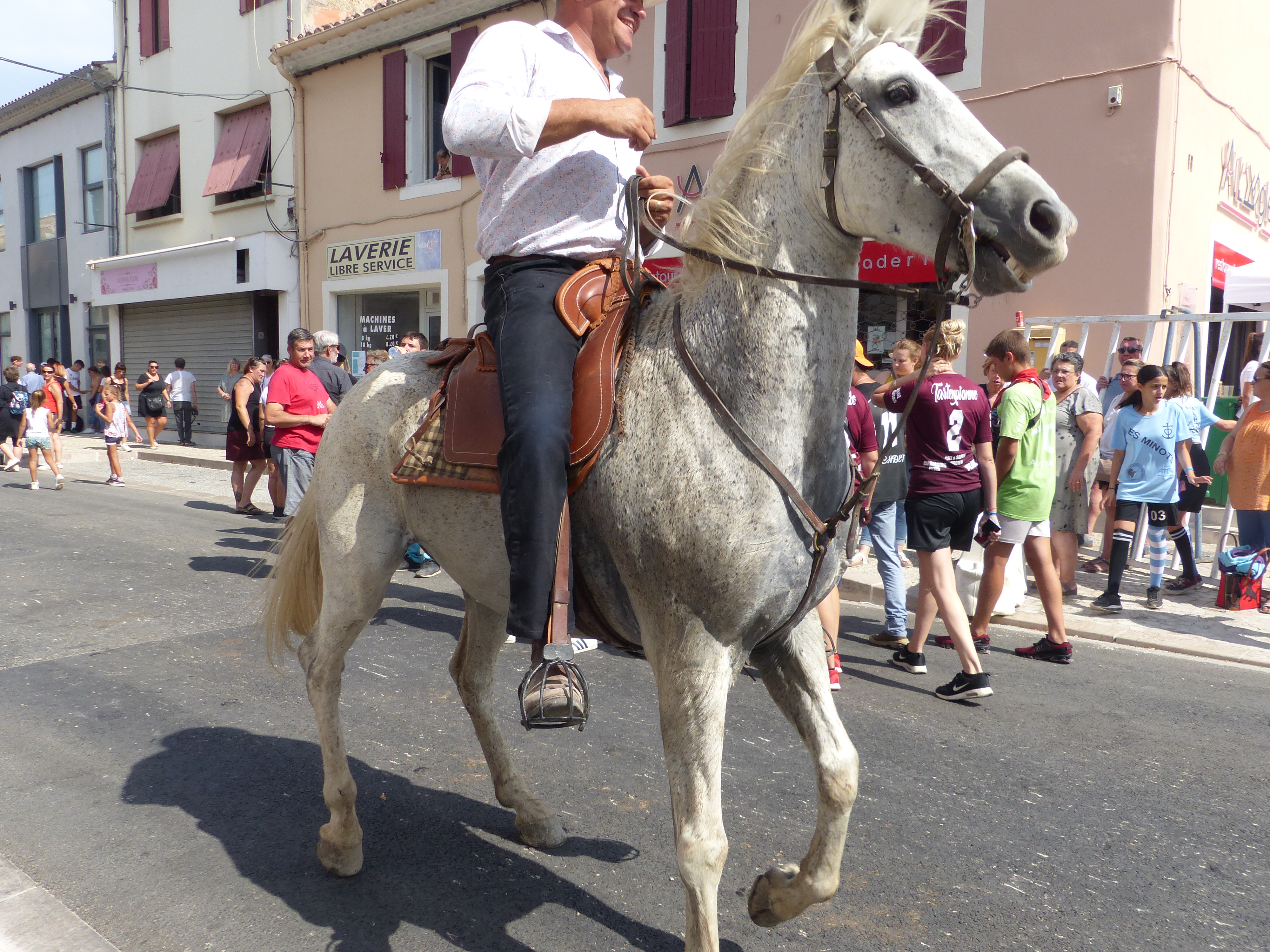
Abrivados and local festivals reveal the relationship between man and horse, a relationship based on respect, balance and experience with semi-wild animals.
Where and how to observe them while respecting the animal
The best times to observe them are at dawn and late afternoon, when the light highlights the movements. Favor guided outings with a herder or a local operator to avoid disturbing the herds.
Stay your distance, avoid sudden movements and do not feed the horses. Use binoculars or a zoom lens, respect breeding areas and follow the signage of the natural park.
Photographing the white horses
For a journalistic look, include a human subject, for example a herdsman in traditional dress, to provide scale and context. Choose golden hour, dial wide and think ahead.
On a smartphone, lock the exposure on the horse to avoid burned highlights, use burst mode for action, and alternate close and wide shots to tell the story.
Conservation and prospects in 2026
Tourism, rising sea levels and changes in land use are real challenges for the Camargue. Associations, breeders and local authorities are working on low-impact routes and adaptive grazing plans.
Supporting responsible guides, choosing outings in small groups and learning local customs are concrete actions to contribute to the preservation of horses and their freedom.