Camargue working equitation decoded: the French art of working horsemanship
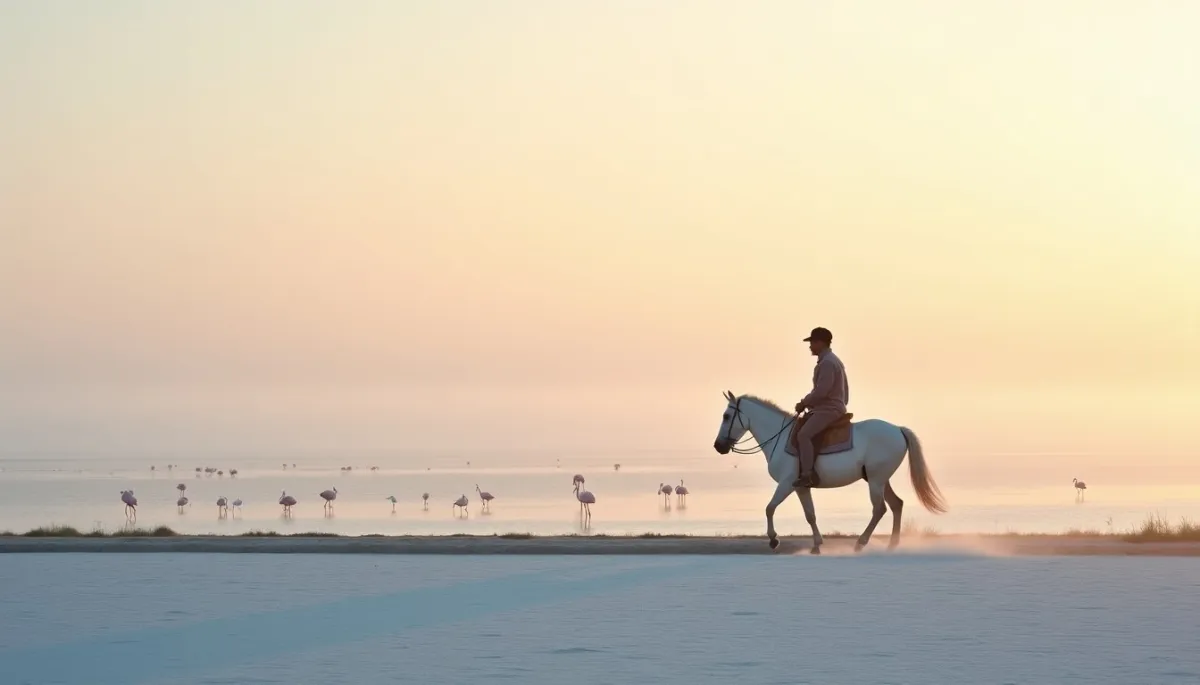
In the marshes where sea wind tastes of salt and reed smoke, horsemanship keeps a rhythm older than roads. From Les Saintes-Maries-de-la-Mer to the arenas of Arles, the Camargue way of riding is both tool and identity.
🚀 Key Takeaways
- Core concept : Camargue equitation is working riding for cattle, shaped by gardians and manades.
- Practical tip : Visit a manade at sunrise to see abrivado and gardian skills up close.
- Did you know : The course camarguaise is a bloodless ritual different from Spanish bullfighting.
Silence, then hoofbeats.
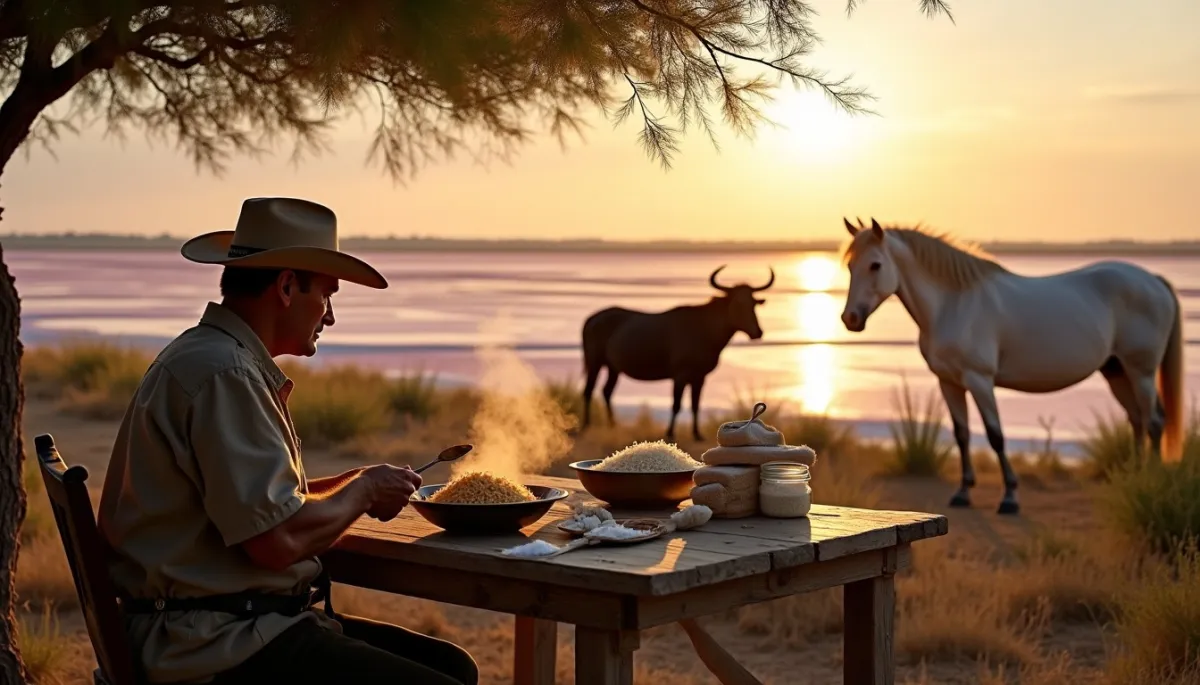
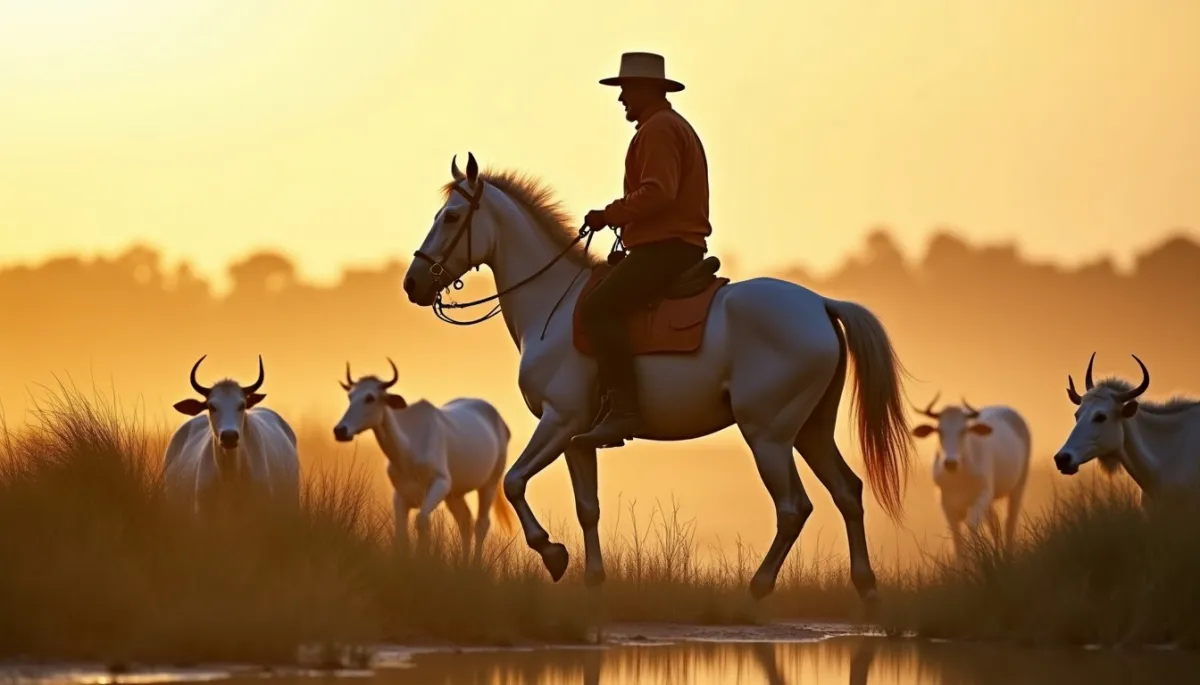
The scene: low light over marsh, a gray Camargue horse moving like a shadow through reeds, a gardian in white trousers and short jacket guiding white cattle with a long pole. The air smells of brine and hay, and the herd answers with a low chorus. You feel time measured by the gait of the horse and the rhythm of the work.
Bêtes et hommes
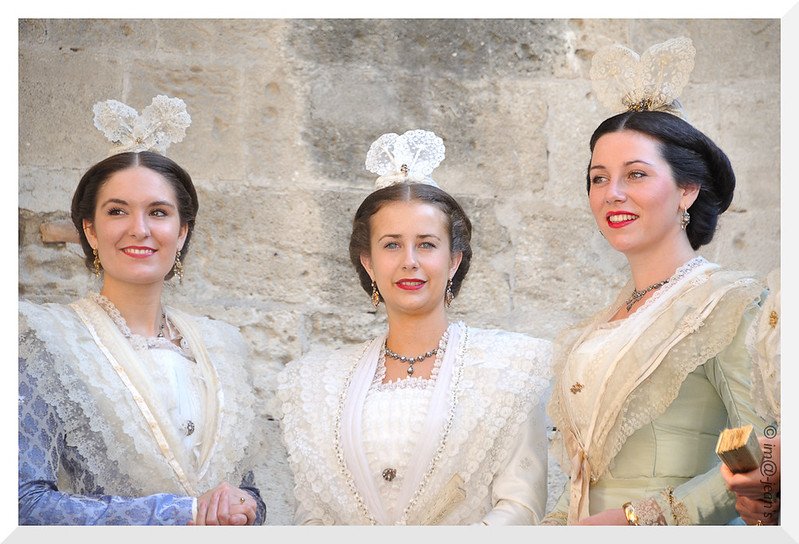
Camargue equitation centers on two protagonists: the gardian, mounted herder, and the animals he manages, chiefly the Camargue cattle and the small robust Camargue horse. Gardians wear a uniform that is practical and symbolic, visible during festivals and daily life in manades.
Manade means a free-roaming herd, managed collectively on marshland commons. These herds gave rise to rituals such as the abrivado, when cattle are moved through towns, and the bandido, when they are returned to pasture.
The course camarguaise, popular since the 19th century, involves raseteurs who remove rosettes from a bull without injuring it. It is a test of agility for both human and animal and underlines the non-lethal ethic of local tradition.
Racines et raisons
The style dates back centuries, shaped by the geography of the Rhône delta. Salt flats, saline soil and seasonal floods require a compact, sure-footed horse and efficient herding techniques. The Camargue horse evolved to meet those needs.
Notable figures promoted the culture in the 20th century. Folco de Baroncelli (1869-1943) helped institutionalize festivals and preserve customs around Les Saintes-Maries-de-la-Mer. The Camargue Regional Natural Park, created in 1970, later framed protection of landscape and traditions.
Modern needs also influenced technique. Saddlery, cattle marking and herd management have adopted veterinary advances, while preserving the oral knowledge of gardians passed down generations.
Tradition et changement
Tensions exist between heritage and tourism. Festivals and ferias draw visitors, which sustains manades, but also pressures landscapes. Responsible visits help: choose licensed manades and avoid disturbing grazing patterns.
Teaching the art persists through on-site apprenticeships and equestrian schools which emphasize riding at working speed, control with minimal aids, and respect for animals. Terms like abrivado and manade are part of the vocabulary newcomers learn.
Practical advice: attend a morning round in a manade, ask a gardian to explain fer à cheval (branding and shoeing practices) and book a short guided ride to feel the Camargue horse’s particular cadence. You will return with stories that smell of salt and saddle leather.