Traditions and animal welfare: the Camargue between heritage and modernity
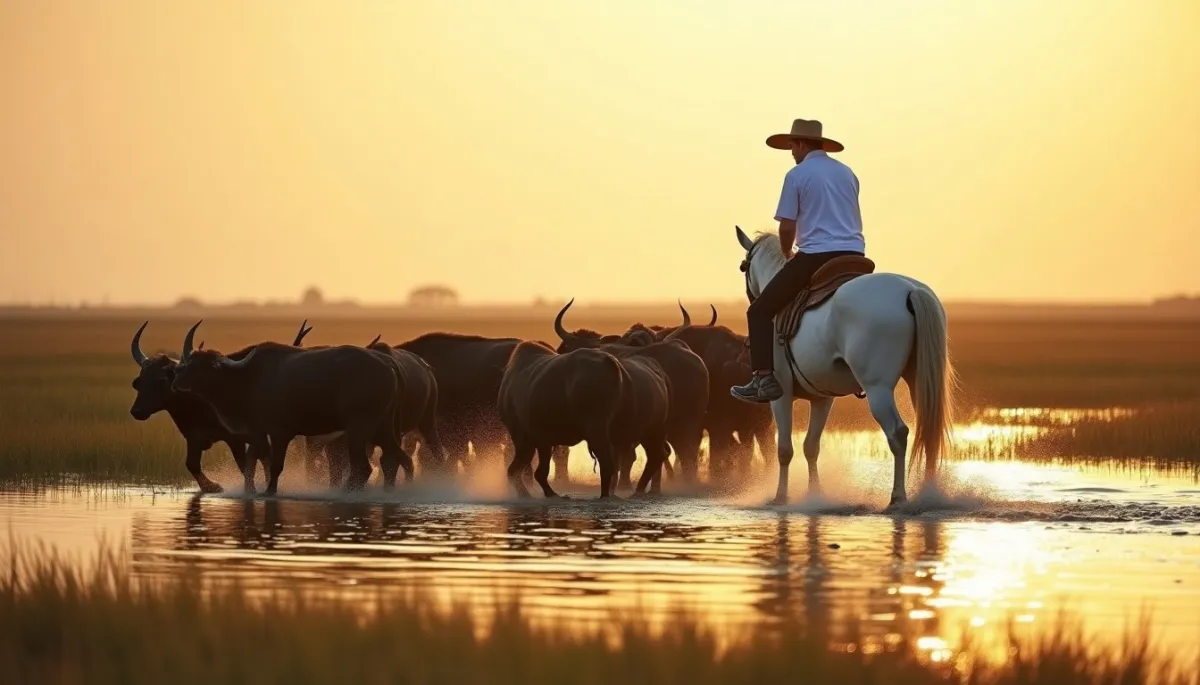
On the borders of the Rhône delta, old rituals and modern requirements intersect. Around Arles and Saintes-Maries-de-la-Mer, herdsmen and herds are rethinking their relationship with animals.
🚀 The essentials
- Key concept: Tradition can evolve without losing its identity.
- Practical advice: Favor low-stress restraint and veterinary checks during ferrades.
- Did you know: The Camargue race is non-lethal, the animal is not killed in the arena.
Wind, salt, a white hat on the horizon. The image grabs and doesn't let go.
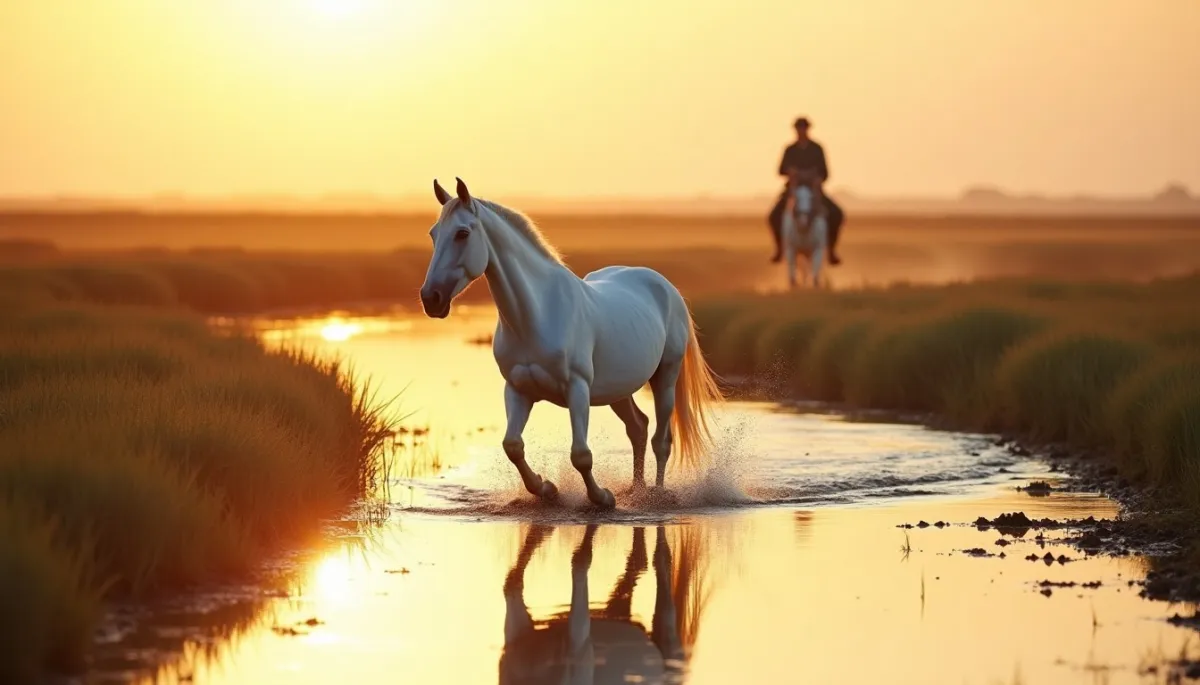
At the edge of the marshes, a herdsman pushes his horse between the reeds to reach a small herd. Horses, animals and men are organized as a single body, shaped by decades of work and rites. We feel the depth of history, and the contemporary questions: how to preserve these practices while improving animal welfare?
Living ritual
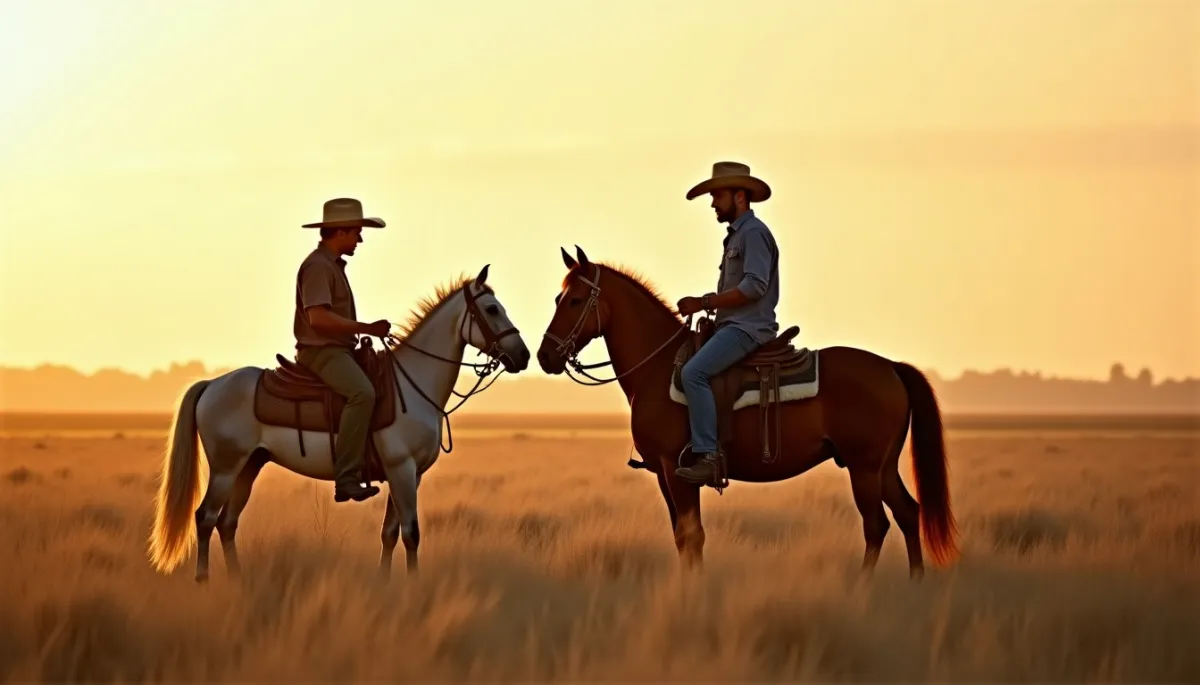
The Camargue is based on concrete practices: the manades (outdoor herds), the ferrade (marking, care and annual health checks), the abrivado and the Camargue course (public shows). Every gesture carries a cultural identity. The herdsmen, traditional horsemen, know the marshes better than anyone.
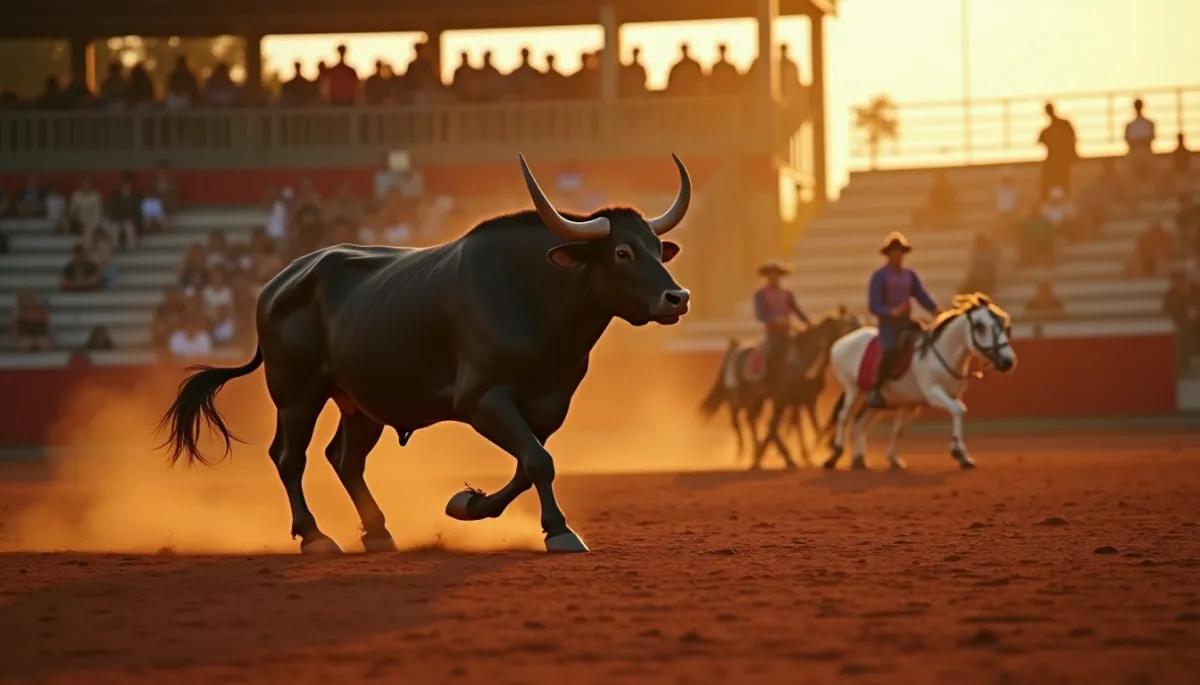
To clarify, the Camargue race is different from the Spanish bullfight. Here, raseteurs confront the bull to remove a cockade, a small ornament. The animal is not killed. This non-lethal nature is claimed by many to justify the preservation of the rite.
The ferrade, often in spring, remains a central moment. This is an opportunity to vaccinate, castrate if necessary, and mark the animals. Utility practice and community celebration mingle, from Saintes-Maries-de-la-Mer to the neighboring salt marshes.
Why today
The debate has gained momentum in the 21st century. In France, the legal development is clear: in 2015, the Civil Code recognized animals as living beings endowed with sensitivity. This change reflects social expectations and pushes traditional players to evolve.
Manadiers are more exposed to the eyes of the public and associations. Social networks amplify any questionable practice. Faced with this, many herds now keep precise health records, call on veterinarians for ferrade, and organize restraint to reduce stress.
Scientific methods also influence practices. Temple Grandin's work on reducing stress when handling livestock has been widely disseminated. Stockmen and guards adapt these principles, improving corridors, devices and handling times.
Shared tensions
The transition is not without tension. Tradition is a source of pride, a marker of identity. Some herdsmen fear that too strict regulations will sanitize the rites and transform the culture into a simple tourist product.
However, simple adjustments often make the difference: calmer gestures during ferrade, more spacious boxes, recourse to veterinary treatment when necessary, and scheduling of events outside of heat peaks. These measures reduce suffering without erasing the rite.
Legal and reputational risk exists, however, if practices exceed the limits of regulation. Prefectures and town halls sometimes intervene to supervise demonstrations, both for public safety and for animal protection. The Camargue solution is therefore a patchwork of initiatives, not a single rule.
Crossed perspectives
Comparing helps to understand. American ranchers and Argentine gauchos retained mounted labor while modernizing transportation and slaughter. The common thread is respect for the animal as a partner in the activity, and concrete practices to reduce stress and injuries.
In the Camargue, cooperation between herds, veterinarians, researchers and communities makes it possible to develop good practices. The Saintes-Maries procession, which takes place every end of May, illustrates the search for a balance: horses and bulls remain at the heart of the festival, but protocols govern their transport and accommodation.
The visitor also has a role. Favoring transparent herds, asking questions about care and avoiding days that are too hot are simple actions that push the environment towards animal well-being.
Practical advice
So that traditions and well-being continue: choose herds with extensive grazing, ask for health records, find out about ferrade and encourage organizers who communicate about their animal protection measures.
If you talk about it, be nuanced. Value successes and avoid blanket condemnations that would alienate those who can change practices from within.
In the end, preserving a heritage and improving animal welfare are not contradictory. The Camargue shows that tradition can be part of respect for animals, when care also becomes a rite.