Chaps and armitas: history and purpose of leather leg protection
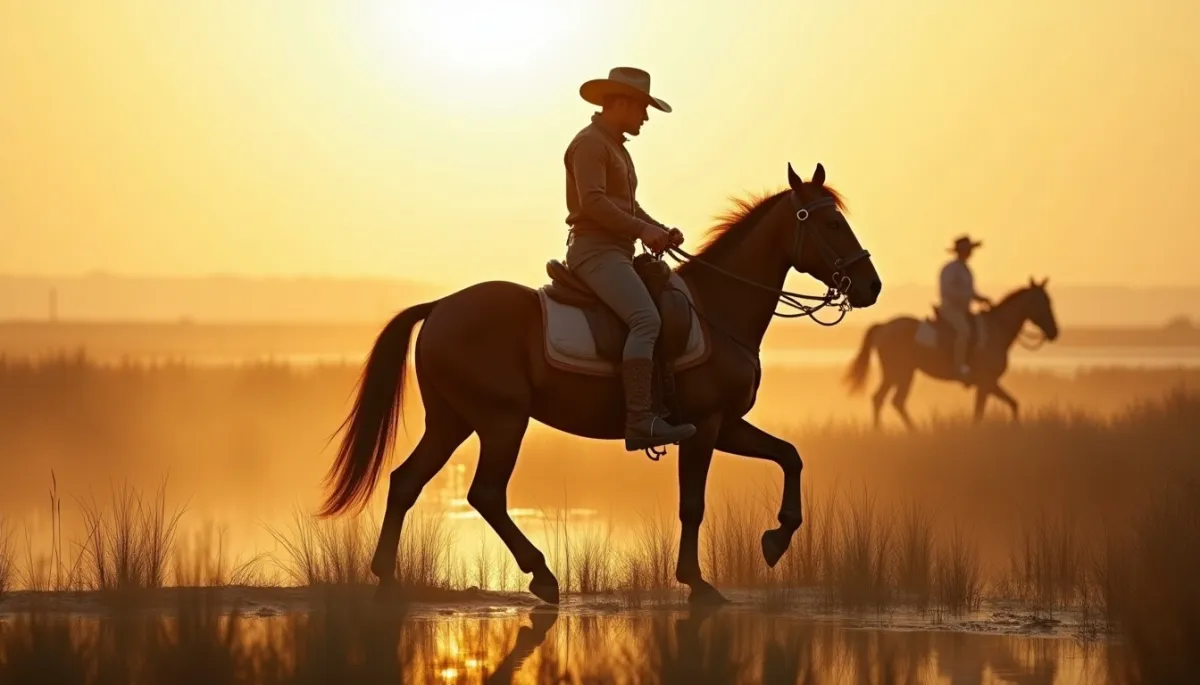
Chaps and armitas have crossed continents and centuries to serve riders from the Americas to the Camargue. These leather leg protections mix function, identity and folklore.
🚀 Key Takeaways
- Core concept : Chaps (from Spanish "chaparreras") protect legs from brush, weather and saddle friction.
- Practical tip : Choose vegetable-tanned leather for longevity; condition periodically.
- Did you know : Gardians of the Camargue use leather gaiters similar in purpose to armitas, linking two equestrian traditions.
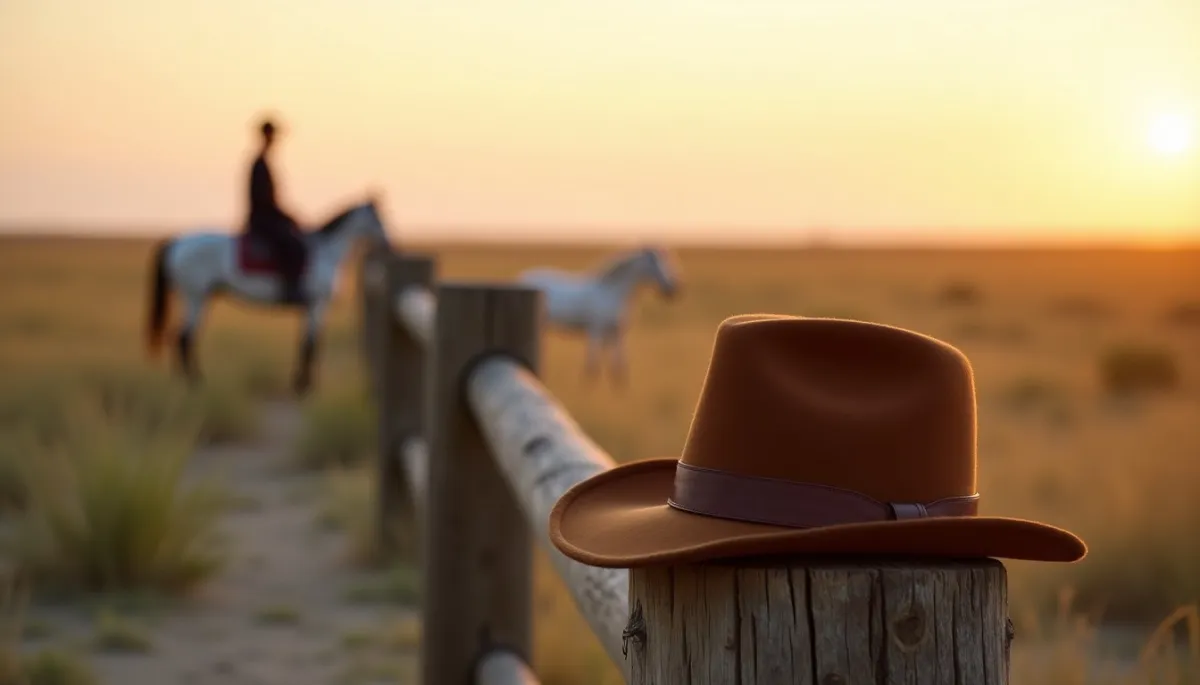
Close the gate and listen: leather whispers with every step. Picture a rider at dawn, boots sunk in marshland, a Camargue hat shadowing the face, the low rumble of horses and the soft slap of chaps on leather.
On the trail
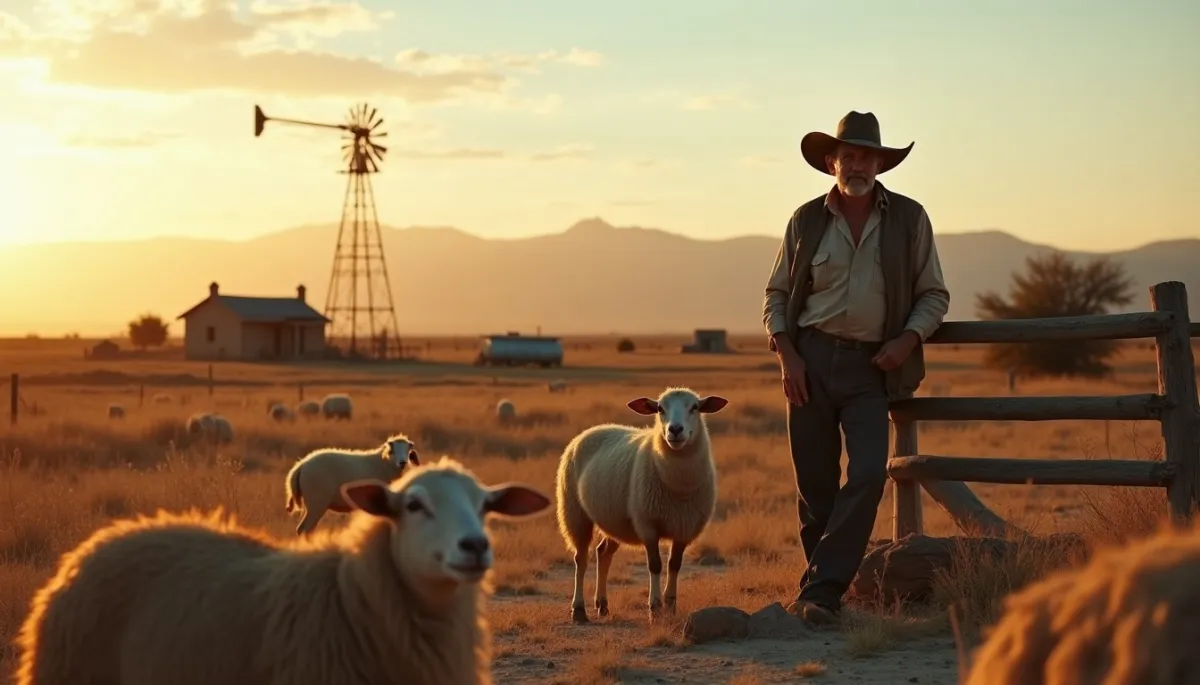
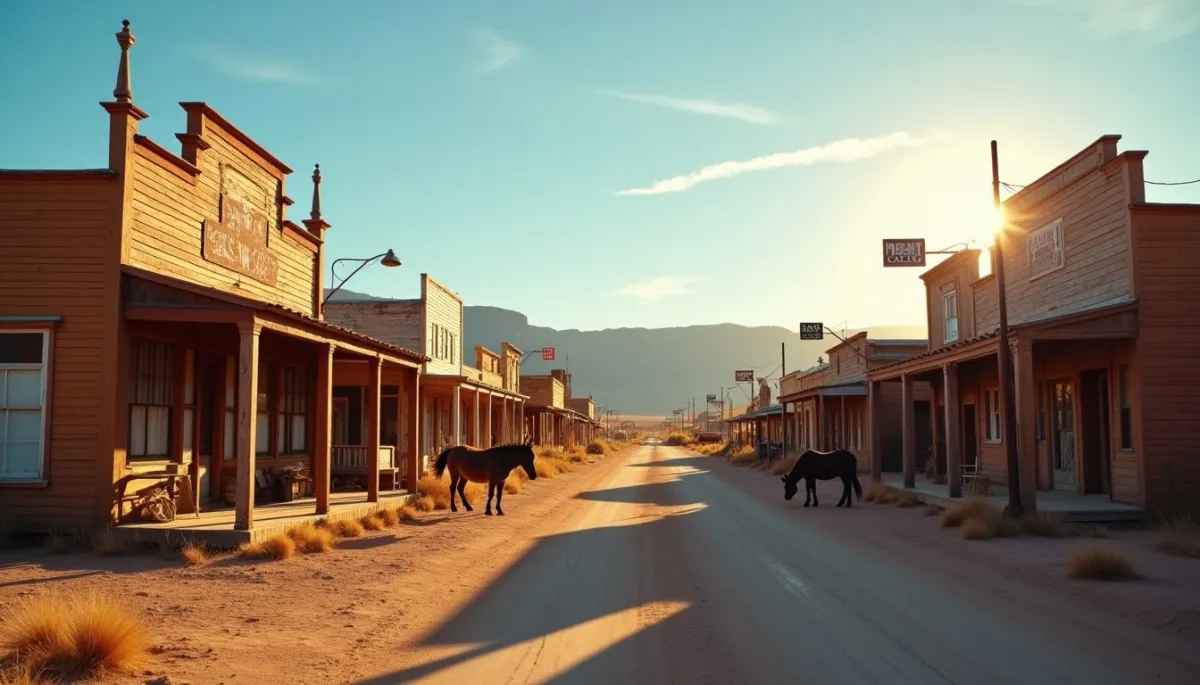
Chaps derive from the Spanish word "chaparreras", used by Mexican vaqueros in the 18th and early 19th centuries to mean protective leggings against chaparral (thick scrub). The design crossed into Texas and the American West as cattle drives intensified after the 1840s and 1850s.
Different styles emerged: full-length shotgun chaps for rain and brush, shorter chinks for hot climates, and batwing or flamboyant cut for mobility. Hollywood also fixed an image: John Wayne and other film icons from the 1930s onward made chaps part of the cowboy iconography.
In southern France, the Camargue gardians developed parallel solutions. While the exact term "armitas" is less widespread in English sources, locally used leather gaiters or guêtres serve the same purposes, adapted to marshes and reeds rather than cactus and mesquite.
Protection et fonction
Practically, chaps stop thorn scratches, reduce mud and water ingress, and prevent saddle sores by shielding the rider's legs. They also protect against bites, brush, and accidental scrapes when working cattle or crossing brambles.
Armitas (here understood as short leather gaiters) give ankle and lower-leg protection while keeping mobility. They are common among mounted shepherds and herders who need quick dismounts and more contact with the horse.
Materials matter. Vegetable-tanned leather breathes and ages with character; chrome-tanned leather is softer and cheaper but less durable. Stitching, rivets and the fit around the thigh decide comfort during long rides.
Tradition et modernité
Today, chaps are both tool and style. Rodeo riders, ranch hands, and re-enactors keep traditional cuts, while urban fashion borrows fringe and leather panels for a western flair. In the Camargue, gardians keep pragmatic uses alive, balancing tradition and modern protective gear.
Care is simple but essential: brush off salt and mud, clean with mild soap, condition with a neutral leather balm, and avoid direct heat. Repair seams early; a small stitch saved prevents a large tear on the trail.
When choosing a pair, consider your primary use: long rides in wet country need full-length chaps; nimble work favors half-chaps or armitas. Respecting local styles links you to a lineage that runs from Mexican vaqueros to the reed-drowned plains of the Camargue.