The confrérie des gardians: history of the oldest equestrian brotherhood
The Confrérie des Gardians embodies a living link between Camargue land and horse. From Arles to Saintes-Maries-de-la-Mer, its rituals keep centuries of pastoral savoir-faire alive.
🚀 Key Takeaways
- Core concept : The Confrérie protects the cultural role of gardians, mounted herdsmen of the Camargue.
- Practical tip : Visit a manade at dawn during the Saintes-Maries de la Mer pilgrimage to see rituals and herding demonstrations.
- Did you know : The movement to codify gardian traditions was boosted by Folco de Baroncelli in 1909 with the Nacioun Gardiano.
Light on the salt flats, the horse rides like a punctuation mark on the horizon.
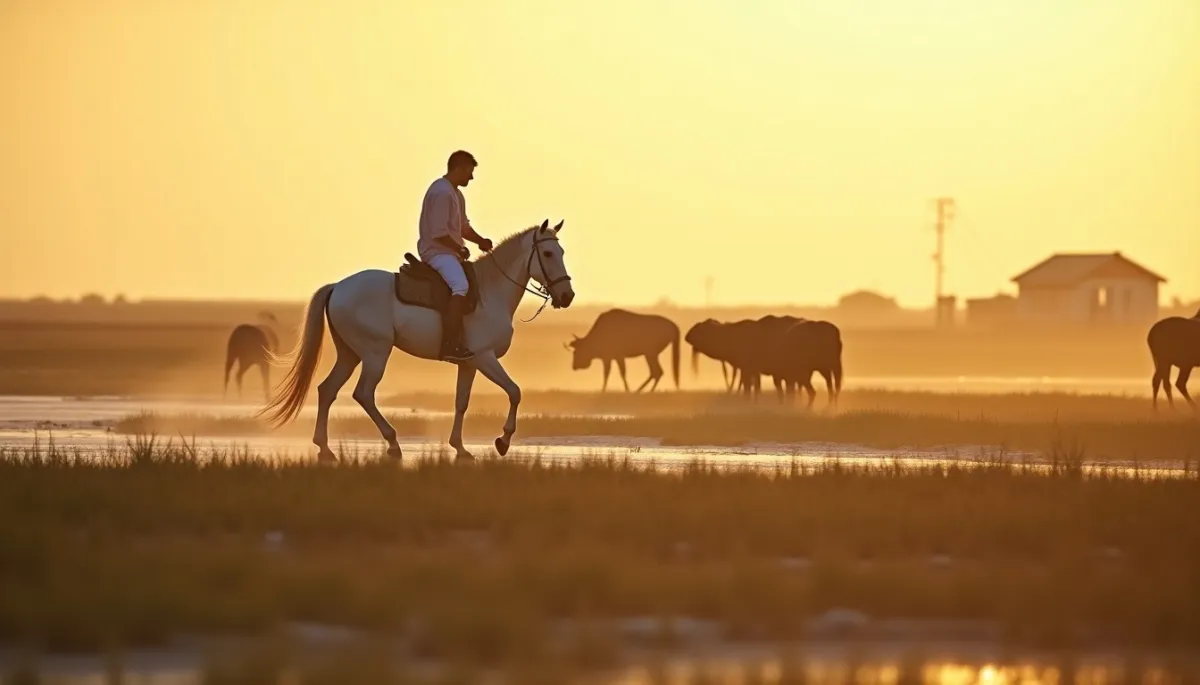
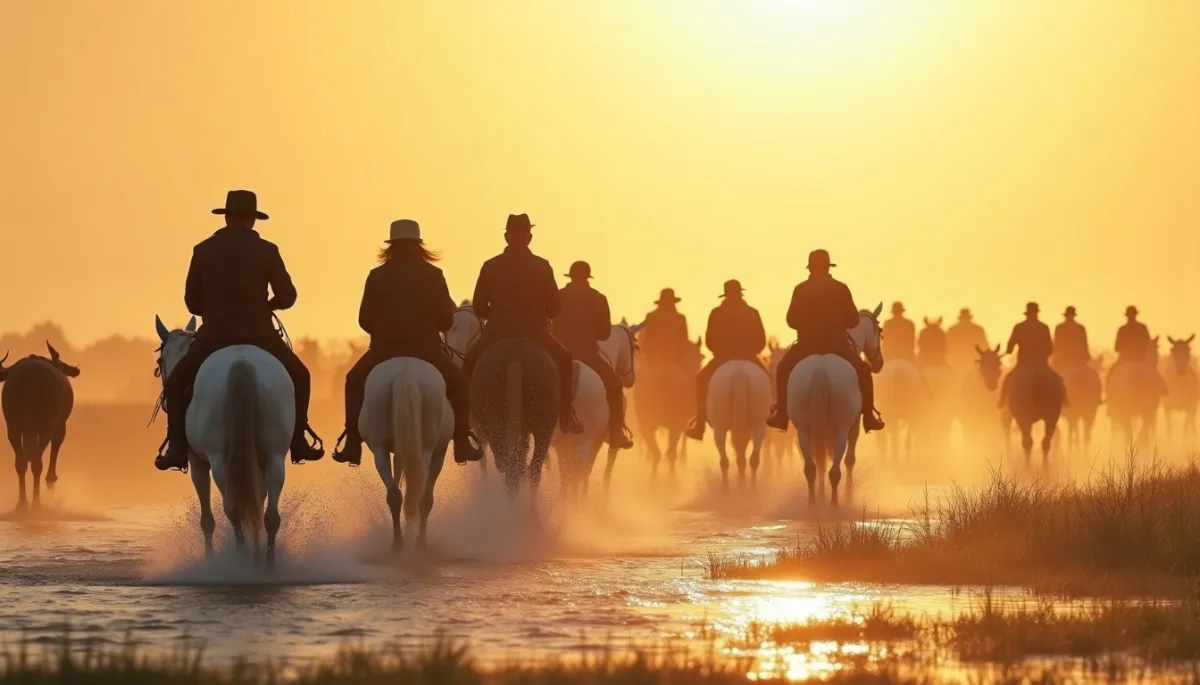
Imagine a pale morning in the Camargue, the river mist lifting while a small group of gardians, hats low and camargue horses compact and dark, guides a manade of white horses and bulls toward the watering place. The air smells of damp grass, and the measured clop of hooves seems older than the roads. This is the world the Confrérie des Gardians celebrates and protects.
gardiens et identité
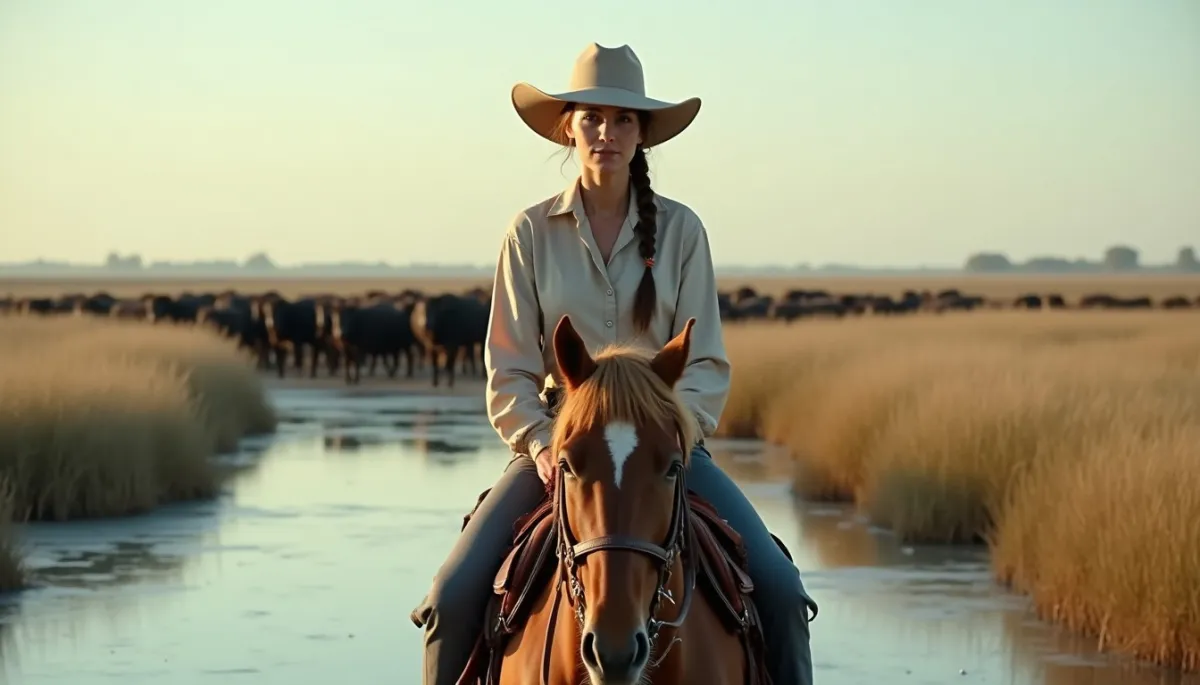
The gardians are the mounted herdsmen of the Camargue, specialists in handling the local horses and taureaux. Their expertise lies in manoeuvres that look improvisational, but are the result of generations of practice in marshes and rizières.
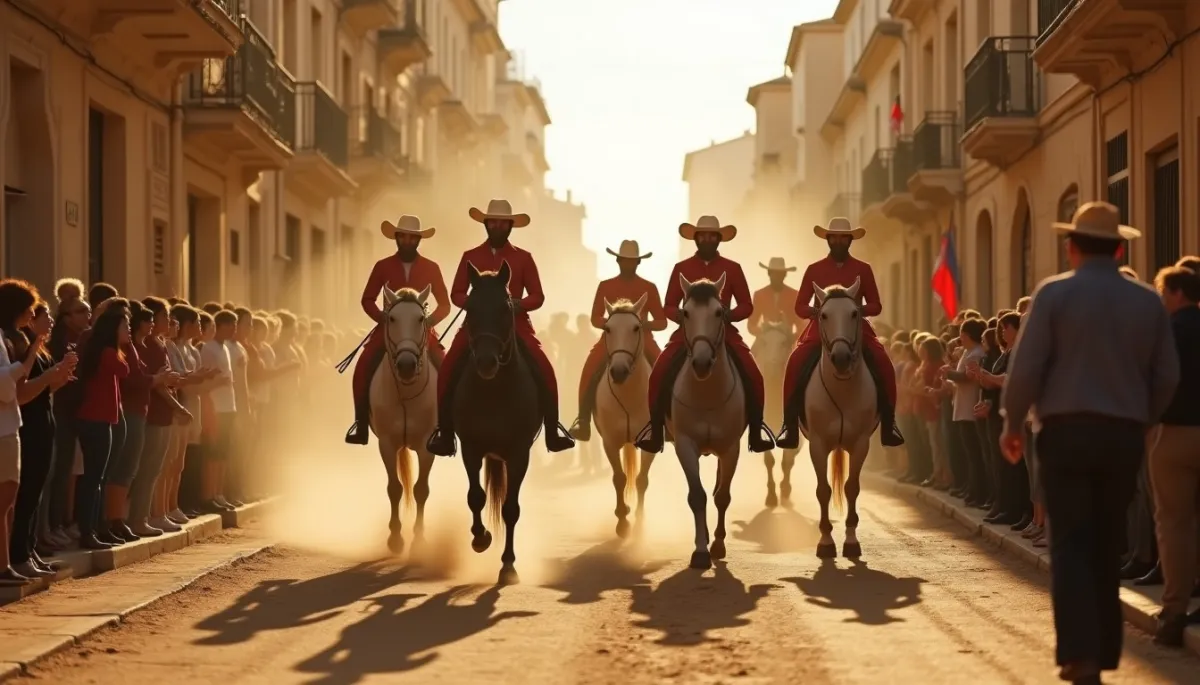
As a group, the Confrérie formalises roles that were once family secrets: manadiers (herd owners), gardians (riders) and those who keep the rituals alive. Publicly, they appear at pilgrimages of Saintes-Maries-de-la-Mer and in the arènes of Arles, where abrivado and bandido show their horsemanship.
Key historical figures linked to this cultural revival include Folco de Baroncelli (1869-1943). In 1909 he founded the Nacioun Gardiano, a cultural movement aimed at preserving Camargue traditions and language, and laid the groundwork for later confraternities.
rituels et gestes
The Confrérie stages processions, blessings and symbolic acts that make the profession visible to the public. At the Saintes-Maries pilgrimage, for example, gardians escort the parade of the saints and lead the manades through the town, a practice that connects pastoral life to popular devotion.
Terms that may be unfamiliar are important to explain. A manade is the semi-wild herd of cattle or horses raised on large Camargue estates. An abrivado is the escorted run of bulls through the streets, a bandido is the return to the pen. Courses camarguaises are local forms of non-lethal bull games where agility and respect for the animal are central.
Anecdotes anchor these rites: in the 1920s and 1930s, local fairs and the emerging ferias in Arles gave gardians a stage. Photographs from the era show men in broad hats and short jackets, their faces tanned by the sun, posing beside the compact, short-backed Camargue horse, the symbol of regional identity.
transmission et protection
The Confrérie works as a living school. It awards symbolic titles, runs demonstrations and supports younger gardians. Its mission is both cultural and practical: transmitting horsemanship and the ecological knowledge needed for marshland grazing.
Why now? The pressures of tourism, property change and modern agriculture have threatened traditional practices since the mid-20th century. The Confrérie responds by making traditions public and legible, so that markets, festivals and education reinforce the value of pastoral methods.
There are contradictions to navigate. Showing traditions on a festival stage can turn daily work into spectacle. The Confrérie must balance authenticity and adaptation, ensuring that rituals remain meaningful to actual gardians, not only pleasing to visitors.
prendre part
To witness the Confrérie, plan a trip in May for the Saintes-Maries de la Mer pilgrimage, or during the Arles feria in spring and autumn. Arrive early to see morning herding at a manade. Respect the space of the animals and the guides; ask permission before photographing close-up.
If you want a deeper understanding, seek a guided visit in a manade where a manadier will explain seasonal grazing, the logic of breeding and the relationship between horse and land. Many manades offer summer stays or half-day sessions focused on traditional techniques.
The Confrérie des Gardians is not a museum piece. It is a community, a set of skills and a style of being in the landscape. Its story links the past of marshland herding to present challenges, and it invites anyone who cares about living traditions to listen, learn and, if possible, ride.