Country music and cowboys: how ranch life created a musical genre
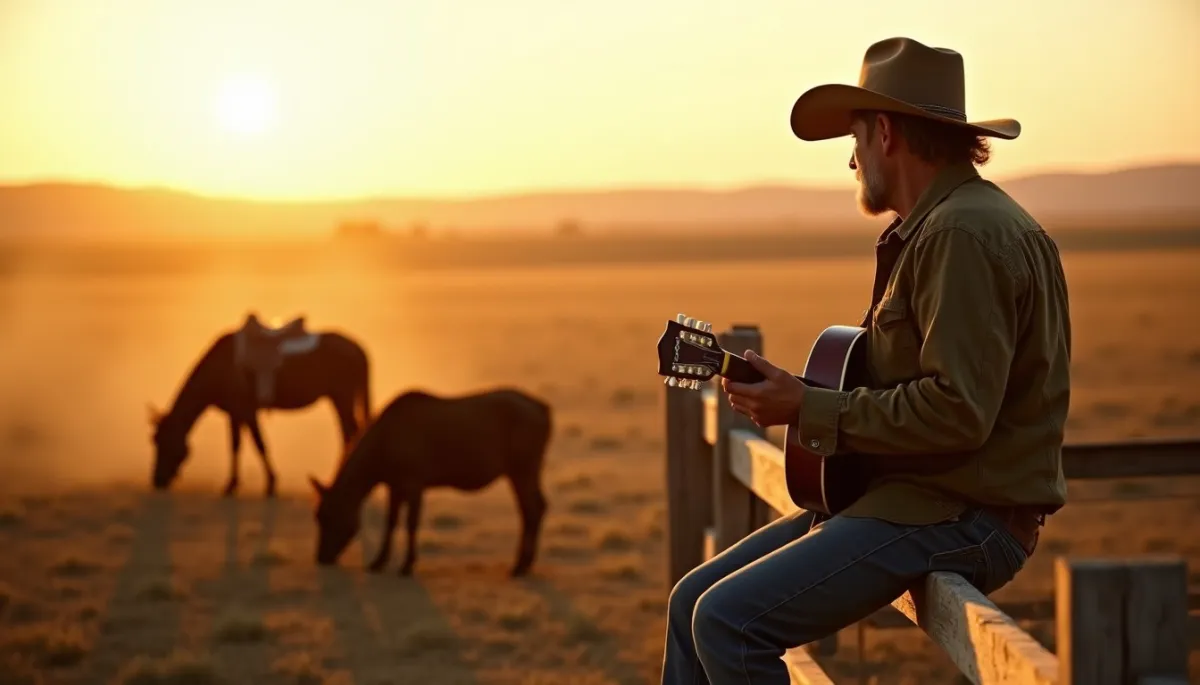
From the open trail to the record player, the ranch shaped a sound. In the dust and solitude of cattle drives, a musical language was born that still echoes in honky-tonks and festival fields today.
🚀 Key Takeaways
- Key concept : Country music grew from the lived experience of cowboys and vaqueros on 19th century cattle ranges, then crystallized in early 20th century recordings.
- Practical tip : Listen to the Bristol Sessions (1927) and the Sons of the Pioneers for roots, and visit the Country Music Hall of Fame in Nashville.
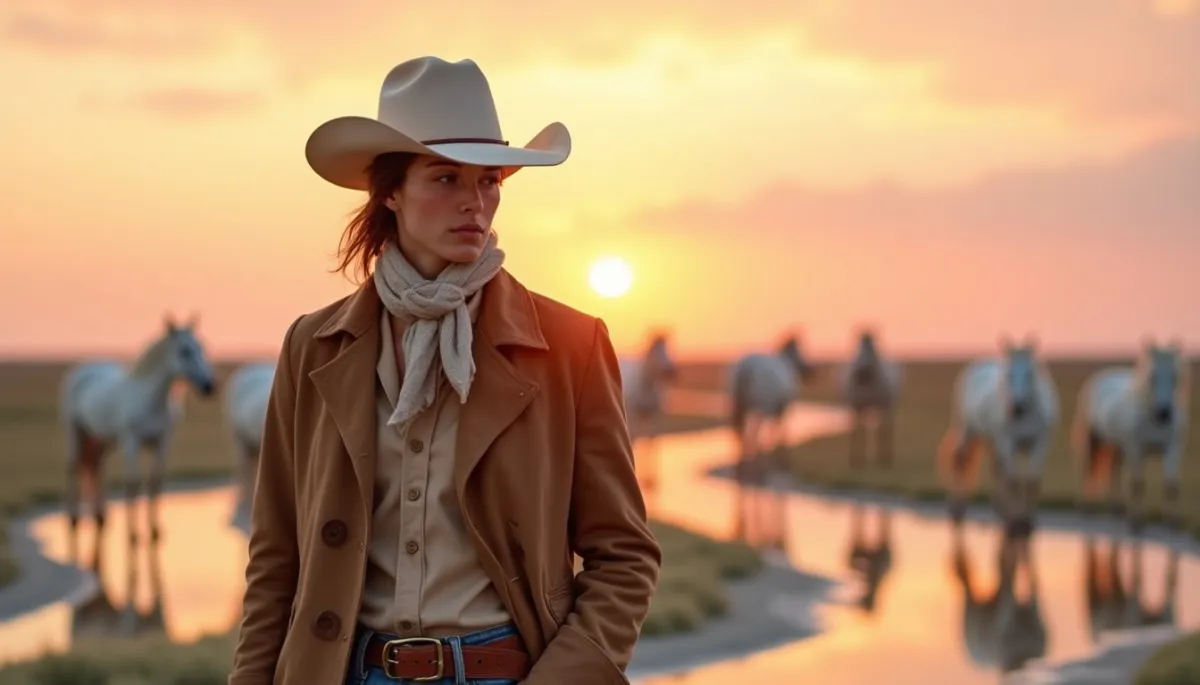
- Did you know : The Camargue gardians share the same solitude, horsemanship and songs that shaped American cowboy culture.
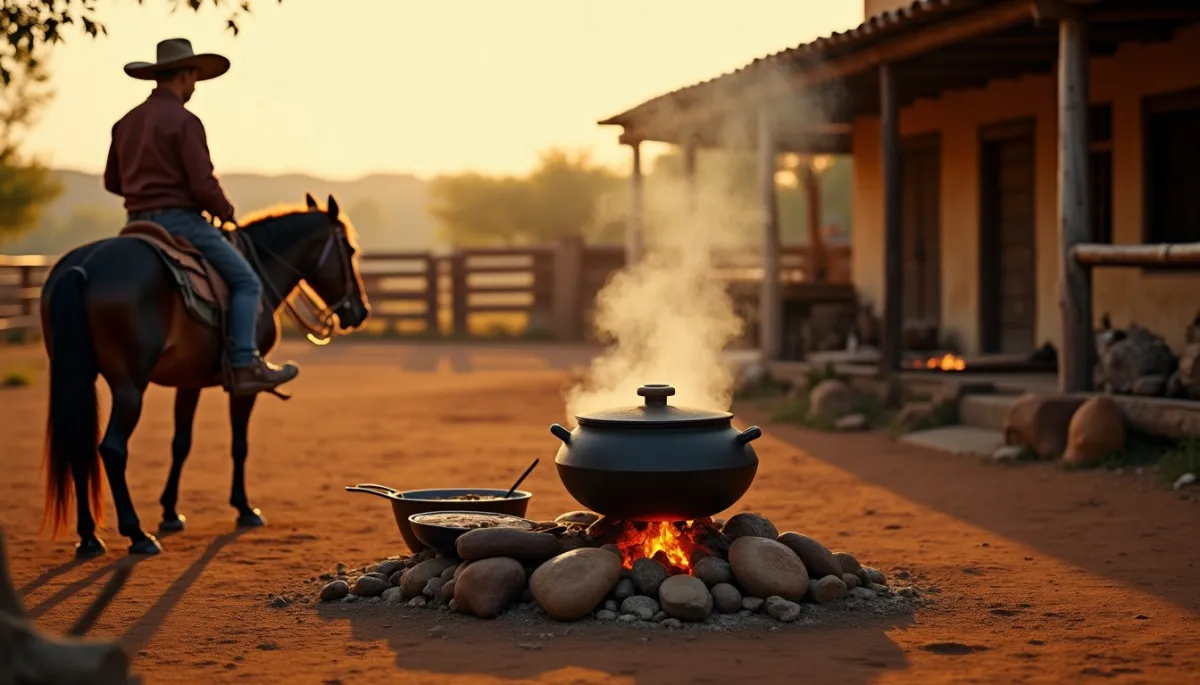
Close your eyes, hear a guitar and a fiddle under a wide sky. Imagine a lone rider pausing at sunset, strumming as cattle settle.
Terre et chansons
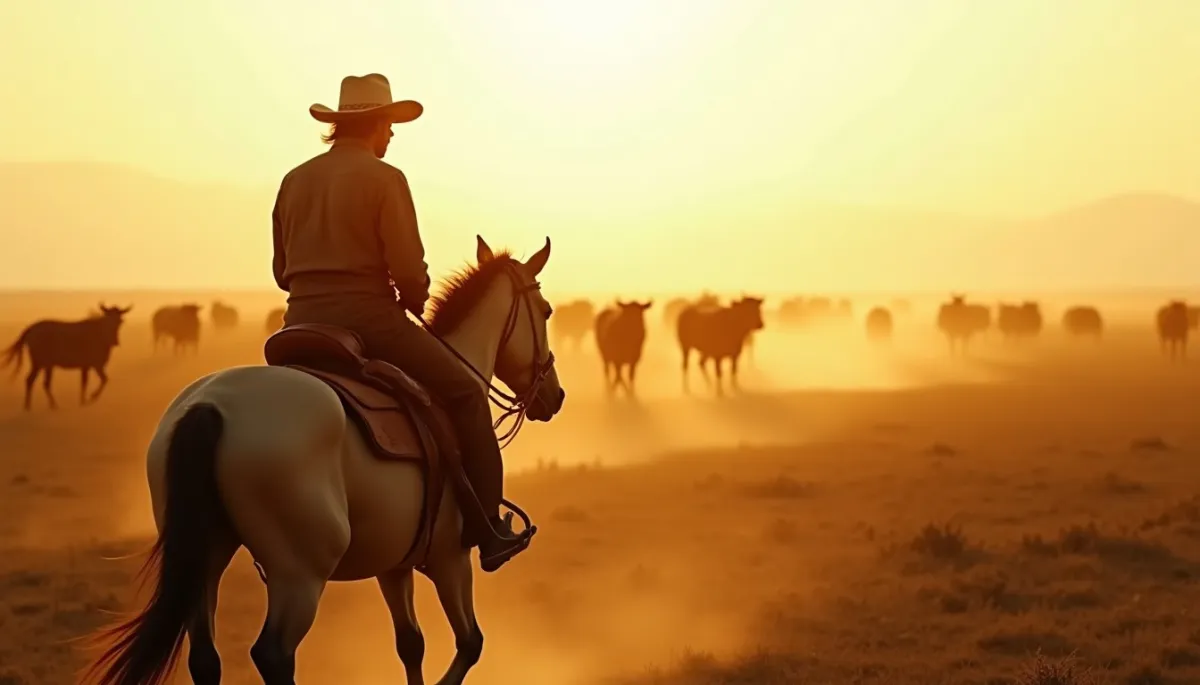
The landscape teaches the melody. In the American West, from the Chisholm Trail to the open ranges of Texas and Oklahoma, daily life produced a repertoire: ballads, work songs and short refrains used to pass time and remember names.
Some songs are older than recordings. "Home on the Range," whose lyrics date to 1873, became an anthem of the plains. "Streets of Laredo" and many cowboy ballads descend from Anglo-Irish and Mexican traditions sung around campfires.
By the 1920s and 1930s, these oral traditions reached microphones. The Grand Ole Opry began as WSM Barn Dance in 1925, broadcasting rural music across radio waves. The Bristol Sessions of 1927, often called the "Big Bang" of country music, captured the Carter Family and Jimmie Rodgers, bridging field songs and commercial records.
The instruments tell the story. Guitar and fiddle were practical for the trail. The lap steel and later pedal steel (popularized from Hawaiian influences in the early 20th century) added the long, weeping tones associated with country. The fiddle’s rhythmic drive echoes hooves on dust.
Origines chevauchantes
Cowboys were the protagonists. Some became stars: Gene Autry brought the singing cowboy to film in the 1930s, Roy Rogers and the Sons of the Pioneers (formed 1933) popularized songs like "Tumbling Tumbleweeds" in 1934.
Jimmie Rodgers recorded his influential "Blue Yodel" series starting in 1927, blending blues and hillbilly music. Hank Williams in the late 1940s and early 1950s gave the genre raw emotional honesty with songs such as "I'm So Lonesome I Could Cry." Patsy Montana charted "I Want to Be a Cowboy's Sweetheart" in 1935, one of the earliest female country hits celebrating cowboy iconography.
Regional styles multiplied. In Texas, Western swing led by Bob Wills in the 1930s fused jazz, blues and country for dance halls. In Appalachia, the Carter Family preserved close harmonies and storytelling. These strands, stitched together by touring fiddlers and radio shows, became the fabric of country music.
Ranch life provided themes: solitude, longing, hard work, riding, loss. The authenticity of those narratives made country music uniquely resonant with working communities nationwide.
Tensions et métissages
The genre is not a single origin myth. It is a meeting place. The vaquero tradition from Mexico influenced riding techniques, gear and repertoire. African American blues and spirituals contributed rhythms and vocal styles. This cultural mixing happened on ranches, railheads and in border towns.
Commercialization created contradictions. Hollywood’s singing cowboys offered romanticized images. Radio and records standardized a sound, sometimes flattening regional diversity. Still, artists kept drawing from lived experience to renew the genre, as seen in Johnny Cash’s post-war narratives and later in the outlaw movement of the 1970s led by Willie Nelson and Waylon Jennings.
Today’s country spans pop-country stadium hits, Americana singer-songwriters, and traditional revivalists. Yet the ranch’s imprint remains: lines about dawn rides, lonely highways and horses persist. Even in the Camargue, gardian songs and celebrations echo similar human themes, a reminder that landscape and labor make music wherever horses roam.
For the curious: start with the Bristol Sessions, then listen to Jimmie Rodgers, the Carter Family, Hank Williams, the Sons of the Pioneers, and Bob Wills. Visit Nashville’s Country Music Hall of Fame, a ranch museum, or a Camargue manade to hear how the land shapes sound.