Cowboy vs gaucho: two worlds, one passion for wide open spaces
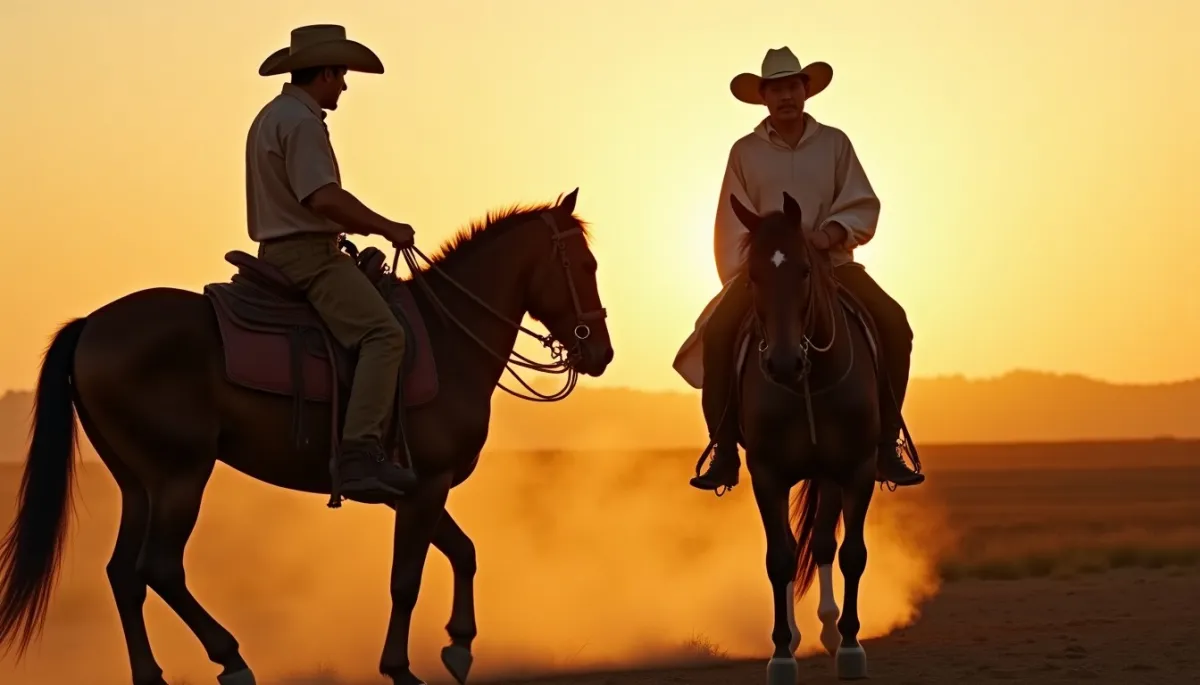
From Texas plains to Argentine pampas, two figures define life under wide skies. Their tools, songs and rituals differ, but the love of horse and herd unites them.
🚀 Key Takeaways
- Concept key : Cowboys and gauchos are regional horsemen shaped by cattle economies and open lands.
- Practical tip : Visit a manade in Camargue or an estancia near Buenos Aires to observe authentic work.
- Did you know : The lariat and the boleadoras represent two answers to the same problem, catching animals on the run.
Open sky, low sun, the smell of dust and leather. Picture a rider reining a weary horse, listening to the herd move across a horizon that seems endless.
Wide horizons
Who are these riders? In the United States the cowboy emerged in the mid 19th century as cattle drives multiplied after the Civil War. Routes like the Chisholm Trail, used heavily between 1867 and 1884, carried Texas longhorns northwards to railheads. The image of the cowboy was popularised globally by shows such as Buffalo Bill's Wild West, launched in 1883 by William F. Cody.
In South America, the gaucho is older and more diffuse. From the 18th century onward, gauchos roamed the pampas of Argentina, Uruguay and southern Brazil. They served as grazers, scouts and sometimes irregular cavalry. Icons of gaucho culture include José Hernández, whose epic poem Martín Fierro appeared in 1872 and 1879, shaping the literary image of the lone horseman.
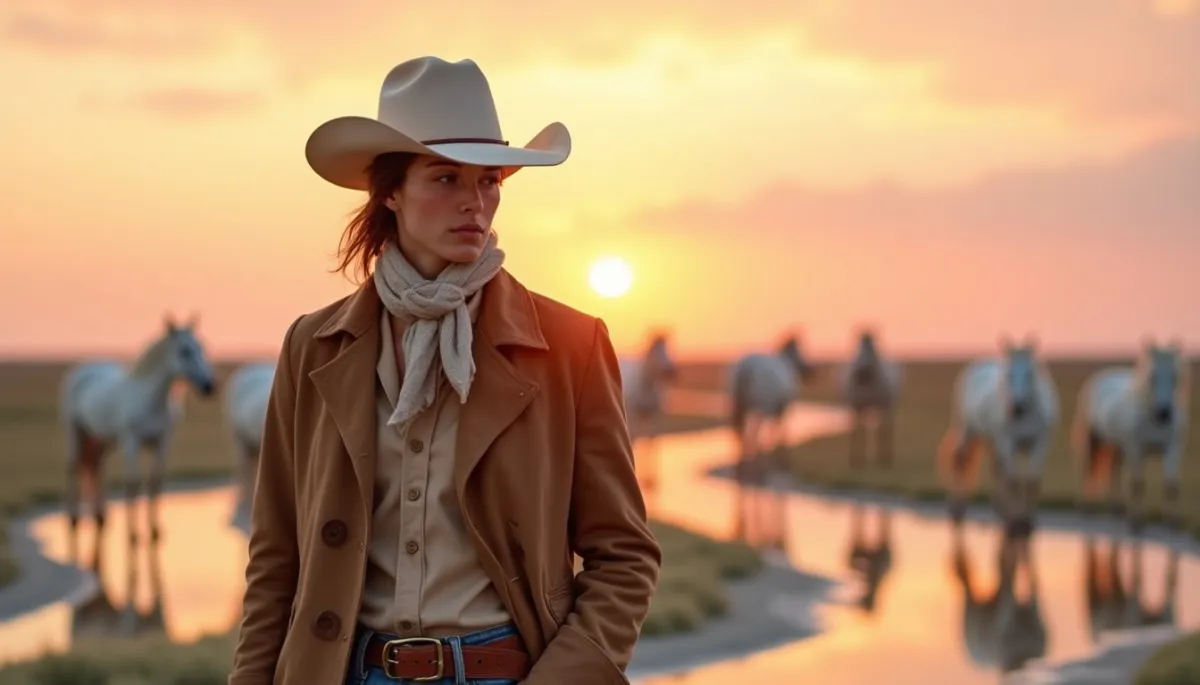
In Provence, the gardian of Camargue is a French cousin. Since at least the 18th century, gardians manage manades, herds of white horses and bulls. The Parc naturel régional de Camargue, created in 1970, protects a landscape where similar skills remain in daily use.
Tools of the trade
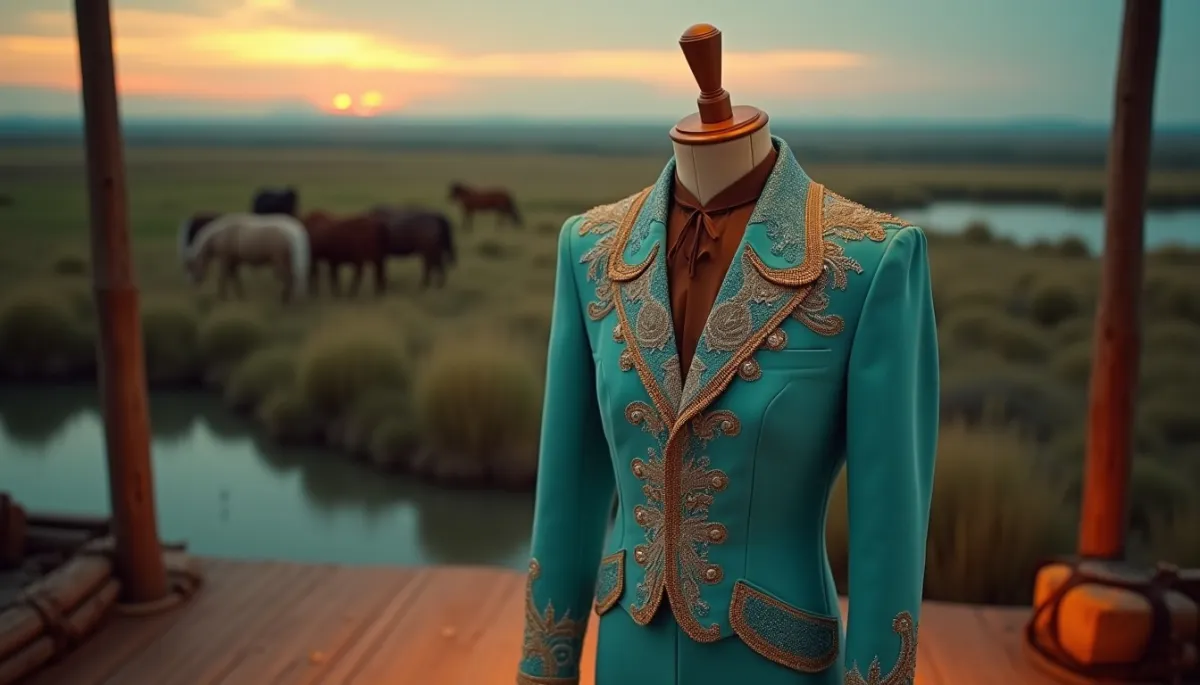
Dress and tools tell stories. The Stetson hat, invented by John B. Stetson in 1865, became the cowboy's emblem. Cowboys wear boots with heels made for stirrups, chaps to protect from brush, and the lariat, a long rope for roping cattle. Rodeo culture preserved many working techniques in sport form.
Gauchos answered with bombachas, loose riding trousers, the facón, a long knife for work and defense, and the boleadoras, weights on cords used to entangle legs of cattle or game. The boleadoras trace back to indigenous hunting techniques and reveal a different approach to the same task, immobilising rather than lassoing.
Gardians rely on Camargue horses, robust and agile, and on modest gear adapted to marshy ground. They use long poles to guide bulls and wheel their herds into enclosures for traditional contests. Across all three traditions, skill with horse and hand is paramount.
History that shaped them
Cattle economies and political events shaped these figures. In the U.S., the demand for beef and the expansion of railroads after 1865 created long drives from Texas to Kansas. The cowboy was both laborer and symbol of a restless frontier, mythologised by dime novels and early Western films, notably through stars such as John Wayne in the 20th century.
In Argentina, wars of independence and frontier settlement in the early 19th century created conditions for gaucho life. Leaders like Juan Manuel de Rosas (governor of Buenos Aires 1829 to 1852) relied on mounted men for rapid movement across the pampas. Over time, the gaucho became a national symbol, both romanticised and criticised in politics and literature.
Today these traditions are living cultures and evolving economies. Rodeos and jineteadas, gaucho festivals such as the annual Fiesta de la Tradición in San Antonio de Areco, and Camargue manades open to visitors keep practices alive while adapting to tourism and animal welfare standards.
Practical advice
Want to experience both worlds? For the American cowboy feel, visit a working ranch in Texas or Montana outside summer crowds, and attend a PRCA rodeo for skills on display. Look for historical reenactments and museums that explain cattle routes and gear.
To meet gaucho life, book an estancia near the pampas or in Uruguay, seek hosts who demonstrate horseback work, and learn about local food culture, from asado to mate. Go in spring or autumn when weather is milder and festivals take place.
In Camargue, choose a guided manade visit, respect fenced areas and local rules around bulls. Wear sturdy shoes, a hat and light layers. Ask permission before photographing people at work, and listen to elders. These simple courtesies open doors to stories that textbooks cannot convey.
Cowboy and gaucho share a vocabulary of horizons, risk and craft. Different languages wrap the same skills in unique clothes and songs. For travellers and curious readers, meeting them is a reminder that human cultures adapt to landscape, and that the largest stories often begin on horseback.