Discover the Camargue differently: wild and preserved territory
Close your eyes and imagine the wind on the salt flats, the cry of the flamingos in the distance and a horse crossing the golden light. The Camargue is not just an image, it is a living and fragile territory which deserves to be approached with delicacy.
🚀 The essentials
- Key concept: The Camargue is a delta where wild environments and livestock farming traditions coexist.
- Practical advice: Choose spring or autumn for light, birds and fewer people.
- Did you know: Herdsmen still manage free-range horses and bulls in family herds.
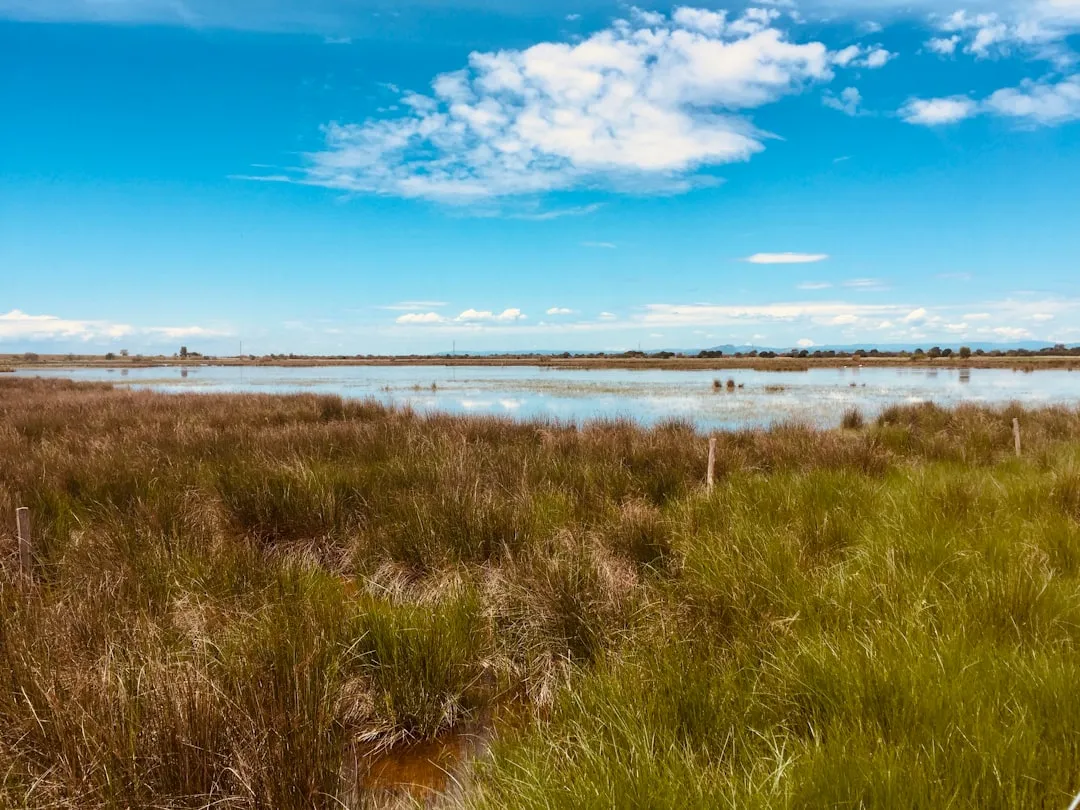
The Camargue territory is a mosaic of lagoons, reed beds, dunes and rice fields. This diversity creates rare ecological niches and remarkable biodiversity, of which the pink flamingo is the emblem.
In 2026, the combination of protection and responsible tourism guides the best ways to discover it. Seeing the Camargue differently means choosing low-impact experiences and supporting local actors.
Landscapes and biodiversity
The Camargue is a landscape in perpetual movement, sculpted by water and salt. Freshwater marshes rub shoulders with salty beaches, providing complementary environments for wildlife.
Beyond the flamingos, the reed beds and salt marshes are home to migratory species and rare insects. Good times for observation are dawn and dusk, when the light reveals the life of the delta.
Horses, herdsmen and modern cowboy culture
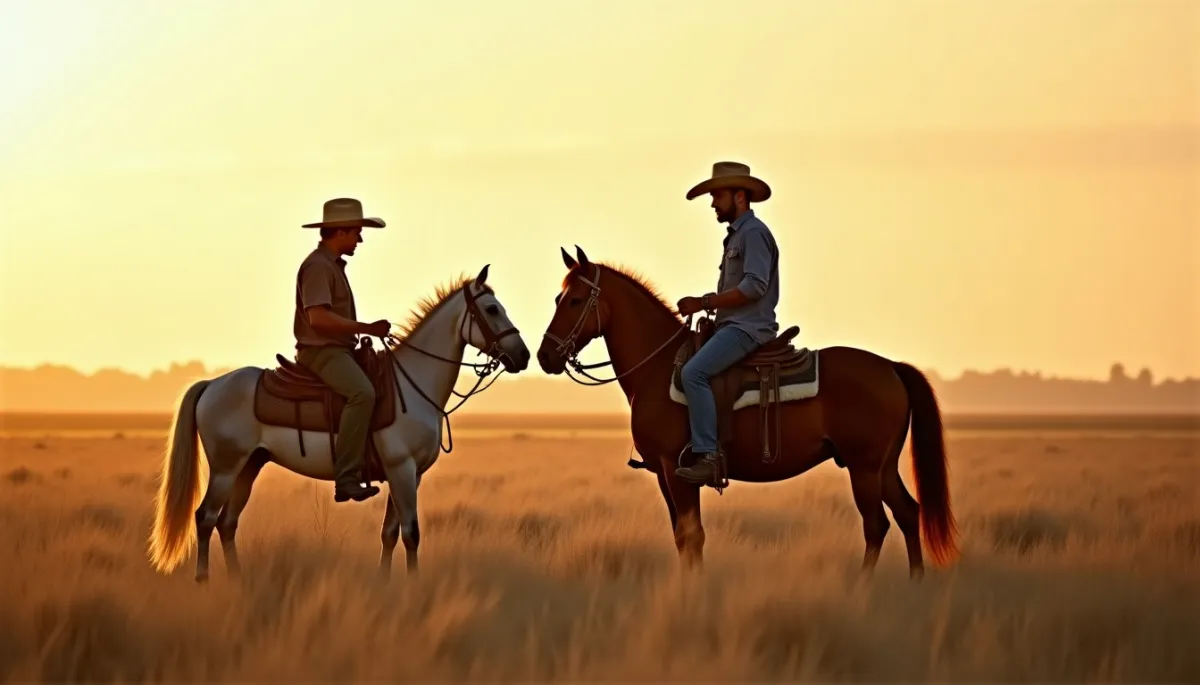
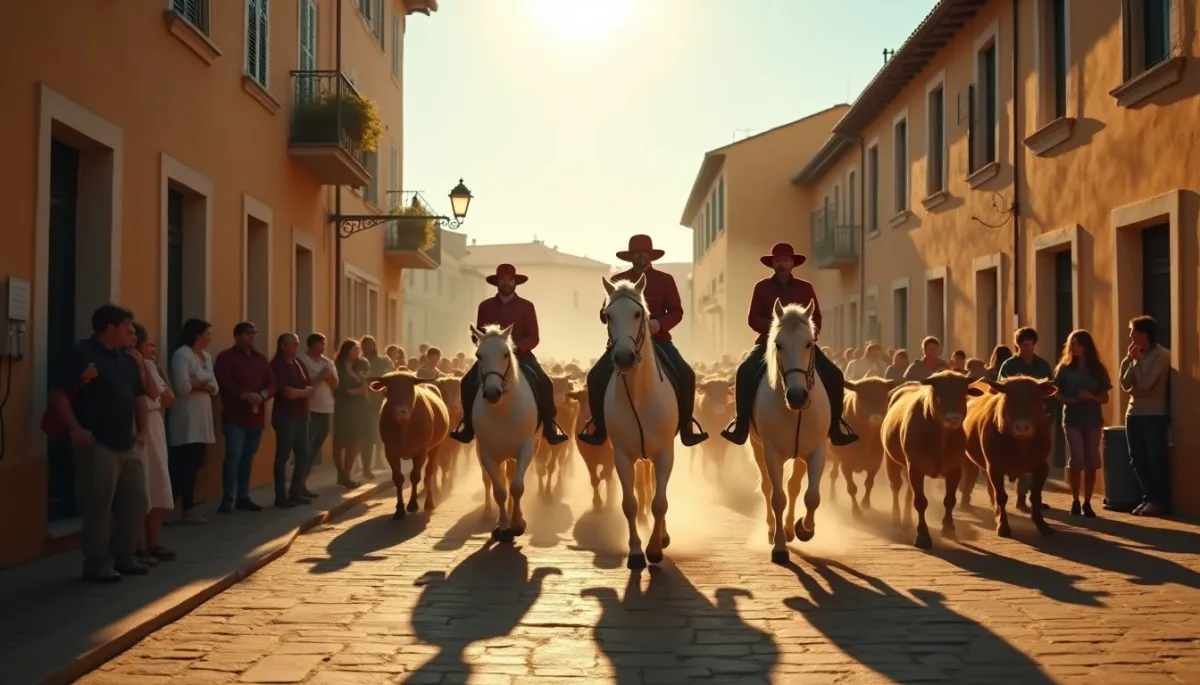
Camargue horses live in semi-freedom and are at the heart of local identity. The herdsmen perpetuate skills such as ferrade and abrivado, today often presented in manades open to the public.
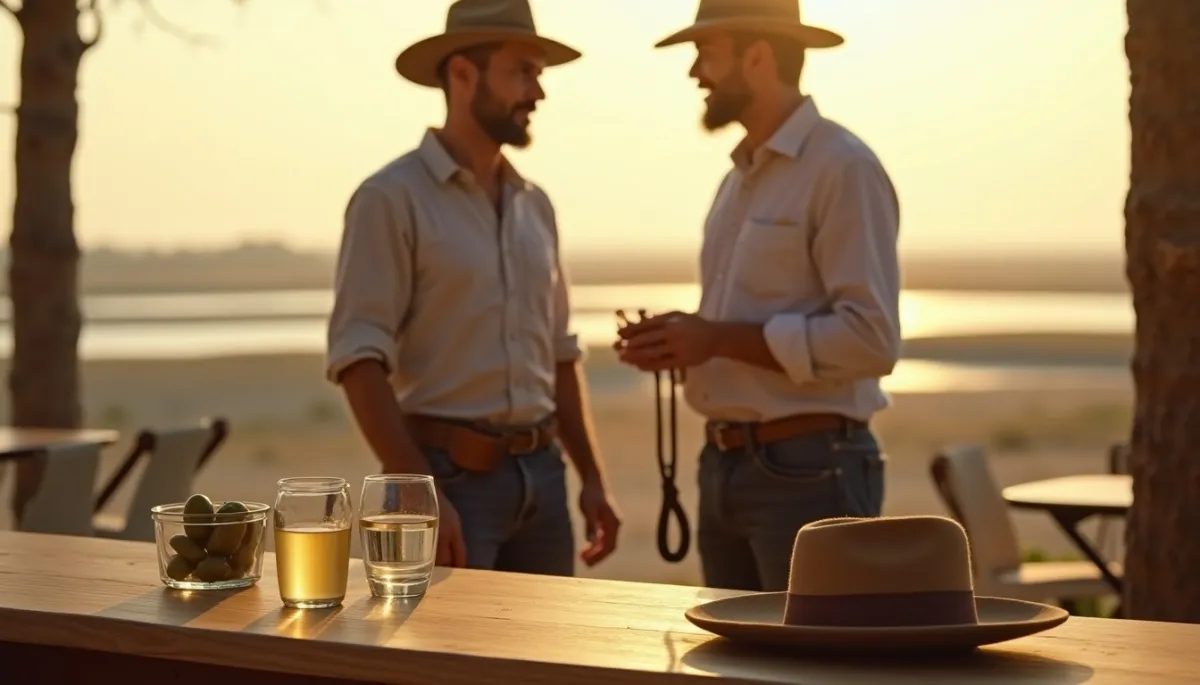
Many manades combine tradition and sustainable practices. Taking part in a guided tour allows you to understand extensive livestock farming, pasture management and to taste products such as gardiane prepared with local rice.
Authentic and sustainable experiences
For an alternative discovery, opt for small excursions: bird observatories, horseback riding, canoe trips in the calm arms of the delta. These formats limit human impact and promote close observation.
Local associations also organize thematic visits on salt, rice or water management. Combining heritage and nature allows us to understand the conservation issues of the territory.
Practical advice for visiting differently
Choose the season according to your priorities: spring for nesting, autumn for migration. Avoid busy beaches in summer if you are looking for calm and wildlife.
Respect the rules: stay on marked trails, keep your distance from wildlife and favor local guides and producers. Taking the train to Arles then local transport reduces your footprint.
Thanks for reading, and remember, Enjoy life's moments!