Ethical equestrian tourism in Camargue: how to choose a mas that respects horses
In the flat light of a Camargue morning, horses rise like islands of white. Choosing the right mas means protecting those horses and the living tradition around them.
🚀 Key Takeaways
- Core concept : An ethical mas prioritizes horse welfare and local savoir-faire.
- Practical tip : Ask about turnout, vet care, rider weight limits and guides' qualifications.
- Did you know : The Parc naturel régional de Camargue was created in 1970 and shaped modern protection of the breed and wetlands.
Close your eyes, smell salt and reed smoke.
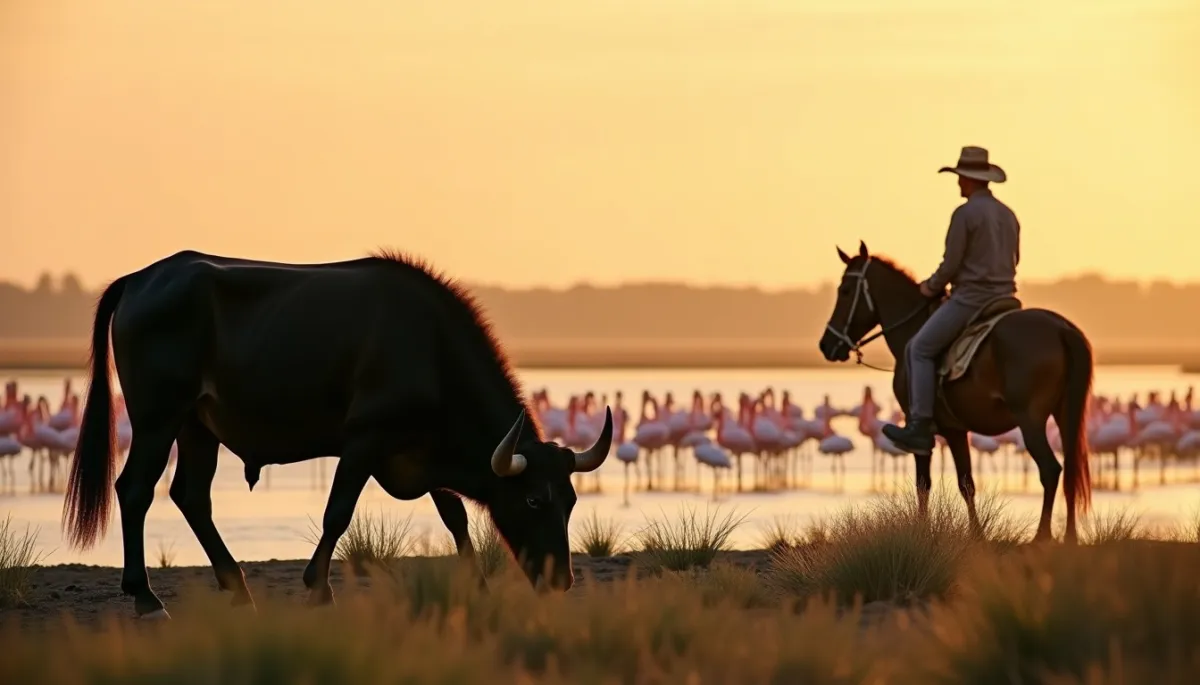
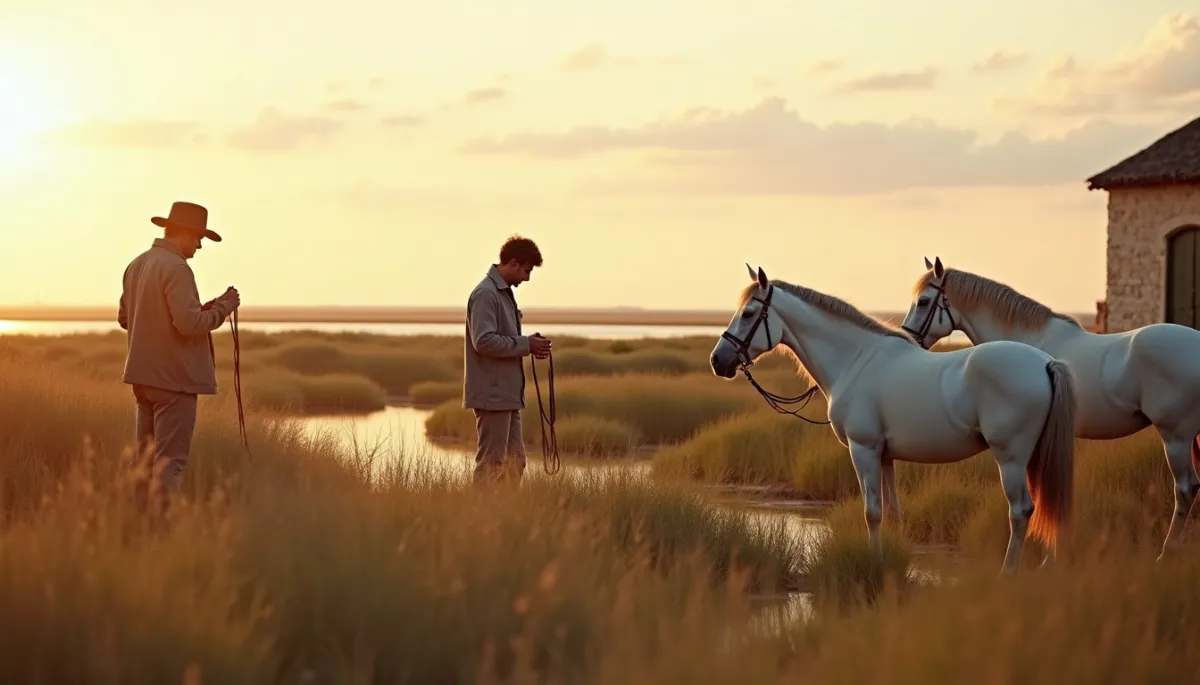
On a low-rise dirt path near Saintes-Maries-de-la-Mer, a gardian checks a bridle while a small herd of Camargue horses grazes in shallow marsh. The light catches their manes. Riders mount slowly, voices soft. This is not a theme park ride, it is a living landscape and a living partnership with horses bred for this land.
Chevaux et terres
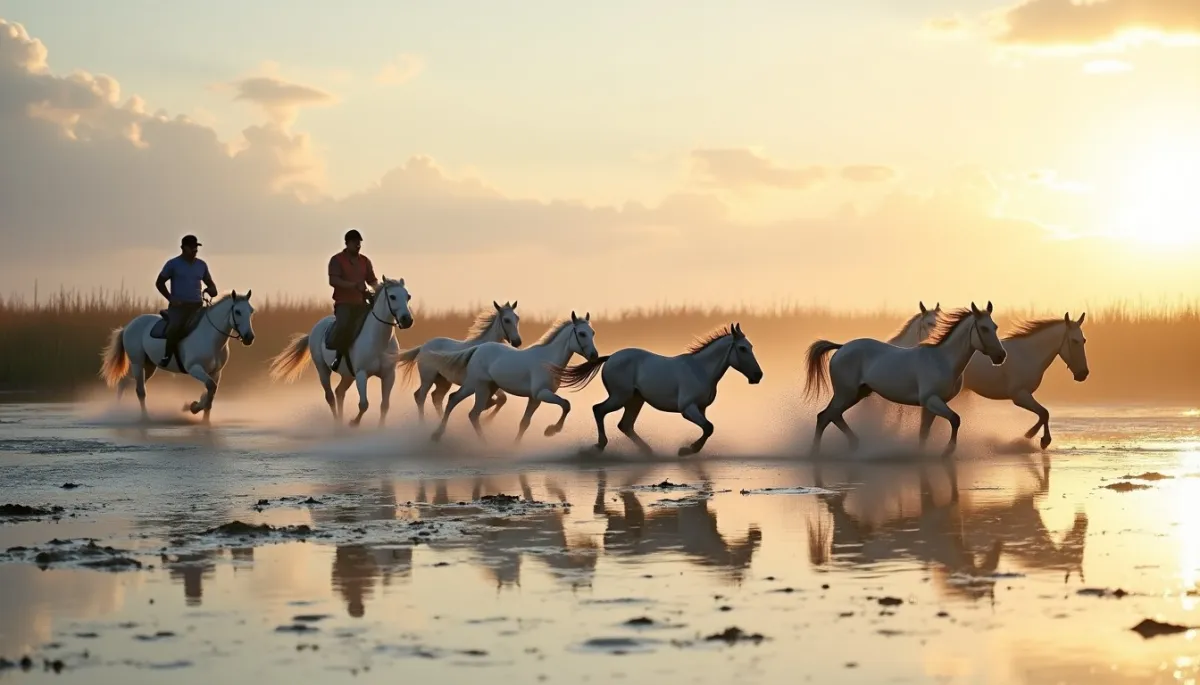
The Cheval de Camargue is emblematic, compact, usually grey and adapted to the brackish marshes. Its image is tied to the manade, the free herd managed by gardians.
Visiting a mas means entering both an agricultural unit and a cultural microcosm. Some mas host commercial promenades, others remain working manades where horses spend most of their time outside, year round.
Look for concrete signs of welfare. Are there large pastures and regular turnout? Are stalls clean and used mainly for night or weather? Is hoof care documented and is a vet called promptly? These are immediate indicators of respect.
Racines vivantes
The Camargue tradition was popularized by Folco de Baroncelli in the early 20th century, who helped shape regional identity through manades and festivals. Gardians still keep time by the seasons and the abrivados in Saintes-Maries-de-la-Mer remain a living ritual.
Ethical tourism grew from conservation efforts after the Parc naturel régional de Camargue was created in 1970, and from modern concerns about animal welfare. Since then, visitors expect transparency on how animals are treated.
At respectful mas, guides are often former or practicing gardians. They explain herd management, selective breeding for resilience, and how the horse participates in marsh maintenance by grazing. That shared knowledge is part of the offer.
Choix exigeant
Not every advertised horseback ride is ethical. Watch for red flags: overcrowded groups, short turnaround rides that stress horses, heavy tack that seems ill-fitting, or staff unable to answer basic care questions.
Ask direct, practical questions. What is the horse to rider weight ratio? A safe guideline is that rider weight should usually not exceed about 15 to 20 percent of the horse's body weight, recognizing the Camargue horse is sturdy but small. How long are consecutive working days? What rest and water protocols exist in summer heat?
Prefer mas that offer small groups, custom pace, signed consent for riders, helmets provided, and the option to decline faster gaits. Ethical places will also show their record of veterinary care, farriery schedule, and whether they follow ethological training (gentle, reward-based methods).
Finally, support mas that link tourism with conservation. Some contribute fees to reedland restoration, support local festivals, or work with the Parc naturel régional. These ties keep tourism beneficial to horses and habitat.
Choosing a mas respectfully is both an ethical decision and a richer way to travel. You leave with stories about gardians, about marshes that breathe, and about horses that are partners, not props.