Ethical equestrian tourism: how to choose a ranch respectful of animal welfare?
Choosing a ranch is choosing relationships, not just rides. The horses will tell you everything, if you know how to listen.
🚀 Key Takeaways
- Core concept : Look for transparency on horse care, turnout and training.
- Practical tip : Ask to meet the horses loose in the field and observe tack and handling.
- Did you know : In Camargue, manades practice a stock-keeping system that mirrors ethical grazing traditions from ranches in the American West.
Ethical equestrian tourism is not a trend, it is a responsibility. When you book a stay at a ranch or a manade, you are entering a working relationship with animals and people who preserve living traditions.
This guide cuts through marketing language to give you concrete criteria, questions to ask, and realistic expectations for a respectful ride or visit, whether you are in Camargue or on a western-style ranch.
Why ethics matter in equestrian tourism
Horses are partners, not props. Poorly run operations stress animals, degrade landscapes, and ruin the authenticity of the experience. Ethical practices protect equine welfare and keep cultural traditions alive for future generations.
Beyond compassion, ethics are practical. A calm, well-managed horse is safer for riders, and responsible pasture management preserves biodiversity. Think of a Camargue manade and a Texan ranch as cousins: both depend on healthy animals and land to carry their heritage forward.
Concrete criteria to choose an ethical ranch
Transparency on daily care. A good ranch will invite you to see where the horses live. Look for ample turnout, clean water, visible shelter from sun and wind, and grazing systems suited to the local environment. In Camargue, horses adapted to marshes should have free access to saltwater grazing and open pasture time.
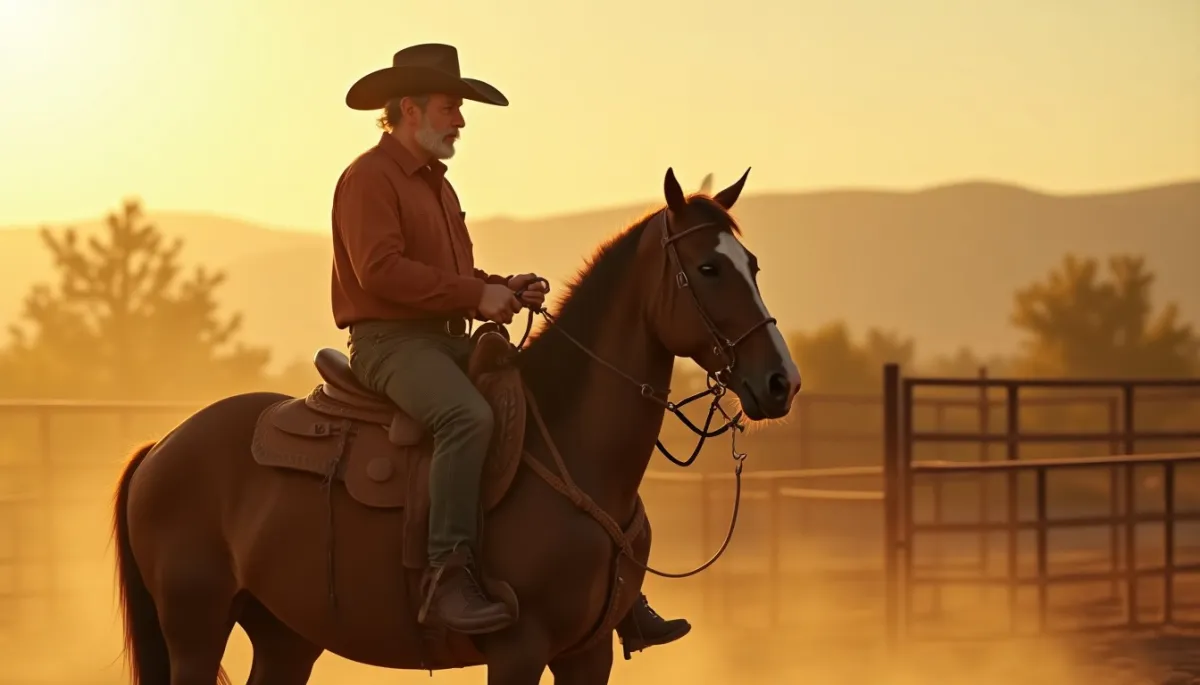
Qualified staff and humane handling. Ask about the backgrounds of guides and wranglers. Are they experienced riders? Do they follow a low-stress handling philosophy? Observe how staff catch and mount horses. Fast, rough handling is a red flag, calm, respectful methods are a green light.
Appropriate tack and matching. Check the condition and fit of saddles and bridles. Ethical operations match horse to rider by weight, ability and temperament. They also limit the number of consecutive ridden days for the same animal and rotate pasture and workload.
Questions to ask and warning signs
Direct questions reveal a lot. Ask where the horses sleep, how often they see a veterinarian, whether farriery is scheduled regularly, and what the daily turnout policy is. Request to meet the tack room and the stables. Reputable teams answer clearly and welcome your curiosity.
Watch for warning signs. Horses that are underweight, have sores from ill-fitting tack, or are listless in the field are red flags. Overcrowded stables, constant use without rest days, and evasive answers about medical care are strong reasons to walk away.
- Ask if rides are led or independent, and the maximum group size.
- Check if the ranch has written welfare or safety policies.
- See whether the operation supports local conservation or cultural programs.
Responsible experiences: what to expect
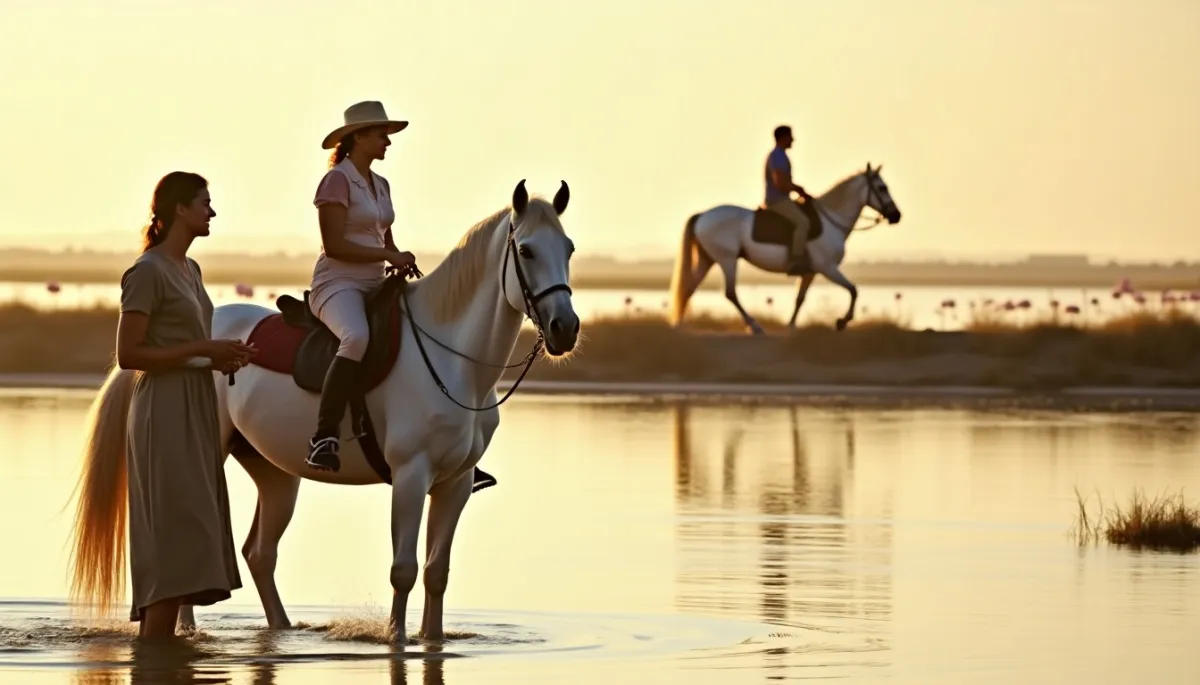
An ethical equestrian stay emphasizes time with the animals beyond riding. Expect grooming, learning about the horse's role on the property, and observing natural behaviors. In Camargue this often means visiting a manade at roundup time, watching gardians work cattle, and seeing how horses live in marshland conditions.
Ethical rides are paced for the horse. Long trots and gallops may appear but will be balanced with walk-and-rest cycles and adequate forage. Good ranches also educate guests about the regional ecosystem and the human history tied to the animals.
Camargue and the Far West: a shared code
The Camargue gardian and the American cowboy share more than romantic imagery. Both developed techniques adapted to local ecology, from low-stress stock work to seasonal movement of herds. When choosing a place in Camargue, look for a manade that respects those practices rather than commodifies them.
Visiting a respected manade such as those near Saintes-Maries-de-la-Mer gives insight into living heritage. Compare it to visiting an established ranch like King Ranch in the United States, where land stewardship and tradition are also central. The lesson is universal, traditions endure when animals and people thrive together.
Choosing an ethical ranch is part intuition, part homework. Observe, ask, and prioritize the horse over the selfie. Your choices as a traveler help conserve both animal welfare and the cultural landscapes that depend on it.