The facón and the poncho: the gaucho's essential kit
Across the pampas and the estancias of the Río de la Plata, two objects define the silhouette of the gaucho. The facón and the poncho are simultaneously tools, garments and symbols of a way of life.
🚀 Key Takeaways
- Key concept : The facón is a long utility knife and the poncho is a multipurpose wool cloak, both central to gaucho identity.
- Practical tip : Choose a facón blade between 20 and 40 cm for balance, and a dense wool poncho for rain and saddle use.
- Did you know : José Hernández's 1872 poem Martín Fierro immortalized both objects, anchoring them in Argentine cultural memory.
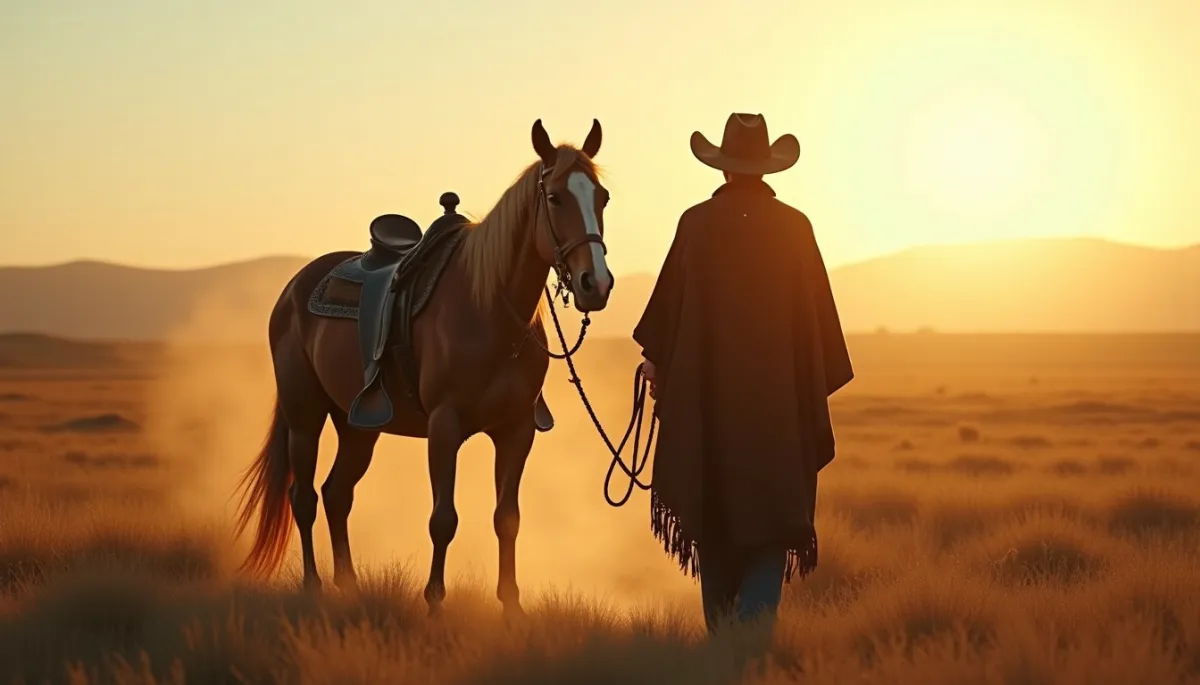
Dust rises under a vast sky. A gaucho tightens his poncho around his shoulders and runs his thumb along the facón at his belt.
Silhouette du pampas
The facón is more than a knife. It is a long-bladed knife, usually carried at the waist, used for daily ranch work, but also for slicing meat, cutting rope, and, historically, settling insults when honour was at stake.
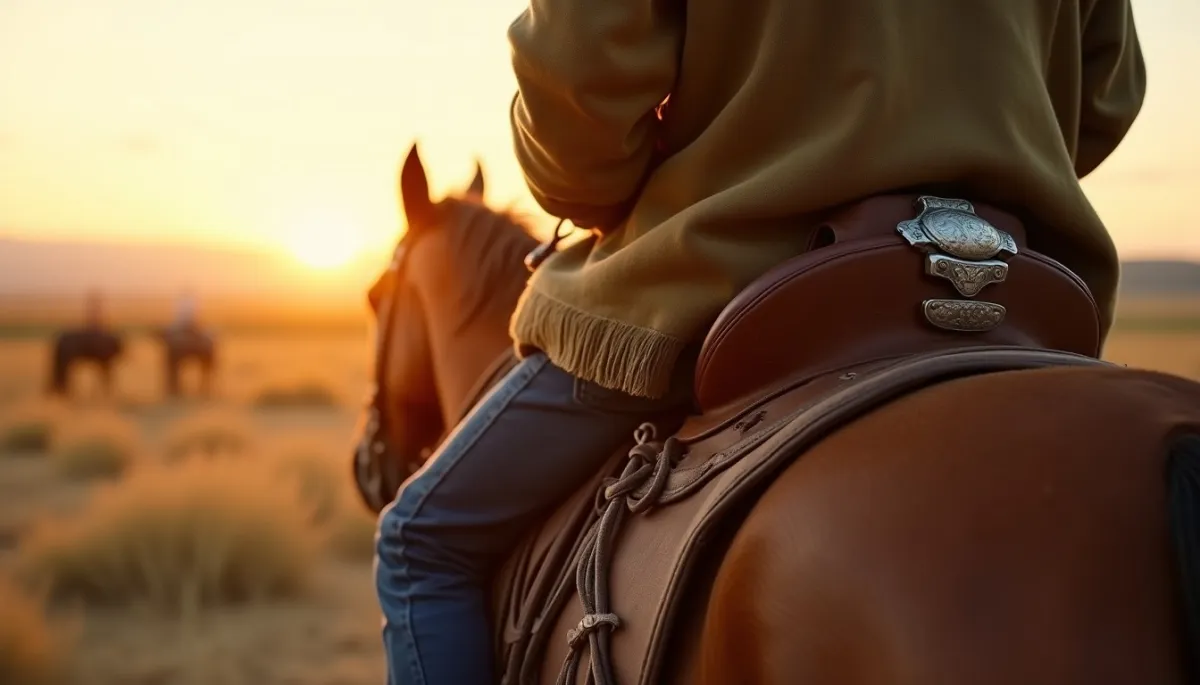
The poncho (a rectangular wool cloak) doubles as coat, blanket, saddle blanket and shelter. On a rainy afternoon it sheds water; at night it becomes a bedroll under the stars.
Both objects appear in literature and folklore. José Hernández's Martín Fierro, first published in 1872, paints the facón and the poncho into the gaucho’s life, making them visual shorthand for freedom, toughness and rural skill.
Forge et fil
Why these items? Geography and economy shaped them. The open pampas required clothing that protected against wind and rain, and tools that worked on the move. Sheep introduced by Spaniards made wool abundant, so ponchos evolved as practical garments made locally.
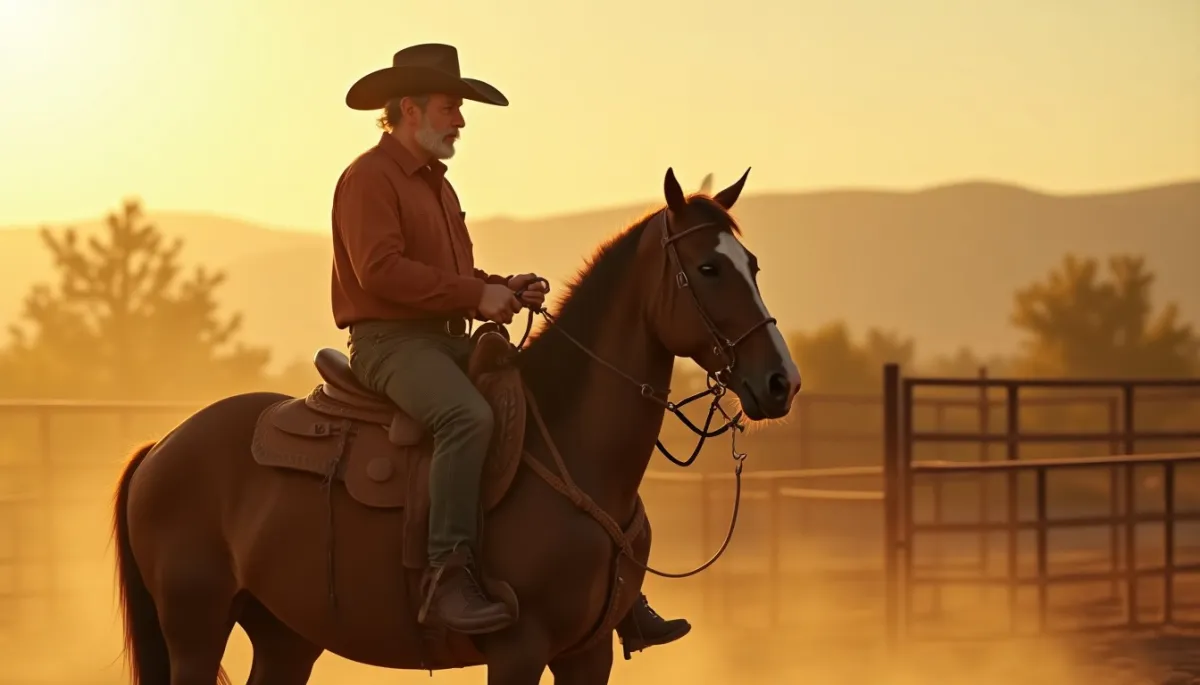
The facón’s lineage links to Spanish and Portuguese knives brought during colonial times. During the 19th century, as cattle ranching expanded, a strong blade became indispensable for daily tasks on horseback. Local smiths added personal touches, from ornately carved bone handles to silver inlays on sheaths.
Anecdotes survive. The legendary gaucho Juan Moreira, the subject of late 19th century tales by Eduardo Gutiérrez, carried a facón as an extension of his will. At festivals such as Jesús María (established 1966) and regional rodeos, modern gauchos still wear facóns and ponchos to evoke that lineage.
Texture of continuities
Tradition and modernity sometimes clash. Today, the facón is often decorative in urban settings, a souvenir rather than a daily tool, while authentic working ponchos coexist with mass-produced versions sold to tourists.
Legal and safety concerns also appear. Carrying large knives in cities is regulated, and the facón’s image as a weapon has been sensationalized. Yet in rural contexts, it remains a pragmatic implement, taught to use responsibly within family apprenticeships.
At the same time, there is revival. Craftspeople keep traditional weaving patterns alive and bladesmiths produce functional facóns for riders and collectors. Cultural festivals and folk music keep the stories and techniques in circulation, linking the 19th century pampas to the modern landscape.
Savoir choisir
If you seek an authentic facón, favor tempered steel and a well-fitted sheath. Blade length between 20 and 40 cm offers utility without excess. Handles in hardwood, bone or horn give grip and character. Ask the maker about heat treatment and maintenance tips.
For a poncho, look for dense wool and tight weave for weather protection. Traditional patterns often indicate region and status; a heavier poncho is ideal for saddle use and overnighting outdoors. Caring for wool ensures decades of service.
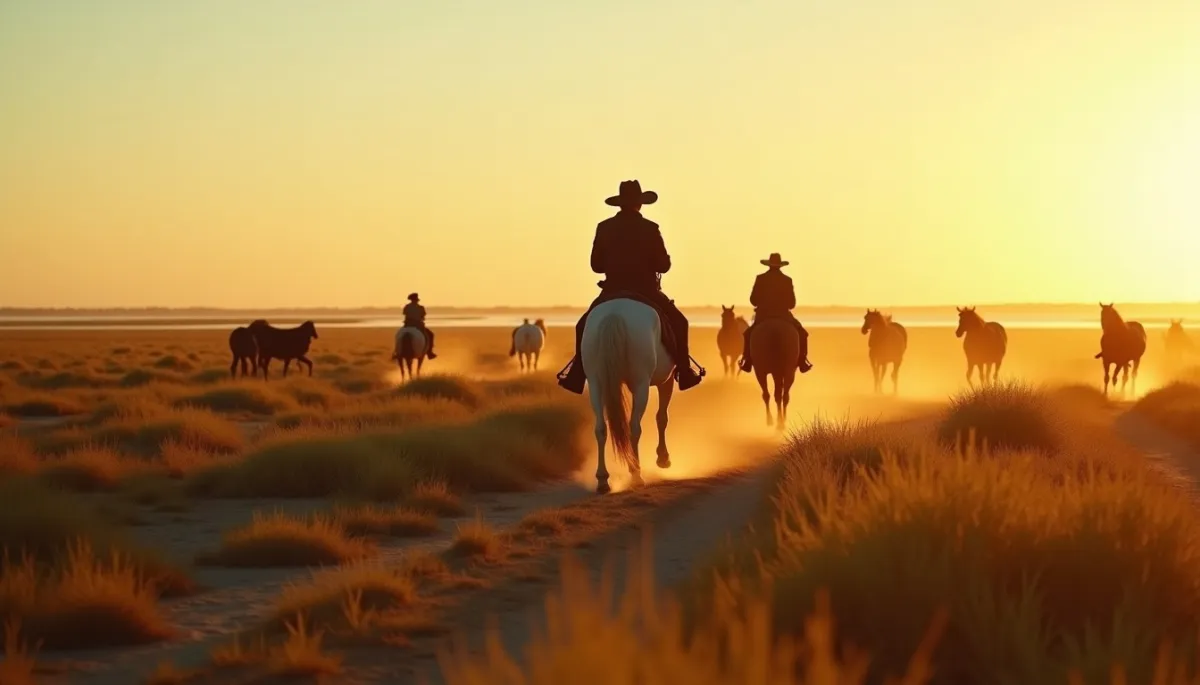
Finally, when adopting these objects as traveller or collector, respect their cultural weight. The facón and the poncho are tools forged by a landscape and its people. Wear them not as costume alone, but as entry points to stories, music and the living traditions of the pampas and, if you come north to the Camargue, of its own mounted guardians.