Festa do Peão de Barretos: immersion in Latin America's biggest rodeo
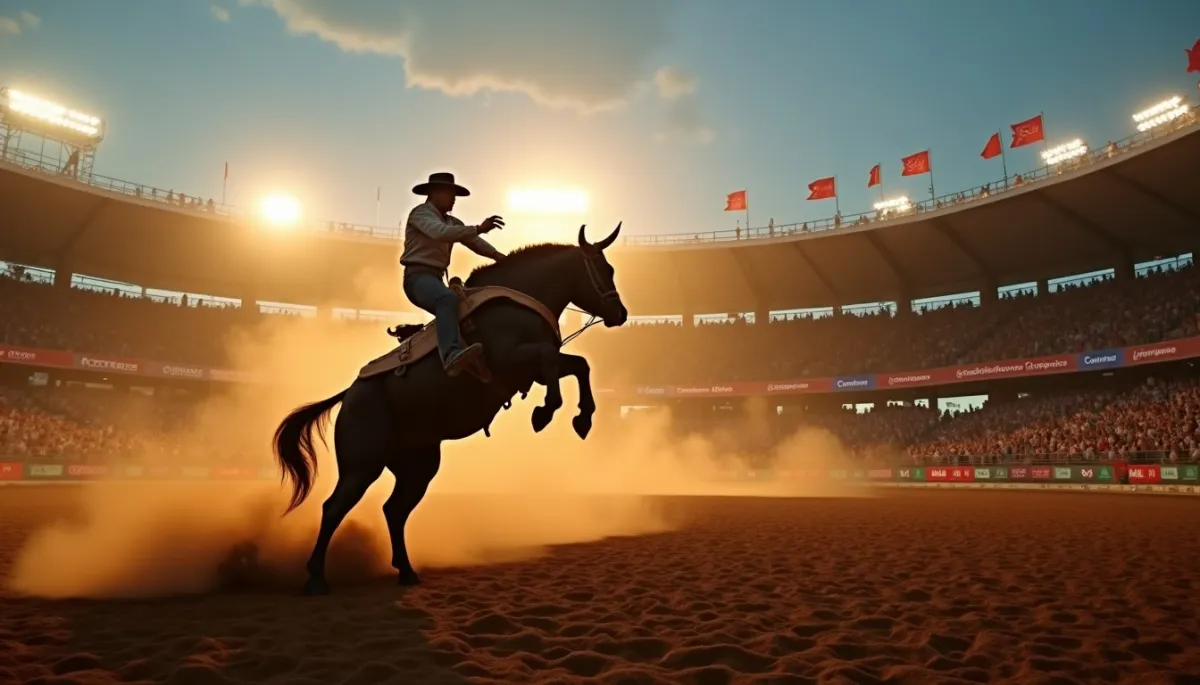
The Festa do Peão de Barretos erupts every August in Barretos, São Paulo, drawing crowds from across Brazil and beyond. This festival blends high-stakes bull riding, sertanejo concerts, and ranching traditions into a ten-day celebration of cowboy culture.
🚀 Key Takeaways
- Core concept : The largest rodeo festival in Latin America, mixing sport, music and regional culture.
- Practical tip : Visit in August, book accommodation early, bring sun protection and closed shoes.
- Did you know : Origins trace to the 1950s; the event takes place at the Parque do Peão and combines international competition with Brazilian sertanejo stars.
Dust, music and a heartbeat that speeds up with every buck.
Imagine an arena the size of a small town, floodlights cutting through dust, tens of thousands of people standing on metal stands and temporary wooden bleachers, while cowboys—called peões—brace on flanks of bulls that explode into the air. At night, the stadium switches to a concert hall where sertanejo icons sing to a sea of cowboy hats. This is Barretos during the Festa do Peão, a sensory overload of sound, risk and regional pride.
arena vivante
The Festa do Peão takes place each year in Barretos, in São Paulo state, at the Parque do Peão. The festival as we know it grew from informal rodeos in the 1950s; organizers often cite 1956 as the decade when the event began to take shape, evolving into a large-scale celebration of folk and ranching life.
Today the Parque hosts rodeo competitions, concerts and fairgrounds over roughly ten days in August. Attendance runs into the hundreds of thousands across the festival period, thanks to a mix of competitive montaria (bull riding and bronco events), rodeo schools, and nightly shows featuring Brazil’s top sertanejo artists.
The calendar is packed: daytime bull and horse events follow strict rules and scoring, while evenings are reserved for music. Names like Gusttavo Lima, Zezé Di Camargo & Luciano, and Bruno & Marrone have headlined in recent editions, turning the rodeo into one of Brazil’s biggest live-music stages.
racines et ascension
The roots of Barretos’ festival are rural. Local cattle fairs and ranch gatherings in the mid-20th century created a template: competitions to show horsemanship and cattle handling, combined with regional food and music. Over decades, local organizers professionalized the show, building the Parque do Peão and inviting national promoters.
From the 1980s onward, television coverage and the rise of sertanejo music pushed the Festa into the national spotlight. International competitors also arrived, raising technical standards in bull riding and attracting professional circuits, sponsors and media attention.
Historical turning points include the expansion of the arena infrastructure, the institutionalization of safety standards for riders and animals, and the festival’s resilience after disruptions, notably the interruptions tied to the COVID-19 pandemic in 2020, followed by a staged comeback with sanitary measures in subsequent years.
paradoxes et avenir
The Festa do Peão is not without contradictions. It celebrates cowboy tradition and rural identity, yet faces scrutiny over animal welfare and modern safety expectations. Debates on how to balance tradition with evolving ethical norms are ongoing in Brazil, as they are globally in equestrian and rodeo cultures.
Organizers have introduced protocols to improve animal care and rider safety, and the festival increasingly highlights educational exhibits about ranching heritage. At the same time, commercial pressures—sponsorships, big-name concerts, tourism—shape the event toward mass entertainment.
Looking ahead, the festival seems poised to keep growing its international reach while negotiating those tensions. For travelers and lovers of living traditions, Barretos remains a rare place where spectacle, sport and music meet in a distinctly Brazilian cowboy spirit.
practical notes
If you go: plan for August, when the city swells and hotels fill rapidly. Buy tickets for both arena seats and evening shows separately. Bring sunscreen, ear protection, and closed shoes for the fairgrounds. Local food is a highlight—churrasco and regional snacks are everywhere.
Respect the local codes: applause and standing ovations are part of the ritual, but keep a distance from the pens and access areas. For those curious about animal welfare debates, attend talks or visit vet stations some festivals set up to learn firsthand.
Finally, draw a gentle parallel with the Camargue: both regions honor mounted traditions and cattle management, through different rhythms and species, yet with similar pride in horsemanship. In Barretos you’ll see a Brazilian variant of a heritage Camargue gardian might recognize.