On the trail of the first vaqueros: From northern Mexico to historic California
The story of the vaqueros runs from the high plains of northern Mexico to the sun-baked ranchos of Alta California. Follow their tracks through missions, haciendas and Gold Rush upheavals to see how their craft shaped the cowboy we know today.
🚀 Key Takeaways
- Key concept : Vaqueros were skilled Hispanic horsemen and cattle workers whose techniques and equipment (reata, bosal, chaparreras) shaped the American cowboy.
- Practical tip : Visit Mission San Juan Capistrano, Rancho Los Cerritos and Sonoran ranches to see living traditions.
- Did you know : The English word "buckaroo" derives from "vaquero".
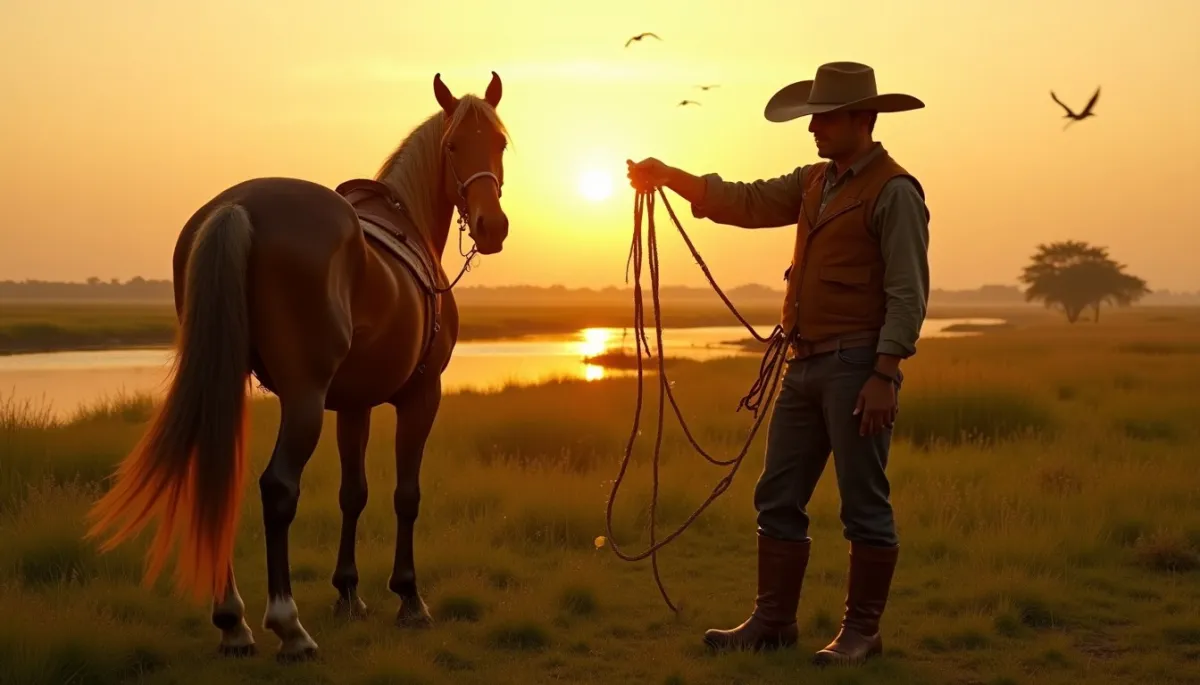
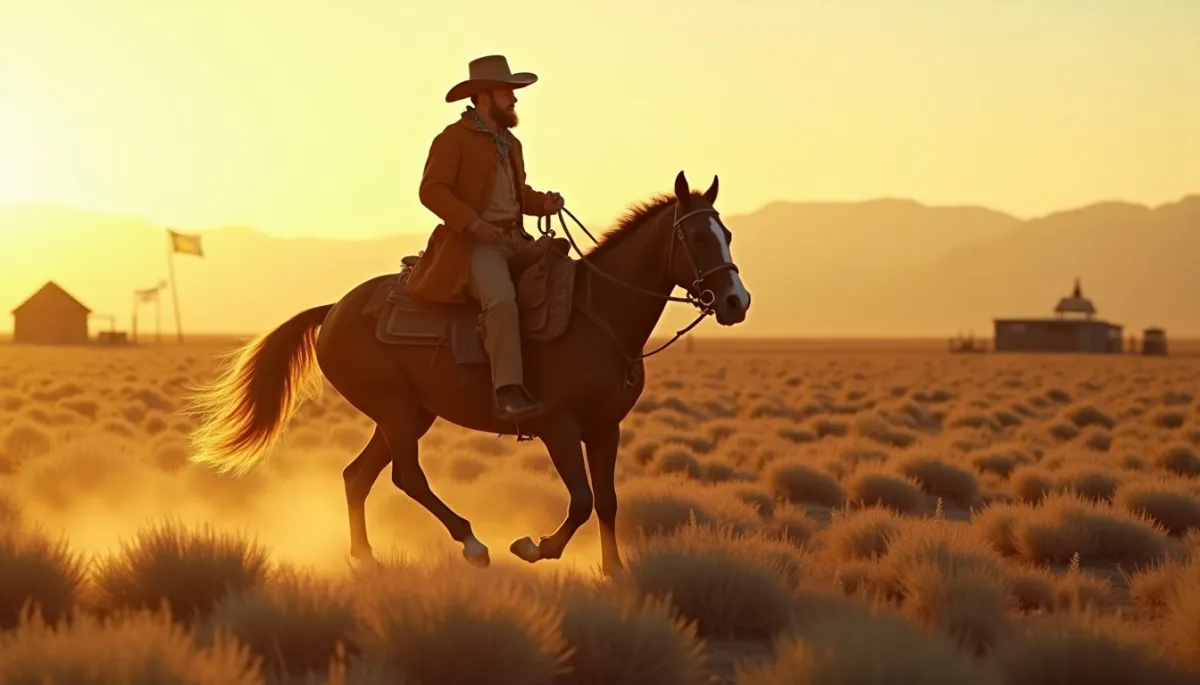
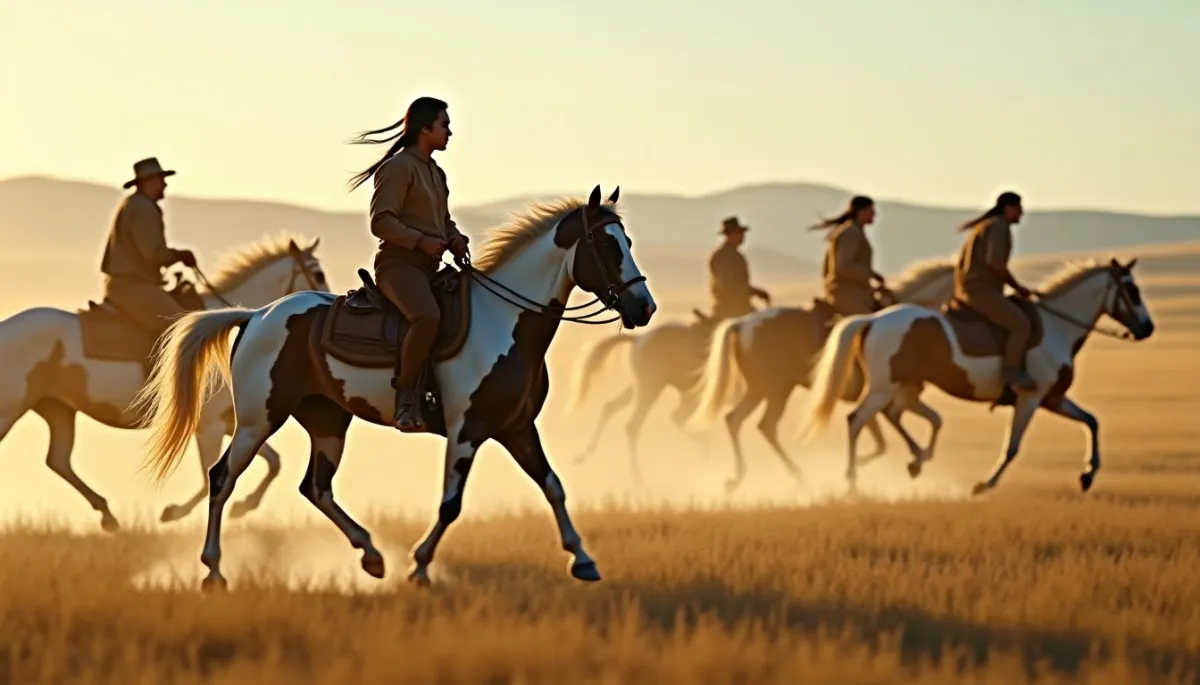
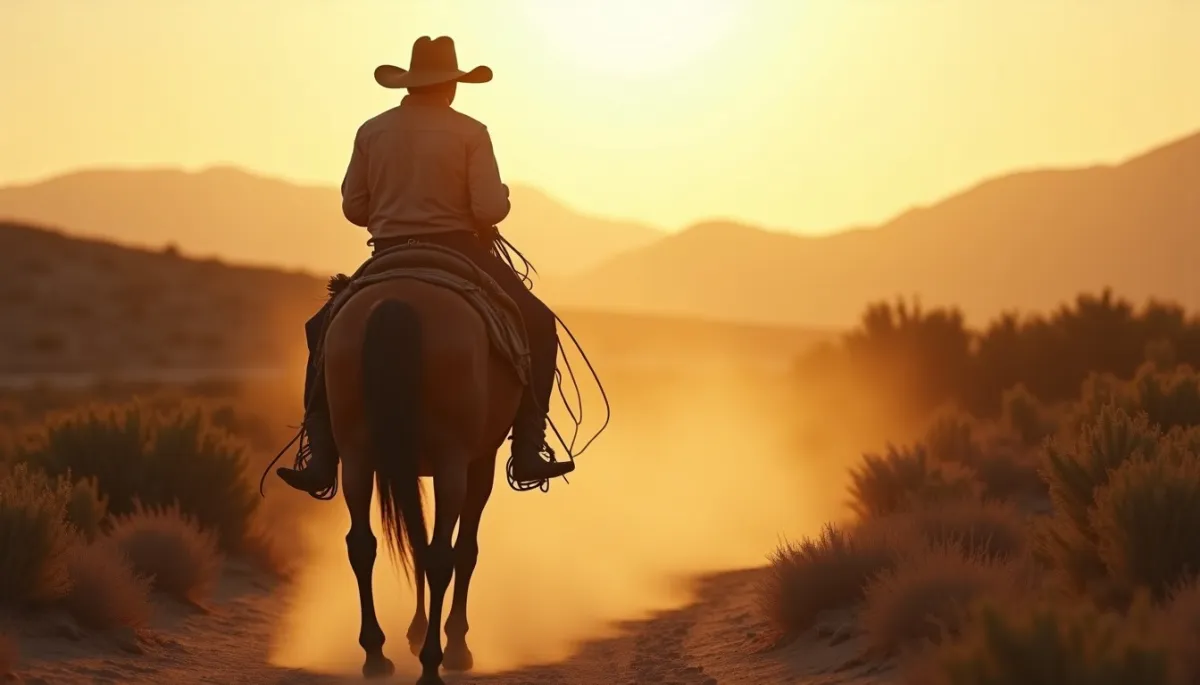
Dust lifts under the hooves. A low sun outlines a rider, rope coiled at the saddle horn, work-worn leather catching the light.
On the trail
Vaqueros were the professional herders of New Spain and later Mexico, and in Alta California they became the backbone of the rancho economy. The name comes from the Spanish "vaca" (cow), and the job combined riding, roping and stock management.
By the late 18th century, Spanish missions and presidios in California, established after the Portolá expedition of 1769, raised cattle for food and trade. When Mexico gained independence in 1821, large tracts were granted as private ranchos. These ranchos employed vaqueros in great numbers during the 1820s and 1830s, when the hide and tallow trade made California herds internationally valuable.
Notable figures touched by vaquero life include the Californio bandit turned folk figure Joaquin Murrieta (active c. 1850s) and Tiburcio Vásquez (1835–1875), whose early years were spent working on ranchos. American observers, like Richard Henry Dana Jr., described California in Two Years Before the Mast (1840), giving a contemporary account of hides, horses and vaquero skill.
From the hacienda
The vaquero tradition traces back to Iberian stockmen, who adapted Moorish equestrian techniques, brought to the Americas by Spanish colonists from the 16th century. Livestock (cattle, horses, mules) arrived in New Spain beginning in the early 1500s, and by the 1700s haciendas and missions had multiplied across northern Mexico and Alta California.
The practical gear tells the story of adaptation. The bosal, a rawhide nose-loop used in a two-rein system (bosal and later bit), the reata (lasso), and chaparreras (leather leggings) solved local needs: thorny brush, long drives and unruly longhorns. American cowboys borrowed much of this equipment; the California saddle style influenced later designs used on the Plains.
Economic and political shifts shaped vaquero life. The Mexican secularization act of 1833 redistributed mission lands into private ranchos. The 1848 Gold Rush brought a flood of newcomers, skyrocketing demand for beef, and rapid pressure on Californio land tenure. The 1851 Land Act required land claims to be proved in U.S. courts, often costing Californio families their holdings, and with them, many traditional vaquero jobs.
Between two worlds
The vaquero legacy lives on in surprising ways. Linguistically, "vaquero" became "buckaroo" in parts of the American West. Technically, roping methods, saddle design and horsemanship migrated north and east as ranching expanded after 1850. Yet cultural appropriation and erasure followed too: the romanticized Anglo cowboy overshadowed Hispanic and Indigenous contributions.
There are continuities. In Sonora and Chihuahua, and in Californio families still in Santa Barbara and Los Angeles counties, traditional horsemanship survives. Museums such as the Autry Museum of the American West in Los Angeles and sites like Rancho Los Cerritos (founded 1844) preserve artifacts and oral histories. For those who travel, witnessing a local charreada in Jalisco or a Californio rodeo reconnects technique to history.
For visitors from Camargue, the parallel is immediate. The gardians herd bulls on white Camargue horses, and they share with vaqueros a vocation shaped by landscape, seasonal rhythms, and intimate knowledge of stock. Both cultures show how regional necessity becomes ritual and identity.
Practical advice for the curious: read Dana's Two Years Before the Mast for contemporary color, time a visit to a living ranch or mission in spring, and when you see a bosal or a mecate (long rope), remember you are looking at centuries of craft adapted to new continents.