Flamingos in Camargue: when and where to watch them
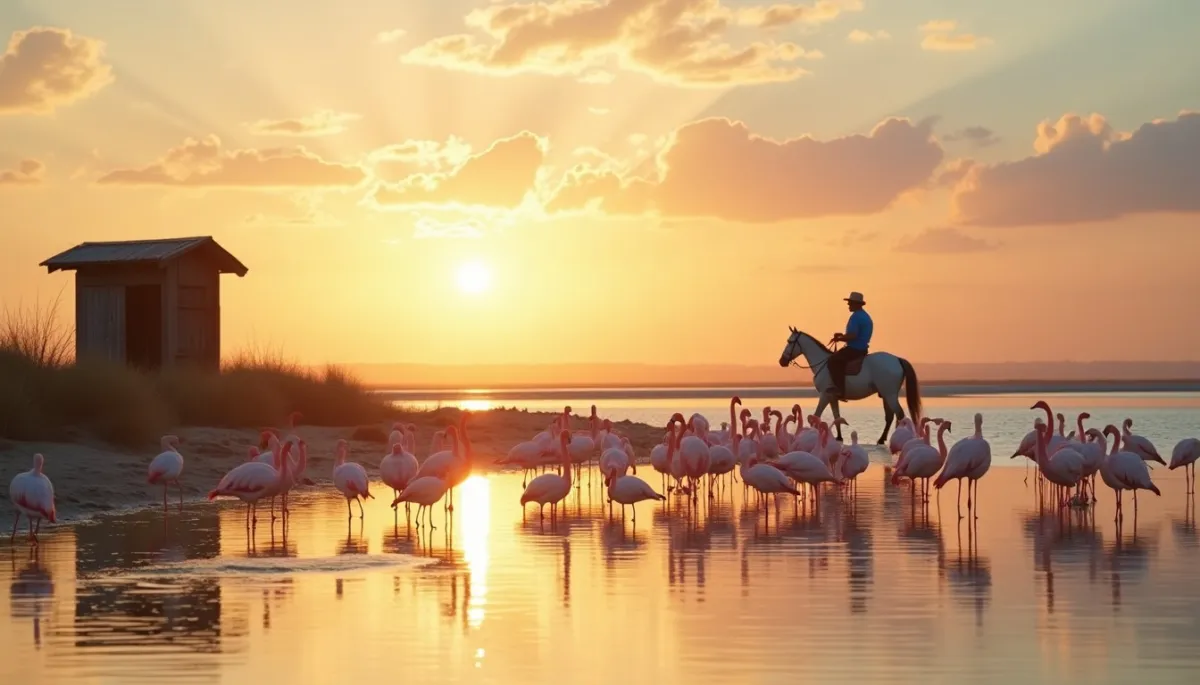
Camargue flamingos paint the lagoons pink like a living sunrise, visible from hides, salt pans and marsh paths. Their presence is a rhythm of water, wind and the gardians who still ride these plains.
🚀 Key Takeaways
- Key concept : Greater flamingos (Phoenicopterus roseus) are largely resident in Camargue, with visible peaks in spring and in cooler months.
- Practical tip : Head to Pont de Gau, Étang du Vaccarès or the Salins of Aigues-Mortes at sunrise or late afternoon, and use hides to avoid disturbance.
- Did you know : The Camargue hosts one of Europe’s most important flamingo colonies, where birds nest on shallow islands and salt flats.
The flamingos of Camargue are a promise the land keeps every year: color, noise and ritual. They arrive in flocks that move like a slow tide, a spectacle that rewards patience and quiet observation.
As a local observer and writer, I have tracked them from Pont de Gau hides to the broad shoals of Vaccarès. Their patterns depend on water, salt and disturbance, and knowing when and where to go makes all the difference.
When to watch flamingos in Camargue
Flamingos are present year-round in the Camargue, but what you see changes with the season. The prime period to witness courtship, nest building and chicks runs from spring into early summer, roughly March to July. Those months reveal the most intimate behaviors: synchronized displays, mating rituals and the pale gray of chicks with downy pink edges.
Outside the breeding season, particularly in autumn and winter, birds concentrate where water and food are abundant. From October to February, you can find large loose flocks on shallow lagoons and salt pans, often in more exposed, dramatic light that photographers prize. Keep in mind that weather and water management of the wetlands alter exact timings each year.
Where to go in Camargue
Pont de Gau ornithological park, near Les Saintes-Maries-de-la-Mer, is the classic starting point. Its raised hides and short trails offer reliable, close views of feeding and resting flamingos, without stressing the birds. Arrive early to catch the morning light warming their feathers.
The Étang du Vaccarès, the great central lagoon of the Réserve Naturelle, is another must. From observatories on its shores you can scan long distances for flock movement and see birds at scale against the flat horizon. Salins d'Aigues-Mortes and Salin de Giraud provide contrasting settings, where salt works create reflective pools that intensify colors and multiply reflections.
How to observe without disturbing
Respect and calm are essential. Use established hides and observation paths, keep distance, and silence phones or use vibrate. Binoculars and a moderate-telephoto lens bring the action close without forcing birds to fly. Avoid trampling vegetation or crossing wetlands on foot where not permitted.
Follow local signs and the guidance of reserve staff. In breeding areas, do not approach islands or channels where nests may be hidden. Think like a gardian watching cattle: patience, respect and a keen eye will give you unforgettable views without harm.
Seasonal highlights and what to expect
Spring, from March to June, is breeding season. You will see elaborate group displays, nest scraping and, by late spring, clutches of chalky, mud-lined nests with chicks. Colors are often vivid as adults feed on crustaceans rich in carotenoids.
Summer can be hot and quiet on some lagoons, yet early morning reveals foraging flocks and the first flights of juveniles. Autumn and winter bring gatherings and moulting phases, sometimes dramatic congregations that fill the salt pans. Each time of year offers different compositions for the eye and the lens.
Practical tips for visitors and photographers
Best hours are sunrise and late afternoon for the warm, low light. Wear neutral colors, bring binoculars, and a lens between 200 and 400mm helps for tight portraits. A tripod with a gimbal head is useful for long sessions, but handheld work often feels more spontaneous and journalistic.
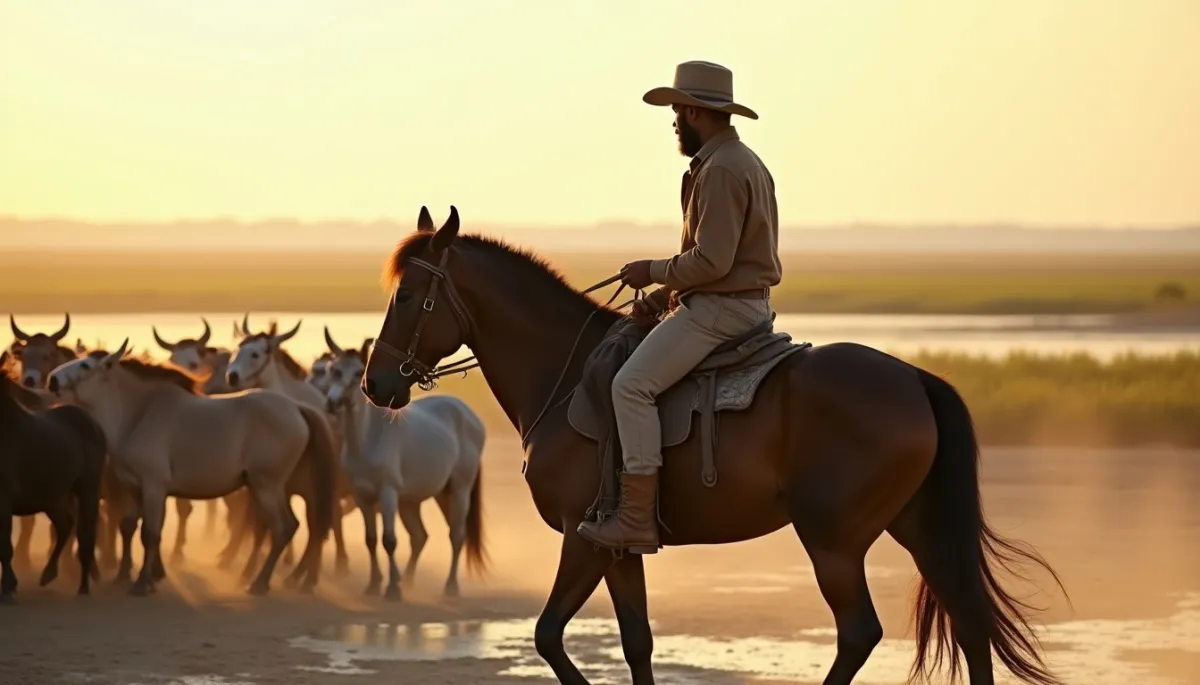
Check tide and reserve notices, and for a deeper cultural experience, combine your birdwatching with a ride with a gardian or a visit to a manade. The pastoral life of the Camargue, where men on white horses guide bulls and herds, gives context and a human scale to the wetlands, much like the way a lone cowboy shapes the American plains.