From Sonora to Jalisco: How vaquero culture changes across Mexico
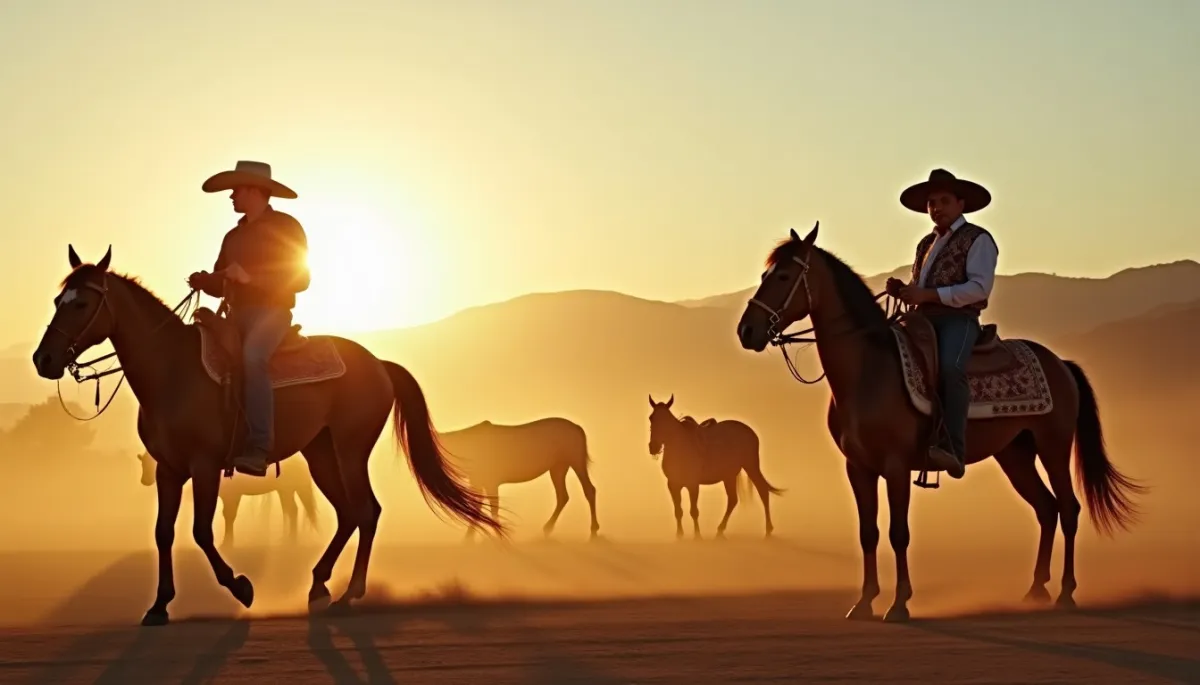
From the Sonoran sunsets to the plazas of Jalisco, the vaquero tradition shifts like the landscape it tames. Each region keeps a distinct rhythm, gear and ceremony that tell stories of horses, cattle and identity.
🚀 Key Takeaways
- Core concept : Vaquero traditions adapt to climate, economy and history.
- Practical tip : Visit a charreada in Jalisco or a rodeo in Sonora to see contrasts firsthand.
- Did you know : Many American cowboy practices derive from Mexican vaqueros.
Dust, sun and the steady creak of a saddle.
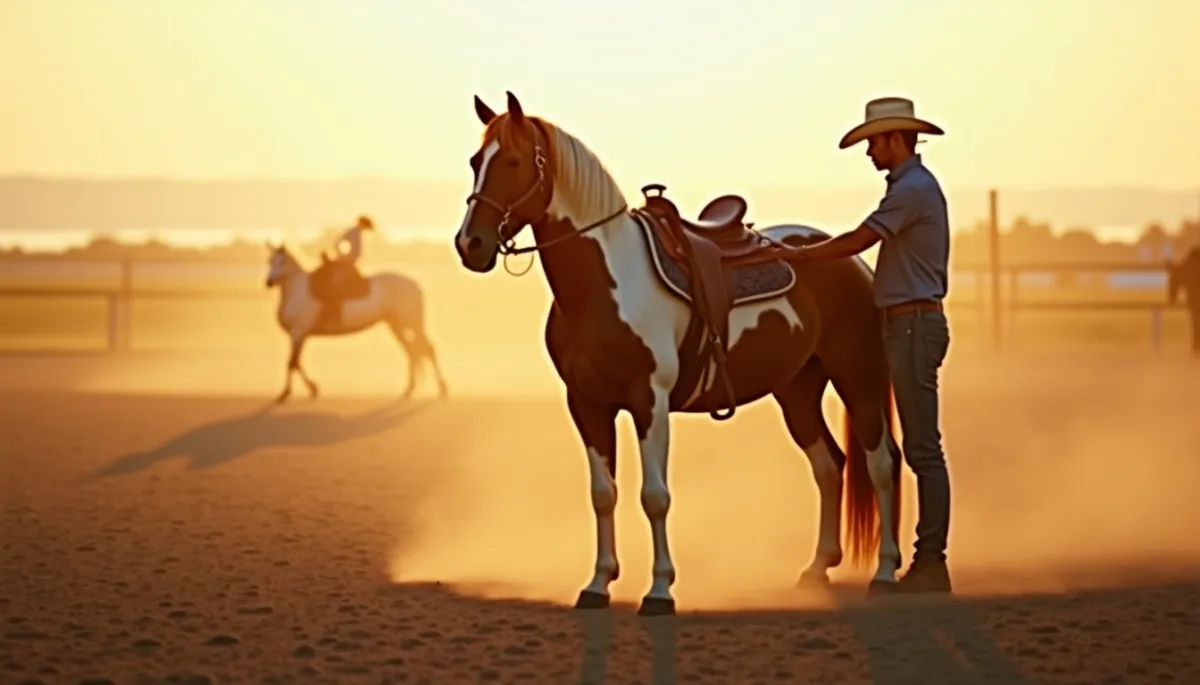
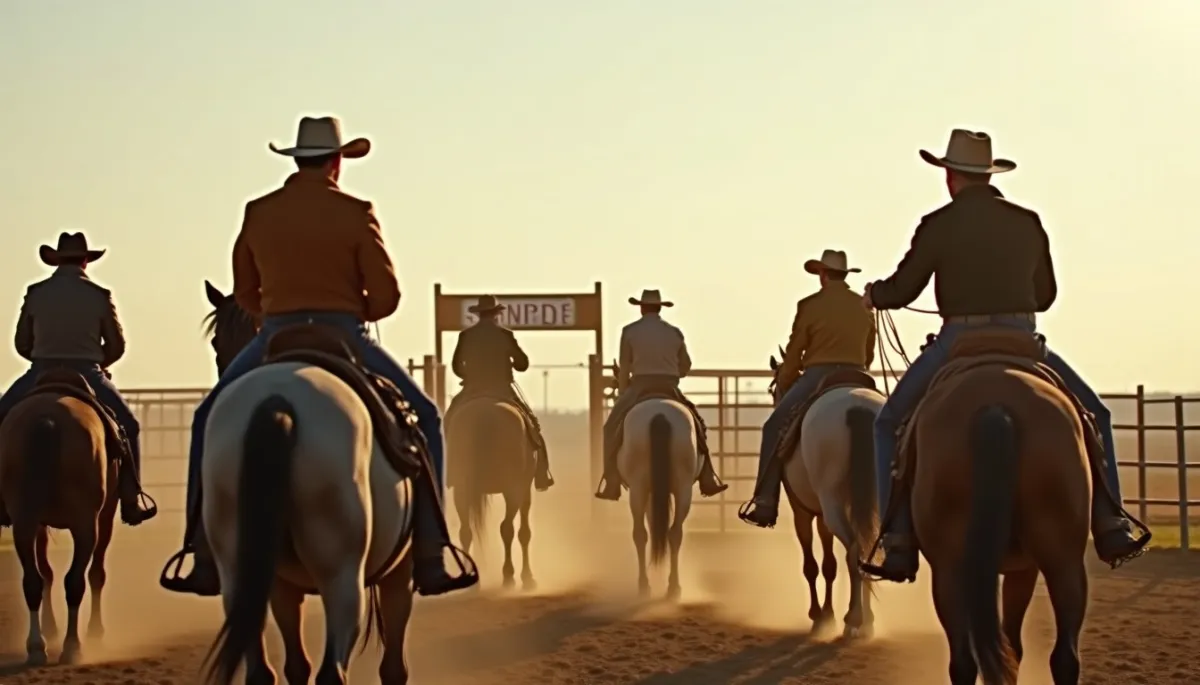
A Sonoran crew moves cattle at dawn, their reins knotted, horses sure-footed on stony trails. Weeks later, in a plaza in Guadalajara, a charro in an embroidered traje de charro salutes a judge before a crowd, the spectacle precise, ceremonial. Those two images belong to the same family, but they speak different dialects of a shared tradition.
Selle du désert
The vaquero of Sonora and the larger northwest is first a working rider, adapted to arid land and long drives. Sonora, with cities like Hermosillo and the historic cattle towns of Álamos and Caborca, developed ranching patterns tuned to scarce water and wide ranges.
Gear follows geography. Saddles are practical and light, rawhide and leather are maintained for endurance, and the reata (lasso) is a daily tool. Riders favor broad-brimmed sombreros and boots made for rocky ground. In the late 19th century, Sonoran vaqueros were known for long cattle drives that sometimes crossed into Arizona, feeding connections with American ranches after the Mexican-American War (1846-48).
Anecdote: in 1905, the Sonoran horseman Rosendo Vega became famed in regional newspapers after leading a 300-head drive across desert terrain to reach railheads, a feat that cemented local reputations for stamina rather than showmanship.
Fête et parade
Jalisco writes a different page. Around Guadalajara and the Tequila Valley, the vaquero culture evolved into the charro, a figure invested with ceremony and identity. Charrería (the Mexican equestrian practice and competitive rodeo) crystallized in the 19th century, as ranch elites transformed ranch skills into regulated events.
Costume matters. The traje de charro, embroidered jackets, silver spurs and ornate saddles turn riding into spectacle. In 2016, UNESCO recognized charrería as an Intangible Cultural Heritage, highlighting its social, musical and performative dimensions, especially the link with mariachi and civic rituals.
Famous faces: José Refugio Velázquez and other early 20th-century charros became local legends for preserving horsemanship and ritual. Modern charros still train in academies and clubs called lienzos charros, where tradition is taught with strict rules and competitions.
Tension et métissage
The divergence of styles stems from practical needs and historical overlay. Sonora prioritized mobility and survival; Jalisco institutionalized skill as identity. After independence in 1821, and during the Porfirio Díaz era (late 19th century), landholding patterns and national identity projects pushed some regions to celebrate charro culture as a symbol of Mexico itself.
At the same time, cross-border exchange reshaped practices. The Californian buckaroo tradition, and later the American cowboy, borrowed roping, saddle design and vocabulary from Mexican vaqueros. Words like lariat (from Spanish la reata) and sombrero entered English rodeo culture. Thus, the vaquero is both origin and mirror in a transnational story.
Yet contradictions persist. Mechanized ranching, urban migration and tourism turn some practices into spectacles while real working vaqueros keep older skills alive. In Sonora, the economic pressure to intensify cattle production clashes with traditional seasonal migrations. In Jalisco, charrería faces debates about modernization and animal welfare during public performances.
Chemins à suivre
To witness the spectrum, attend local events. In Sonora, look for traditional rodeos and ranch festivals in rural municipalities during harvest and cattle-driving seasons. In Jalisco, plan a Saturday at a lienzo charro in Guadalajara or a national charreada in Zapopan. Tequila town also offers fêtes where horses, distillation and song meet.
Respect codes. Learn simple vocabulary: vaquero (cowboy, from vaca, cow), reata (lasso), charro (formal rider), charrería (organized equestrian sport). Dress modestly, keep distance from animals, and ask permission before photographing elders or performers.
Ultimately, the culture of the vaquero is a living mosaic. From Sonora's practical endurance to Jalisco's embroidered tableaux, each region keeps an essential chapter of Mexico's relationship with horse, land and ceremony. Travel with curiosity, and you'll take home stories as lively as a horse's neigh at dawn.