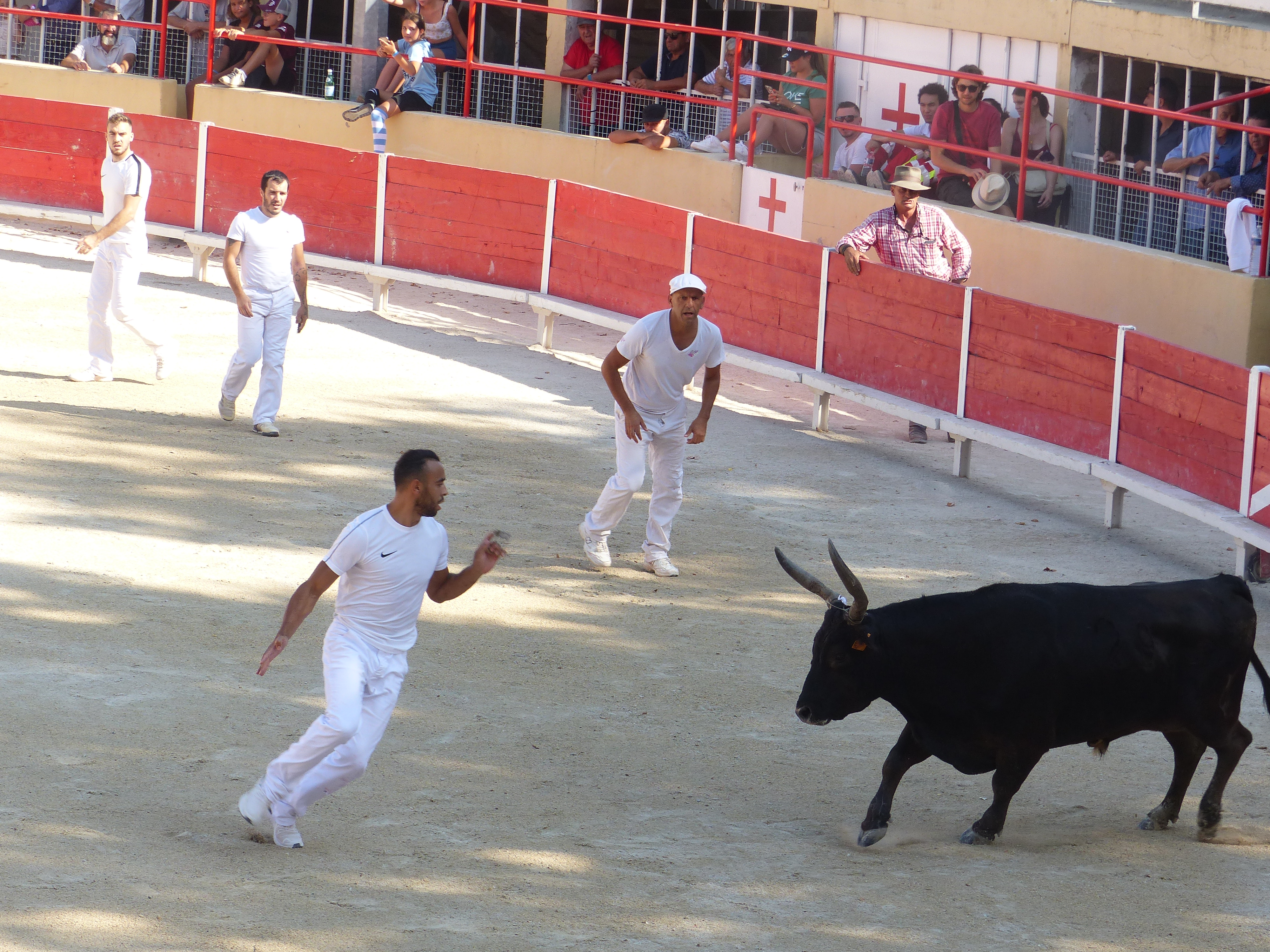
Gardiane: the Camargue bull stew, recipe and history
Gardiane is more than a stew, it is the voice of the Camargue on a plate. Rooted in the marshes and manades, this slow-cooked bull dish carries stories of gardians, festivals and salt air.
🚀 Key Takeaways
- Core concept : Gardiane is a long-simmered Camargue bull stew, traditionally served with local rice.
- Practical tip : Cook low and slow, use robust red wine and finish with a splash of pastis if you want aniseed notes.
- Did you know : The dish is tied to manades and the gardians who manage Camargue bulls for festivals like Les Saintes-Maries-de-la-Mer.
Slow, smoky and generous.
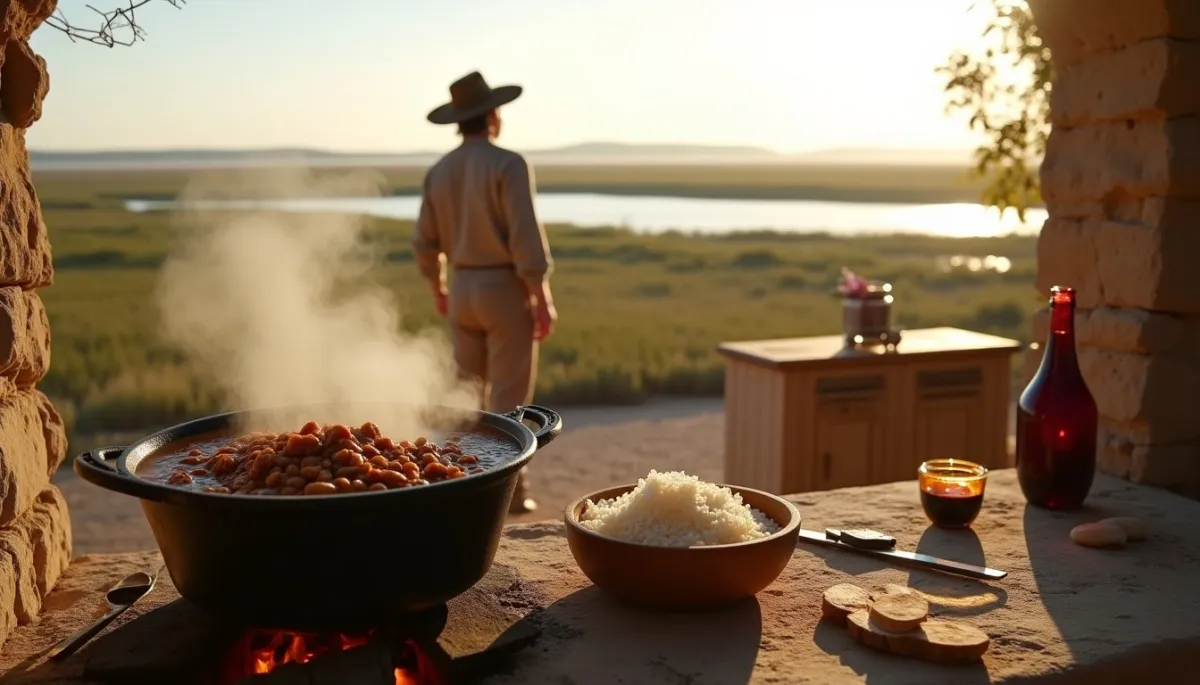
Imagine a low stone farmhouse near the marshes, a cast-iron marmite on a wood fire, and the smell of onions and red wine mixing with salt and reed smoke. Gardians in broad-brimmed hats walk in after a journée at the manade, hands still smelling of hay, to share a bowl of gardiane with rice from the nearby fields. The light of late afternoon finds the pot steaming, and the conversation turns to bulls, weather and the next abrivado.
La recette vivante
Gardiane is fundamentally a braise. Traditionally it uses meat from the Camargue bull (taureau de Camargue), strong in flavour because these animals are raised in manades, often semi-wild on the marshes. Where bull is not available, cuts of beef with good connective tissue, such as chuck or brisket, work well.
Typical ingredients: meat 1.5 kg, 2 onions, 3 garlic cloves, 2 carrots, 250 ml robust red wine, 200 ml beef stock, 2 bay leaves, a sprig of thyme, black olives (optional), salt and pepper, a splash of pastis or pastaga to finish. Many cooks add a few chopped tomatoes or a spoon of tomato paste, but the classic is more wine-led than tomato-led.
Method in brief: brown the meat, remove, sweat the vegetables, deglaze with wine, return meat, add stock and herbs, simmer gently 2.5 to 4 hours until the flesh is melting. Finish with olives and pastis. Serve with Camargue rice or polenta, and a robust red wine from the Rhône or Languedoc.
Origines et gardians
Gardiane is born of place and labour. The Camargue, a delta between the Rhône and the sea, shaped a pastoral culture over centuries. Manades are the free-ranging herds of cattle and bulls. Gardians are the mounted herders who manage them, a figure as emblematic locally as the cowboy in the American West.
The dish crystallised as manadiers and gardians sought hearty food after long days on horseback. It used inexpensive, durable cuts, wine from nearby vines, garlic and onions from small vegetable gardens, and rice grown on the delta. The recipe entered regional tables and village fêtes, notably the annual gatherings at Les Saintes-Maries-de-la-Mer, where livestock and tradition converge.
Notable cultural figures, such as Folco de Baroncelli in the early 20th century, helped popularise Camargue identity, including its cuisine. The recognition of the Parc naturel régional de Camargue in 1970 reinforced a sense of terroir, encouraging local products and recipes like the gardiane to be preserved and promoted.
Contrastes et modernité
Today gardiane sits at the crossroad of tradition and contemporary interest. Restaurants across Provence and chefs seeking authenticity have revived the dish, sometimes modernising it with refined plating or quicker techniques. This renewed attention has raised the profile of manades, offering economic value to breeders who once struggled to sell older bulls.
There are tensions, naturally. Animal welfare, the ethics of using bulls from arenas and festivals, and the shifting economics of rural life prompt debates. Some manades now practise certified sustainable breeding and traceability, inviting cooks to use meat with known provenance.
Practical advice: if you cannot source taureau de Camargue, prefer grass-fed, mature beef cuts. Respect the slow cook, use a heavy pot, and taste for salt only at the end because reduction concentrates flavours. For a regional touch, serve with Camargue red rice and a rosé or a light southern red.
Gardiane remains a dish that tells a story of land, people and ceremony. Each spoonful carries the tang of wine, the memory of rivers, and the presence of the gardian, who for centuries has kept watch over the bulls and the marshes.