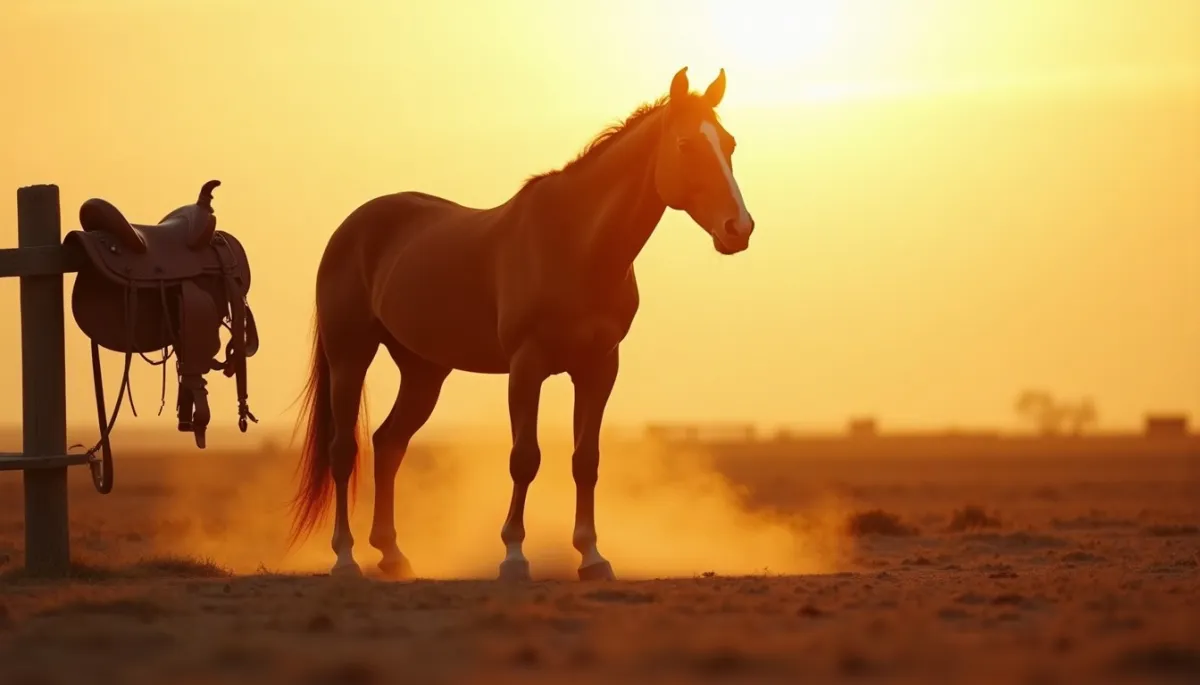
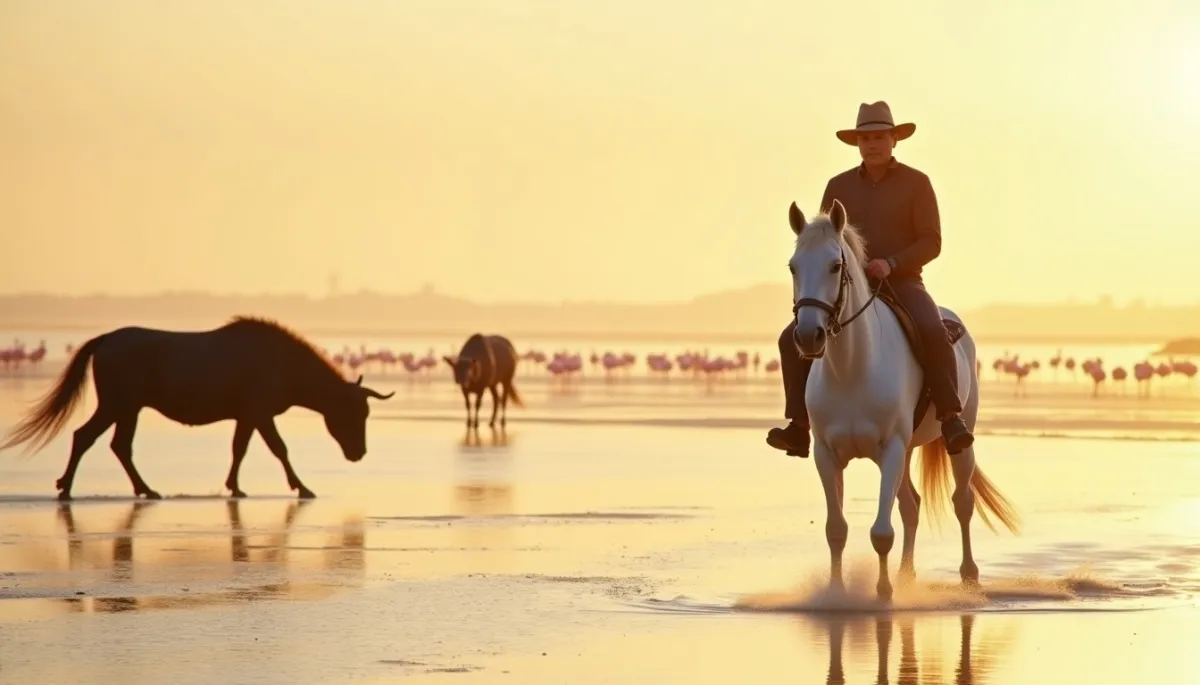
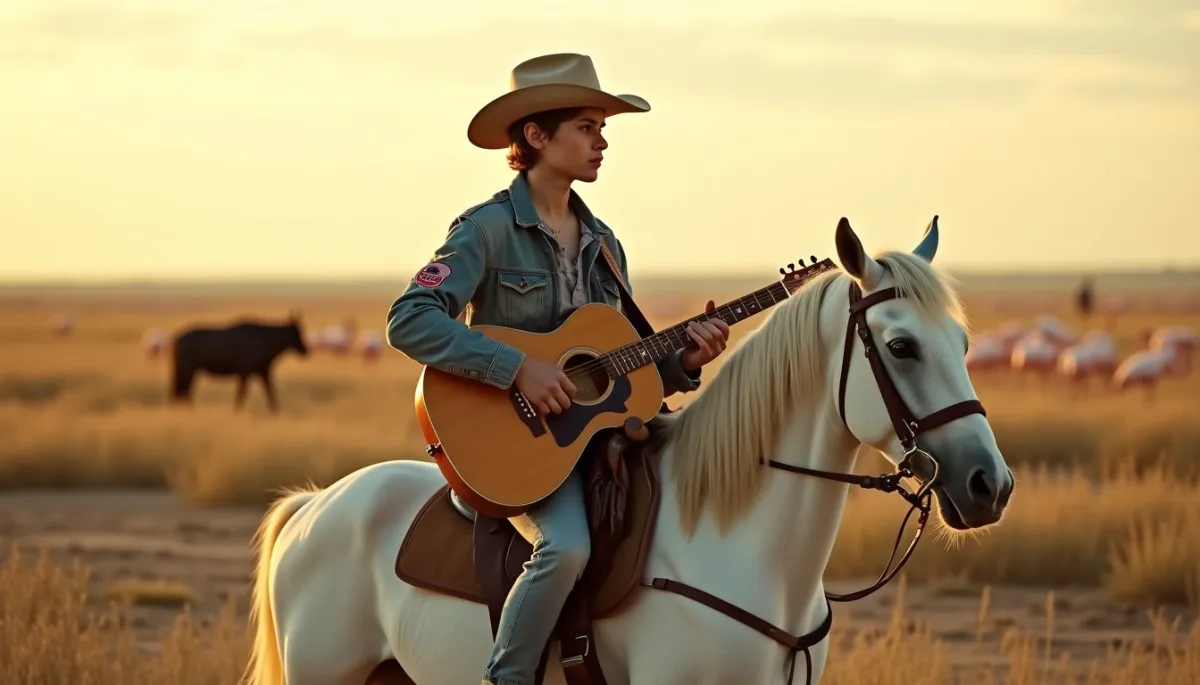
The gauchos of Argentina: the untamed masters of the pampas
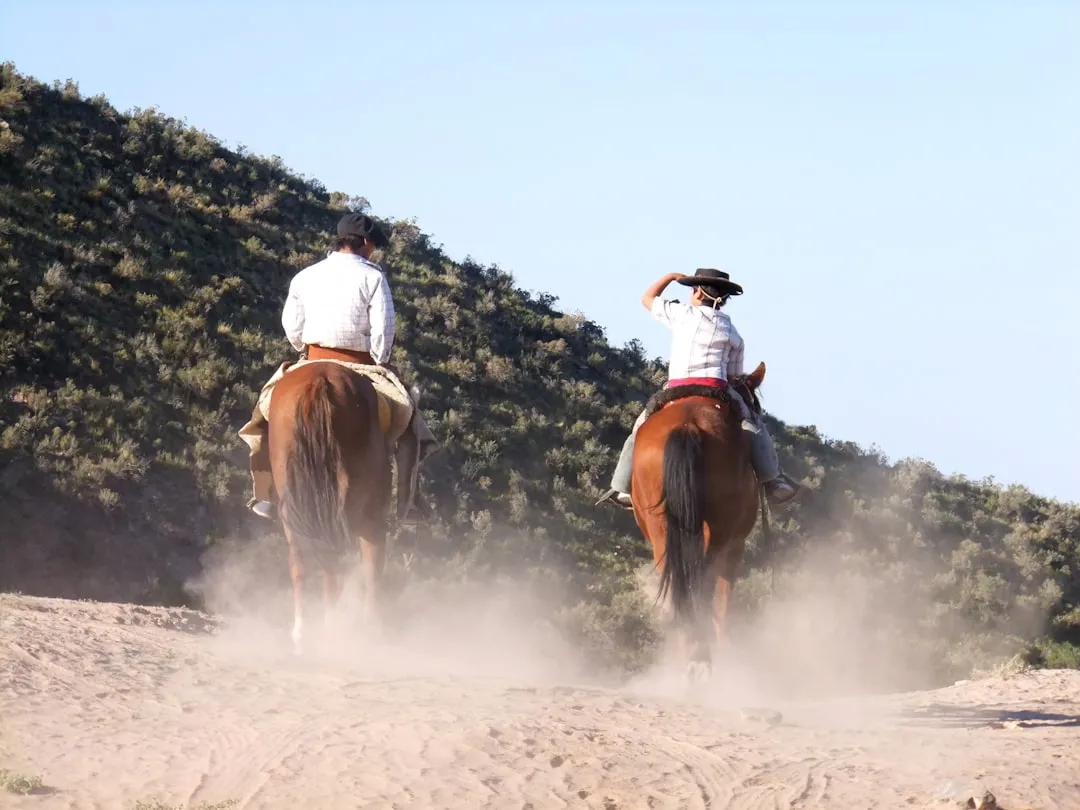
They ride an ancient landscape, shaped by wind and light, where an identity of leather and fire takes shape. The gaucho is both myth and neighbor, the living link between history and the present.
🚀 The essentials
- Key concept: The gaucho is a rider and breeder born in the pampas, carrying know-how and social codes linked to horses and cattle.
- Practical advice: Book a stay in a family estancia near San Antonio de Areco or in the province of La Pampa for an authentic immersion.
- Did you know: The archetype of the gaucho has influenced Argentine literature, music and national holidays and is close to the gardians of the Camargue.
The gaucho is not just a postcard. It represents a profession and a way of living in the pampas, based on the relationship with horses, herds and seasonal cycles.
Here we trace its origins, its daily practices and its cultural uses, then we offer concrete advice for meeting this tradition without freezing or disturbing it.
Origins and identity
Appearing in the 18th and 19th centuries, gauchos were formed where extensive livestock farming and open space favored autonomy. Mixing indigenous, Spanish and African contributions, they built a clothing and musical repertoire adapted to equestrian and nomadic work.
From a romantic symbol to a figure of national construction, the gaucho has been reinterpreted by writers and politicians. However, at ground level, communities continue to pass on gestures and know-how throughout the seasons.
Daily life on the pampas
The rhythm of a day can be read at the cadence of horses and herds. The tasks range from rounding up the animals to maintaining the fences, including monitoring the ranges. Skills are transmitted mainly through direct learning, alongside an experienced rider.
The equipment is both useful and identity: poncho for rain and cold, bombachas or alpargatas for walking, boleadoras for catching livestock, and mate for shared breaks. These objects tell a social as well as a technical story.
Traditions, music and sociability
Music and poetry are means of transmission. Chacareras and payadas sing stories of travel, love and work. Local festivals bring together equestrian skills, artisans and collective cuisine around an asado.
Friendliness is a code: sharing the mate or a place near the fire is a gateway. These daily rites reveal the values of hospitality and solidarity that structure gaucha life.
The gaucho today and cultural preservation
If modernity modifies certain rhythms, it does not erase the relevance of practices. Many gauchos today combine traditional riding and mechanized agricultural tasks. Local institutions, museums and collectives save stories and techniques to transmit them.
Supporting gaucha culture means encouraging living practices: staying in estancias that pay properly, buying objects from artisans and participating in local life without turning it into a spectacle.
How to live the gaucho experience with respect
Prioritize community initiatives. Opt for stays on family estancias offering real work rather than staging. Ask permission before taking photos and offer time to listen to past riders.
Recommended areas include the province of Buenos Aires around San Antonio de Areco, La Pampa, and areas of Santa Fe or Córdoba. For the complete experience, combine local festival and daybreak viewing days.
From the pampas to the Camargue: an interesting relationship
The Camargue herdsmen have similarities with the gauchos: mastery of the horse, codified outfits and rituals linked to breeding. This parallel helps to understand how different societies adapt equestrian culture to the natural environment.
A photograph of a rider in the Camargue can evoke the look of the gaucho while highlighting environmental nuances. It is a useful journalistic approach to compare and enrich the reading of rural traditions.
Practical checklist for visitors
Bring sturdy shoes, stackable clothing, sun protection and a reusable water bottle. Learn some Spanish phrases related to hospitality and horseback riding. Above all, arrive with a willingness to listen; the gaucho reveals himself in repeated gestures more than in a single encounter.
Respectful curiosity opens doors. A thoughtful stay, a shared mate and a direct purchase from an artisan leave a positive impact and tell a more complete story than any cliché.